
Turning Words Into Worlds
The most exciting creative shift of recent years is the ability to turn a simple sentence into a finished image or video. You describe a scene, an atmosphere, a character, or a motion, and the system builds it from that description alone. This is text-to-image and text-to-video generation, and it has fundamentally changed who gets to call themselves a visual creator.
The power here is not just speed. It is access. You no longer need a camera crew, a studio, expensive equipment, or years of post-production training to make something visually striking. You need a clear idea and the words to describe it well. The rest is becoming practical for almost anyone.
This article is a practical tour of how this generation works, the concepts that separate good results from average ones, and the strategies professionals use to get consistent, compelling output. Whether you are a marketer, a designer, an educator, or a curious hobbyist, the skills here will let you go from an idea in your head to finished creative content on a consistent basis.
The Creative Shift: From Tools to Words
For most of creative history, the bottleneck was production. You had a vision, but turning it into a real image required a camera, a paintbrush, or a studio. Text-to-visual generation removes that bottleneck and replaces it with a new one: the quality of your language.
This is a genuinely different craft. Instead of learning to operate a tool, you learn to think precisely and descriptively. The paragraph you write becomes the blueprint for the scene. The way you specify subject, lighting, camera, mood, and detail determines what the output looks like.
It also changes the rhythm of work. Where a traditional shoot might take days, a generative loop takes minutes. You describe, generate, evaluate, adjust, and repeat. This iterative speed lets you explore many directions before committing to one, which is exactly what creative work benefits from.
The roles are shifting too. A person who writes a precise brief can now lead the production of images and video, collaborating with the model the way a director works with a team. The skills that matter are judgment, taste, iteration, and clarity.
How Models Learned to Build Pictures From Words
To get good results, it helps to understand what is happening under the surface. These systems work by learning from enormous collections of images paired with written descriptions. Over time, the model absorbs patterns: how light falls on skin, how a mountain looks from a distance, how motion blurs a running figure.
When you send a prompt, the model does not look anything up. It composes its response from the statistical relationships it learned during training. That is why wording matters so much: the model relies on your words to steer its composition, and similar words produce similar-but-not-identical results.
For images, the challenge is detailed static composition. For video, the added challenge is temporal coherence: keeping an object recognizable as it moves, keeping color steady from frame to frame, and making motion feel natural. Progress in both areas has been rapid, but the general principle remains: the more precisely you describe the world, the more the output reflects it.
Building a Prompt That Works
A strong prompt is the difference between a generic image and a compelling one. Think of it as a brief for a scene rather than a list of adjectives. Several building blocks consistently raise quality.
Start with the subject. Define what is in the scene clearly: the main focus, its appearance, its context. Be specific but not bloated. Instead of "a person," say "a woman with short dark hair in a leather jacket."
Add the environment. Place the subject in a setting that gives mood and narrative meaning. "Standing in a neon-lit rain-soaked alley at night" carries far more than "outside."
Control the look. Mention style cues: realistic, cinematic, painterly, minimal, or a specific reference such as a vintage photograph. The model interprets these cues into a consistent aesthetic.
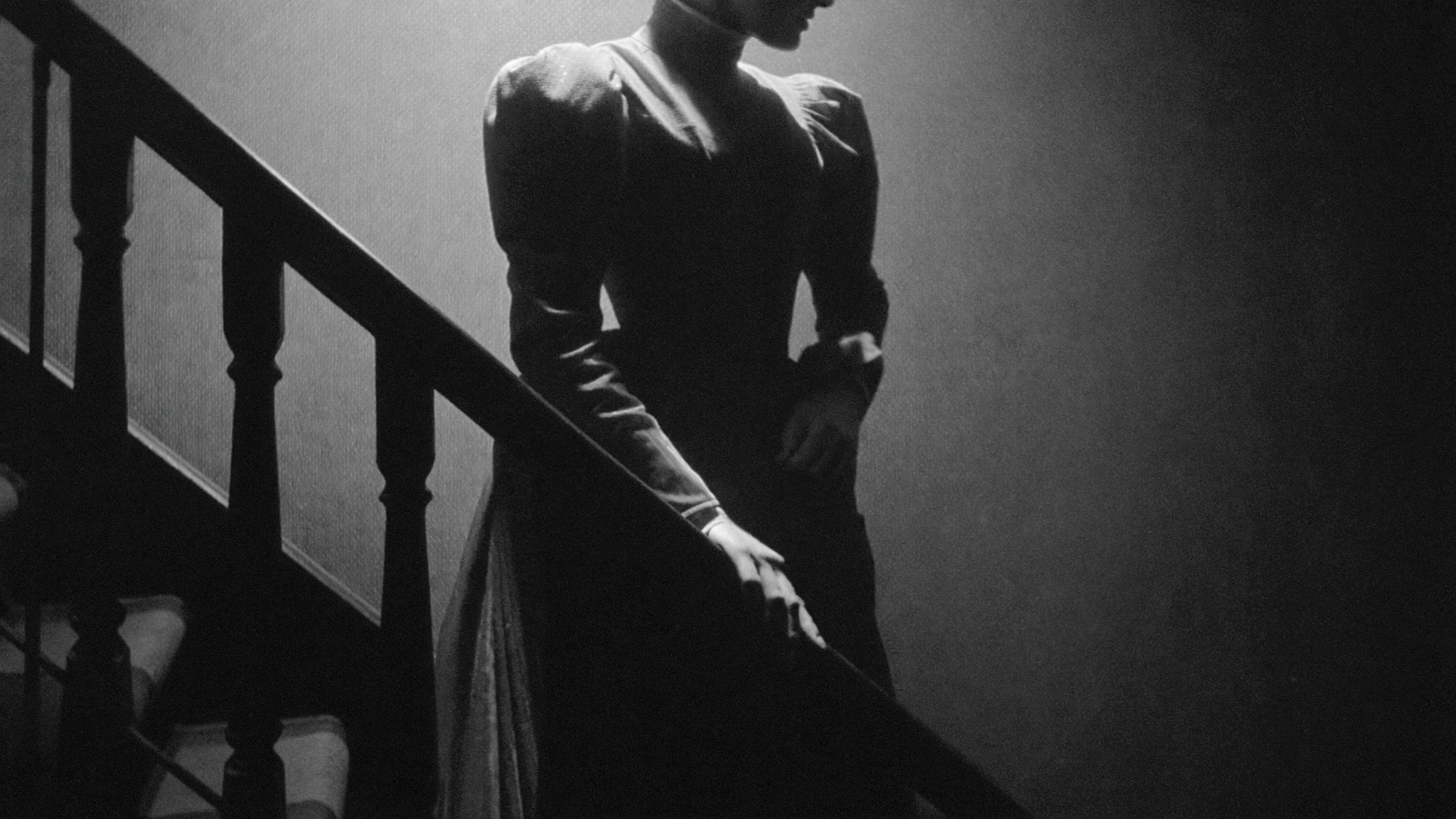
Direct the light and camera. Notes like "soft golden hour light," "shallow depth of field," "low-angle shot," or "wide 24mm lens" shape the composition and emotional tone.
Finally, set the mood. A phrase like "quiet, melancholic, lonely" guides how the elements are balanced. Mood words influence both color and subject placement.
Order broadly from subject to environment to style to light to mood. Many systems weight earlier terms more heavily, so leading with the essentials helps.
From Still to Moving: Describing Video
Describing video requires thinking in time as well as space. A single image prompt is a frozen moment; video needs to tell the model what happens in sequence.
The core elements are motion and duration. Specify what moves, in which direction, and at what speed. "The character walks slowly toward the camera" reduces ambiguity enormously.
Cameras matter too. You can direct virtual camera behavior: a slow dolly, a sweeping pan, a hand-held feel, or a static locked shot. These choices set the energy and intimacy of the footage.
Continuity is the hardest part. To keep a character and location stable across clips, anchor them with consistent descriptions and, when possible, reference images. The more fixed and unchanging you want a thing to be, the more consistently you must describe it every time.
Start with short, simple actions. A successful six-second clip is worth more than a muddled thirty-second experiment. You can assemble longer stories from stable short clips rather than trying to hold coherence across a very long single generation.
Iterating Like a Professional
The professionals do not get perfect results on the first attempt. They get close, evaluate, refine, and try again. This loop is the heart of working well with generation.
Each round, change only one variable. If the composition is right but the lighting is flat, adjust the light description and keep everything else. If the character is inconsistent, fix the character description and nothing else. This discipline tells you exactly which words cause which changes.
Use variations intentionally. Generate a small set of options for a single prompt instead of one image. Compare them against your goal, pick the closest, and refine from there. Choosing among options is faster and more reliable than chasing an exact result from a single attempt.
Keep a record of prompts that worked. Reusable language is the closest thing this craft has to a skill library. Over time you will build descriptions of cameras, moods, and settings that you can reach for in any project.
Keeping Characters and Styles Consistent
One of the most common frustrations is when a character changes appearance between generations. If you are building a series, a brand asset, or a narrative with the same subject, consistency becomes essential.
The most powerful tool is a reference image. Feed the model a clear image of the character and keep that as the fixed anchor across every prompt. The model uses it to hold appearance steady while you vary the scene.
Reuse a consistent descriptive phrase for the consistent traits. If a character always has "short dark hair, a green scarf, and a calm expression," repeat those exact words in every prompt that involves them. Small wording changes invite small changes in appearance.
Test before committing. Generate the character in several settings and check whether they hold. If the appearance drifts, strengthen the reference or tighten the description before you build a long series.
Building a Reliable Creative Workflow
A dependable system lets you produce on schedule without sacrificing quality. Structure your process so each step feeds the next.
Begin with a brief. Write down the goal, the subject, the mood, the style, and the audience. This short document keeps every later decision aligned.
Next, establish references. If consistency matters, fix your anchor before generating anything else.
Then generate a first pass of options. Explore broadly, choose a direction, and commit before refining deeply.
Iterate on the chosen direction with single-variable changes until it meets your bar.
Save and organize what works. Keep well-performing prompts, references, and settings in a tidy library so your next project starts ahead of the last one.
Finally, review holistically. Watch or view the result as an audience would, and confirm that the message and the emotion land before publishing.
Where This Fits in Your Creative Stack
Text-to-visual generation is a powerful addition to a workflow, not a replacement for everything else. Knowing when to generate and when to edit by hand produces better results than relying on generation alone.
Use generation for exploration and scaffolding: concept art, mood boards, reference frames, draft footage, and variations to present to a client. It shines when you need many directions fast.
Bring it into your existing software when you need precision: compositing, retouching, sound design, and final assembly. The generated asset becomes one ingredient in a finished product rather than the whole product.
The combination of AI generation at the start and manual polish at the end gives you both speed and control. You explore quickly, but you keep the final say over what actually ships.
Building Confidence With Practise
As with any craft, the way to improve is deliberate repetition. Set up small, focused projects that stretch one skill at a time rather than trying to master everything at once.
Try a week of daily prompts, each one shorter as you learn what matters. Analyze what made your best results work and what dragged down your worst. Keep a short journal of these observations so the lessons accumulate instead of fading.
Seek specific feedback by sharing your best outputs and asking what would elevate them further. Constructive critique is one of the fastest ways to sharpen both your taste and your prompting skills.
Publishing or presenting your work publicly, even at small scale, adds useful pressure to finish well. The combination of consistent practice, honest feedback, and finished outputs is what turns a beginner into a reliable creator.
Common Pitfalls and How to Avoid Them
The most common frustration is expecting perfection on the first attempt. Generation is inherently iterative, and giving up after one miss mistakes normal process for failure. Expect several rounds and budget time for them.
Another frequent issue is overloading the prompt. Trying to control everything at once often makes the model fight conflicting instructions. Prioritize the essentials and let the rest follow naturally.
Describing time in video is another trap. Vague phrasing like "moving around" yields drift and instability. Be explicit about motion, direction, and speed.
Neglecting continuity breaks a series. If a character must stay recognizable, anchor them with references and consistent descriptions from the first prompt onward.
Finally, treating generation as a finished product rather than an ingredient leaves your work looking generic. Combine strong generation with thoughtful editing and design to create something truly yours.
FAQ
Do I need artistic talent to get good results? You need taste and clarity, not traditional drawing skill. Strong prompting is a written craft, and it improves quickly with practice. The ability to describe a scene precisely matters more than skill with a brush.
What is the single most important habit? Iterating with single-variable changes. Adjust one thing at a time, evaluate, and repeat. This discipline turns trial and error into deliberate learning.
How do I keep a character the same across outputs? Anchor them with a reference image and repeat a consistent descriptive phrase in every prompt. Test identity stability across settings before relying on it for a series.
Is it better to generate one long clip or several short ones? Start with short, stable clips and assemble them. Holding coherence over a very long single generation is harder, and reviewing short pieces keeps quality high.
Can this replace hiring a designer entirely? Not for everything. Use generation for exploration, concept work, and fast variation, then bring precision and finishing work into your existing tools. It edits your workflow rather than replacing every human skill.
Turning Your First Idea Into a Real Asset
The fastest way to learn this craft is to complete a small project end to end. Pick one subject, write a clear brief, generate a few directions, refine the best one, and add your finishing touches to make it a finished piece.
Treat your mind like the strongest tool in the workflow: the better you can imagine a scene, the better you can describe it, and the better the model can build it. Master the loop of describe, generate, evaluate, and refine, and you will reliably turn words into worlds that your audience actually cares about.
