
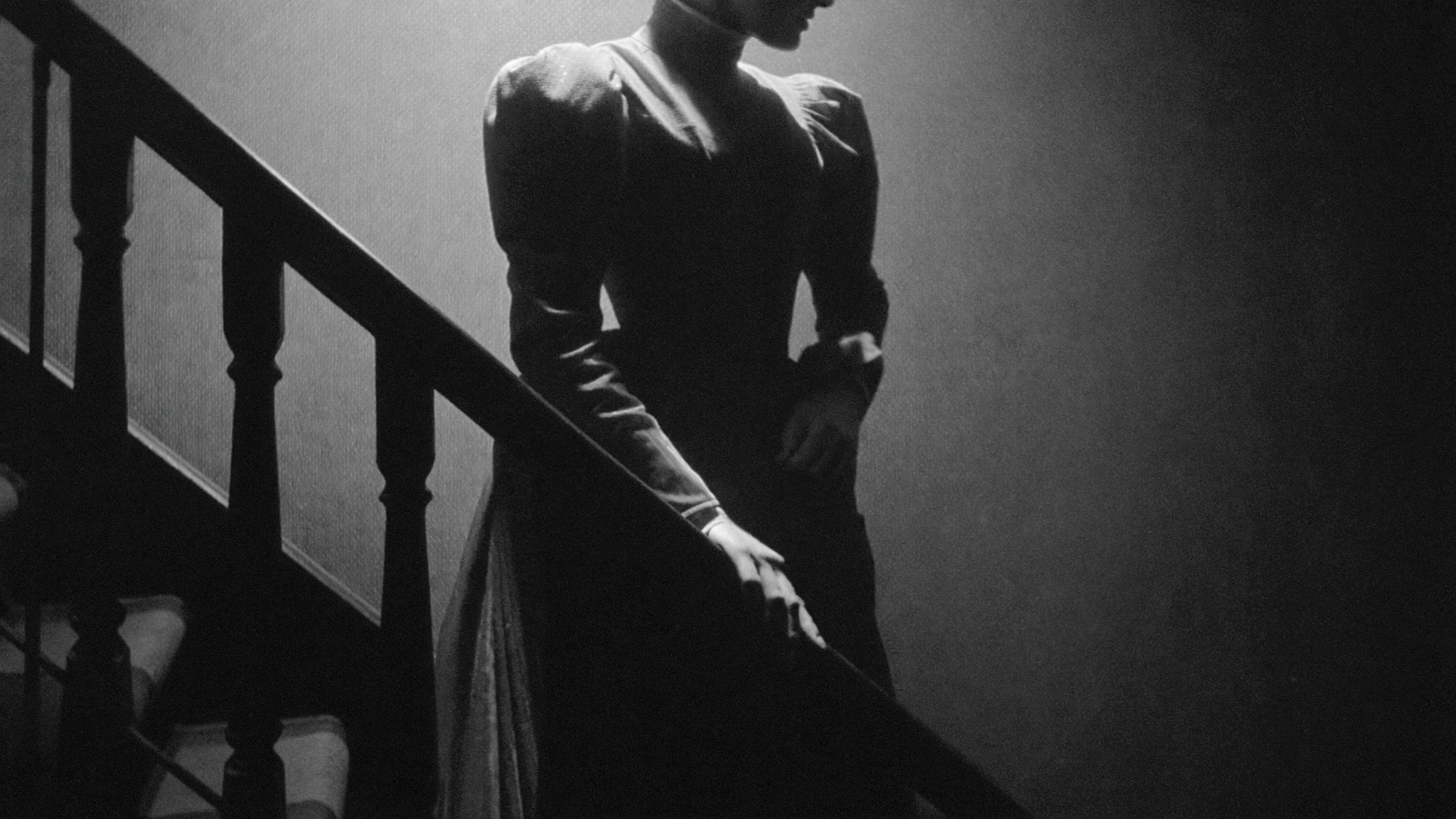


What Defines High-Quality AI Video Today?
AI video generation has moved far beyond flickering, artifact-ridden clips. Today's models can produce photorealistic, narratively complex videos. But quality isn't just about resolution. It's about temporal consistency, prompt adherence, and emotional resonance.
If you're serious about creating professional AI videos, you need a structured approach. This guide walks through the key benchmarks that separate amateur output from broadcast-ready content.
The Three Pillars of AI Video Quality
Temporal Consistency
The biggest tell of a low-quality AI video is inconsistency between frames. A character's shirt changes color mid-scene, or an object subtly warps. High-quality output maintains rock-solid identity across every frame.
Modern AI video generators handle this through advanced multi-frame processing. The best models anchor character appearance and environment details throughout the entire clip, even during rapid camera movements.
Prompt Adherence
A visually stunning video that ignores your instructions is useless. Prompt adherence measures how accurately the model follows your creative direction. Did it include all the elements you specified?
Top-tier text-to-video and image-to-video tools now offer precise control over camera movements, lighting, and scene composition. The gap between "close enough" and "exactly what I wanted" is where professional quality lives.
Aesthetic Appeal
Beyond technical correctness, the output needs to look good. Realistic textures, proper lighting physics, and freedom from generative artifacts like shimmer or object merging. The best models produce results that rival professional cinematography.
For image-based projects, Domer's AI image generator provides photorealism that translates well into video pipelines, giving creators a solid foundation for consistent visual assets.
Building a Quality Pipeline
Quality isn't accidental. Here's a practical workflow:
- Define your quality benchmarks before generating. Know what "good enough" means.
- Test across models. Run the same prompt through multiple options and compare.
- Use reference images. Feed reference keyframes when character consistency matters.
- Validate at every stage. Catch issues early, not at final render.
Matching Models to Creative Goals
Not every project needs premium resources. For commercial work where photorealism is non-negotiable, top-tier models justify their cost. For prototyping or social content, mid-tier models deliver acceptable results at lower cost.
Use Domer's model catalog to match strengths to specific needs. Some models excel at cinematic realism, others at animation or stylized output.
Post-Processing Matters
Even the best AI video benefits from post-production. Color grading, audio sync, and transition smoothing elevate raw output to professional standards. Treat AI generation as the foundation, not the finished product.
Summary
High-quality AI video creation requires technical knowledge and a systematic approach. Focus on temporal consistency, prompt adherence, and aesthetic quality. Test across models, use reference images for character control, and always validate before publishing.
