
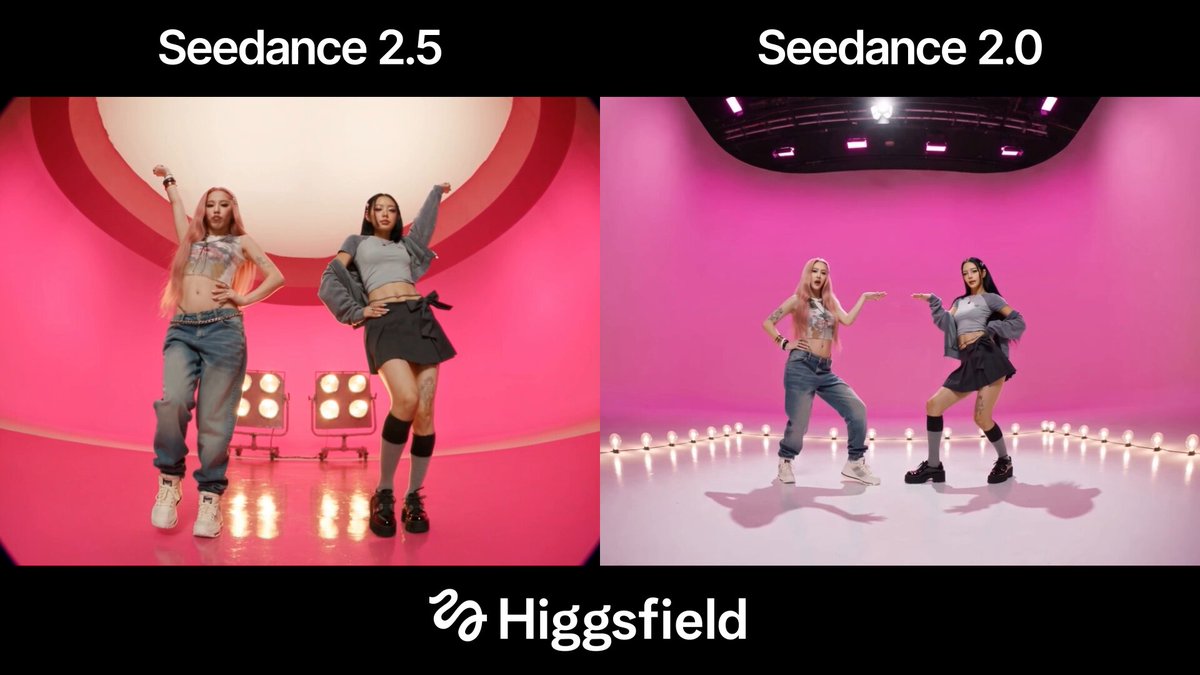
There is a particular warmth to classic film that digital footage often lacks: the subtle grain, the slightly imperfect color, the gentle wobble that makes images feel alive. For a long time, recreating that analog character reliably required grading suites, film stock and expertise. Meanwhile, modern AI video promises tight control and cinematic polish, but its output can feel sterile. The exciting development is that these two worlds are now converging. Using AI frame techniques, you can steer a generation with director-level precision, and by synthesizing analog video characteristics, you can give that polished result the texture and personality of classic cinema. This guide unpacks both techniques and shows how to combine them for a Hollywood-inspired look.
Why Hollywood-style editing is a mindset, not just equipment
When we say a video looks "Hollywood", we rarely mean a specific lens or camera. We mean a set of craft decisions applied consistently: considered composition, intentional use of depth and focus, motivated camera movement, controlled color, and an overall sense that every frame was designed rather than captured by accident.
That craft is what separates memorable footage from disposable content. Audiences may not articulate why a particular clip feels premium, but they feel it. The good news is that this craft is learnable, and AI makes it more accessible than ever. Instead of a lifetime of on-set experience, you can encode craft principles into the generation process and apply them automatically to every scene.
The convergence works in both directions. AI frame techniques supply the control that makes coherent, repeatable cinematography possible. Analog synthesis supplies the soul, the surface texture that makes digital output feel organic and familiar.
What AI frame techniques bring to the edit
Framing and temporal control are the heart of modern AI video production. The term "frame AI" refers to techniques that govern each frame of a generated sequence, ensuring consistency and intentional composition.
Temporal and spatial consistency through diffusion models
At the technical core, advanced diffusion models generate video by refining a sequence frame by frame. The challenge is keeping those frames coherent over time and directly related to your instructions. Modern control methods let you constrain the spatial composition of a shot and the temporal progression, so that objects retain their identity, lighting stays consistent and the camera moves the way you intend.
This control is what turns a generator from an unpredictable novelty into a reliable production tool. When you can say precisely where the subject sits in the frame and how the shot evolves, you can work like a director instead of like someone hoping for the best.
Rooting every shot in intent
A practical way to think about frame control is that it lets you remove the randomness. You decide the angle, the framing, the motion and the emphasis. The model follows your decisions rather than inventing its own on the fly. For editors who like to control the cut, this is transformative, because every generated shot arrives already aligned with your vision.
Micro-detail through specialized models
Beyond broad composition, specific models and settings control fine detail: the falloff of focus, the smoothness of highlights, the handling of skin and fabric. These micro-decisions are what make a frame feel expensive. When you can tune them, the difference between a clip that looks "good enough" and one that looks genuinely cinematic becomes visible.
Synthesizing analog video character in AI output
Now the more artistic half: giving digital a classic film sensibility. This is where you reintroduce the texture that makes images feel warm and human.
Film grain and realistic noise
Grain is not just an aesthetic garnish; it binds the image together and softens the sterile perfection of digital gradients. Synthesized film grain adds natural texture that the eye reads as organic. The key is moderation: too much grain obscures detail, while none at all can make footage look flat. Layering realistic noise at the right strength gives that comforting, familiar quality of physical film without sacrificing clarity.
Classic color palettes and grading
Color grading is where much of the "Hollywood" mood lives. Warm shadows, lifted blacks, desaturated highlights — these choices carry the emotional tone of a scene. AI lets you apply classic grading approaches as a consistent treatment across a project. Instead of each shot wandering through its own color world, you establish a palette that unifies the footage and reinforces the story's feeling.
Optical imperfections and chromatic aberration
Real lenses are not perfect, and those imperfections add character. Subtle chromatic aberration — the color fringing at the edges of high-contrast areas — and gentle lens flare signal an actual photographed image to the viewer's eye. Simulated optical flaws, applied sparingly, ground the synthetic footage in a physical world and reduce that "generated" sheen.
The balance is delicate. The goal is suggestion, not simulation. A viewer should feel the warmth without noticing the pixels that created it.
A practical pipeline for cinematic AI editing
Combining frame control and analog synthesis is a matter of a disciplined workflow. Here is a pipeline that produces consistent, Hollywood-inspired results.
1. Define the look before generating. Decide your palette, grain level and grading style up front. Write it down as a style brief that every scene references. Consistency is planned, not discovered.
2. Storyboard in beats, not shots. Break the story into emotional beats and assign each a framing intention: close-up for intimacy, wide for context, tracking for momentum. This gives the frame-control layer clear instructions.
3. Generate with intentional framing. Use your frame-control settings to lock composition and motion for each beat. Review for continuity of subject and lighting.
4. Apply analog synthesis in post. Treat analog texture as a finishing layer in your editor. Film grain, color grading and subtle lens effects are best applied over the final assembly so they read uniformly.
5. Protect the signal. Keep the synthesized texture light enough that resolution and sharpness survive. Test on the platform where the video will actually play, not only on a high-end monitor.
6. Review with fresh eyes. Watch the whole piece in sequence. The goal is a single, cohesive visual identity. If a scene breaks that identity, regenerate it or retune the grade.
Balancing realism and warmth
The risk with analog synthesis is overdoing it and crossing into "instagram filter" territory. The counterweight is restraint and intention. Every layer of texture should serve the story. A tense thriller might want heavy shadow and harsh grain; a gentle narrative might want lifted blacks and soft highlights. Let the emotion of the piece dictate the treatment.
Similarly, frame control should support, not override, the natural language of the story. Automated camera moves are powerful, but they must feel motivated by the action. A slow push-in carries more weight when it signals a character's realization than when it happens for no reason. As you refine your craft, ask of every shot: does this movement mean something?
Building a reusable cinematic system
Consistency across a series, or across your entire body of work, is what builds a recognizable visual brand. The way to achieve it is a reusable system rather than a fresh effort each time.
Define a set of defaults — your color grade, grain strength, preferred lens feel, camera vocabulary — and apply them across projects. Over time, that system becomes your signature. Audiences come to recognize your footage the way they recognize a cinematographer's style.
Document your presets so that anyone on your team, or your future self, can reproduce the look. This transforms a one-off technique into an asset that compounds in value with every new project.
A creative case: giving a futuristic scene analog warmth
A good test of these techniques is a scene that might otherwise look cold and digital: a futuristic city at night, full of neon and clean surfaces. Generated at default settings, that scene can feel sterile. Applied thoughtfully, analog synthesis transforms it.
Add gentle grain to soften the hard gradients of the neon. Warm the shadows and shift the highlights toward a muted amber so the light feels physical rather than emissive. Introduce a hint of chromatic aberration on the brightest edges to suggest a real lens. The result is a futuristic image that still carries the tactile familiarity of classic film, matching the visual language audiences have loved for decades.
This example illustrates the guiding principle: frame control gives you precision, and analog synthesis gives you warmth, and together they let you hold an emotional mood that pure digital generation tends to lose. The technique works because it combines opposite strengths instead of choosing one side.
Practical setup decisions and their trade-offs
Getting the look right involves a handful of deliberate choices. Consider how each affects the result.
Grain strength. Lighter grain preserves detail and reads as refined; heavier grain conveys roughness and period feel. Match it to the mood and the platform. Highly compressed feeds may blur out fine grain, so accounting for it in advance avoids disappointment.
Color palette temperature. Warm palettes feel inviting and nostalgic; cool palettes read as modern and detached. Decide the emotional temperature of the piece first, then apply your grade consistently.
Focus and depth treatment. A shallow, stylized depth of field draws attention to the subject; a deep focus shows context. Let the story dictate which parts of the frame deserve the viewer's attention.
Motion vocabulary. Slow, controlled camera movements feel considered and expensive; quick, restless moves feel energetic but can test the limits of stability. Save the most ambitious moves for hero shots.
Every choice is a trade-off between polish and expressiveness. Making these trade-offs deliberately is what turns a technical pipeline into a craft.
Common mistakes in cinematic AI editing
- Making frame control too rigid. Over-constrained generation can fight the model and produce stiff results. Leave room for natural variation within your compositional bounds.
- Over-applying texture. Grain so heavy it obscures faces, or grading so strong it drains contrast, looks amateur rather than filmic. Texture should flatter, not bury.
- Mixing incompatible treatments. A grainy warm look in one cut and a clean cool look in the next creates broken continuity. Lock the treatment project-wide.
- Ignoring the target platform. Compression on social feeds can amplify grain and crush shadows. Tailor your texture to where the video is actually watched.
- Forgetting motion coherence. Beautiful stills mean nothing if the subject jumps between cuts. Trust frame control, then verify the assembled cut.
Frequently asked questions
Do I need a colorist now? Grading is easier with AI presets, but a good eye still helps. You can achieve professional-looking results without a colorist for most projects.
Will these techniques be watermarked or limited? Tools vary. Check terms regarding commercial use and export quality for the specific platform you use.
Can I apply analog synthesis to footage I generate elsewhere? Yes. Analog effects are post-production layers you can add to any footage, generated or shot with a camera.
Does this work for vertical social video? Absolutely, with adjusted framing. The cinematic principles scale across aspect ratios.
Is it ethical to make AI video look like film? It is a stylistic choice, like any filter or grade. It becomes a problem only if it is used to deceive about the footage's origin. Normal aesthetic treatment is fine.
Conclusion
Hollywood-style editing no longer requires a studio. By combining AI frame techniques for cinematic control with analog video synthesis for warmth and texture, you can produce footage that looks both intentional and emotive.
Start with a single project. Define your look, storyboard in beats, generate with deliberate framing, and finish with restrained analog texture in your edit. Refine the system with every piece, and you will build a cinematic signature that makes your work instantly recognizable.
Keep in mind that this is a discipline of restraint and intention. The purpose of these techniques is not to decorate your footage but to serve your story: what you choose to show, how you move through a scene, and the texture that carries the mood. As the tools grow more capable, the advantage shifts to those who combine technical fluency with strong storytelling instincts. Develop both, and the line between AI-generated work and the classic productions you admire will fade from view.
