
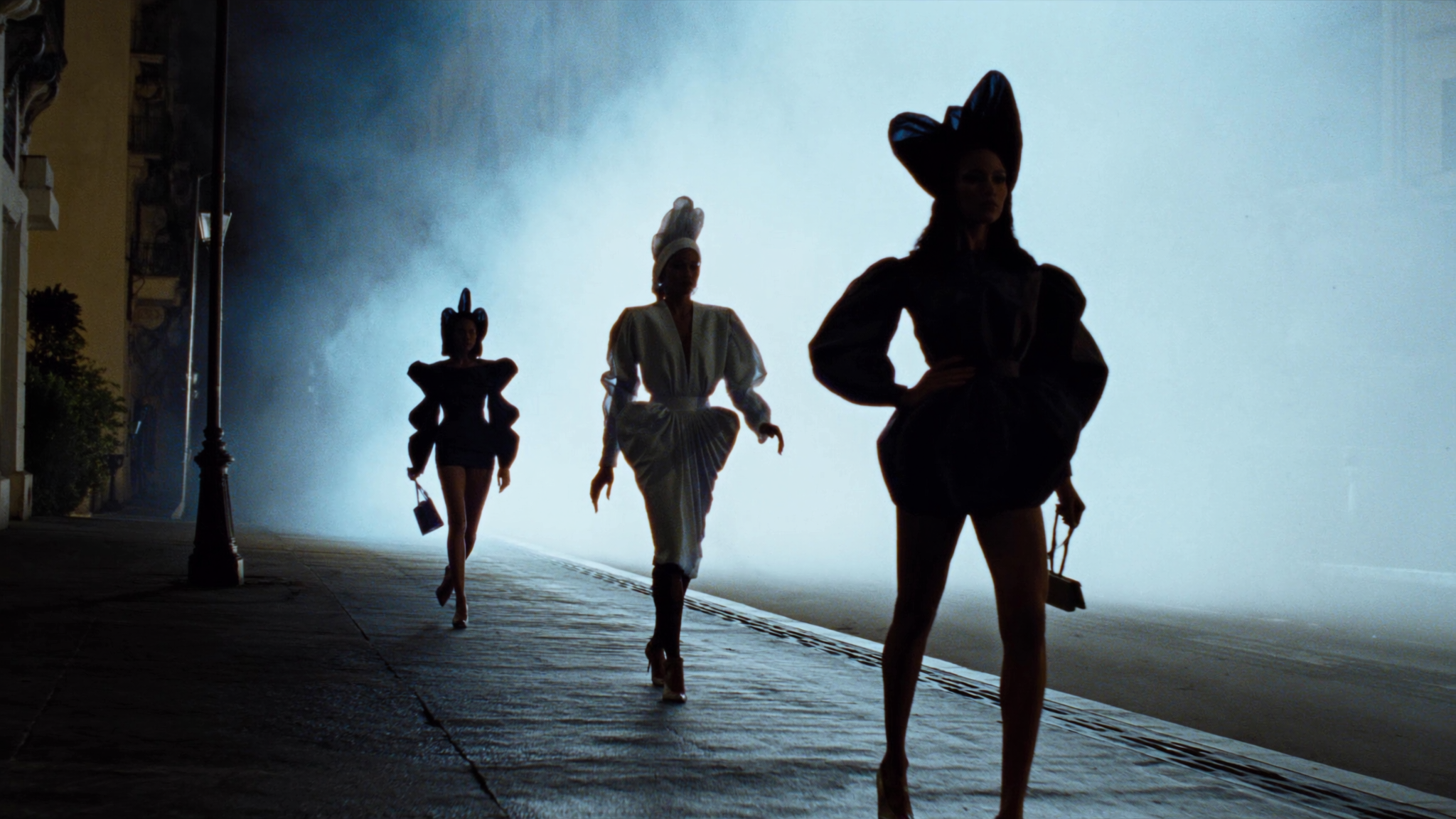
The simplest idea in generative media still surprises people: you can type a sentence and watch it become a picture, then an entire moving scene. This is the power of the art prompt, a short instruction that tells an AI model what to create. On the surface it looks like magic, but behind the result there is real craft. The same words that produce a muddled, generic image can, with a little structure, produce something distinctive, consistent, and worth publishing.
This guide is a practical field manual for writing art prompts that reliably deliver good images and video. You will learn how generative models actually interpret your words, how to describe scene and character consistently, how to guide style and motion, and how to stitch prompts into a repeatable creative workflow. Whether you are a designer looking for concept art, a marketer producing campaign visuals, or a hobbyist exploring a new medium, the principles here will improve everything you generate.
What Happens Behind an Art Prompt
An art prompt is the input to a generative model that has been trained on enormous collections of images and text. The model has learned associations between words and visual patterns. When you type a prompt, the model reconstructs an image that matches those associations. Two observations follow directly from this. First, clear and specific words give the model less to guess. Second, the model is not reading your intent, it is matching your vocabulary to what it has learned, so the words you choose shape the output more than the strength of your desire.
That is why crafting a prompt is a discipline. You are not praying for a result; you are giving precise, structured instructions to a very literal collaborator. The better your instruction, the closer the image lands to what you imagine.
Anatomy of a Strong Prompt
A strong prompt is built from a handful of building blocks, and you do not need all of them every time. The core is a clear subject: who or what is the focus. Around that, you add context and environment, where the subject is and what is happening. Then you shape the craft with style, the art direction or medium you want. Finally, you control composition and mood, the lighting, colors, and point of view that set the emotional tone.
An example shows the difference. 'A person standing' produces a generic, forgettable image. 'A weathered fisherman standing on a foggy pier at dawn, holding an old brass compass, soft teal and gold lighting, cinematic wide shot, photorealistic' gives the model concrete anchors: subject, action, setting, lighting, palette, composition, and style. Every clause narrows the field of possibilities.
Keep sentences simple and avoid stacking too many contradictory ideas. Models can only hold so much instruction, and a prompt that tries to do everything usually does nothing well. Aim for clarity over cleverness, and treat the first output as a draft, not a final answer.
Controlling Style and Medium
Style is where a prompt becomes distinctive. You can request a medium outright: 'oil painting', 'watercolor', 'black and white photograph', 'vintage film still', 'isometric render', 'minimal line art'. You can name artists or movements for inspiration, with care about current rights debates, or describe a mood: 'dreamy', 'crisp', 'warm, nostalgic', 'grim, high-contrast'. The most reliable approach is to combine medium, palette, and lighting in one clear statement.
Be careful with overloading style words. If you paste a long list of styles, the model blends them into a muddy average. Pick one primary style, support it with a palette and a light source, and leave it there. Consistency across a set (for a series of images) matters more than a single dramatic result, so define a style once and reuse it.
Keeping Characters and Scenes Consistent
One of the hardest problems in AI image and video work is consistency. A character that changes face or costume between images breaks the continuity that makes a story believable. Two practical approaches solve most of this: reference images and consistent descriptions.
The reference approach anchors a scene to an existing image. Many tools let you supply a character or style reference, and the model preserves its core features while following your prompt. Alternatively, you can write a canonical description, a few fixed lines describing the character's face, hair, clothing, and proportions, and repeat that exact description in every prompt that features the character.
This matters most when you plan to animate characters across many frames, like a dialogue or a series. If the character looks different in every shot, the audience disconnects. Invest the time up front to define the character once and lock it in, and your images and videos will tell a coherent story.
Directing Motion for Video
Text-to-video models add a new dimension to the prompt: motion. Where an image prompt describes a frozen moment, a video prompt describes a moment that moves. You direct the camera and the action in words, using verbs that tell the model what changes over time.
Crucially, for stable results, the video should start from a strong base image. Describe the scene as you would for a still image, then add the motion: 'slow push-in', 'camera orbits the subject', 'the character turns and smiles', 'clouds drift across a mountain ridge'. Clarity about what moves and what stays still dramatically increases the chance of a clean, coherent clip. A scene where too many elements move at once often collapses into artifacts, so choose the motion carefully and keep the rest of the frame calm.
Successful creators write the beginning, the action, and the camera move as three short, distinct sentences. This structure gives the model a clear start state and a clear change, which is exactly what it needs to animate without drifting into chaos.
A Workflow for Reliable Results
Treat text-to-image and text-to-video as iterative, not one-shot. A repeatable workflow produces far better results than luck. Start by defining the goal: what is the image or video for, and what feeling must it convey. Write a brief visual description for the core subject and environment. Lock the style and palette as a small reusable block. Generate a handful of stills first, choose the strongest, and refine the prompt based on what the model got wrong. Only once the still frame looks right, extend it into motion with a clear action and camera move.
At each step, change one variable at a time. If you adjust the subject and the style and the lighting at once, you will not know which change helped. Small, targeted edits teach you how a specific model responds, which builds your skill faster and makes you consistently productive. Keep written notes as you iterate; a short list of what worked and what confused each model becomes the personal reference that makes your future prompts sharper and your results steadier.
Common Mistakes to Avoid
The most frequent problems are easy to prevent. Vague subjects produce generic output, so be specific. Stacking too many styles waters down the result. Ignoring character consistency ruins longer pieces. Asking for too much motion in a single clip causes artifacts. Overlooking the lighting makes images look flat. Keep these five in mind and you will avoid most of the frustrating failures beginners meet. When you do hit one, resist the urge to blame the tool; isolate the single change that set the problem in motion and correct it at the source before retrying.
Practical Use Cases
Art prompts are not just for decoration. Understanding them opens useful applications: generating concept art and mood boards early in a design project, producing variations of campaign visuals for different markets, creating background plates and b-roll for video, prototyping animation styles before committing to expensive production, and building localized imagery without a photoshoot. In each case the art prompt accelerates the early, high-surface-area stage of creation, letting your team focus on the stronger, later decisions.
For brands, consistency across these use cases is especially valuable. Establishing a recognizable visual identity in your generated assets makes everything feel like one family of work, and the workflow above is designed to produce exactly that coherence.
Ethics and Responsible Use
The power to generate convincing images and video carries obligations. You should never depict a real person in a fabricated, misleading, or harmful situation without their consent, and you should not reproduce a real person's likeness to make them say or do things they never did. Be careful with copyrighted art and characters as style or subject references, and check the rights terms of the tools and data you rely on before publishing anything monetized. Transparent labeling, knowing and telling your audience when an image or video is synthetic, is increasingly both good practice and good policy. These habits do not slow creativity down; they are what keep a creative field trustworthy so that the technology can keep growing.
Developing Judgment and Taste
The most overlooked ingredient in generative work is taste. Two people with identical tools and prompts produce very different results because one knows what to keep, what to discard, and what to push further. Train your eye by collecting references you admire, analyzing why they work, and comparing many failed generations to the few that succeed. Learn to say no to a plausible but mediocre output and to iterate until the image earns its place. As the models improve, taste becomes the rarest and most valuable skill you can bring to the table.
Prompt Organization and Reuse
Treat your best prompts as reusable assets rather than throwaway text. Keep a small, organized library of prompt templates for the subjects, styles, and camera moves you use most, and note which model each was tuned for. When a prompt works, save it; when it fails, write down why. This simple habit compounds: within a few projects you build a personal toolkit that makes every subsequent generation faster and more consistent, and you stop reinventing working instructions from memory.
FAQ
Do I need technical skills to write good prompts? No. This is a language skill, not a coding skill. Clarity, specificity, and iteration matter far more than jargon.
How long should a prompt be? Long enough to be specific, short enough to stay coherent. A few clear sentences usually beat a wall of nouns. Focus on the subject, setting, style, and lighting.
Why do my images look generic? Usually because the subject is too vague or the style is too diluted. Give the model a concrete subject and one strong, well-defined style.
Why is my character different in every frame? You have not anchored the character. Use a reference image or a fixed written description repeated in every prompt.
Can I generate video from a single prompt? Yes, but the most reliable path is to refine a still first, then add a clear action and camera move. Motion from a solid base image produces far cleaner results.
Final Thoughts
The art prompt is the interface between human imagination and generative models. It rewards the same skills we already value in other crafts: clarity of intention, understanding your material, and the patience to iterate. As the technology keeps improving, the models will get better at decoding sloppy instructions, but the people who learn to communicate deliberately will always stand apart. Right now, the barrier to entry has never been lower and the payoff for a little care never higher. Start with a clear subject, lock a consistent style, direct the motion with intent, and let each attempt teach you something about how your model thinks.
There has rarely been a moment where craft and curiosity meet with such immediate results. A single well-structured prompt can open a world of visual possibilities, and the ability to guide that creativity reliably is a skill anyone can build. The machines will keep learning to understand us, but the human side of the equation, deciding what deserves to be made and how, will always remain. Go make something specific, something consistent, and something that could only come from you.
