
TikTok rewards consistency. The accounts that grow are the ones that post regularly with a recognizable style. But producing fresh video content every day is exhausting — especially when you already have a library of images. The good news: AI has made it possible to turn static images into dynamic, scroll-stopping videos in minutes. In this guide, I'll show you a repeatable process for transforming your visual assets into viral TikTok content.
Why start with an image?
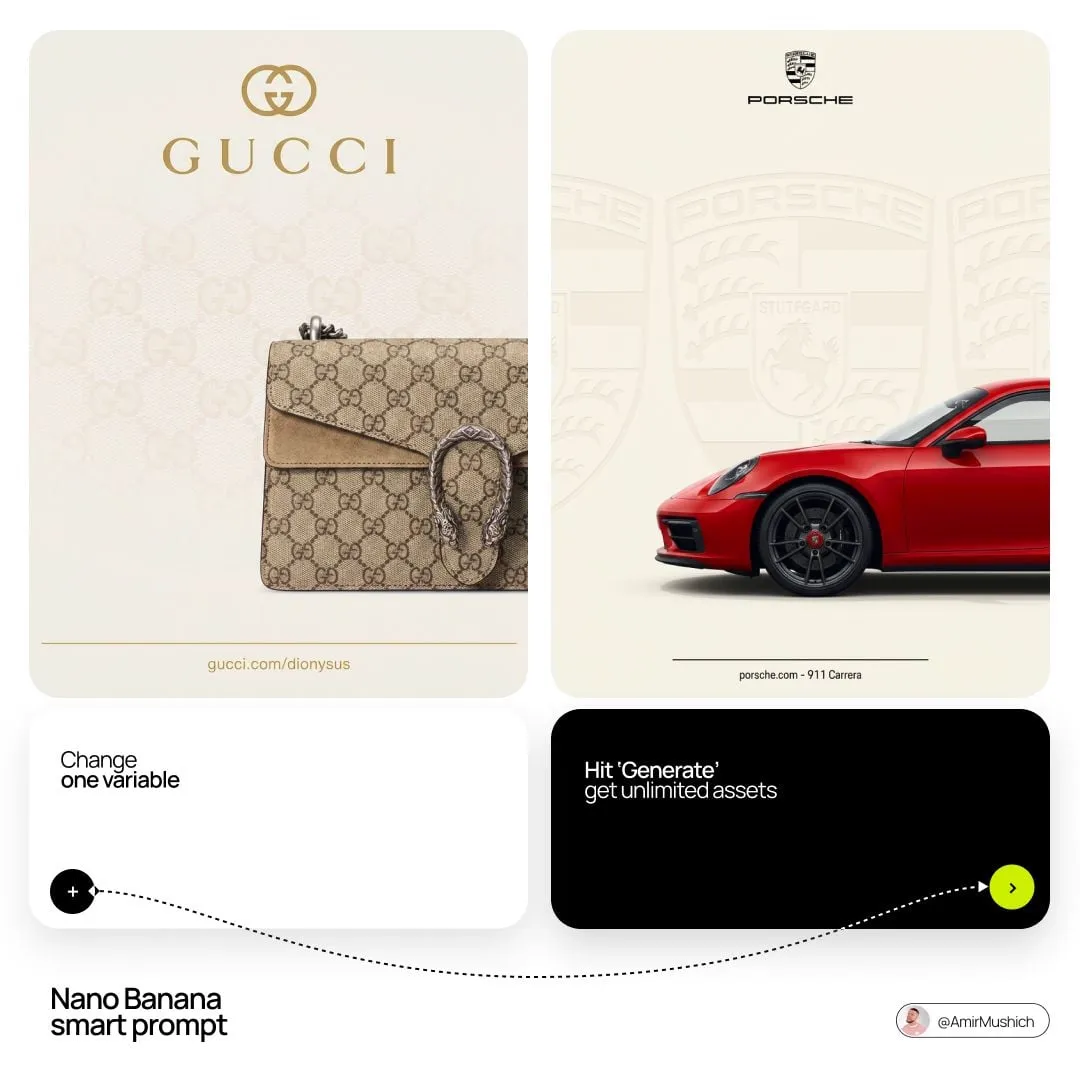
Images are easier to control than text prompts. When you start from an existing image, you already know the composition, the colors, and the mood. The AI's job is to add motion, not to invent the whole scene. This gives you much more predictable results and keeps your brand identity intact.
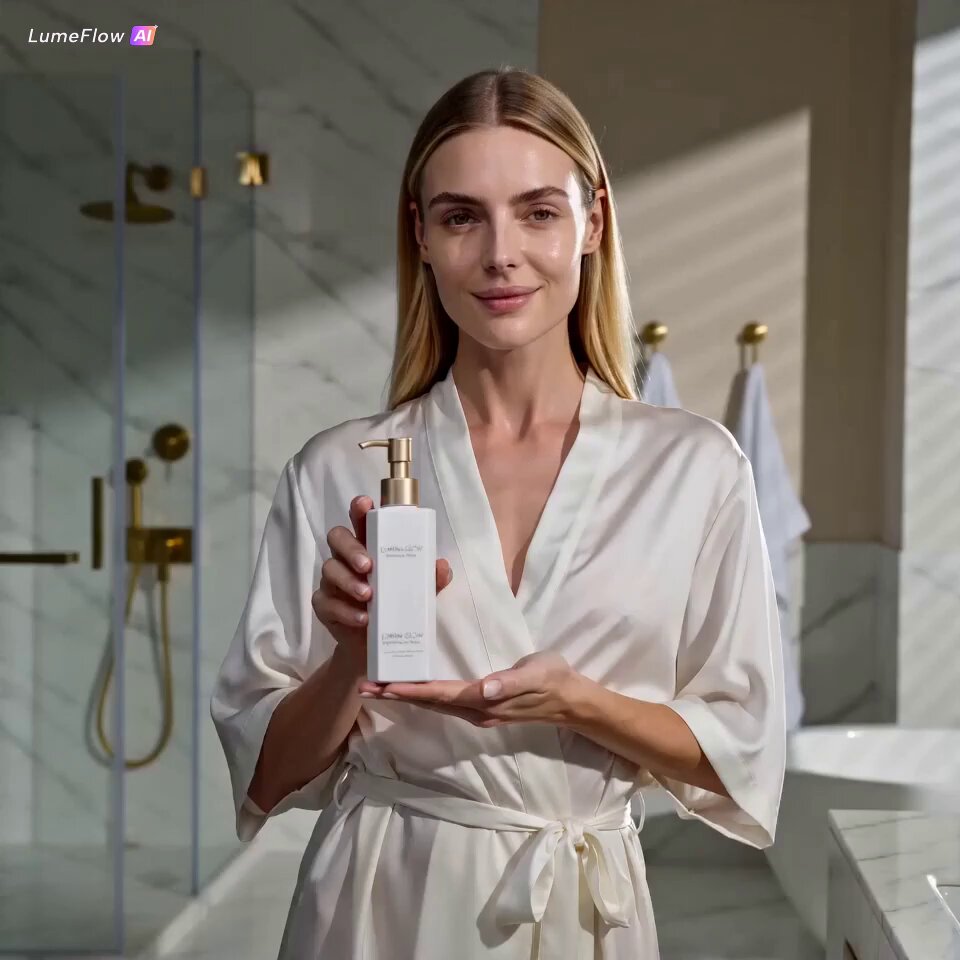
Think about the assets you already have: product photos, illustrations, portraits, screenshots. Every one of them is a potential video. The key is to choose the right starting point and add the right kind of motion.
Building a consistent visual identity
Viral accounts don't look random. They have a recognizable aesthetic — a color palette, a framing style, a mood. Before you start converting images, define your visual rules.
Choose your palette and style
Decide on the colors, lighting, and overall mood of your content. If you're not sure where to start, an AI image generator can help you create consistent backgrounds, character references, and stylistic templates. Use these as the foundation for every video.
Create character references
If your content features people or mascots, generate reference images of the same character from different angles. These references become the anchor for every scene, so your character never drifts between videos.
Adding motion: from image to video
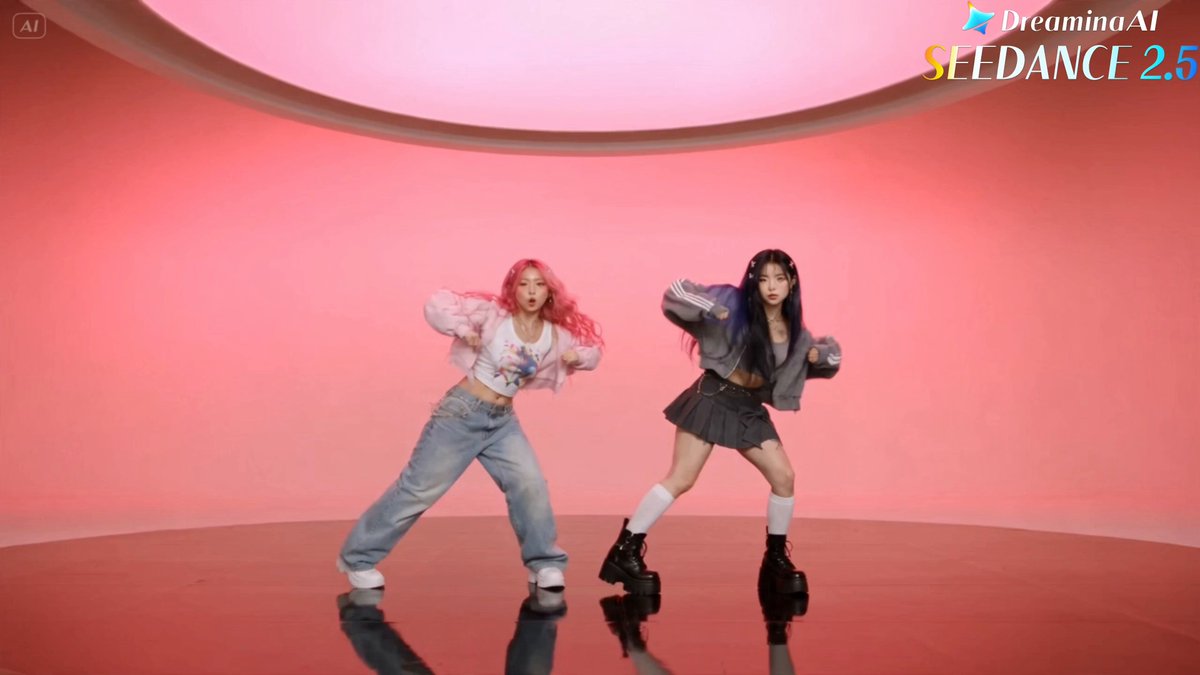
The core step is converting your static image into a moving clip. The best tool for this is an image-to-video converter. You provide the image, describe the desired motion, and the AI generates a short animated sequence.
Types of motion that work well
- Slow camera push-in: creates intimacy and focus.
- Lateral pan: reveals the scene gradually.
- Parallax effect: different layers move at different speeds.
- Object animation: the subject moves while the background stays stable.
- Zoom out: reveals context and surprise.
Start with simple, subtle motions. They look professional and are less likely to produce artifacts.
Crafting the hook: the first three seconds
On TikTok, you have about three seconds to earn the viewer's attention. The hook matters more than anything else. When you plan your video, decide what happens in the first frames: a striking visual, a bold text overlay, a sudden motion.
Text overlays
Most viewers watch without sound. Add a text overlay early that states the payoff: "Watch this photo come to life" or "The story behind this image." Keep it short and specific.
Visual curiosity
Start with a partially hidden or slightly zoomed version of your image, then reveal it. Curiosity is a powerful driver of retention.
Sound design for short-form content
Sound is half the experience on TikTok. A trending audio track can boost discovery, while the right sound effect can make a simple motion feel impactful. Plan your audio track at the same time as your visuals.
If you create your own voiceover, keep sentences short and energetic. If you use music, pick a track that matches the pacing of your cuts. Consistent audio choices also become part of your recognizable style.
A repeatable workflow
Here's the process I recommend for producing image-based videos regularly:
Step 1: Select and prep the image
Choose a strong image, crop it for vertical format, and adjust brightness and contrast if needed.
Step 2: Define the motion
Decide what kind of movement serves the story. Simple is often better.
Step 3: Generate the clip
Convert the image to video and generate 2–3 variants. Compare and pick the best.
Step 4: Add hooks and text
Add the opening hook, captions, and any on-screen text. Keep the message clear and punchy.
Step 5: Mix audio and export
Add music or voiceover, check the pacing, and export in the right format for TikTok.
Tools like an AI video generator and a text-to-video option can speed up steps 3 through 5 considerably. Having a directory of AI tools at hand helps you pick the right one for each step.
Common mistakes and how to avoid them
Motion overload
Too much movement makes videos look chaotic. Start subtle, build confidence, then experiment.
Inconsistent style
If every video looks different, you're not building a brand. Fix your visual rules and stick to them.
Missing hooks
A video without a strong opening gets scrolled past. Design the first three seconds deliberately.
Ignoring analytics
TikTok gives you detailed retention data. Study where viewers drop off and adjust your format.
Scaling up
Once your workflow is stable, scale it. Batch-produce several videos in one session. Create a library of reusable image assets. Test different hooks for the same visual and keep what works. Over time, you'll develop a system where fresh content is a matter of routine, not panic.
Conclusion
Transforming images into TikTok videos is one of the most efficient ways to maintain a consistent short-form presence. Start with your existing visual assets, define a clear style, add deliberate motion, and build a repeatable workflow.
Don't wait for the perfect video. Pick one image today, give it a simple motion, and post it. Momentum beats perfection.
