
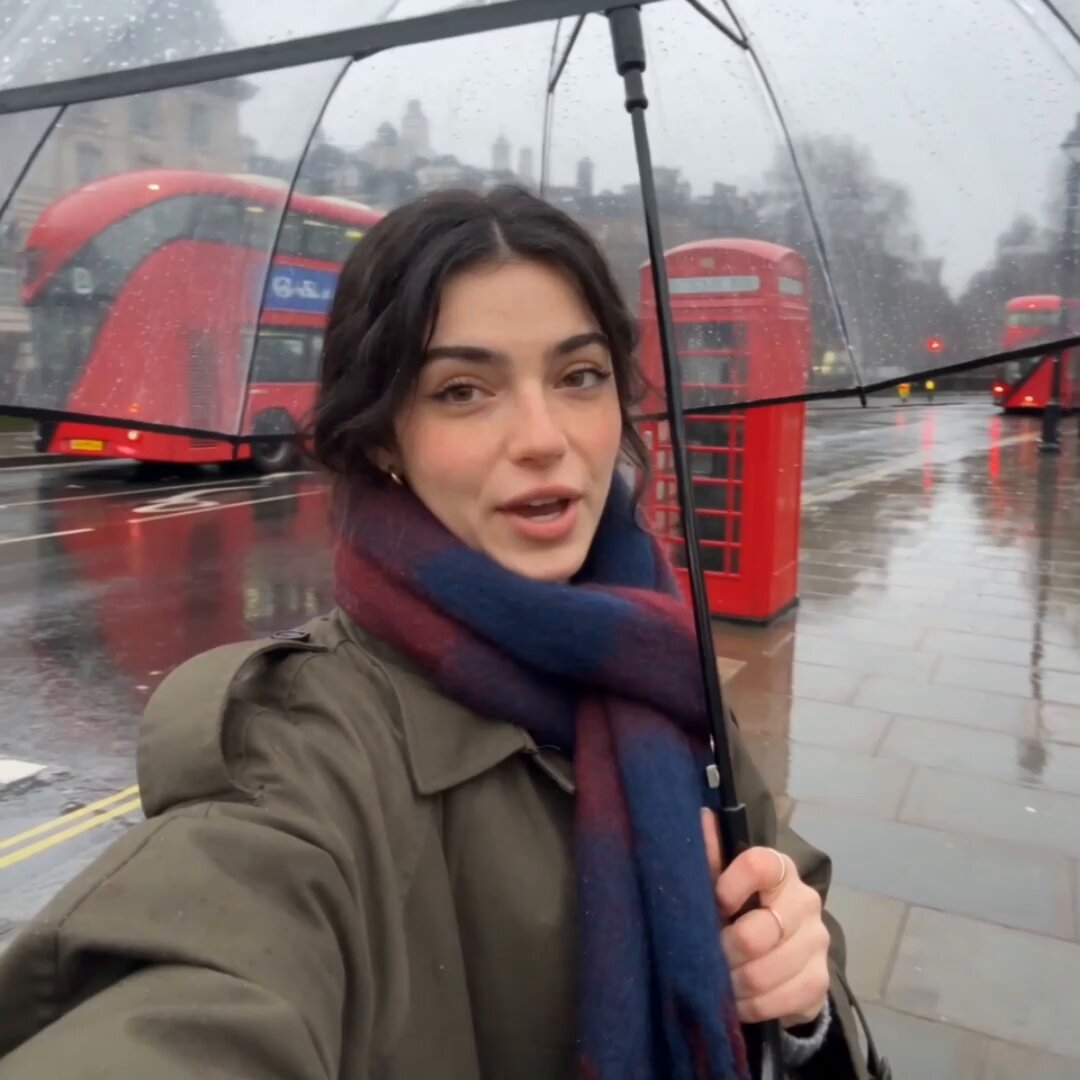
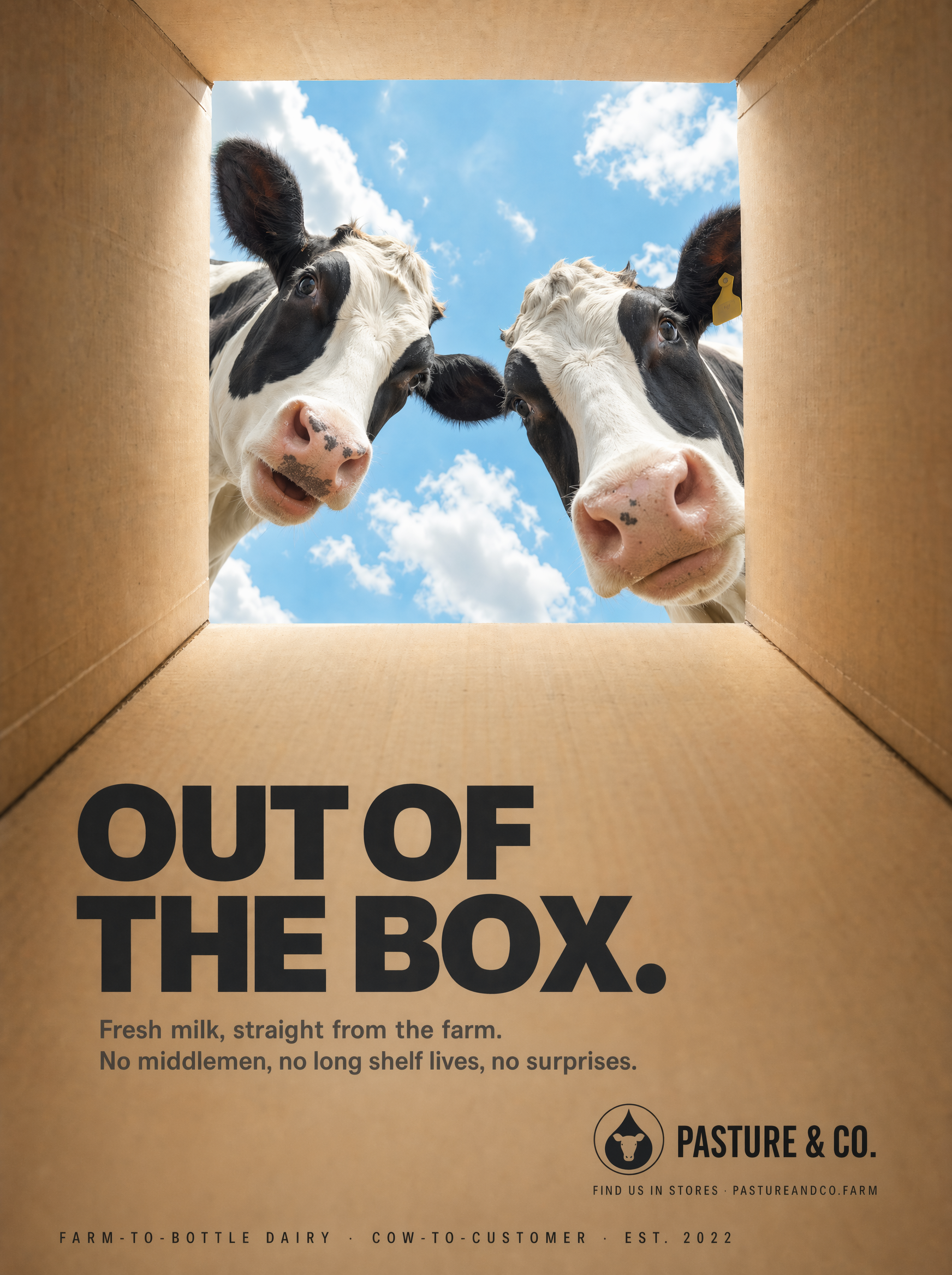
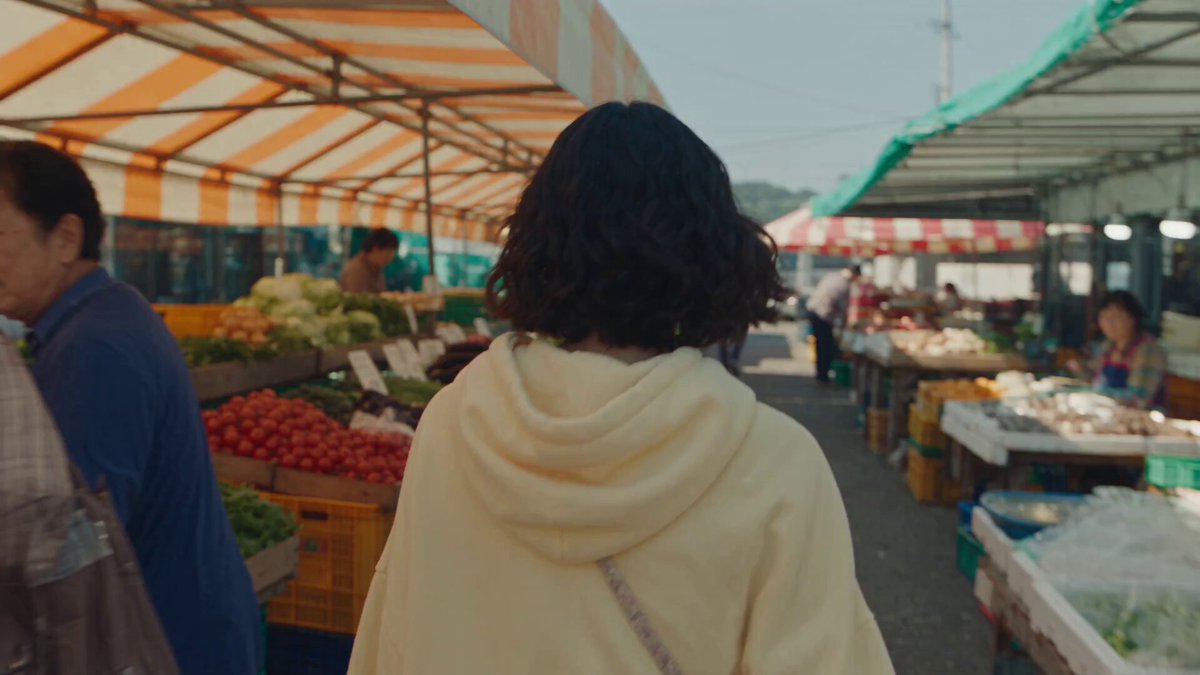
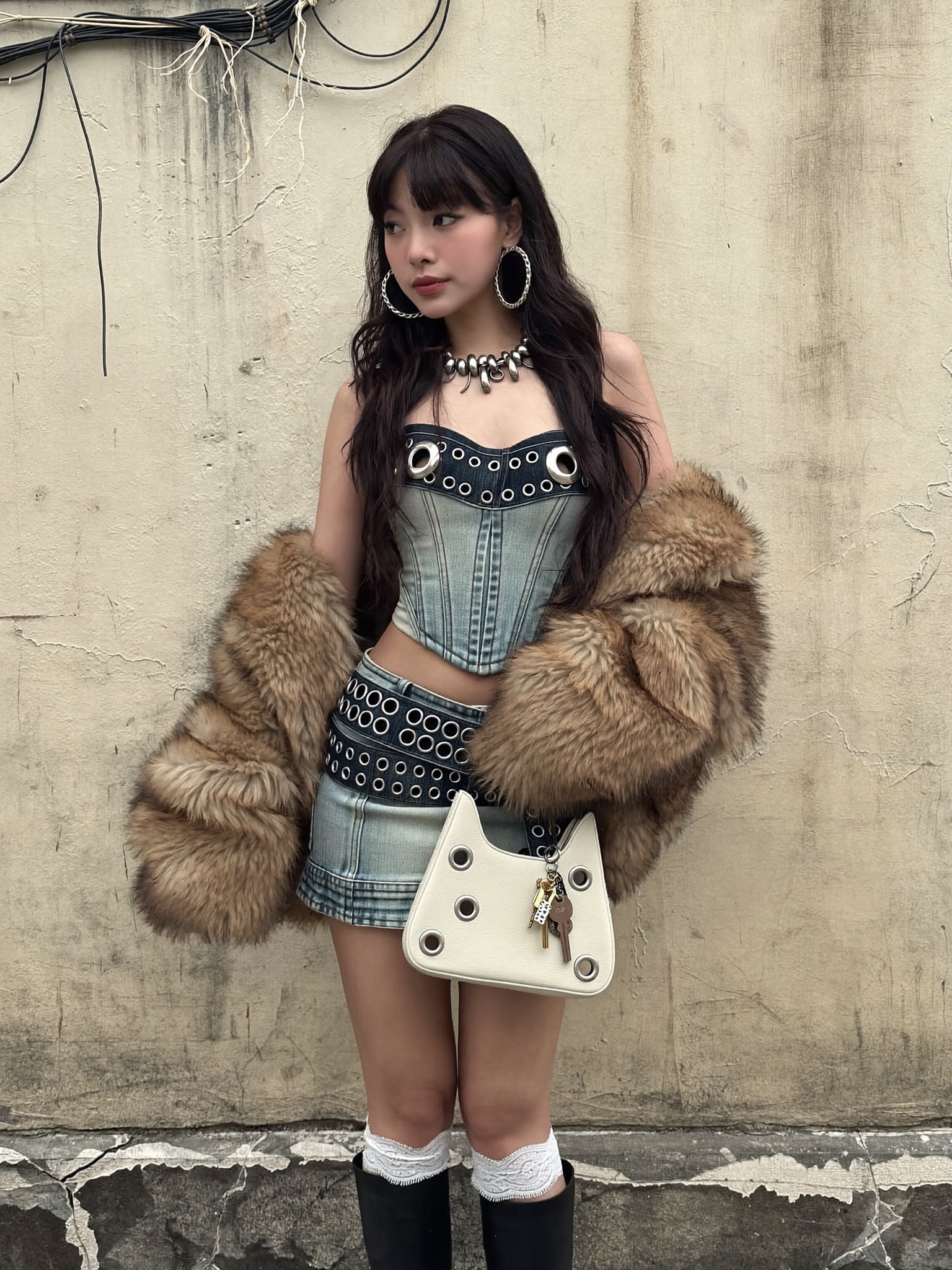
Image-to-video generation has quietly become the most practical entry point into AI filmmaking. Instead of describing an entire scene in text and hoping the model invents something coherent, you supply a frame you already control — a character portrait, a product render, a matte painting — and ask a model to set it in motion. The result is a hybrid craft: part prompt engineering, part traditional cinematography, part editorial judgment.
This guide is a comparison framework rather than a leaderboard. Model names change, versions iterate, and last quarter's champion becomes this quarter's baseline. What stays stable are the evaluation axes, the workflow habits, and the failure modes. Learn those, and you can evaluate any new generator in an afternoon.
What "Image-to-Video" Actually Means Today
The label covers several distinct technical approaches, and knowing which one you are using explains most of the surprises you will hit.
Single-frame conditioning. You provide one still, and the model extrapolates forward. This is the classic case. The model invents camera movement, subject motion, and lighting changes from a static starting point. It is powerful for landscapes, establishing shots, and portraits where the subject does not need to do much beyond breathe, blink, or turn slightly.
First-and-last-frame conditioning. You provide a start frame and an end frame, and the model interpolates the motion between them. This is dramatically more controllable for product reveals, matches, and any shot where you know the destination. If a tool supports it, use it — it converts guesswork into direction.
Multi-reference and identity conditioning. You supply character images, style references, or object references separately from the composition frame, and the model maintains those identities across motion. This is the approach that finally made recurring characters viable, and it is where most of the interesting capability differences live.
Image-plus-motion-brush conditioning. Some tools let you paint a motion direction on the still — an arrow for the camera, a region for the subject. This gives you crude but fast control that often beats a paragraph of prompt text.
Duration matters as much as method. Clips commonly land between two and ten seconds. Longer generations drift: faces morph, backgrounds crawl, hands multiply. A reliable workflow treats a generation as one shot of a few seconds, not as a scene.
The Six Axes That Predict Real-World Results
Marketing pages list features. Production teams care about six axes. When you test a new generator, score it on each one with your own footage rather than trusting demos.
1. Motion fidelity and physical plausibility
Does the subject move the way mass actually moves? Watch for weight. A cloak should lag behind the body. A liquid pour should accelerate. A vehicle should not slide as if on rails. Models that nail plausible physics also tend to handle occlusion correctly — an arm passing in front of the torso should not dissolve.
A fast test: generate a clip of someone standing up from a chair. This simple action exposes weak models immediately, because it requires joint articulation, weight transfer, and clothing deformation all at once.
2. Frame-to-frame and cross-shot consistency
Consistency has two layers. Within a clip, does the image stay stable — no flickering textures, no identity drift, no wardrobe changes? Across clips, can you cut two generations of the same character together without the audience noticing a different person?
Test within-clip stability by examining the background at 100 percent zoom. Backgrounds are where instability shows first, because models spend most of their capacity on the subject.
3. Prompt adherence and camera control
Some models respond beautifully to "slow dolly in, shallow depth of field, subject turns to camera on the third beat." Others ignore everything but the subject description. Camera vocabulary is the highest-leverage prompt language in this medium, and support varies wildly. Test a dolly, a pan, a crane, and a static shot. Note which instructions the model honors and which it silently drops.
4. Input flexibility and reference control
How many reference images can you supply? Can you separate character identity from style? Can you lock a color palette or a product shape? Tools that support multi-reference conditioning with distinct roles — identity, style, composition — save enormous rework on series content.
5. Latency and iteration speed
The best generator is often the one that lets you try twelve ideas instead of three. A model producing a beautiful clip in eight minutes may lose to a model producing a good-enough draft in forty seconds, because you can iterate the draft and then finish the winner on the slow model. Treat fast and slow tiers as collaborators, not competitors.
6. Resolution, aspect ratio, and cost predictability
Check native output resolution, supported aspect ratios, and whether upscaling is built in or a separate pass. Then model cost per finished second, not per generation. A cheap model that needs nine attempts to get one usable clip is expensive. Track attempts-per-accepted-shot as your real efficiency metric.
How Model Families Differ in Practice
Generators cluster into recognizable families. Understanding the family tells you what a model is good at before you read a single feature list.
The cinematic photoreal family
These prioritize filmic texture: natural grain, believable depth of field, controlled highlights. They excel at establishing shots, mood pieces, and anything that needs to look like it was shot on a real camera. They are usually slower and more expensive, and they often struggle with stylized or graphic content because their priors pull everything toward realism.
The stylized animation family
Built for illustration, anime, and 2D-influenced aesthetics. They handle line work, flat color, and exaggerated motion well, and they often preserve artistic intent better than photoreal models that treat a drawing as a texture to be re-rendered. If your source stills come from an illustration pipeline, test these first.
The fast-draft family
Lower resolution, shorter durations, aggressive optimization. Their job is exploration. Use them to find the shot, then move the winning frame and prompt to a higher-fidelity model for the final pass. Teams that skip this tier tend to over-spend on rejected ideas.
The multimodal reference family
These accept multiple image inputs with defined roles, and sometimes audio or depth cues as well. They are the strongest choice for episodic content, product lines, and anything requiring a character to appear repeatedly. The tradeoff is prompt complexity — you must keep reference roles clean, or the model blends them.
A Repeatable Production Workflow, Start to Finish
A workflow beats a tool. Here is one that scales from a single social clip to a multi-shot sequence.
Step 1: Prepare the still like a cinematographer
Garbage in, morphing out. Before generating, fix the frame:
- Resolution: feed the model a still at or slightly above its native output size. Tiny inputs force upscaling artifacts; enormous inputs waste time and sometimes get downsampled unpredictably.
- Composition: leave room where the motion will travel. If the camera pushes in, do not crop tight to the subject.
- Lighting: commit to a direction. Ambiguous lighting makes every generated frame guess differently.
- Anatomy: fix hands, eyes, and teeth in the still. Models rarely repair defects; they animate them.
- Clean edges: remove stray background elements you do not want the model to animate as foreground subjects.
Step 2: Write motion-first prompts
Text prompts for image-to-video should describe change, not appearance. The appearance is already in the image. Structure your prompt in four parts:
- Subject action — what moves and how.
- Camera behavior — dolly, pan, handheld, locked off.
- Pacing — slow, urgent, ease-in, ease-out.
- Atmosphere — particles, wind, rain, flicker, none.
For example: "Subject slowly lifts head and exhales; camera pushes in gently; unhurried pace with a soft ease-out; light snow drifting, hair moving slightly in the wind." Short, concrete, and ordered from most to least important.
Step 3: Test cheap, finish expensive
Generate six to ten drafts at the lowest acceptable quality. Judge them on motion only — ignore texture, noise, and sharpness. Promote the two best prompts to a high-fidelity pass at production resolution. This two-tier approach typically cuts total generation time by half while raising the quality of the approved shot, because you are spending your best compute on ideas you already know work.
Step 4: Keep a shot ledger
Maintain a simple table with one row per shot: shot ID, source still path, prompt text, model used, settings, attempt number, verdict, and notes. Six weeks later, when a client asks for a variation, the ledger is the difference between a twenty-minute job and a full re-exploration. Log the failures too — a documented bad prompt is a reusable asset.
Step 5: Assemble, sound, and grade
The generation is raw material, not a finished shot. Edit for rhythm first. Add sound design — footsteps, cloth, ambient bed — because sound does more to sell believable motion than another generation pass ever will. Finally, apply a consistent grade across all clips. A unified look hides small inconsistencies in color temperature and contrast between generations, and it makes multi-model pipelines feel like one camera.
Prompt Patterns for Reliable Motion
A few patterns reliably improve results across most generators.
Anchor the camera, then move it. Start by stating the shot type, then the movement: "medium shot, static, then slow tilt up." Models that receive only a movement instruction often apply it to the subject instead of the camera.
Use verbs of degree. "Slightly," "gradually," "barely" produce more natural motion than absolutes. Asking for a "dramatic turn" often yields a snap that looks like a rendering error.
Name the medium. "Shot on 35mm with shallow depth of field" or "cel animation with limited frames" steers texture as well as motion.
Constrain the duration of the action. "The subject turns to camera in the final second" gives the model a timing target and reduces motion that starts too early.
Negative constraints, used sparingly. One or two exclusions help — "no camera shake, no zoom." Long negative lists tend to confuse models and produce the very artifacts you named.
Quality Control Checklist Before You Accept a Shot
Run every accepted clip through the same checks. It takes thirty seconds and prevents embarrassing revisions.
- Identity: does the face, hair, and wardrobe match the reference frame at the start and the end?
- Background: zoom to 100 percent. Any crawling textures, melting objects, or shifting geometry?
- Edges: check hair, fingers, and thin objects for halo artifacts or dissolving outlines.
- Motion physics: does anything move without weight or reverse direction mid-clip?
- Camera: is the movement smooth and intentional, or does it drift and correct?
- Duration: does the clip have a usable head and tail for editing, or does it start mid-action?
- Continuity: if this shot follows another, do lighting direction and color temperature match?
Common Mistakes That Waste Time and Compute
Overloading the prompt. Ten clauses produce compromise motion. Three clauses produce the shot you asked for.
Chasing motion in the still. If the composition does not suggest the action you want, generate a new still. It is cheaper than fighting a bad source frame.
Ignoring aspect ratio during generation. Generating widescreen and cropping to vertical destroys composition. Generate in the delivery ratio.
Reusing one seed across unrelated shots. Reproducibility is valuable within a shot family, but consistent seeds across different scenes can flatten variation and produce a monotonous sequence.
Skipping the sound pass. Silent AI clips feel synthetic. Sound design is the fastest quality upgrade available.
Not versioning prompts. Save prompts as text files or in your ledger. Untracked prompt tweaks are unrecoverable knowledge.
Choosing the Right Generator for Your Use Case
Match the tool to the job rather than to the demo reel.
- Product and commercial work: prioritize shape stability, clean edges, and reliable camera moves. Photoreal families with first-and-last-frame conditioning win here.
- Narrative series with recurring characters: prioritize multi-reference identity conditioning and cross-shot consistency over raw beauty.
- Social-first short clips: prioritize speed and vertical output. Iteration volume matters more than per-clip polish.
- Illustration-driven projects: prioritize stylistic fidelity. Test that the model preserves line weight and palette rather than "realizing" your art.
- Previsualization: prioritize fast drafts and loose control. You are communicating an idea, not delivering a master.
If two tools tie on quality, choose the one with better iteration speed and clearer output specifications. Your throughput will thank you.
Troubleshooting When the Output Falls Apart
The subject morphs mid-clip. Reduce duration, simplify the action, and remove secondary motion from the prompt. Morphing usually means the model is being asked to change too much at once.
Everything flickers. Reset the resolution to the model's native output and remove any "high detail" or "sharp" language from the prompt. Over-specified texture instructions often create temporal noise.
The camera ignores you. Move the camera instruction to the beginning of the prompt and state the shot type first. If it still fails, use a motion brush or a first-and-last-frame pair.
Motion is too fast. Add pacing words like "slow" and "gentle," shorten the described action, and reduce the clip length so the model has fewer frames to fill.
Colors shift between shots. Lock a grade after generation and, where supported, provide a style reference image for color. Also check that your source stills share a consistent white balance before generation.
FAQ
How long should an image-to-video clip be?
For most models, two to five seconds is the sweet spot for stability. Longer clips are possible but usually require a strong source frame, simple motion, and a model that handles extended duration well. For final output, cut several short generations together rather than pushing one long one.
Do I need a text prompt if I already have an image?
Yes, in almost every case. The image defines appearance; the prompt defines change. Without motion guidance, models default to generic drift — slow zooms and ambient movement that rarely match your intent.
What resolution should my source still be?
Match or slightly exceed the model's native output resolution. Feeding a much larger image rarely improves detail and can slow generation or introduce downsampling artifacts.
Can I use the same character across multiple shots reliably?
With multi-reference conditioning, yes — provided you keep the identity reference consistent and avoid mixing styles in the same reference set. Expect to do a pass of color grading to unify the shots afterward.
Why does a beautiful still produce a mediocre clip?
Usually because the composition leaves no room for motion, the lighting is ambiguous, or the prompt asked for too much. Beautiful stills are often static by design; motion needs negative space and a clear direction of travel.
Is upscaling worth it?
Only after you have approved the motion and the consistency. Upscaling a clip with a morphing face just produces a sharper morph.
How do I compare two tools fairly?
Use the same source stills, the same three prompts, and the same output settings. Score each on motion fidelity, consistency, prompt adherence, and attempts-per-accepted-shot. Ten minutes of structured testing beats an hour of watching demo reels.
What is the single biggest quality lever?
Source frame preparation. Teams that invest in clean, well-lit, correctly composed stills consistently outperform teams that invest in elaborate prompts over weak images.
Where This Workflow Goes Next
The competitive advantage in image-to-video is no longer access to a specific model. Capability converges quickly, and today's differentiators become tomorrow's defaults. What compounds is process: a curated library of prepared stills, a documented prompt vocabulary tuned to your visual style, a shot ledger that turns every experiment into reusable knowledge, and a finishing pipeline with sound and grading that makes multi-model output look like a single production.
Start small. Pick one shot you need, prepare the still carefully, write a four-part motion prompt, generate ten fast drafts, promote the best two, and finish one at full quality. Then write down what worked. Do that five times and you will have a personal comparison framework more useful than any published ranking — because it will be measured against your footage, your deadlines, and your taste.
