
Why Still Images Became the Fastest Route to Video
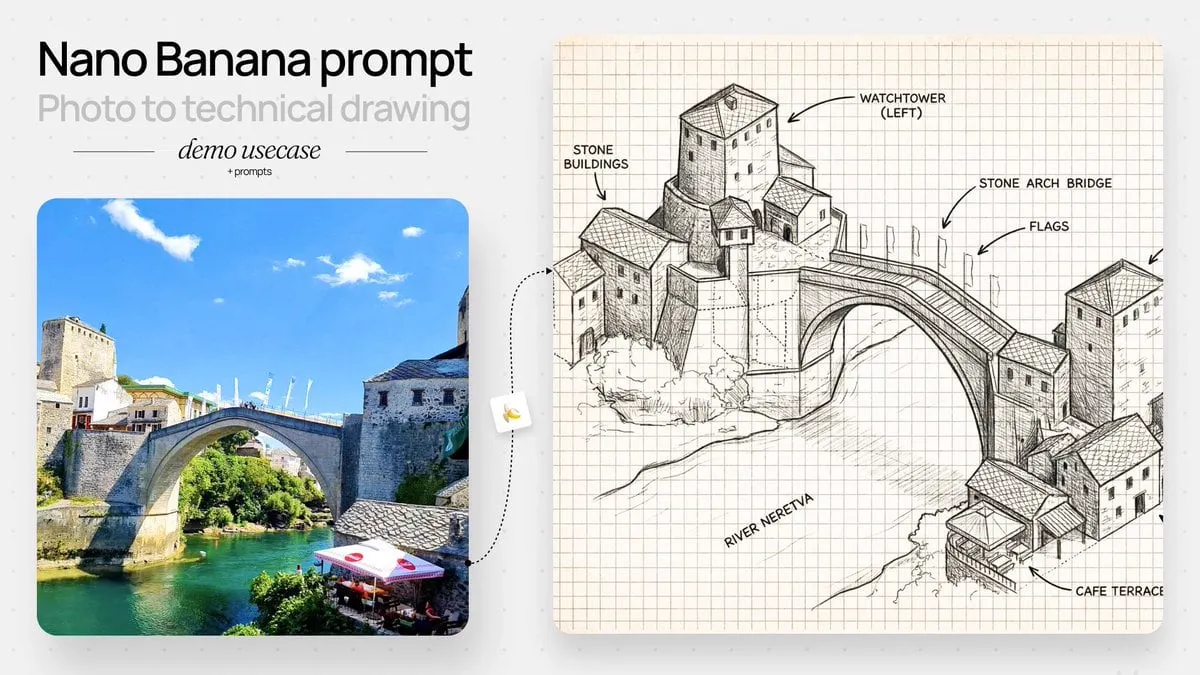
For decades, a photograph was a dead end in production. You could place it on a timeline, add a slow push-in, and call it a documentary beat, but you could not make the subject turn their head, blink, or step into frame. That constraint has quietly disappeared. Modern image-to-video models take one carefully chosen frame and extrapolate several seconds of plausible motion from it, complete with camera drift, shifting light, and physical continuity.
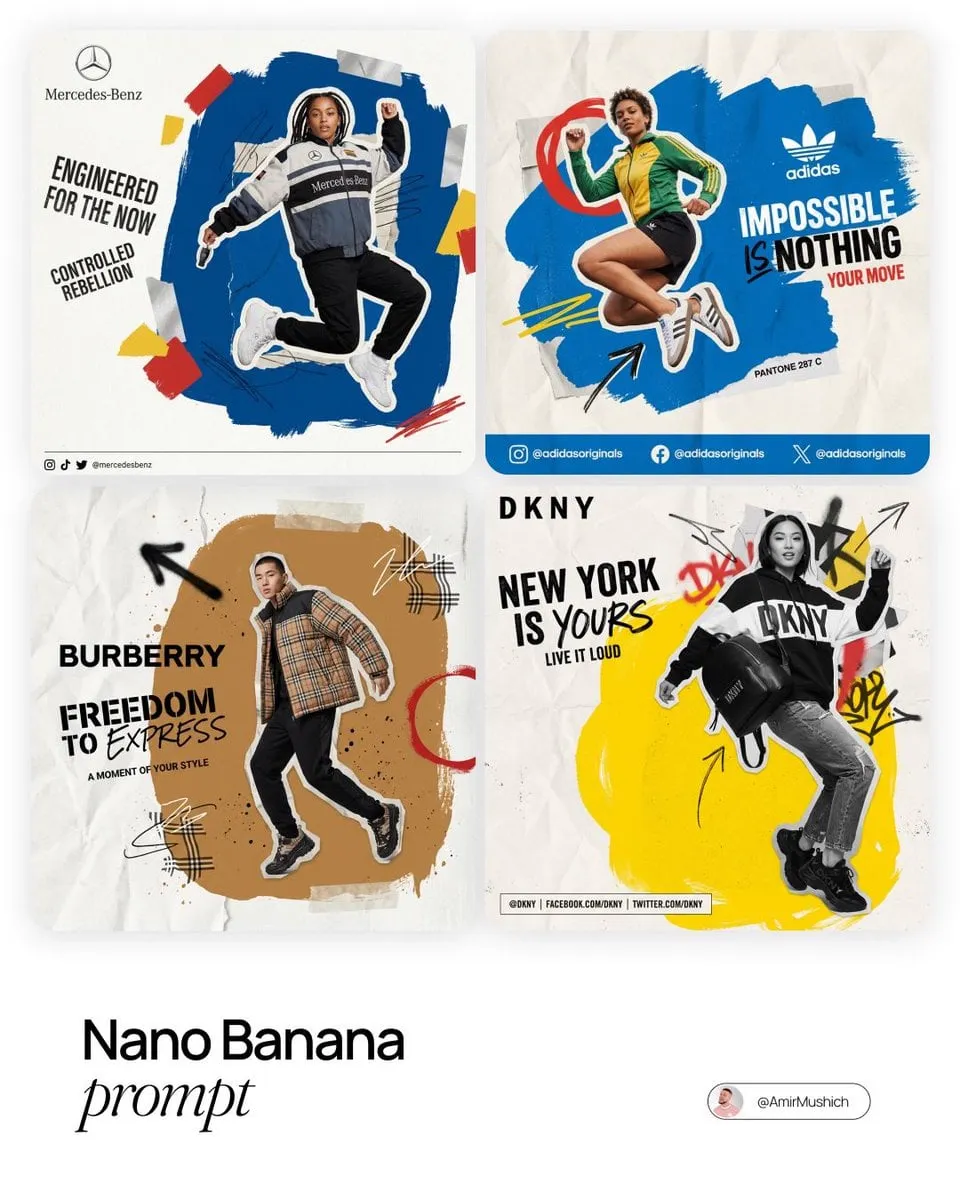
The practical consequence is that the still image has become a storyboard that shoots itself. A photographer with a deep back catalogue, an e-commerce team with product renders, an independent filmmaker with concept art, and a social team with a single hero visual all now start from the same place: one frame, then motion.
That does not make the work effortless. The model is guessing, and it guesses from the clues you give it. Composition, light direction, subject isolation, and prompt wording all shape whether the result looks like a shot from a film or a melting wax figure. Creators who get consistent results are not using secret tools. They treat image-to-video as a pipeline with inputs, checks, and fixes rather than a slot machine. The sections below lay out that pipeline and explain how to choose between the current generation of models.
How Image-to-Video Models Actually Work
Understanding three mechanics removes most of the frustration.
First, the source image is a hard constraint on frame one and a soft suggestion afterwards. Identity, wardrobe, and colour are anchored at the start; from there the model predicts motion in latent space, frame by frame, reusing features from previous frames to keep things temporally consistent. The longer the clip, the more the prediction drifts. Five seconds is usually comfortable. Ten seconds often needs a second pass or a chained extension.
Second, models do not understand verbs the way a camera operator does. They understand visual patterns associated with motion: blur direction, limb angles, pose sequences, fabric behaviour. A prompt like she walks forward works because training data contains walking. A prompt like she walks forward with the nervous energy of someone late for a train works better, because it pulls toward a specific set of body-language patterns.
Third, resolution and aspect ratio are structural, not cosmetic. A square crop removes peripheral context the model uses to infer depth. Ultra-wide frames give it more scene to animate but smaller subjects. Most models have native aspect ratios, and stretching a source into a non-native ratio invites warping around the edges.
Finally, randomness is real. The same image and prompt produce different clips from different seeds. Locking a seed lets you refine a prompt while keeping a good take; changing the seed lets you explore. Treat both as deliberate tools, not as luck.
The Current Model Landscape by Creative Goal
No single model wins every shot, and the fastest way to waste a day is to force one tool to do work it was not designed for. Group the options by what they are actually good at.
PixVerse for energetic, stylised motion
PixVerse has become a default choice for creators who want visible energy in the frame. It handles fast subject action, dynamic camera moves, and stylised transformations with confidence, and its recent iterations have improved detail retention in faces and hands. It suits short-form social cuts, anime-inflected sequences, and effects-driven shots where the motion itself is the point.
Runway for cinematic control
Runway's generation line is built for people who think in shots rather than clips. Expect a useful camera-movement vocabulary, strong colour and grain handling, and a surrounding editing toolkit for inpainting, keyframing, and compositing. If you are building a trailer, a narrative sequence, or an ad spot where the look has to stay consistent across several shots, this is where control pays off.
Sora and Kling for complex scenes
Sora is strongest on long, physically complicated scenes where multiple actions interact, and it holds object permanence well across a shot. Kling leans toward smooth, high-fidelity motion and character stability, which makes it useful for dialogue-adjacent scenes, product spins, and anything where a face must stay recognisable. Both tend to be heavier per generation and slower to iterate, so reserve them for hero shots.
Hailuo and Luma Ray for physical realism
MiniMax Hailuo's recent versions are notable for believable weight, cloth, and material behaviour. Luma's Ray family produces smooth, plausible camera moves and clean exposures. These are the models to reach for with real-estate walkthroughs, automotive footage, nature plates, and any shot where the audience will judge physics rather than spectacle.
Pika and Vidu for multi-reference and animation work
Pika's line specialises in playful transformations and quick iteration, which makes it ideal for exploratory work and meme-adjacent content. Vidu is strong with reference-driven character consistency and anime aesthetics, so it fits series work where the same character has to appear repeatedly in a recognisable form. When you have multiple reference images of one character, reference-driven models beat prompt-driven ones almost every time.
Open-source options: Hunyuan and Wan
If you need local deployment, custom fine-tuning, or a private pipeline, open weights matter more than leaderboard position. Hunyuan Video and the Wan family can run on consumer hardware with quantisation, at the cost of setup time, manual parameter tuning, and owning your own infrastructure. For studios with compliance requirements, that trade is often worth it.
A Decision Framework for Choosing a Model
Rather than ranking tools, decide in this order.
What does the shot need to be?
If the shot is a hero moment, such as a reveal, a transformation, or a product turntable, prioritise fidelity and detail retention even if iteration is slow. If the shot is one of twenty in a fast social edit, prioritise iteration speed and stylistic punch. Most disappointment comes from applying hero-shot standards to filler shots.
How much control do you need?
Ask whether you need to specify camera path, motion intensity, or subject timing. Some models expose those as parameters; others only respond through prompt language. If you are matching a live-action plate, control beats raw quality every single time.
What are your hard constraints?
Consider clip length, aspect ratio, character consistency across a series, and deployment requirements. If footage must stay on-premise, open weights are not optional. If you need vertical output at scale, check native support before committing.
| Priority | Likely best fit | Why |
|---|---|---|
| Stylised, high-energy shorts | PixVerse | Strong motion, fast iteration |
| Narrative sequences | Runway | Shot-level control and consistency |
| Complex multi-action scenes | Sora, Kling | Long-scene coherence |
| Physical realism | Hailuo, Luma Ray | Weight and material behaviour |
| Character consistency | Vidu, Kling | Reference-driven identity |
| Local or private pipelines | Hunyuan, Wan | Open weights, self-hosted |
Preparing a Source Image That Animates Cleanly
The quality ceiling of your clip is set before you type a prompt. Most weak results trace back to the source frame.
- Resolution. Upscale the still to the model's native size before generating, not after. A clean 2K source beats a soft 4K source every time.
- Composition. Leave room in the direction of travel. A subject facing the frame edge will get pushed out of shot, and a model given no space will invent awkward movement.
- Lighting. One clear light direction gives the model a consistent cue. Flat, shadowless lighting produces flat, lifeless motion.
- Subject scale. Faces smaller than roughly eighty pixels across lose detail quickly. Crop tighter or accept a wider, less expressive shot.
- Cleanliness. Remove watermarks, baked-in text, and heavy compression artefacts. The model amplifies whatever you feed it, including noise.
- Sharpness. Motion-blurred stills animate poorly. Use a sharp frame and let the model add the motion blur itself.
- Colour. Generate from a neutral grade, then grade the finished clip. Heavy stylisation in the source limits how far you can push the result afterwards.
Prompting Motion Instead of Describing the Picture
A common mistake is writing an image prompt again. The model already has your image; what it needs is direction. A reliable structure is subject, primary action, secondary motion, camera, environment behaviour, and constraints.
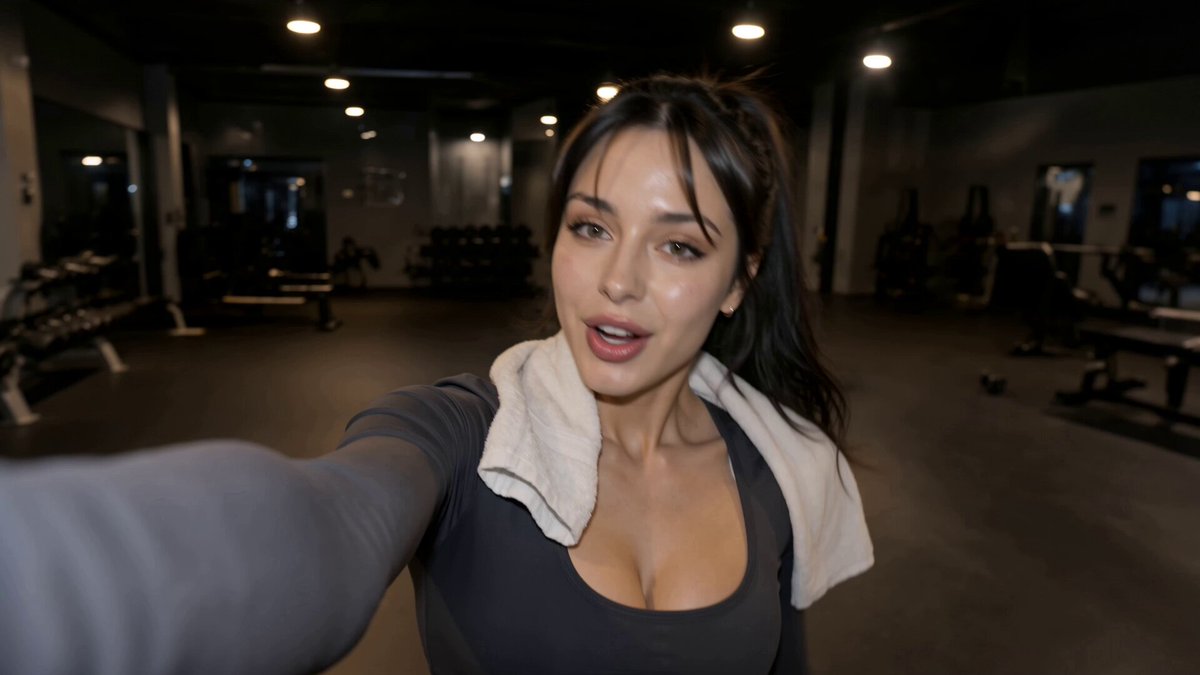
Portrait example: Woman slowly turns her head toward camera, hair shifts with the turn, subtle breathing, shallow depth of field; camera: very slow dolly in, 35mm, natural window light; keep facial features stable.
Landscape example: Clouds move left to right across the valley, mist drifts upward between trees, distant birds cross the frame; camera: slow drone rise, wide 24mm; golden hour.
Product example: Bottle rotates ninety degrees clockwise on a matte surface, reflections follow the rotation, slight condensation shimmer; camera: locked-off macro, soft box lighting.
Three rules make these work. First, one primary action per clip; two competing actions produce muddled motion. Second, use words with physical consequences, such as drifts, snaps, settles, or unfolds. Third, describe what should stay still, because the model will otherwise animate the background for no reason. Keep prompts under about sixty words; longer text dilutes attention rather than adding control.
A Repeatable Production Workflow
Once you have a model shortlist, the workflow matters more than the tool.
- Write a shot list. One sentence per shot, describing action and camera only. If you cannot describe the shot in a sentence, it is two shots.
- Prepare and upscale sources. Normalise aspect ratios and colour before generating.
- Run a cheap motion test. Generate a short, low-cost version first to confirm the model understands the scene before spending time on full-quality takes.
- Generate three to five full variants. Vary the seed, keep the prompt fixed. This tells you how much of the result is prompt-driven versus chance.
- Review at two scales. Watch full-screen for overall motion, then at one hundred percent for face, hand, and edge artefacts.
- Lock the seed and refine. Once a take works, keep its seed and adjust only the wording you want to change.
- Extend or chain. Export the final frame of a clip and use it as the source for the next clip when a shot must run longer.
- Upscale and interpolate. Finish with resolution enhancement and frame interpolation.
- Assemble, sound, and grade. Edit to rhythm, add foley and room tone, then apply a single consistent grade across all AI shots.
Chaining shots without visible drift
Chaining works best with overlap. Generate the first clip, extract its last frame, generate the second clip from that frame, then trim both clips so they overlap by a few frames and cross-dissolve. Expect gradual drift in colour and detail across three or four links, so regrade the chain as one unit rather than clip by clip.
Troubleshooting: Common Artifacts and Their Fixes
- Melting faces. Usually caused by large head rotations or undersized sources. Slow the action, upscale the source, and add a stability constraint to the prompt.
- Texture crawl. High-frequency detail such as foliage, knitwear, or gravel confuses temporal prediction. Reduce motion intensity, shorten the clip, or soften those areas slightly in the source.
- Extra limbs. Ambiguous poses invite invention. Choose a source with a clear silhouette and describe limb position explicitly.
- Background warping. Strong subject motion plus a static background creates contradictions. Lock the camera and state that the background remains still.
- Colour shifts mid-clip. Generate shorter segments, grade them together, and avoid hallucination-prone lighting descriptions.
- Stutter or jitter. Predicted motion beats read as judder. Interpolate in post, or lower motion strength and let post-production add the energy.
- Identical output regardless of prompt. Either the prompt is too vague or the seed is locked. Change one variable at a time to find out which.
Post-Production: Making AI Footage Look Intentional
Raw generations look better when they are treated as camera negatives rather than finished shots. Upscale first, then interpolate to your project frame rate, then stabilise if the camera move wobbles. Add a light grain layer to unify AI clips with any live-action material, and apply one grade to the whole sequence so that different models do not announce themselves through mismatched contrast.
Sound does more work than most people expect. A short foley pass, a room tone bed, and a subtle whoosh on a camera move will make a five-second clip feel authored. Finally, cut shorter than feels comfortable. Two to four seconds of strong motion reads as intentional; eight seconds of drifting motion reads as a technical demo.
FAQ
How long can an image-to-video clip be?
It depends on the model. Many produce five to ten seconds natively, and longer sequences come from chaining overlapping clips. Quality tends to degrade after the first few seconds, so plan shots rather than relying on long single generations.
Do I need a powerful GPU?
Not for hosted tools, which run remotely. Local open-weight models benefit from a modern GPU with plenty of video memory, though quantised versions can run on mid-range cards with slower output.
Which model is best for human faces?
For stability and identity retention, reference-driven models and the high-fidelity commercial options tend to win. The bigger factor is the source image: a sharp, well-lit face at sufficient scale animates far better than a small or soft one.
How many generations should I plan for?
Assume five to ten attempts per finished second of usable footage when you are learning a model, and two to three once you know its behaviour. Budget time for review, not just generation.
Is AI video output usable commercially?
Usually yes, but check the licence attached to the specific model and hosting platform you use, especially for client work and advertising. Terms vary considerably between providers.
Can I keep a character consistent across shots?
Yes, with effort. Use reference-driven models, reuse the same source image, keep the seed consistent where possible, and accept that minor regrading may be needed. Character drift across many shots is the hardest problem in AI video production.
Should I stop filming entirely?
No. The strongest results come from hybrid workflows: real footage for anchors, faces, and complex performance, and generated motion for inserts, coverage, concept sequences, and anything that would otherwise be impossibly expensive to shoot.
