
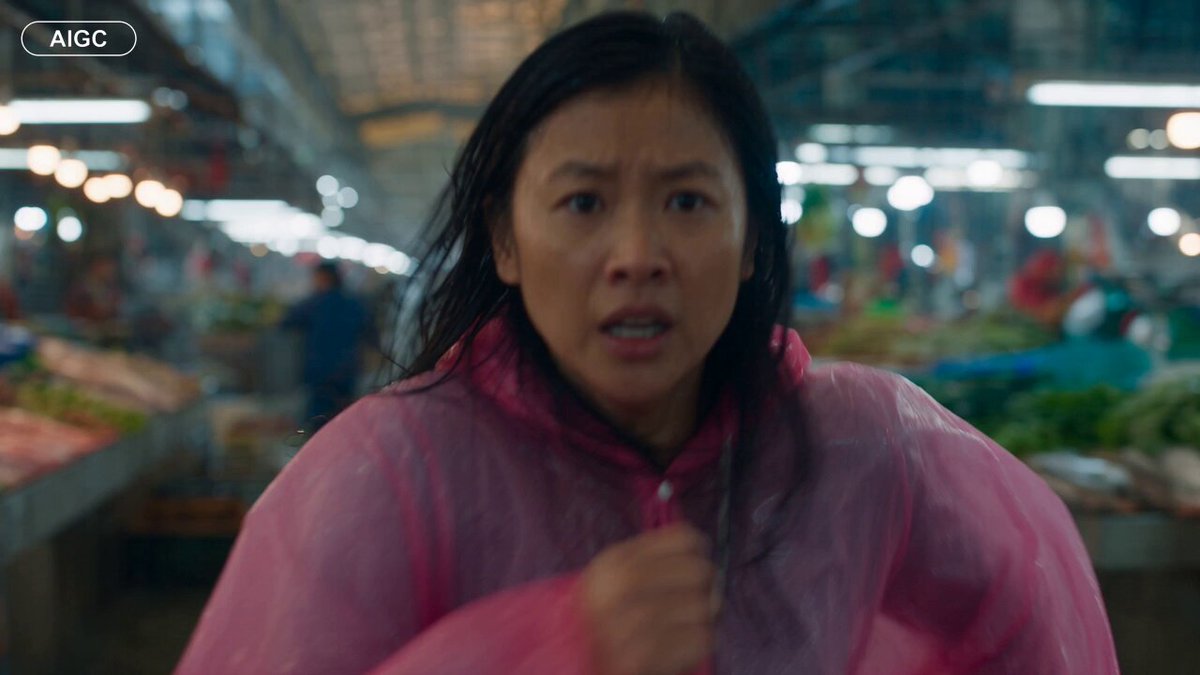
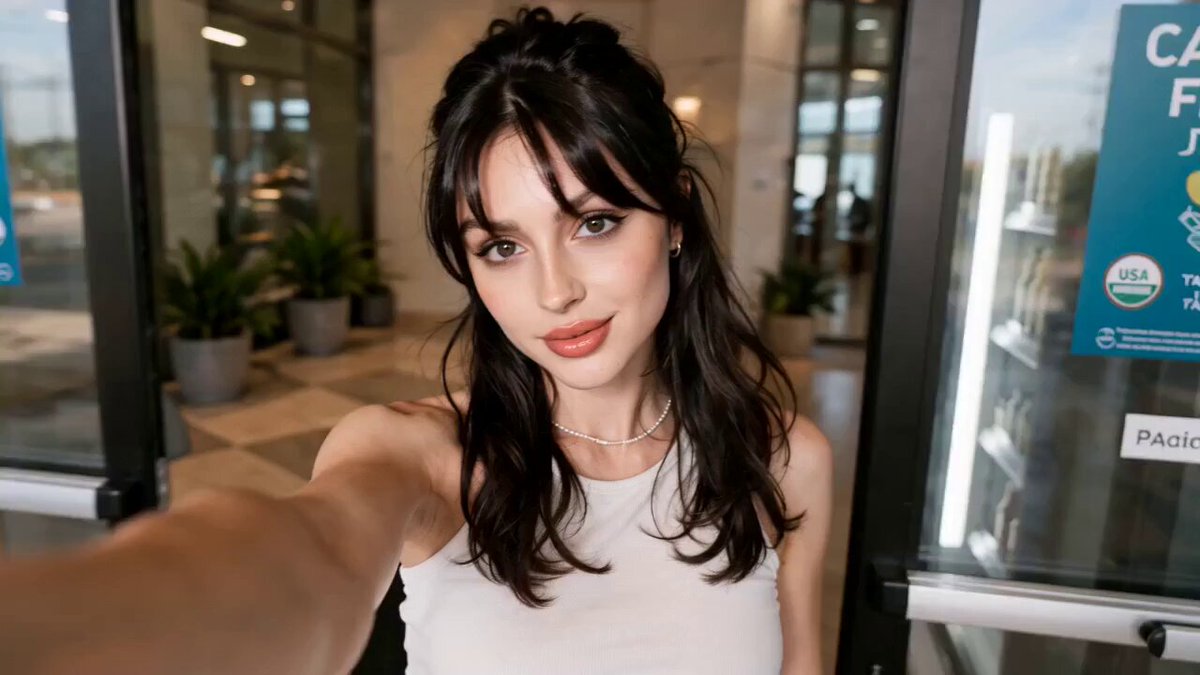
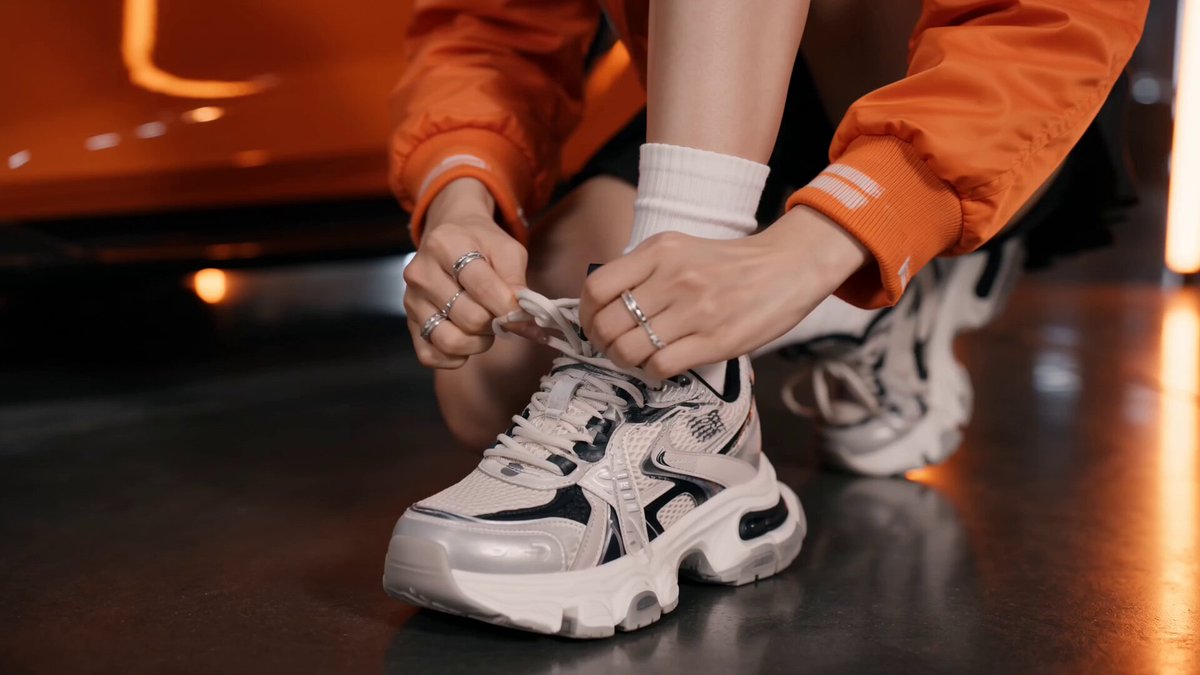
Motion used to be the expensive part of visual storytelling. A single photo could be captured in a second, but making it breathe — a slow push-in, a turn of the head, drifting fog — meant a camera crew, an animator, or both. Image-to-video models collapsed that gap. You bring the frame you already like, describe how it should move, and get a few seconds of footage back in minutes. The hard part is no longer access to the technology; it is directing it well. This guide covers how these models actually work, how to choose between them, and the workflow that consistently produces clean, usable clips instead of expensive-looking noise.
Why Starting From a Still Beats Text-Only Prompts
Text-to-video is impressive in demos and frustrating in production. The reason is simple: when you describe a scene in words, the model has to invent everything — composition, lighting, wardrobe, the exact shape of a product logo, the angle of a jawline. Every generation is a fresh interpretation. Ask for the same shot twice and you get two different people in two different rooms.
Image-to-video flips that relationship. The first frame is fixed, so the model is not inventing a world; it is animating one you already approved. That changes the economics of production in three ways.
Creative control moves earlier. Instead of rerolling until a prompt happens to produce the framing you want, you compose the frame deliberately — in a photo shoot, in an illustration tool, or in an image model — and then treat animation as a separate, swappable step. If the motion is wrong, you keep the still and try again. Nothing upstream is wasted.
Existing assets become motion assets. Product photos, editorial portraits, archival images, packaging renders, book covers, album art, architectural stills. Most brands already own thousands of frames that were never designed to move. Image-to-video turns that library into a storyboard without a reshoot.
Iteration gets cheap. A two-second test tells you whether the motion concept works. You can validate a camera move, a gesture, or a fabric flutter for a fraction of what a single animated frame would cost in a traditional pipeline, then commit to the shots that hold up.
The trade-off is that you inherit the limitations of your source image. A soft, low-resolution still will not become crisp footage. A frame with impossible geometry — hands merged into a table, a mirror reflecting the wrong room — will give the model contradictory information, and it will fail in visible ways. Good image-to-video work starts with ruthless quality control on the input.
What Happens Under the Hood When an Image Becomes Video
You do not need to read papers to get good results, but understanding four mechanics explains almost every artifact you will encounter.
The first frame acts as a hard constraint
The model encodes your still into a latent representation, then predicts a sequence of future latents conditioned on it. Early frames stay close to the anchor; the further the sequence runs, the weaker that pull becomes. This is why the first second usually looks excellent and the fourth second starts to wobble. It is also why short generations are more reliable than long ones, and why extending a clip by generating from the last frame of the previous one works better than asking for one long take.
Motion is learned, not simulated
These models have watched an enormous amount of footage and learned statistical patterns of how things move. They have not learned physics. They know what walking generally looks like, not how your specific character walks across your specific floor. That distinction explains the characteristic failures: feet that slide, liquids that flow upward, hair that moves against the wind, objects that pass through each other. The model is reproducing the shape of motion, not solving for it.
Temporal consistency is the real battleground
Keeping a face, a logo, or a textile pattern stable across dozens of frames is harder than making any single frame look good. Modern systems use cross-frame attention and reference conditioning so that identity information is carried forward rather than regenerated each frame. When you can supply a second reference image — a clean headshot, a flat product shot — you dramatically reduce drift, because the model has a stable target to match against instead of only a first frame to extrapolate from.
Audio is often a separate pipeline
Some models now emit sound alongside video, and a few attempt lip sync. Treat generated audio as a sketch, not a finished track. Dialogue that sounds convincing for two seconds tends to fall apart over a full sentence, and generated ambience rarely sits correctly against a cut. The reliable approach is to generate silent footage, then build the soundtrack deliberately: reference voice, foley, room tone, music, and a manual sync pass in your editor.
Choosing a Model: Tier, Motion Type, and Output Needs
The market moves fast, but the decision framework is stable. Ask four questions before you open any tool.
- What is this shot for? A client-facing hero shot and an internal concept test have different tolerances for artifacts.
- What kind of motion is required? Camera-only movement, subject performance, and physical interaction between objects are three different difficulty levels.
- How long does the clip need to be? Anything past roughly five seconds should be planned as multiple generations stitched together.
- What resolution and frame rate does delivery require? If you are finishing at 4K, you need footage that survives upscaling.
Draft tier versus delivery tier
Most teams should run a two-tier pipeline. Draft tier is fast, cheap, and low-resolution; you use it to test motion concepts, framing, and timing. Delivery tier is slower and more expensive; you use it only on shots that survived the draft round. The mistake is running everything at maximum quality, which burns time on shots that were never going to work, and then having nothing left for the shots that matter.
Match the model to the motion
Different systems have noticeably different personalities. Some are excellent at cinematic camera moves and photoreal environments but timid with human performance. Some are strong on stylized, illustrated, or anime-adjacent motion. Others are best at short, physically grounded loops — water, smoke, fabric, hair. A rough comparison framework:
| Motion type | What to prioritize | Typical failure mode |
|---|---|---|
| Camera move only (push, pan, orbit) | Geometry stability, lens realism | Warping straight lines, jitter |
| Subject performance (turn, gesture, walk) | Identity retention, limb coherence | Face morphing, sliding feet |
| Environmental loops (water, smoke, cloth) | Texture continuity | Shimmering, pattern crawl |
| Stylized or 2D animation | Line and color consistency | Line boil, fill flicker |
Test candidates on your actual source frames, not on showcase prompts. A model that wins on a landscape may lose badly on a close-up portrait.
The Repeatable Image-to-Video Workflow
This is the sequence that produces consistent results across projects.
1. Build the shot list before you generate anything
Write down each shot as a single line: subject, action, camera move, duration, and purpose in the edit. If a shot cannot be described in one line, it is probably two shots. This forces you to notice when a planned three-second beat is actually a four-shot sequence, which changes your generation plan entirely.
2. Prepare the source still properly
Source quality is the single biggest predictor of output quality. Before generating, check that the image is sharp at the region that will move, has clean edges around the subject, contains no contradictory geometry or impossible reflections, and matches the aspect ratio of your target format. If you are planning a vertical deliverable, do not start from a wide horizontal still and hope the model figures it out — recompose first, ideally with some headroom for the camera move.
Where identity matters, prepare a second reference: a neutral headshot for characters, a flat-lay for products, a clean pattern swatch for textiles. Consistency work is much easier with two anchors than one.
3. Write motion prompts that describe change, not appearance
The still already describes appearance. Your prompt should describe what is different one second later. Weak prompt: "a woman in a red coat, cinematic, beautiful." Strong prompt: "she turns her head slowly toward camera, coat fabric shifting, shallow depth of field, static camera." The second version carries no new information about how she looks — the image handles that — and all of its information about movement, speed, and camera behavior.
4. Generate in short, reviewable bursts
Ask for two to four seconds per generation. Review immediately, at full size, on a loop. Look for the specific artifacts that matter for that shot type: line warping for architecture, face drift for portraits, texture crawl for fabrics. Keep the best take and note the seed and settings that produced it, because being able to reproduce a good take is worth more than getting lucky once.
5. Select, upscale, and stabilize
Pick your take, then run a cleanup pass. Light stabilization helps camera-move shots; a mild temporal denoise reduces shimmer; upscaling should be done with a model trained on video rather than frame-by-frame image upscaling, which amplifies flicker. If a shot drifts halfway through, consider cutting it in half and extending only the good portion.
6. Assemble, sound, and finish
Cut the clips to a real rhythm. Add sound design early rather than at the end — audio changes perceived motion quality more than most people expect. A slightly soft clip with excellent sound reads as intentional; a sharp clip with tinny audio reads as amateur. Finish with a consistent grade across all shots, since generations rarely match each other perfectly in color and contrast.
Prompt Patterns That Produce Clean Motion
Three prompt shapes cover most needs.
Camera-first prompts
Lead with the camera, then the subject. "Slow dolly in, subject remains still, background parallax, no cuts." Camera-first works well for establishing shots, product reveals, and anything where stability matters more than performance. Always state whether the camera is static or moving, because ambiguity here produces the mushiest results.
Subject-first prompts
Lead with the action and its speed. "He raises his right hand to chest height in about one second, then holds; slight shoulder shift; camera locked off." Specifying duration and a settling action gives the model an endpoint, which reduces the runaway motion that causes drift.
Style-lock and exclusion prompts
Use these to protect what the still already established. "Preserve original lighting, color palette, and facial features; do not change wardrobe; no camera cut; no new objects entering frame." Exclusion language is not a guarantee, but on most systems it measurably reduces unwanted scene changes and spontaneous additions.
One habit separates good prompters from frustrated ones: they describe one idea per generation. If a shot needs a turn, a zoom, and a light change, that is three tests, not one prompt.
Troubleshooting the Six Most Common Artifacts
Flicker and texture crawl
Almost always a source or resolution problem. Check for compression noise and fine repeating patterns in the still — tight stripes, dense foliage, moiré-prone fabric. Slight blur on the pattern before generation often helps, because it gives the model less high-frequency detail to disagree with itself about.
Face and hand distortion
Faces drift when the head occupies too few pixels or when lighting is ambiguous. Crop closer, or supply a second reference image of the same face. Hands fail when they are partially occluded or holding something complex; the practical fix is to reframe the shot so hands are stable, or to keep them outside the movement window.
Unwanted cuts, drift, and scene changes
This happens when the prompt is ambiguous about continuity. Add explicit "single continuous shot, no cut" language, shorten the generation, and reduce the amount of change you are asking for in one pass.
Motion that is too fast, too slow, or mushy
Speed is a prompt variable, not a fixed property. Phrases like "in about one second," "barely perceptible," and "slow, continuous" land more reliably than adjectives such as "dynamic." Mushy motion usually means the model was asked to animate a region with no clear subject, such as a large flat wall.
Audio drift and mismatched lip sync
If you must use generated audio, keep it under two seconds and treat it as a texture. For anything with visible speech, generate silent footage, record the voice separately, and sync manually. Frame-accurate control beats hoping the model guessed right.
Resolution collapse after upscaling
Frame-by-frame image upscalers treat each frame independently and therefore amplify flicker. Use a video-aware upscaler, upscale in modest steps rather than one large jump, and add a light grain pass at the end to mask residual inconsistency.
Speed Versus Quality: A Decision Framework
Speed and quality are not opposites; they are two settings on the same dial, and the right position depends on where you are in the process.
| Situation | Prioritize | Practical approach |
|---|---|---|
| Concept pitch, same-day turnaround | Speed | Draft tier, one motion idea per shot, no cleanup |
| Social cutdowns, fast cycle | Speed with guardrails | Short generations, template prompts, light stabilization only |
| Brand campaign hero shot | Quality | Multiple tests, second reference image, full cleanup and grade |
| Product or packaging accuracy | Quality | Flat reference plus still-frame lock, minimal subject motion |
| Long-form narrative sequence | Consistency | Fixed character references, per-shot tests, consistent grade |
The most common production mistake is treating a draft-tier decision as final. Decide up front which shots are allowed to be rough, and protect your time budget for the two or three shots that carry the piece.
Rights, Review, and Delivery Practices
Generative footage raises practical questions that are not about technology.
Source rights. If the still came from a photographer, an illustrator, or an archive, confirm you have the rights to animate and distribute it. A license for a static image is not automatically a license for a moving derivative.
People in frame. Animated footage of a real person reads as performance, which raises the bar for consent. Keep signed releases on file and be conservative with anything that puts words in someone's mouth.
Disclosure. Many platforms now expect generated footage to be labeled, and audiences increasingly reward transparency. A short end-card or metadata note is usually enough.
Version control. Save the source still, the prompt, the model version, the settings, and the seed for every approved shot. When a client asks for a variation three weeks later, reproducibility is worth more than any single clever prompt.
Delivery specs. Confirm frame rate, resolution, aspect ratios, and safe areas before generating. Regenerating a whole sequence because it was composed for the wrong ratio is the most avoidable waste in this workflow.
Frequently Asked Questions
How long can a single image-to-video generation be?
Practically, two to five seconds. Beyond that, identity and texture drift become visible. For longer sequences, generate from the previous clip's final frame or cut between shots.
Do I need a different still for every shot?
Not always, but it helps. Reusing one still for multiple camera moves is efficient and keeps a consistent look; reusing it for a completely different action usually produces unstable results.
Why does my clip look great for one second and then fall apart?
The first frame is a strong constraint, and its influence fades. Shorten the generation, add a settling action to the prompt, or split the movement into two chained generations.
Is generated audio good enough for client work?
Rarely for speech. It works as ambience or texture under two seconds. Build the real soundtrack separately.
How do I keep a character consistent across many shots?
Lock the source still for that character, use the same reference image every time, keep prompts describing motion only, and apply the same grade across all clips. Consistency comes from repetition, not from one perfect prompt.
Can I animate a low-resolution or old photo?
Yes, with limits. Restore and upscale the still first, animate gently, and favor slow camera moves over complex subject performance. Aggressive motion on soft input produces smearing.
What resolution should I generate at?
Generate at the highest resolution your draft-tier budget allows for tests, and reserve full-quality renders for approved shots. Always work in the aspect ratio of the final deliverable.
How many attempts should a shot take?
If a shot has not produced a usable take after roughly six to eight tries, the problem is usually the source still or the concept, not the prompt. Change the input rather than rewriting the same words.
The technology will keep improving, and today's hard problem will be next season's default behavior. What will not change is the underlying discipline: prepare the frame, describe the change, generate short, review honestly, and finish with sound and color. Teams that build that habit now will absorb every new model without rebuilding their process — and that is what separates work that looks generated from work that looks directed.
