
What changed in influencer video production
Influencer video used to mean a phone, a ring light, and a casual talking-head clip. That era is over. Today, branded creator content sits somewhere between a paid ad and a documentary — polished enough to survive a scroll-stop test, natural enough that viewers do not immediately register it as advertising.
Three forces pushed production standards upward at the same time.
First, platform distribution is now retention-based. The algorithm does not care how much you spent. It cares whether people watched past the third second, whether they finished, whether they rewatched, and whether they commented. A beautiful video that loses viewers at 0:02 performs worse than a scrappy one that holds attention.
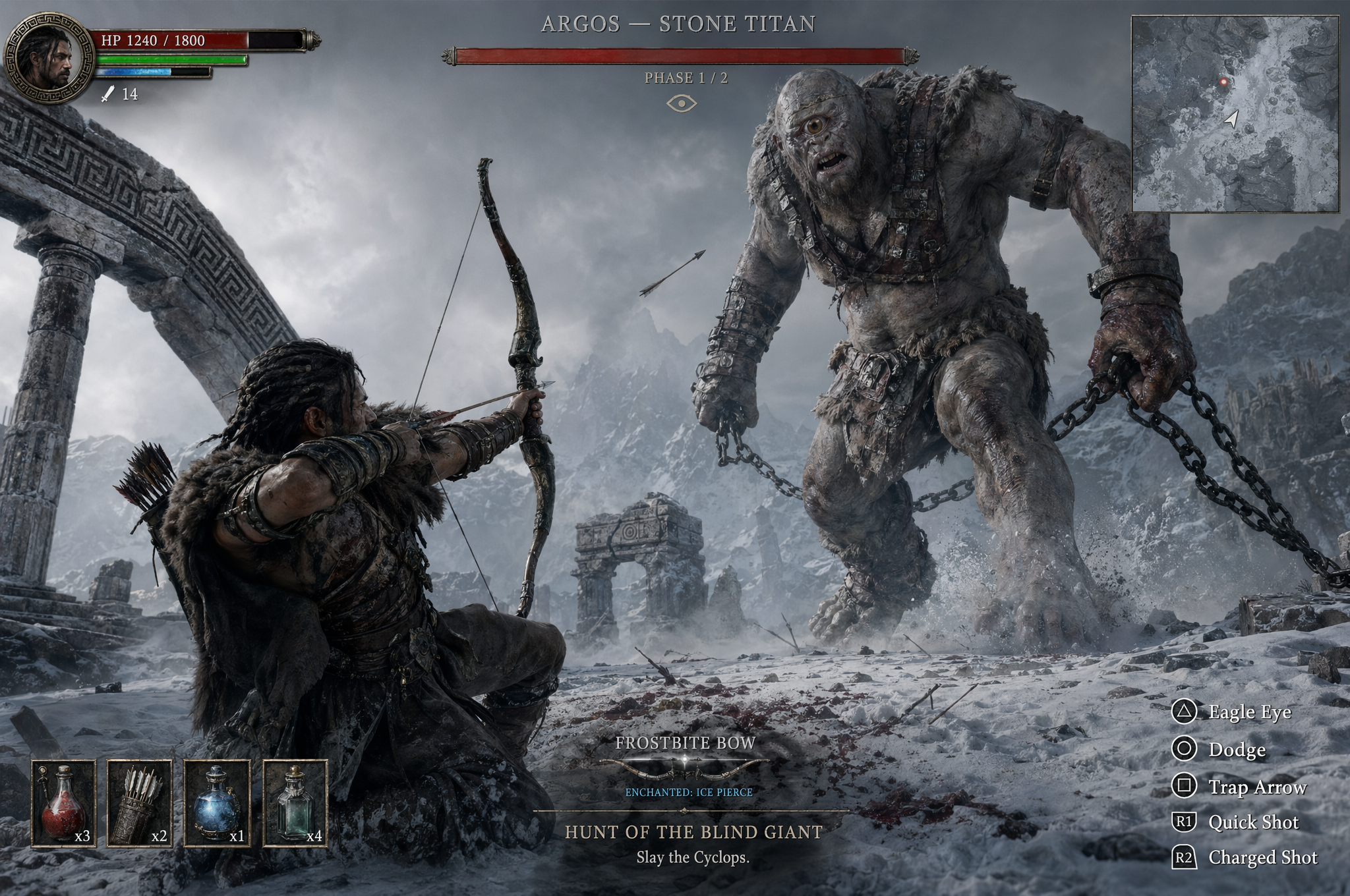
Second, generative tools collapsed the cost of visual ambition. Effects, environments, camera moves, and consistent characters that once required a studio can now be drafted in an afternoon. This does not remove the need for craft — it moves the bottleneck from budget to taste and planning.
Third, audiences are more ad-literate than ever. They forgive sponsorship. They do not forgive fakery. The winning formula is high production value wrapped around a genuinely useful or entertaining idea, delivered by a person who feels real.
That combination — cinematic craft plus creator authenticity plus algorithmic compliance — is the entire discipline. Everything below is a practical way to hit all three without burning a month per campaign.
Start with a brief that can survive contact with the algorithm
Most influencer campaigns fail before anyone touches a camera. The brief is vague, the hook is an afterthought, and the creator is left guessing what "authentic but on-brand" means.
A working brief has four parts: the promise, the proof, the personality, and the parameters.
The one-line promise
Write a single sentence describing what the viewer gets. Not what the brand wants to say — what the viewer walks away with. "You will see how a $40 setup replaces a $400 lighting kit" beats "highlight our new product line." If the promise cannot survive being said out loud without embarrassment, rewrite it.
The three-second hook matrix
Draft at least five hooks before choosing one. Useful hook archetypes:
- The contradiction: "This is the cheapest way to look expensive on camera."
- The confession: "I wasted two years doing this wrong."
- The demonstration: open mid-action with zero setup.
- The stakes: "If your retention drops here, your reach dies."
- The direct callout: name the exact audience in the first four words.
Give the creator the matrix, not a locked script. Creators who understand the intent improvise better hooks than any copywriter working from a spreadsheet.
The proof
Decide in advance what evidence the video contains: a demo, a before-and-after, a visible measurement, a customer reaction, a comparison. Proof is what converts skepticism, and it must be storyboarded, not improvised at 11 p.m. in the edit.
The parameters
Lock the non-negotiables before creative development: duration range, aspect ratio, required disclosure language, claim restrictions, mandatory shots, caption requirements, and delivery deadlines. Everything not on that list should be open for the creator to shape. Parameters protect the brand; freedom protects the performance.
Choosing your production path
There is no universally correct approach. There are four realistic paths, and the right one depends on volume, control needs, and how much authenticity the category demands.
| Path | Best for | Strength | Watch out for |
|---|---|---|---|
| Creator-shot phone video | Fast tests, high volume | Authenticity, speed, low cost | Inconsistent look, limited coverage |
| Directed studio shoot | Hero campaigns, product detail | Control, lighting, repeatable framing | Slow, expensive, can feel sterile |
| Fully generated footage | Concepts, locations, impossible shots | Infinite variety, no travel | Uncanny motion, disclosure needs |
| Hybrid (creator + generated inserts) | Most modern campaigns | Authenticity plus polish | Requires a clear shot list |
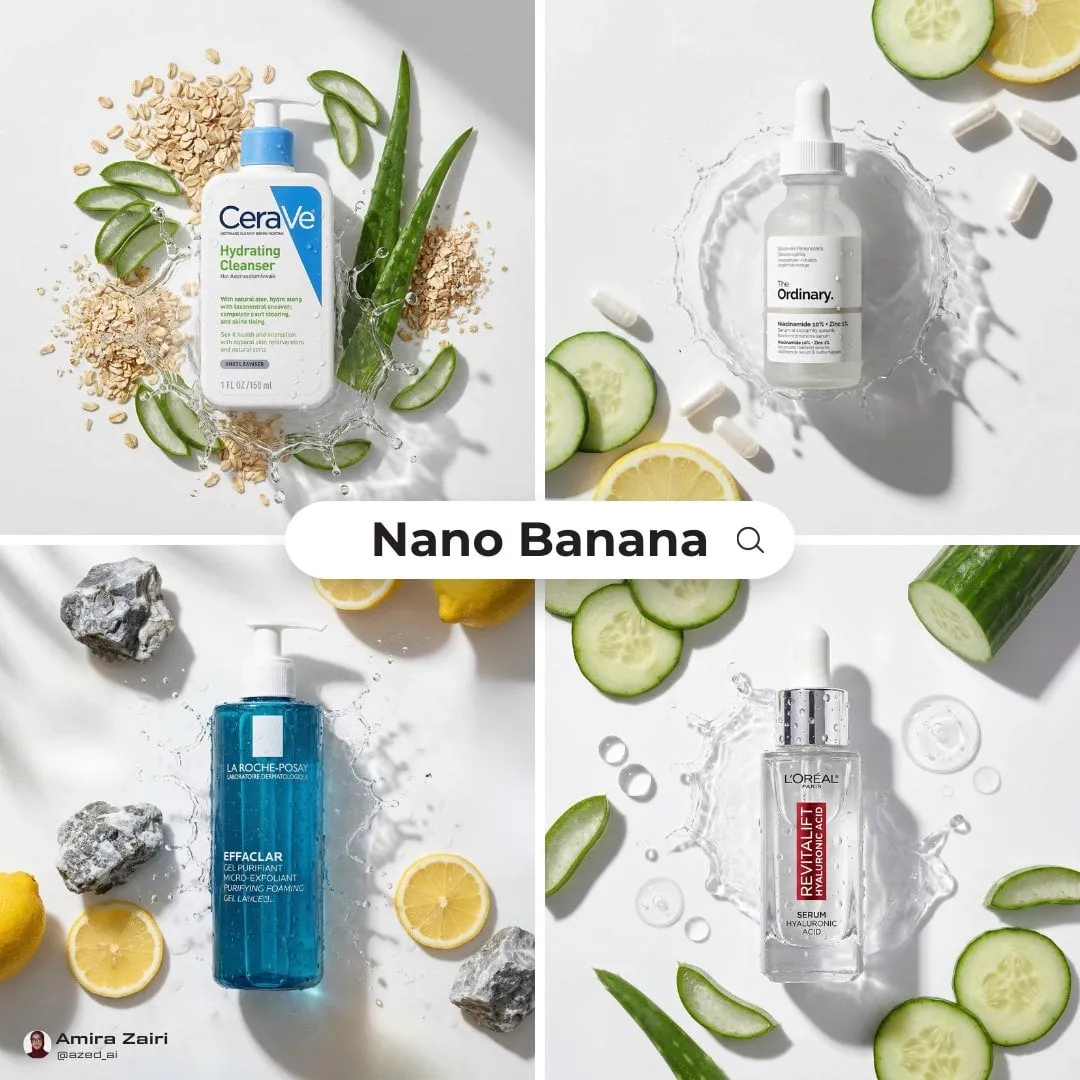
The hybrid path is where most teams land once they have tested the extremes. Shoot the creator talking to camera, shoot the product in hand, then generate the environment, transitions, and any shot that would cost a flight and a permit to capture practically.
Decision criteria to apply before committing:
- Volume. If you need twenty variants per week, you cannot direct every shot. Standardize a template.
- Claim risk. Regulated categories need reviewable, unaltered footage. Generation is best reserved for non-claim visuals.
- Longevity. Campaigns that will run for months across many creators benefit from strict visual rules. One-off posts do not.
- Localization. If the same creative must work in six markets, generate clean plates and localized voice tracks instead of reshooting.
Build visual consistency across creators and formats
Consistency is what makes a set of influencer videos feel like a brand rather than a folder of unrelated clips. It also makes your editing faster, because assets behave predictably.
Lock a look bible
A one-page document is enough: primary and secondary color accents, lighting direction, lens feel, wardrobe palette, and a banned list (no orange-and-teal grading, no fisheye, no jump-cut openers). Include two reference stills for each rule. Creators replicate images far more accurately than adjectives.
Keep people consistent
If you are generating any part of a recurring character, build a reference library first: front, three-quarter, and profile views, plus a few expressions in neutral light. Reuse the same references across every shot in the campaign. Small drifts in facial structure are the fastest way to make generated footage feel wrong, even to viewers who cannot articulate why.
Standardize capture settings
Ask creators to shoot at the highest frame rate and resolution their phone supports, in vertical, with the grid on and the lens locked. Request a short room-tone recording and a clean plate of each location. Those two extras cost ten seconds on set and save hours in post when you need to remove a logo or patch audio.
The AI-assisted production pipeline, step by step
The pipeline below assumes a hybrid approach: real footage of a person, generated or enhanced everything else.
1. Script and beat sheet
Break the video into beats rather than lines: hook, context, demonstration, proof, payoff, call to action. Each beat gets a target duration. A 30-second video has roughly six beats; a 15-second cut has three. Writing beats instead of dialogue keeps creators natural and makes trimming in the edit trivial.
2. Storyboard and shot list
You do not need illustrated boards. A table with shot number, description, duration, camera movement, and audio note is enough. Mark which shots are practical and which are generated. That single column prevents the most common production disaster: discovering during the edit that a shot was never captured by anyone.
3. Asset generation
Generate in this order: environments, then props, then inserts, then anything involving the character. Backgrounds are cheap and forgiving. Faces are expensive and unforgiving. Doing the easy layers first means you only spend generation attempts on the hard parts once the composition is already locked.
4. Camera language
Pick a movement vocabulary and repeat it. A slow push-in reads as seriousness. A handheld drift reads as spontaneity. A locked-off frame reads as confidence. Three moves used consistently look intentional; seven moves look like a showreel. When generating motion, keep moves short — long synthetic camera paths are where artifacts concentrate.
5. Audio
Audio decides whether a video feels professional more often than video does. Record real voice whenever possible; synthetic narration is fine for explainers but weakens personal testimonial content. Add three layers under every cut: music bed, subtle room tone, and one or two designed sound effects on transitions or text reveals. Normalize loudness to platform targets and check on a phone speaker, not headphones.
6. Assembly and captions
Cut to the beat sheet, then cut again harder. Burn in captions for the first pass — most viewers watch muted on the first exposure. Add a loop-friendly ending: the final frame should connect visually or verbally to the first so replays feel seamless.
What to capture on set beyond the hero take
Whatever path you choose, gather coverage while you have access: three hook variants, a full vertical take, a horizontal safety take if the campaign might run on other placements, twenty seconds of hands-on product interaction, two reactions, and one unscripted opinion sentence. This coverage is what turns one shoot into five tested edits.
Editing for retention, captions, and platform specs
Retention is a cutting problem more than a content problem. Four rules do most of the work.
- Cut before the viewer expects it. If a shot feels finished, trim two frames earlier.
- Change something every two seconds. Angle, scale, text, audio layer, or subject — one of them must move.
- Keep text inside safe zones. Interface elements cover the bottom and edges of vertical video. Keep captions high enough that platform buttons do not sit on them.
- Never let the first frame be static. Motion in frame one is a retention signal.
Deliverable specs to standardize across every campaign: 9:16 primary, 1:1 and 16:9 derivatives, H.264 or H.265, 30 or 60 fps consistently, stereo audio at platform loudness targets, and hard-coded captions on the vertical version only. Keep a textless master so you can re-caption for a new market without a re-export.
Pre-publish quality control checklist
Run the same checklist every time, and assign one person to own it:
- Claim accuracy verified against substantiation documents.
- Disclosure visible for at least three seconds, not buried in a caption tag.
- Audio peaks under control and no clipping on phone speakers.
- Captions spelled correctly, including brand and product names.
- Safe zones clear of interface elements on all target platforms.
- First three seconds match the approved hook variant.
- Filenames and versions logged so nobody publishes draft three by accident.
- Consent and usage rights confirmed for every person visible on camera.
Working with creators: direction, rights, and feedback
Creators are not vendors and not employees. The work goes best when the relationship is treated as a collaboration with clearly written boundaries.
Direction. Send a brief, two reference videos, and a list of non-negotiables. Then stop. Over-directed creator content loses the only advantage it has. If a delivered take misses the point, respond with intent — "the demo needs to be clearer" — rather than rewriting dialogue.
Rights. Negotiate usage windows in plain language: where the video can run, for how long, and whether it can be used in paid promotion. Separate organic posting rights from paid amplification rights, and separate both from the right to re-edit. Ambiguity here is the most expensive mistake in the entire workflow.
Feedback loops. Give notes in one batch, numbered, referencing timecodes. Three rounds maximum. Creators who receive scattered notes across five message threads will deliver late and resent the project.
Payment and predictability. Pay on a schedule you actually meet. Predictable payment is the cheapest way to build a creator roster that answers your messages first.
Testing, measuring, and scaling what works
One video is an anecdote. A structured test matrix is a system.
Test one variable at a time across a small matrix: three hooks, two creators, two formats. Keep everything else constant. Prioritize metrics in this order:
- Three-second view rate — measures hook strength.
- Average watch time and completion rate — measures pacing and payoff.
- Saves and shares — measures usefulness and identity signaling.
- Click-through and conversion — measures commercial performance.
- Comment sentiment — measures authenticity and brand safety risk.
If the three-second rate is strong but completion is weak, the problem is the middle, not the hook. If completion is strong but clicks are weak, the call to action or the offer is the problem. Diagnosing in that order prevents the classic mistake of rebuilding a video that was never broken.
Once a variant wins, do not move on. Build three siblings from it: same hook with a new creator, same creator with a new proof point, same proof with a new format. Scaling creator video is mostly a process of disciplined repetition, not constant reinvention.
Common mistakes and how to fix them
- Scripting every word. Fix: write beats, let the creator speak.
- One hook, one edit. Fix: always produce three hook variants.
- Generating faces before locking composition. Fix: build environments first.
- Ignoring audio. Fix: treat sound as half the production.
- Vague usage rights. Fix: put terms in writing before the shoot.
- No textless master. Fix: archive a clean version of every deliverable.
- Reviewing on desktop only. Fix: approve on a phone, muted, on mobile data.
- Judging by views alone. Fix: track retention and conversion together.
FAQ
How long should an influencer marketing video be?
Match duration to intent. Attention-building content works at 15 to 30 seconds. Demonstrations and reviews need 45 to 90 seconds to earn trust. Longer formats only work when the payoff keeps arriving — if retention drops before the halfway point, cut the video rather than adding more.
Do I need AI tools to produce competitive creator video?
No, but they shorten the path to polish. The highest-value uses are environment generation, insert shots, localization, and cleanup work like object removal. Human performance, product handling, and genuine opinion should stay real.
How many variants should one campaign produce?
Plan for at least three hooks per concept and two format ratios. A single concept with three hooks and one creator yields enough data to make a real decision, and enough material to run a full week of placements.
How do I keep multiple creators looking consistent?
Lock a one-page look bible with reference stills, standardize capture settings, and give every creator the same shot list. Consistency comes from constraints, not from expensive gear.
What should be in a creator contract beyond payment?
Usage window, permitted channels, paid amplification rights, re-edit rights, exclusivity period, disclosure obligations, and a revision limit. Write these in plain language so both sides know what they are agreeing to.
How do I handle disclosure without killing the hook?
Put the disclosure on screen in a styled, on-brand way during the first few seconds, and repeat it in the caption. When it is designed rather than bolted on, viewers process it as part of the video rather than as an interruption.
When should I stop iterating on a campaign?
Stop when marginal variants no longer beat the current best by a meaningful margin, or when performance plateaus across two consecutive test rounds. Then shift budget into scaling the winner with new creators and new proof rather than new hooks.
