

What "Lego Pixel" Actually Means in AI Video
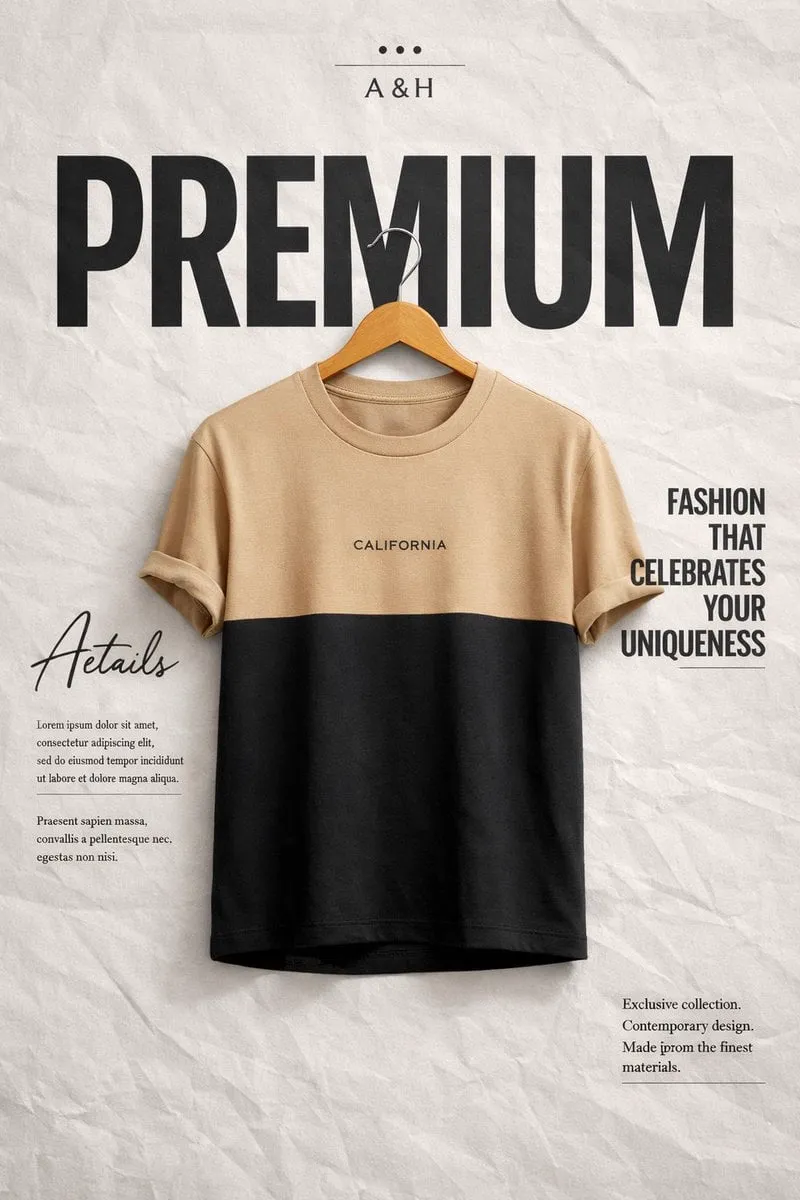
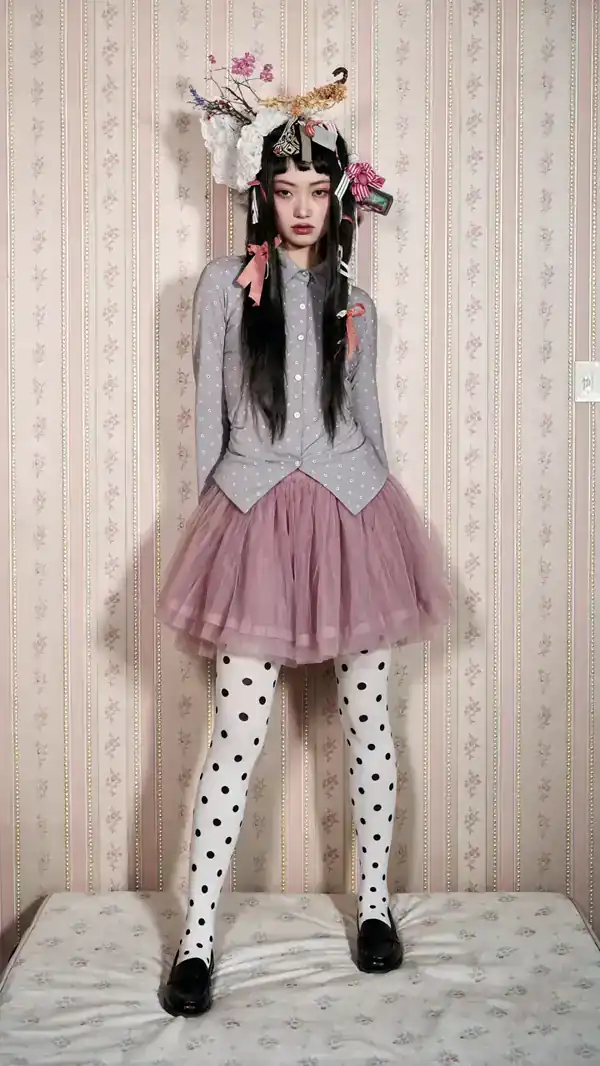
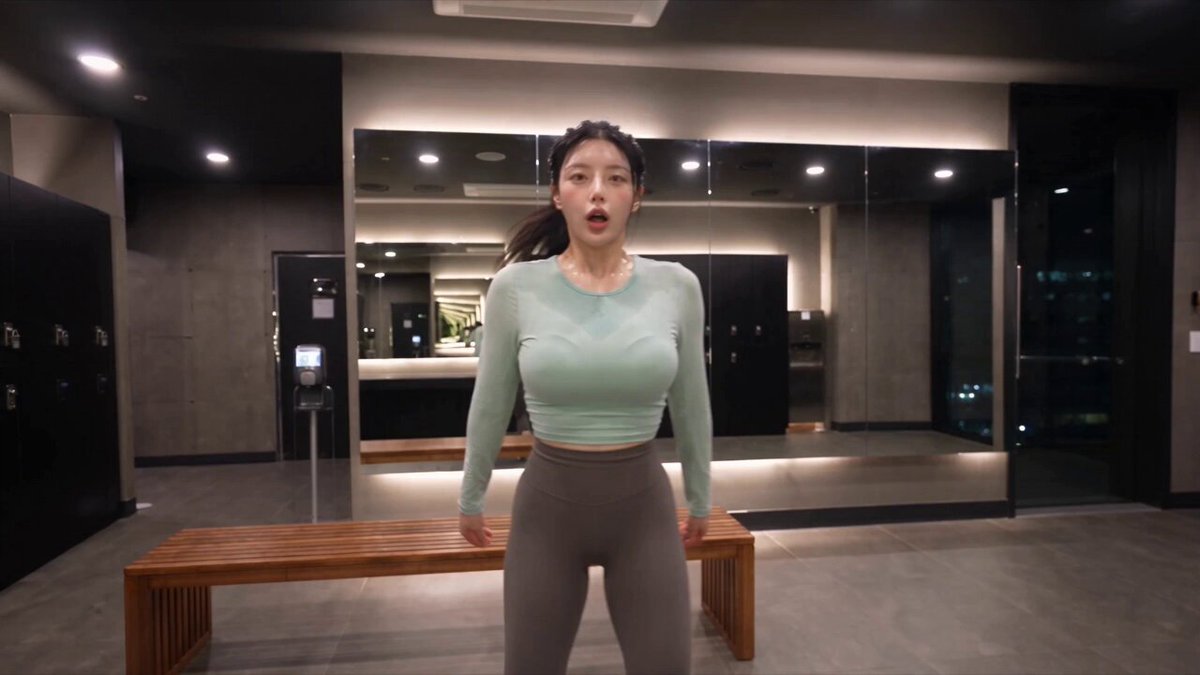
If you have spent any time with modern AI video tools, you have probably heard the phrase "Lego Pixel" thrown around. It sounds playful, but it refers to something genuinely powerful: a set of techniques for combining multiple input images so that a generated video maintains a consistent style, character, and scene across every frame. In the world of AI-generated video, visual consistency is the single hardest problem, and these image-fusion methods are the closest practical answer we have.
The digital content industry is in the middle of a major transition, with AI video generation at the center of the shift. The demand for consistent style and continuous characters in films, series, and short-form content has never been higher. Because AI models tend to drift between shots, turning one character into a different person from frame to frame, creators need reliable ways to lock in identity and visual language. This is exactly what multi-image fusion, the idea behind "Lego Pixel," sets out to solve. This guide unpacks the mechanics, the practical uses, and the strategies for getting the best results.
Why Visual Consistency Is the Biggest Challenge
When an AI generates a video from a single text prompt, it has nothing to anchor the identity of the characters or the style of the scene. The result is often unstable: a face changes shape, clothing color shifts, lighting wobbles. For anything longer than a short gif, this becomes a serious problem. Viewers notice immediately when a character's appearance changes mid-scene, and it destroys the credibility of the whole piece. The industry-wide pursuit of visual consistency is therefore not a luxury; it is the requirement that separates usable content from unusable content.
The Mechanics of Multi-Image Fusion
To understand "Lego Pixel" and why it works, you need to look at how multiple reference images are processed together rather than a single one.
From One Reference to a Pattern of References
Traditional approaches relied on a single starting frame. That gives the model very little information about identity, so any deviation in the prompt can cause the character to drift. Multi-image fusion is more sophisticated. It analyzes statistical and stylistic features across several images, such as lighting, texture resolution, and shadow patterns, and builds a richer internal model of what the character or scene "should" look like. The model is effectively being taught to recognize the identity and style from multiple angles, so it reproduces them more faithfully.
Building a Grounded Style
The result is a style that is "anchored" to the input set. Instead of hoping the model repeats a look from a single vague reference, the fusion process distributes the defining traits across the whole generation. This yields higher consistency in the final video, especially in long sequences where drift would otherwise accumulate. In practical terms, it means you can create a character once, reference it across many different scenes, and keep the same face, clothing, and overall mood.
Comparing Fusion With Traditional Style Techniques
Why bother with image fusion when traditional style transfer exists? The answer comes down to what each technique preserves.
The Limits of Traditional Style Transfer
Classic style transfer changes the look of an image by borrowing the painterly or artistic qualities of another image. It is great for applying a texture or a mood, but it does not protect identity. A character's face can remain recognizable while the whole picture takes on a new aesthetic, yet if you need the same character across scenes with different backgrounds, simple style transfer is not enough. It moves the appearance around without locking down the deeper identity.
What Fusion Adds
Fusion goes further by mixing content and style from multiple references in a way that preserves both identity and atmosphere. It lets you keep a character's consistent look while blending scene elements from different sources. This makes it ideal for the kind of work creators actually do: reusable characters, unified brand aesthetics, and series that need to look like one continuous world rather than a disjointed collection of clips.
Putting Lego Pixel to Work: Practical Applications
Once you grasp the mechanics, the technique unlocks several concrete workflows.
Consistent Characters Across Models and Scenes
The most obvious use case is a character that appears in multiple scenes, shot with different backdrops, or even generated through different model versions. By feeding the same reference set to the fusion process, you keep the character's appearance stable regardless of which model handles a given scene. This is invaluable for telling longer stories or building any content with a recurring cast.
Fusing Scene Elements Into a Unified Look
Beyond characters, fusion helps unify the look of scenes. If you want a city that combines elements from several reference photos, or a room that matches a specific color palette, fusion blends those scene elements into a coherent whole. The technique lets you build imagined locations that feel consistent and real rather than patched together.
Combining Fusion With a Director Agent
The technique becomes even more powerful when paired with an automated directing workflow. You can set the character references once, then describe each scene's action and camera movement while the fusion keeps the visual identity in place. The directing layer handles composition and narrative while the fusion layer handles consistency, which is an elegant division of labor that scales to entire projects.
Choosing the Right Models for the Right Jobs
Different projects call for different models, and the fusion technique plays nicely with each tier.
High-End Models for Cinematic Results
For projects where the final quality is the product, premium models paired with fusion deliver the best combination of fidelity and consistency. Whether you need realistic skin texture, detailed clothing, or subtle lighting, the stronger model captures more nuance, while fusion makes sure that nuance stays consistent from frame to frame. This is the approach for brand films, music videos, and anything where viewers will scrutinize the details.
Faster Models for Speed and Iteration
For rough drafts, mood boards, and rapid creative exploration, faster models are the right tool. They may not carry the same detail as premium options, but when combined with fusion they can still hold identity well enough to validate an idea quickly. A smart strategy is to iterate with fast models until the direction is confirmed, then switch to a premium model for the final version, cutting costs without sacrificing the end result.
How Consistency Improves Production Efficiency
Beyond pure quality, consistent style and characters have a direct impact on how efficiently you can produce content.
Less Rework, More Output
When characters stay consistent, you spend far less time regenerating shots to fix drift. Each scene is more likely to pass quality control on the first attempt, which means fewer wasted generations and a faster overall pipeline. In a high-volume content environment, that efficiency translates directly to more finished pieces from the same effort.
A Stronger, Recognizable Brand
Consistent visuals also build brand identity. When all of your content shares a stable visual language, audiences come to recognize it at a glance. Whether you are a solo creator or a large brand, developing a signature look that holds across every video is a real competitive advantage, and consistency is the foundation of that look.
Practical Tips for the Best Results
Here are habits that separate excellent fusion-based work from mediocre attempts.
- Prepare a tight, high-quality set of reference images; quality in equals consistency out.
- Keep lighting and color temperature similar across your references to give the model a stable starting point.
- Define the core traits of a character once, then reuse the same set across all scenes.
- Test fusion on a short clip before committing to a long project.
- Pair fusion with a clear prompt that describes the action; do not rely on references alone to carry meaning.
- When switching models, keep the same reference set so identity survives the transition.
- Iterate: check several versions and keep the one that best preserves your character's look.
Common Pitfalls to Avoid
Several mistakes repeatedly undermine consistency. Using low-quality or noisy references invites drift and visual artifacts. Mixing references with wildly different lighting makes it hard for the model to settle on an identity. Expecting the model to invent details it has no reference for, like a character's outfit you never showed it, will not work. And finally, failing to reuse the same reference set when you switch scenes or models reintroduces exactly the drift you are trying to avoid.
Frequently Asked Questions
What is the biggest factor in getting consistent results?
The quality and consistency of your input references. Everything downstream depends on giving the model a clean, coherent definition of what the character and scene should look like.
How much experience do I need to get started?
You can begin with a single short clip to learn the workflow. The technique rewards good preparation and iteration more than technical background, so even beginners get usable results quickly once they understand the basics of reference quality.
Can I mix different art styles in one project?
Consistency usually aims for a unified style, but you can build a project that shifts style deliberately at scene transitions as long as each scene is internally consistent. If you want that control, plan the references and prompts for each segment rather than relying on a single global setting.
Does the technique slow down production?
Preparation adds a little upfront time, but the payoff is fewer regenerations and less rework. In the long run, consistency-focused workflows are usually faster net of errors than regenerating repeatedly to fix drift.
Consistency Across an Entire Series
The real payoff of this technique shows up over many videos, not just one. When you build a reusable character and a stable look, you can produce an entire series that feels like one continuous world. Episodes can reuse the same reference set so a recurring character looks identical from the very first appearance to the last. This is invaluable for branded content, educational series, and any multi-episode project where continuity is part of the value. It also dramatically cuts the time needed to spin up a new episode, because you are not rebuilding the identity from scratch each time; you are reusing a carefully honed reference archive.
Keeping a Reference Archive
Maintain a simple, well-organized folder of your best reference sets, one per character and per recurring scene. Label them clearly and add notes about the settings and prompts that worked. Over time, this archive becomes a kind of casting sheet and art bible in one, making every future project faster and more consistent. When a new episode or campaign starts, you begin from proven assets rather than from a blank screen, which is exactly how professional production stays both fast and reliable.
Balancing Consistency With Variation
Consistency should not mean sameness. Viewers still want scenes to feel fresh, with new backdrops, poses, lighting, and actions. The technique gives you a stable core, but you are free to vary everything around it. Change the scene, the camera angle, the mood, even the same character reacting differently in new situations. Consistency locks down identity and style so that variation feels intentional rather than like an error. Getting this balance right, where each video is recognizably part of the same family yet clearly distinct, is what separates a compelling series from a repetitive one.
Where to Go From Here
The best way to learn is to run a focused experiment: take one character, prepare a clean three-image reference set, and generate the same short scene through two different prompts. Notice how the identity holds, where it drifts, and what you can adjust. Do the same with a scene that has no character and compare how well the mood and palette stay stable. These small experiments teach you the practical boundaries of the technique far faster than reading about it. Build up a small set of successful reference sets and reuse them across projects, and you will find that your whole AI video pipeline becomes faster, more reliable, and noticeably more professional.
Bringing It All Together
"Lego Pixel" and the broader family of multi-image fusion techniques represent one of the most useful advances in AI-driven video. By anchoring identity and style across multiple references, they solve the consistency problem that has long stood between creators and professional-level results. Whether you are keeping a character stable across scenes, fusing scene elements into a unified world, or pairing fusion with an automated directing workflow, the payoff is the same: less rework, faster production, and a recognizable, high-quality visual identity. As AI video tools continue to mature, the creators who master consistency will be the ones whose work stands out in an ever-growing sea of content.
