
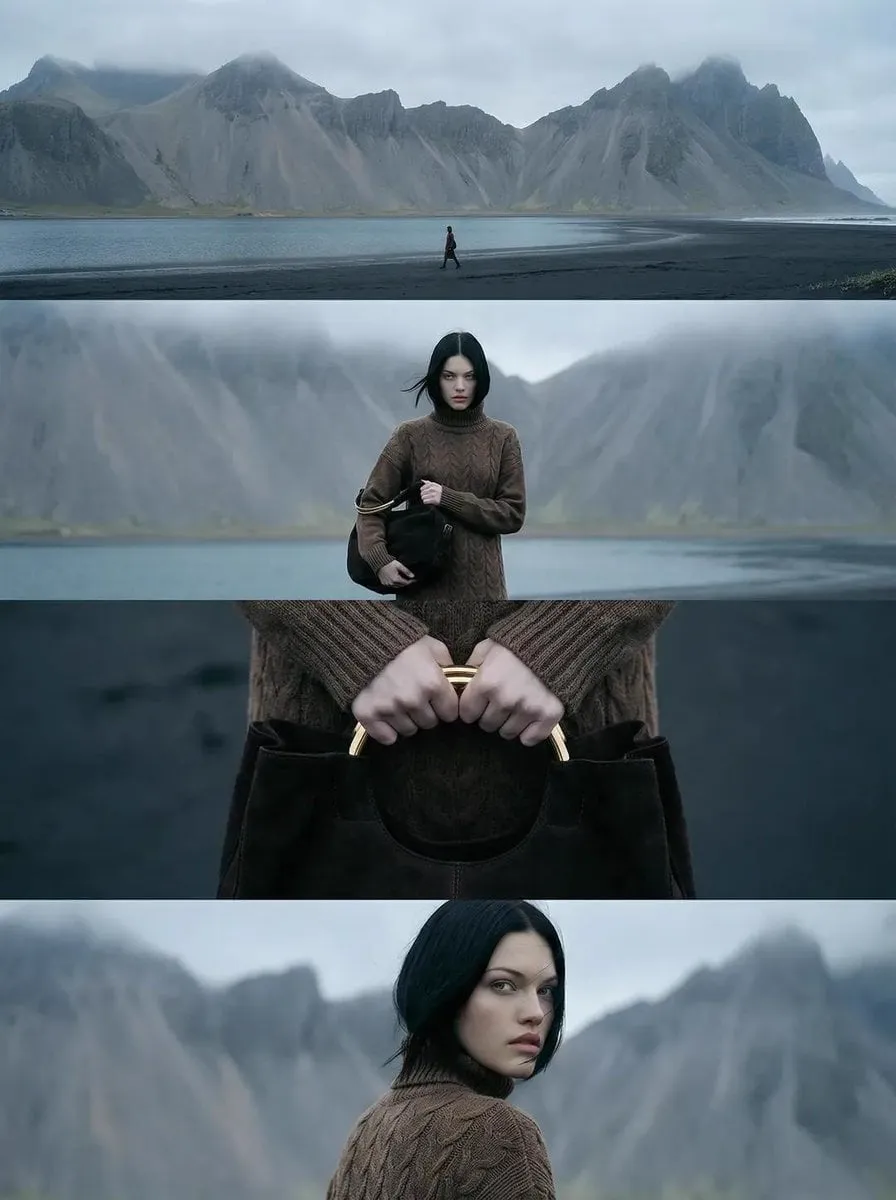
Short biography videos have become one of the most powerful ways to introduce a person, a founder, a brand, or a cause. In a world where attention spans are measured in seconds, condensing a lifetime of achievement, struggle, and personality into a thirty-to-ninety-second film is an art form on its own. The good news is that modern AI editing tools have removed much of the technical friction, letting storytellers focus on the part that machines still cannot do well: deciding which moments matter, and how to present them honestly and memorably.
This guide walks you through the entire process of building a short biography video, from the first planning conversation to the final export. It is not tied to a single platform or product, so you can apply the workflow with the AI-assisted tools you already use or are evaluating. The emphasis throughout is on craft: the decisions that separate a generic slideshow from a biography people actually remember.
Why Short Biography Videos Work
A biography is fundamentally a story about change. Someone was one thing, faced a turning point, and became something else. Short formats strip away everything that is not essential to that arc, which paradoxically makes them more powerful than a longer documentary. The constraint forces clarity.
There are a few reasons this format connects with audiences. First, it is respectful of the viewer's time, which is why it performs well in feeds and on social channels. Second, personality leaks through when you compress honesty and quirk into tight beats. Third, a strong biography builds instant trust, which is why companies use them for founders, teams, and customer spotlights alike.
Before you open any editing software, decide why you are making the video and who it is for. A biography for a job application, an investor deck, a wedding, an obituary, or a brand's about page each demands a different tone. Write down one sentence: the single emotion you want the viewer to feel by the last frame. Returning to that sentence whenever you feel lost will keep the edit focused.
Planning the Story Before You Record
The biggest mistakes in biography videos happen before a single clip is shot. Planning is not a luxury; it is the difference between an emotional short film and a random collection of images.
Choose the Core Narrative Thread
Most people have more than one story worth telling. Pick one. A good biography focuses on a single arc: overcoming an obstacle, chasing an unlikely dream, building something from nothing, or a defining act of service. Ask yourself what one idea you want the viewer to take away, then design every beat to support it.
Map the Beat Structure
A useful shorthand is to build the video in three acts. The cold open states who this person is and why they matter now. The middle reveals the conflict or transformation, the moment that made everything click. The resolution shows where they ended up and hints at what is next. Within that frame, aim for no more than four to six key beats so the viewer is never overloaded.
Assemble Source Material Early
Gather photographs, short clips, documents, and voice notes before you start building the timeline. The quality of your raw material determines the ceiling of your edit. Encourage the subject or their family to talk through old photos; the stories behind a single image are often worth more than the image itself. Organize everything into folders labelled by beat so you do not lose track while editing.
Writing the Script and Dividing Scenes
A tight script is the skeleton of the film. Write it as narration, then imagine what the viewer will see during each line. You do not need a screenplay; a simple line-by-line list of narration matched to a visual idea is enough.
Keep the script conversational. Biographies feel best when they read like someone telling you a story over coffee, not like a corporate voiceover. Read the draft aloud and cut anything that sounds stiff. Aim for roughly fifteen to twenty words per second of screen time in narration, which is slower than news copy but gives the visuals room to breathe.
Visual Style and Tone
Decide early on a consistent visual tone so the video feels coherent rather than assembled. Three decisions cover most of the work: the color grade, the motion style (slow pans, quick cuts, or a mix), and the typography. A warm, slightly desaturated grade suits heritage stories; a clean, high-contrast look suits modern professional profiles. Write these choices down and apply them uniformly, even when you are tempted to rush.
AI Editing: Generation Tools and Techniques
AI has shifted the bottleneck from technique to decision-making. Editing models can now generate transitions, stabilize footage, remove backgrounds, sync audio, and even expand still images into motion. Use them to execute your plan faster, but keep the plan yours.
Selecting the Right Models
When you use text-to-video or image-to-video generation for missing shots, short prompts give the model little to work with. The key is specificity: subject, action, camera movement, lighting, and mood. A prompt like 'slow push-in on a warm portrait of an elderly craftsman in a lit workshop, dust in the light, documentary style' will outperform a vague wish. If generation is part of your project, treat it as a draft and iterate rather than accepting the first take.
Keeping the Character Consistent
One of the hardest problems with AI-generated video is consistency. The same person should look like the same person in every generated shot. The reliable technique is to anchor each scene with a reference image from your actual source material, then ask the model to preserve that person's face and proportions. Check every generated frame for continuity before committing to it; small changes that go unnoticed in a single still become jarring over the length of a film.
Dynamic Editing and Movement
Generators work best when you direct camera and motion explicitly. Think in verbs: push-in, orbit, dolly, handheld stumble, slow drift. Matching the camera language to the emotional beat, calm and steady for reflection, quicker and closer for tension, adds a layer of storytelling no filter can.
Audio, Emotion, and Narrative Depth
Sound carries at least half of the emotional weight of a biography, and it is the area creators most often neglect.
Voiceover and Delivery
Whether the voice is the subject, a family member, or a narrator, delivery matters more than perfect pronunciation. Encourage a natural, unhurried read. A single breath, a slight pause, or a gentle tremor can communicate more than the words themselves. If you use synthesized speech, choose a voice that fits the subject's temperament and keep the pacing humane rather than fast.
Music as a Second Narrator
Music sets the attitude of every scene. Pick a piece that supports the arc instead of overpowering it, and resist the urge to let the score explain every emotion. Let silence work. A short quiet passage before a reveal or at the close of a tribute makes the payoff land harder. Cut music beneath the narration so the voice always sits clearly on top.
Mixing and Balance
Finally, check the mix on real speakers and on a phone. The narration must remain intelligible even in background noise. Duck the music under speech, keep ambient effects low, and test that the loudest moment does not clip. A biography reviewed only in headphones can fall apart in a feed, so verify the balance in a few playback scenarios.
Editing Examples for Different Stories
The same toolkit flexes differently depending on the person you are honoring. A founder's biography benefits from a sharp, energetic pace, quick cuts between early milestones and clean typographic year markers that drive a sense of momentum. A tribute to an older relative calls for slower transitions, gentle crossfades, and long holds on a single meaningful photograph that give the viewer room to feel something. An artist's story can lean into motion and color, letting an AI-generated visual echo translate the creative world rather than show it literally.
Read the emotional temperature of the subject and let it set your edit, rather than forcing every biography through the same template. The structure stays the same, but the cuts, the pacing, and the sound choices should feel native to the person at the center.
Working with Limited or Family Material
Do not wait for perfect footage. A biography made from a handful of old photographs, a scanned letter, and a phone-recorded voice note can be devastatingly effective. The key is to give each artifact room: slow zoom on a face, a moment of black before the next image, a line of narration that names what the picture cannot. When material is scarce, let the audio carry the story and let the visuals breathe with it. Less, handled with care, routinely outshines a sprawling but indifferent montage.
Storytelling That Becomes a Workflow
A great biography is rarely made in one sitting; it is made in passes. Treat the edit as a sequence of disciplined rounds. The assembly pass lays all the beats in the right order, even if the timing is rough. The refinement pass tightens cuts and trims anything that has lost its purpose. The polish pass adds the grade, the sound design, and the final typography. Finally, the distance pass happens after a break, when a fresh pair of eyes on your own work catches the moment that drags or the shot that breaks the mood.
This staged approach protects quality and keeps you from overworking early sections while underworking later ones. It also makes it practical to set the video aside and return to it, which is how most motion editors find their best cuts.
Building a Repeatable Style
If you produce biographies regularly, whether for a brand, a series, or clients, invest in a small set of reusable assets: a color grade, two or three title treatments, a signature transition, and a consistent music palette. These anchors give every piece your channel's recognizable identity, and they dramatically speed up the editing of each new subject. Consistency of craft, developed over many edits, is what turns a one-off tribute into a signature format audiences learn to expect.
Distribution and Formatting for Each Platform
Once the video is cut, think about where it will live. A biography destined for a social feed is best delivered in a square or vertical crop with captions that are legible without sound, since many viewers watch muted. A version for a website or an investor deck might favor a wider aspect and longer, breathier pacing. Export the primary cut, then generate platform-specific crops and captions from the same timeline. This repurposing multiplies the reach of a single piece of honest storytelling without requiring a new edit.
Keep the file naming and the delivery organized, and always archive the master project alongside the exports so you can revisit it later without rebuilding from scratch. The ability to refresh a biography as a person's story grows is one of the most valuable long-term habits you can adopt.
FAQ
How long should a biography video be? For social feeds and intros, forty to ninety seconds works well. Keep richer material for a longer version if you need it, but commit to one tight cut for the primary audience.
Do I need professional footage? No. A handful of authentic photos and a noisy home clip, edited cleanly with AI stabilization and a consistent grade, often feels more truthful than polished stock imagery.
Can AI make the whole video? AI can generate shots, voices, and music, but a human still needs to choose the story, verify facts and faces, and control tone. Treat AI as an accelerator, not a replacement for judgment.
How do I avoid it looking like a slideshow? Add motion to stills, vary shot lengths, use a consistent grade, and let narration drive the pacing. Movement plus a clear emotional arc breaks the slideshow feel.
What is the most important element? The story. All the visual polish in the world cannot hide a weak arc. Spend most of your effort deciding which moments matter and how to order them.
Final Thoughts
A short biography video is a gift of attention. It says that this life, these choices, this turning point, are worth remembering. The technology to make it is more accessible than ever, but the craft is still unmistakably human: choosing the truth worth telling and telling it clearly. Start with the person, build the story from their real material, and let AI handle the heavy lifting so you can stay focused on what matters most.
