
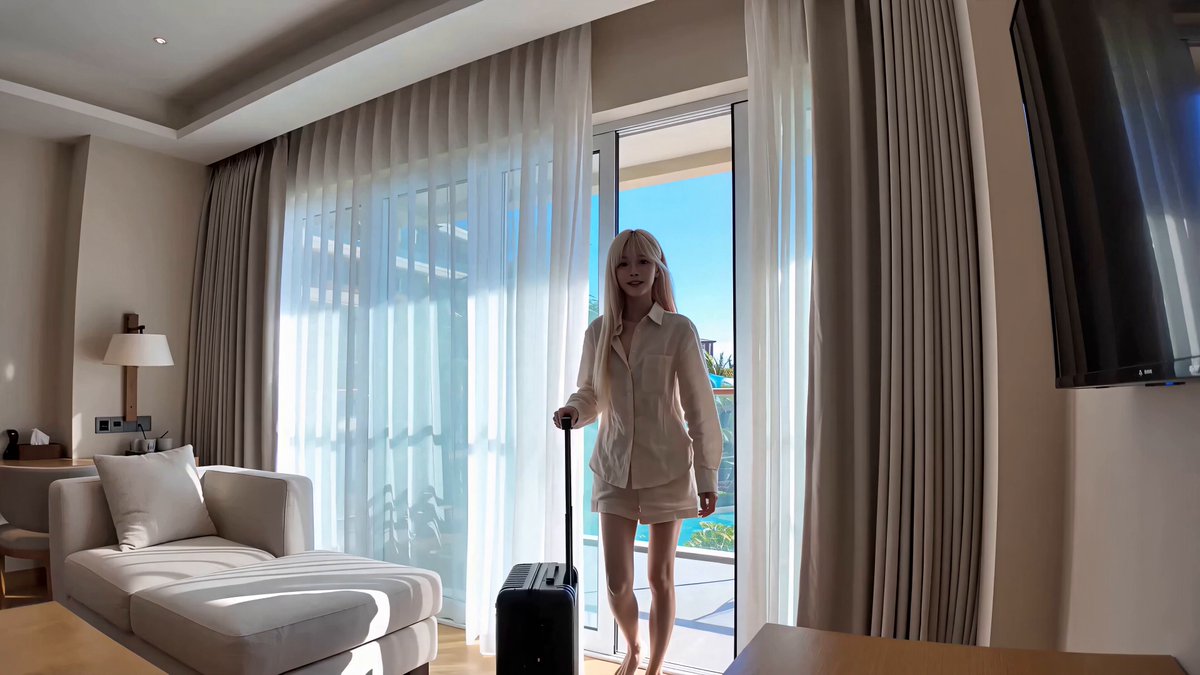
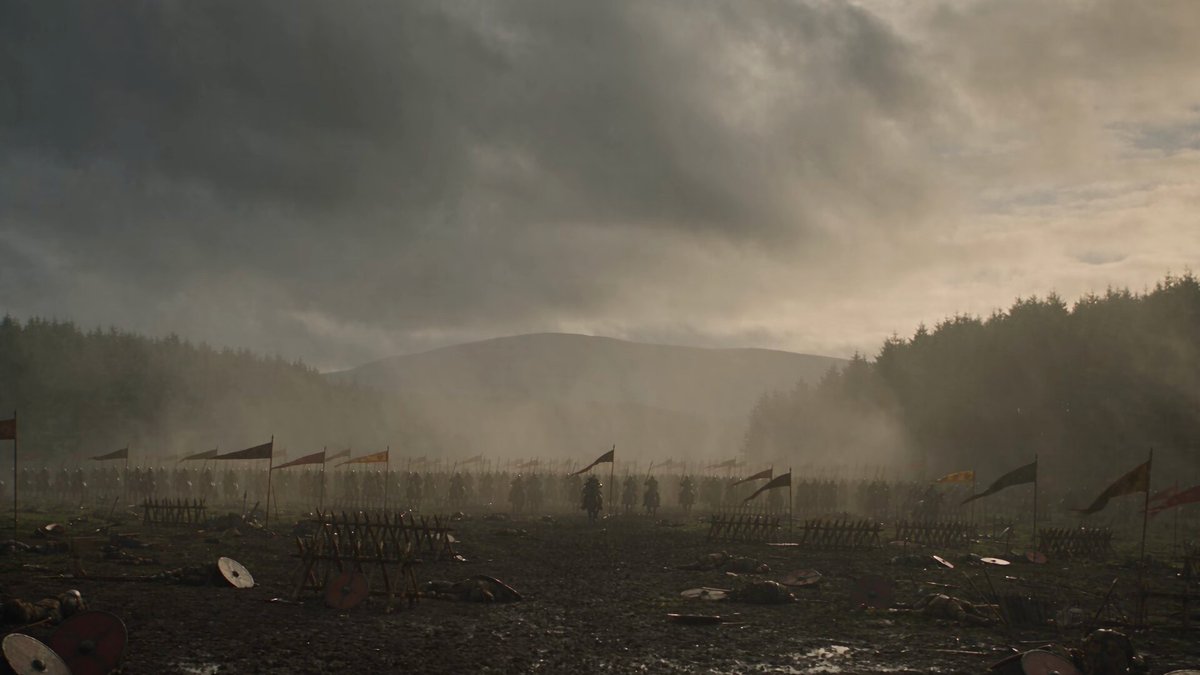
Why Short Clips Feel Short — and Where the Real Opportunity Is
Almost every creator has felt the same disappointment. You spend an afternoon shooting a tight, well-lit vertical clip, cut it down to eighteen seconds because that is what the platform seems to want, publish it, and then watch the audience drift away at second six. The clip is not bad. It is simply thin. There is not enough information, texture, or emotional movement inside those eighteen seconds for a viewer to feel like they received something.
The current short-form landscape has a specific problem: saturation of sameness. The same three-second hook, the same punchy caption, the same quick zoom, the same beat drop. Viewers have learned the pattern, and pattern recognition is the enemy of attention. When someone can predict the next four seconds of a clip, they do not need to keep watching it.
The instinct is to make the video longer. That instinct is usually wrong on its own, because a longer video made of the same thin material is just a slower disappointment. What actually works is making the short video feel longer — denser, more layered, more deliberate — so that a 25-second piece carries the narrative weight of a two-minute scene. Generative video tools make that possible in ways that traditional editing cannot, because they can manufacture continuity, extend frames beyond what was captured, and bridge shots that were never meant to sit next to each other.
This article is a practical guide to that process: how to deepen content, how to design transitions that keep the story flowing, and how to pace everything so the runtime feels earned rather than stretched.
The Three Levers That Decide Whether a Short Feels Substantial
There are only three things that meaningfully change how long a clip feels, and they are not the same as how long it is.
| Lever | What it changes | Typical tools |
|---|---|---|
| Content depth | How much is happening inside each shot | Inpainting, outpainting, image-to-video generation |
| Transition craft | How smoothly one idea becomes the next | Morph transitions, match cuts, occlusion wipes |
| Pacing and rhythm | How the viewer's attention is metered out | Beat detection, silence analysis, retention data |
Most editors only ever touch the third lever. They trim frames, nudge cut points, and hope the rhythm fixes the substance. That is like rearranging furniture in an empty room. Depth and transitions are where the real gain lives, and AI-assisted workflows make both dramatically cheaper to produce.
A useful mental model: perceived duration is a function of information density multiplied by continuity. Density without continuity feels chaotic. Continuity without density feels like a screensaver. You want both.
Lever One: Deepen the Story Instead of Padding the Runtime
Padding is adding runtime without adding meaning — a longer logo animation, a slow fade, an extra breath before the payoff. Depth is different. Depth means the viewer is processing more at any given moment.
Extending the frame with inpainting and outpainting
Inpainting fills in areas of a frame that were never captured. Outpainting expands the frame beyond its original borders. Both are now good enough to use in real production work, with the caveat that they still need human review on faces, hands, and text.
Where this earns its keep:
- Reveal shots. You filmed a close-up of a product on a table. Outpainting the frame gives you a wider version of the same moment, which you can cut to as a second beat inside what was once a single shot.
- Set extension for immersion. A café scene generated at 9:16 can be outpainted to show the surrounding room, giving you background detail that makes the location feel real rather than like a backdrop.
- Fixing continuity gaps. If you shot two takes with slightly different framing, inpainting can rebuild the edges so the two shots cut together without a jump.
A practical rule: use generative fill for anything the viewer glances at, and keep the subject of attention human-made. Audiences forgive an invented window. They notice an invented hand.
Multi-image fusion for scene continuity
Multi-image fusion takes two or more stills — a character reference, a location plate, a prop — and generates new frames that consistently hold all of them. This is the single most useful technique for turning a short clip into a sequence, because it lets you create additional angles of the same scene rather than new scenes entirely.
Suppose your original clip is a woman walking through a market. You have one wide shot. With fusion, you can generate:
- A medium shot of the same character from the same location, consistent clothing and lighting.
- A close-up of her hand brushing a fabric stall.
- An over-the-shoulder angle looking down the aisle.
Now you can cut between four angles of one continuous moment. The audience reads that as a scene, not a clip, and scenes feel longer than clips even when the runtime is identical.
Style variation for emotional range
The last depth technique is subtle but powerful: varying the visual treatment within a single piece. Start in a slightly desaturated, cool grade. Shift to warmer, higher-contrast grading as the emotional beat rises. Or move from crisp realism into a stylized look for a memory or fantasy insert.
AI style transfer and reference-based generation make this fast, but the principle is old: contrast creates the sensation of time passing. Two visually different sections imply a journey between them, and journeys feel long.
Lever Two: Moment Stretching — One Beat, Three Shots
What moment stretching actually means
Moment stretching is the practice of taking a single narrative beat — a glance, a step, a door opening — and expanding it into multiple shots that each isolate a different part of that beat. You are not slowing the footage down. You are decomposing the beat.
The classic structure is anticipation, action, aftermath:
- Anticipation: the hand reaching for the handle, the eyes narrowing.
- Action: the door swinging open, the light flooding in.
- Aftermath: the reaction shot, the empty corridor behind.
Three shots, two seconds each, equals six seconds of screen time for what was originally a half-second event. The viewer does not experience padding, because each shot delivers new information.
Three recipes that work consistently
The pre-beat. Generate a shot that happens immediately before your original clip begins. This is the easiest generative win available: an image-to-video model only needs a frame that plausibly precedes the action. It converts a standalone moment into the middle of a sequence.
The hold. Identify the emotional peak of your clip and generate a slightly different angle of the same instant. Cut to it for eight to twelve frames. This is the visual equivalent of holding a note, and it dramatically increases how substantial a moment feels.
The aftermath. Generate what happens after the clip ends — a hand lowering, a light switching off, a person walking out of frame. Endings that resolve feel longer than endings that stop abruptly.
When stretching backfires
Stretching fails when the added shots carry no new information. Three angles of the same static object with no change in expression, light, or position reads as repetition, and repetition is the fastest way to lose a viewer. Before generating an extra shot, ask what the viewer learns from it. If the answer is nothing, cut the shot.
Lever Three: AI Transitions That Preserve Narrative Flow
Transitions are where most short-form edits fall apart. Hard cuts between visually unrelated shots read as a highlight reel. A highlight reel has no narrative momentum, and without momentum every second feels expendable.
Morph transitions
A morph transition generates intermediate frames between the last frame of shot A and the first frame of shot B. When it works, the subject appears to transform, or the camera appears to travel through space between two locations.
Morphs are strongest when the two shots share a shape, a motion direction, or a focal point. A spinning wheel morphing into a spinning record is a one-second idea that communicates an entire relationship. A morph between two unrelated shots usually looks like a glitch, which is a legitimate aesthetic — but only if you commit to it stylistically.
Visual echoes
A visual echo is a deliberate repeat: the same framing, color, or gesture appearing in two different moments of the piece. The audience does not consciously catalog echoes, but they feel the connection.
How to build them quickly:
- Pick one recurring element — a color, a hand gesture, a reflection.
- Generate or shoot a second shot that includes it in a new context.
- Place the two shots at the beginning and near the end of the piece.
Echoes create the sensation of a complete arc, and complete arcs feel considerably longer than the sum of their shots.
Match cuts, occlusion wipes, and whip pans
These classic transitions are now partially automatable. Occlusion wipes — where a foreground object passes across the lens and the next shot is revealed underneath — can be generated when you do not have the physical plate. Whip pans can be simulated with motion-matched generated frames when your two shots both move in the same direction.
The rule is consistency of motion. If the outgoing shot moves right, the incoming shot must also move right, or the transition reads as a mistake.
Timing the transition
The single most common error is making the transition too long. A morph that runs for a full second draws attention to the technique rather than the story. Keep transitions between six and fourteen frames unless the transition itself is the punchline. If the audience notices the transition, it is usually doing too much work.
Pacing: Cut to the Story, Not to the Beat
AI beat detection is a gift, and it is also a trap. Cutting every shot to the downbeat produces a piece that feels mechanical, because music has regular rhythm and stories do not.
Better approach: use automated analysis for information, then cut manually.
- Silence detection tells you where natural pauses exist in your audio. Those pauses are usually the right place for a cut.
- Pacing analysis highlights where viewers historically drop off in similar content. If your clip has a four-second static shot in the first five seconds, that is likely where you are losing people.
- Beat detection gives you an anchor grid, not a rule.
Rules of thumb for cut length
- Open with shots of one to two seconds. Establish quickly.
- Mid-section shots can run two to four seconds if something changes within them.
- Place one deliberately long shot — five or six seconds — near the emotional peak. The contrast makes everything else feel faster.
- End on a shot that resolves rather than one that simply stops.
Sound-led pacing
Audio is the cheapest perceived-length multiplier in existence. A layered sound design — room tone, a subtle music bed, one or two accent sounds — makes a 20-second clip feel like a scene rather than a snippet. Generate ambient layers to fill gaps in your original recording, but keep dialogue and key effects human-recorded where possible.
Supporting Elements That Add Perceived Length
These are the small additions that buy you a second here and a second there.
- B-roll inserts. Two or three one-second inserts of relevant detail (hands, textures, environment) give the main shot room to breathe.
- On-screen text as a narrative beat. A single line of text can serve as a chapter break, which implies structure, which implies length.
- Motion graphics. A minimal lower third or a progress marker signals that the piece has a beginning, middle, and end.
- Texture overlays. Film grain, light leaks, and subtle vignettes unify disparate generated shots so they read as one take.
- Grade consistency. Inconsistent color between AI-generated and original footage is the fastest way to reveal the seams. Apply one grade across everything.
None of these are substitutes for depth. They are multipliers on depth that already exists.
A Practical Workflow: From a Short Clip to a Full Story
Here is a repeatable sequence you can run on almost any short clip.
- Audit the original. Watch it three times. Note the emotional peak, the strongest frame, and the weakest two seconds.
- Write the beat list. Break the clip into narrative beats — six to ten of them for a 45 to 60 second piece.
- Generate the missing angles. Use image-to-video with a character reference and a location plate to produce two or three extra angles of the strongest beat.
- Build the pre-beat and the aftermath. Generate one shot that leads in and one that resolves. These are usually the highest-value additions.
- Extend the frame where the edges feel cramped. Outpaint one or two hero shots so you have room to move within them.
- Assemble on a rough timeline. Do not refine cuts yet. Get the structure right first.
- Design the transitions. Add morphs only between shots that share motion or shape. Everything else gets a hard cut.
- Pace to the audio. Lay in the sound bed, then adjust cut points to the natural pauses and accents.
- Add supporting elements last. Text, inserts, overlays, grade. These should not drive the structure.
- Watch once with the sound off, once with the picture off. If the piece still makes sense without audio and still holds attention without visuals, the structure is solid.
Common Mistakes and How to Fix Them
Generated shots that drift in style. Fix by locking a reference image and a color grade before generating more than two shots.
Every transition is a morph. Fix by limiting yourself to two morphs per piece and using hard cuts everywhere else.
Uniform shot length. Fix by intentionally placing one long shot and several very short ones.
Faces that look almost right. Fix by framing around the face when a generated shot is already strong, and reserving close-ups for original footage.
Audio that starts and stops with each shot. Fix with a continuous room tone bed underneath the whole piece.
Ending on the peak with no resolution. Fix by generating a short aftermath shot. Resolution feels longer than climax.
FAQ
Does making a short video feel longer actually help performance?
It helps retention, which is what platforms measure. A clip that holds viewers through its full runtime signals value regardless of absolute length.
How much can AI generation realistically add to a clip?
For most creators, AI is best used to generate two to four supporting shots and a handful of extended frames. It is a supplement to your footage, not a replacement for it.
Which tools should I use for transitions?
Video generation tools such as Runway, Pika, Kling, Luma Dream Machine, and Sora-class models all handle frame interpolation and morphing to varying degrees. For traditional editing and pacing work, CapCut, DaVinci Resolve, and Premiere Pro remain the practical choices.
How do I keep generated footage consistent with real footage?
Lock a grade, match your grain, and blend the two layers with a subtle texture overlay. Grain mismatch is more noticeable than color mismatch.
Is moment stretching the same as slow motion?
No. Slow motion stretches one shot. Moment stretching adds shots that each show a different part of the same beat.
What if my original clip is only five seconds long?
Then build outward: a pre-beat, an aftermath, and two additional angles of the peak moment. Five seconds of strong footage can carry a thirty-second piece if the surrounding shots are specific.
The underlying principle never changes. Length is not what viewers feel. They feel density, continuity, and resolution — and all three are now within reach of anyone willing to generate a few extra shots and cut them with intention.
