
The quality of an AI-generated video depends almost entirely on the quality of your prompt. Yet most creators type a few words and hope for the best. Mastering prompts is a skill, and it separates casual experiments from professional results. This guide covers text prompts, gestural prompts, and the techniques that make AI video generation predictable and controllable.
Why prompting matters in 2025
Video models have become powerful, but they still need precise instructions. A vague prompt produces a generic clip. A structured prompt produces a clip that matches your vision: the right camera movement, lighting, character, and mood. The difference is not the model; it is how you communicate with it.
Structuring descriptive text prompts
Start with the subject
Begin with who or what is in the frame. Be specific: "a woman in a red coat walking through a rainy Tokyo street at night" tells the model more than "a woman walking".
Add scene and environment
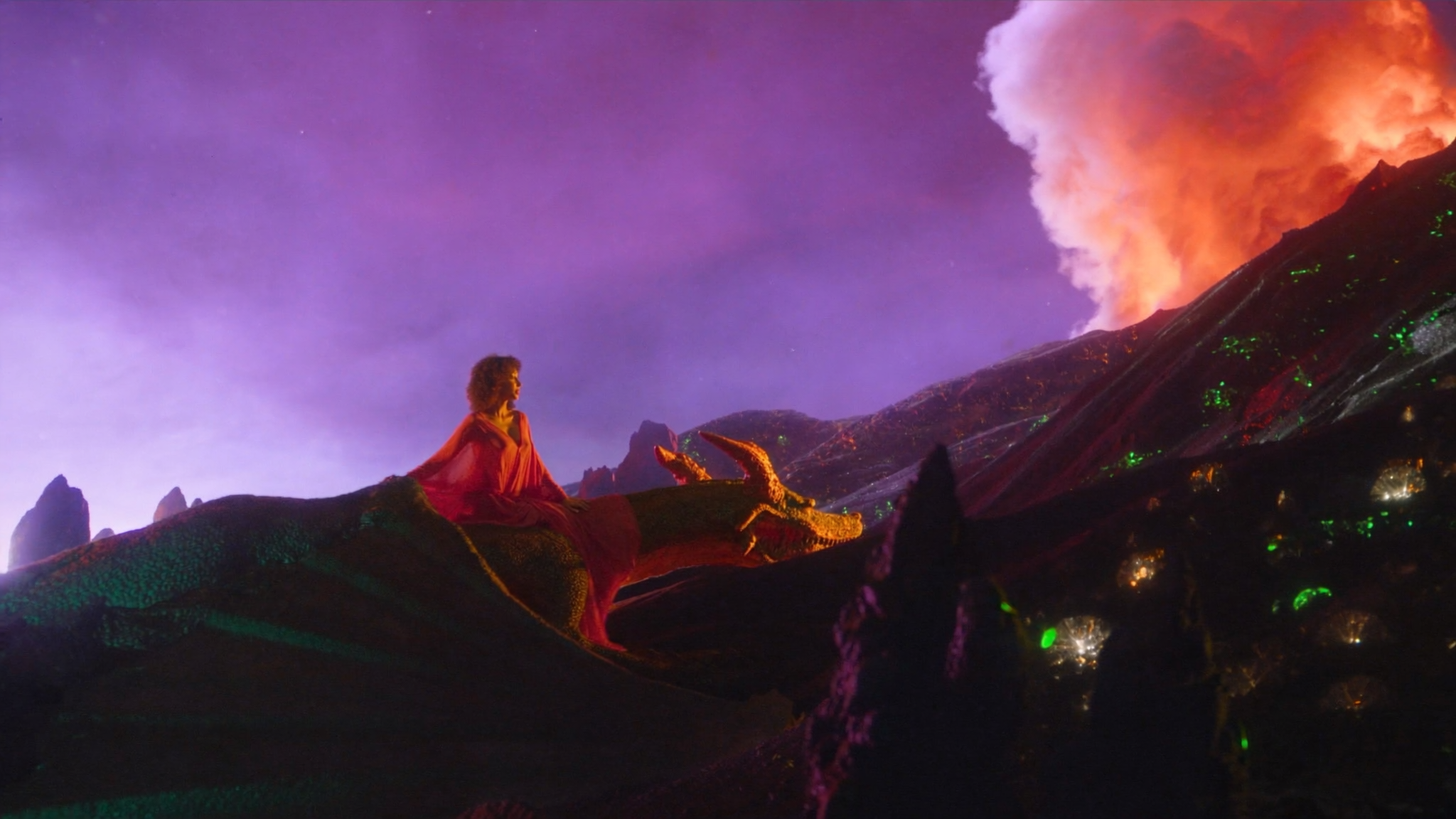
Describe the setting, time of day, and atmosphere. Words like "golden hour", "foggy", "neon-lit" dramatically change the output.
Specify camera and motion
Video models respond to camera instructions: "slow push-in", "handheld", "dolly out", "aerial shot". Adding motion language transforms a static-looking scene into a cinematic one.
Use style and aesthetic modifiers
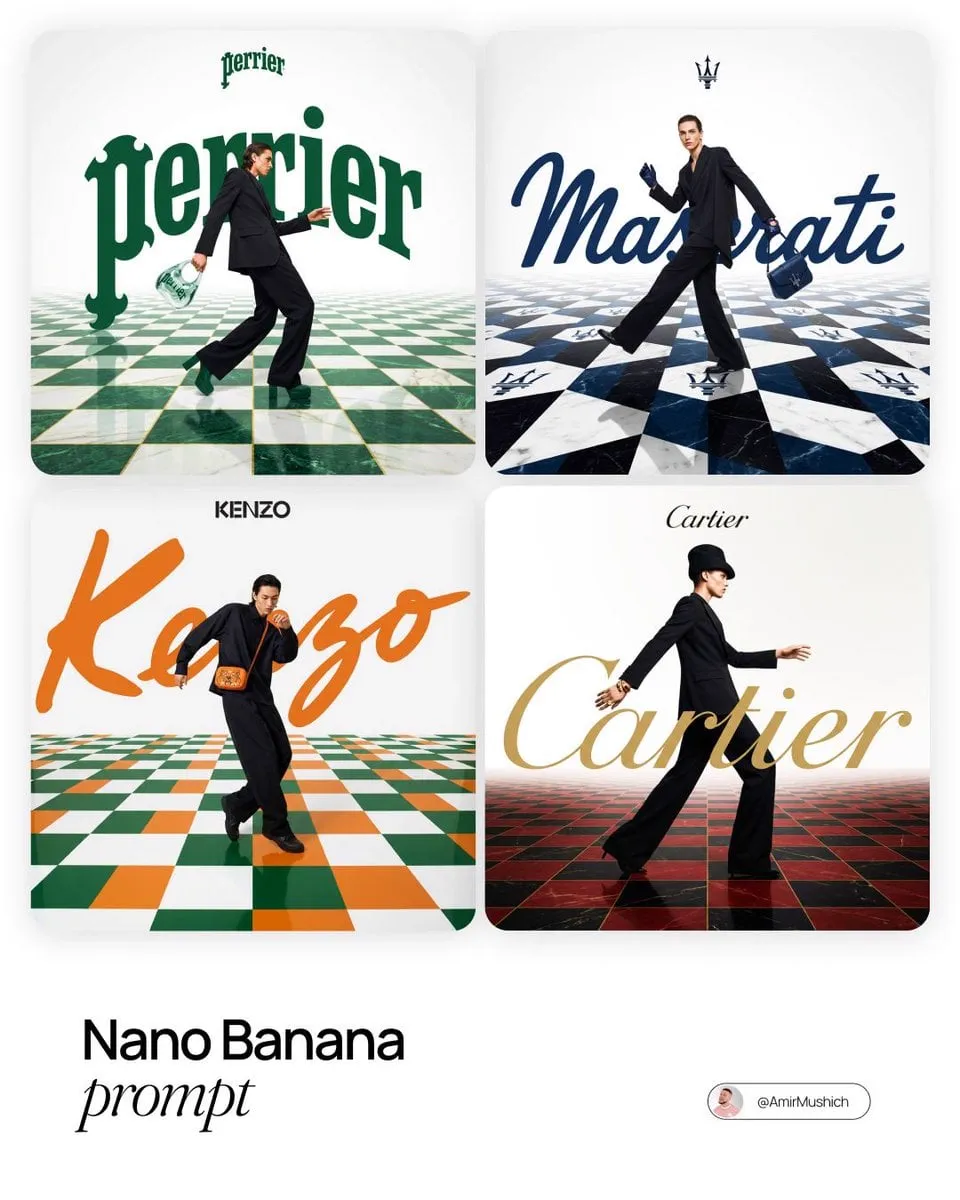
Reference established styles: "cinematic", "anime", "documentary", "35mm film". Combine styles carefully; too many conflicting modifiers confuse the model.
Advanced text prompt techniques
Negative prompting
Tell the model what to avoid: "no text, no watermark, no extra fingers, no blur". Many platforms support negative prompts, and they prevent common artifacts.
Weighted prompting
Some tools let you emphasize parts of a prompt: "cyberpunk city (strong), rain (medium), empty streets (strong)". Weighting helps when the model ignores certain elements.
Chain-of-thought prompts
For complex scenes, break the description into ordered steps: first the setting, then the character's action, then the camera move. Sequential structure improves coherence.
Gestural prompts: controlling movement
Describe the action clearly
Use precise verbs: "she waves her hand slowly", "the car drifts around the corner", "leaves swirl in the wind". Specific actions generate better motion than abstract words like "dynamic".
Use reference images for kinematic consistency
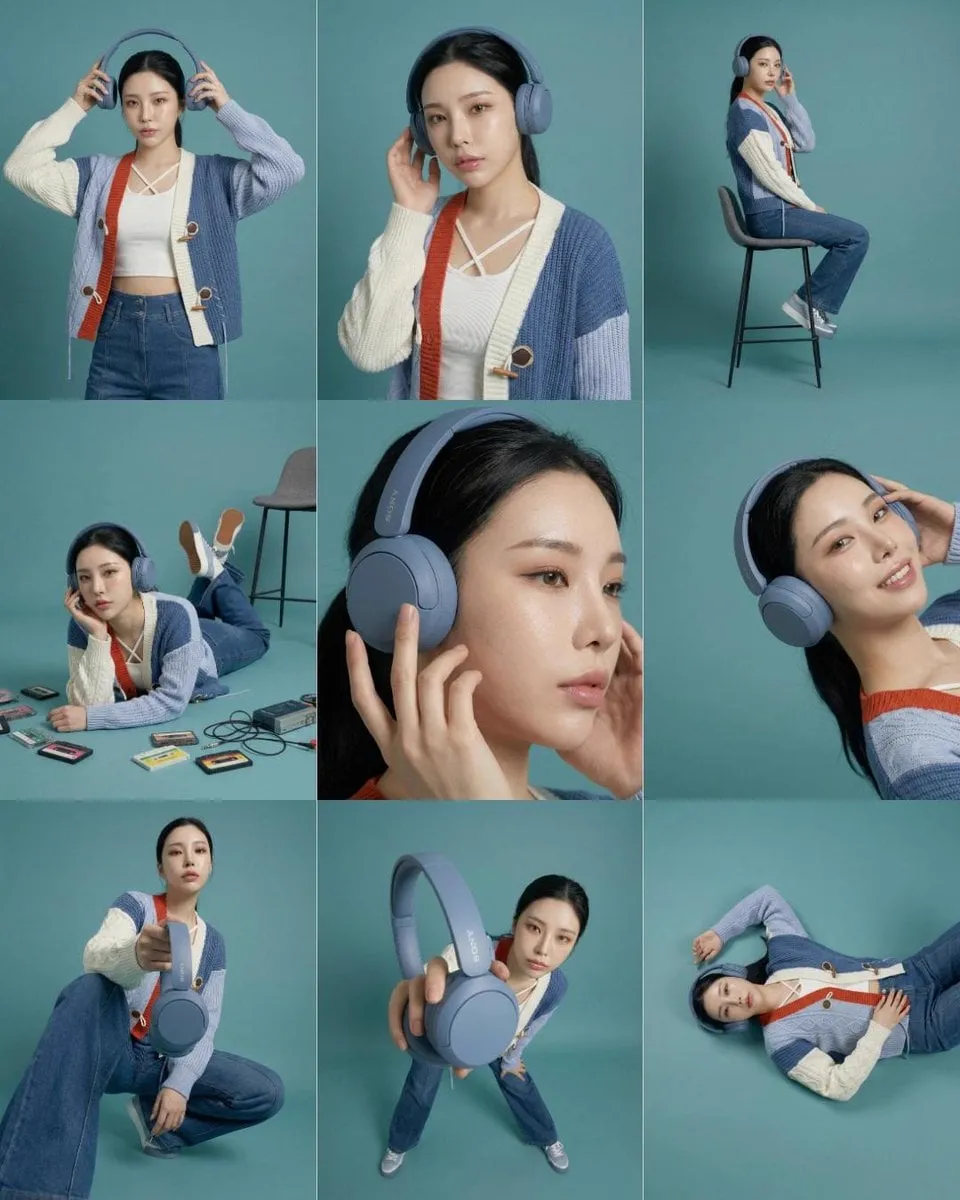
When you need a character or object to move consistently, create a reference image first with an AI image generator, then animate it with image to video. The model uses the reference to keep identity stable across frames.
Combine text style with gestural dynamics
Write a prompt that mixes visual style and motion: "a knight in ornate armor, cinematic lighting, walking toward the camera with a slow confident stride". The style governs the look; the verbs govern the movement.
Using multi-reference input
For complex projects, use multiple references: one for the character, one for the environment, one for the color palette. Platforms that support multi-image fusion give you far more control. Start with a base image from text to image, refine it, and feed the result into a video generator for motion.
Common mistakes to avoid
- Overloading the prompt: too many elements dilute the output. Focus on the essentials.
- Ignoring the model's strengths: different models excel at different tasks. Match the prompt to the model, and try a specialized one like gpt-image-2 when detail matters.
- Skipping iteration: the first result is rarely the best. Generate variations, compare, and refine.
Frequently asked questions
How long should a prompt be? Long enough to be specific, short enough to stay coherent. A paragraph of 2-4 sentences usually works well.
Are gestural prompts supported everywhere? Not all tools treat motion language equally. Experiment with your platform to learn which verbs it understands.
Do I need to be an artist to write good prompts? No. Prompting is a learnable skill. Study examples, build a library of prompts that work, and iterate.
Mastering prompts is the fastest way to improve your AI video output. Start with structure, add motion language, use references for consistency, and never skip the iteration step. In a few weeks, your videos will look dramatically more professional.
