
Introduction: Style Transfer Grows Up
Style transfer has been one of the most visible applications of AI since the early neural network demos that turned photographs into paintings. The concept is simple: take the content of one image and render it in the style of another. The execution, however, has always been crude. Classic style transfer applied a global treatment to the entire frame, so the same brushstroke texture, color palette, and distortion covered everything from the subject's face to the background sky.
Video style transfer inherited every one of those limitations and added a new one: temporal instability. A style that looks fine in a single frame flickers, warps, and shifts across frames, producing output that is technically styled but practically unusable.
Modular pixel processing changes the game. Instead of treating a frame as a single canvas, it divides the frame into small modular blocks, each carrying its own style mapping and motion vectors. This granular architecture enables region-specific styling, stable temporal behavior, and a level of artistic control that global methods never offered. This article explains how modular pixel-block processing works, why it matters for AI video in 2025, and how creators can use it in real production.
The Current State of AI-Driven Video Creation
The AI video industry in 2025 is defined by an abundance of capable generation models. Photorealism has reached the point where untrained viewers often cannot tell synthetic footage from real footage, and stylized animation models produce results that rival traditional studios. The bottleneck has shifted from raw capability to control.
Creators no longer ask, can the tool generate this? They ask, can the tool generate this the way I want it? Can it keep my character consistent across scenes? Can it apply my brand's style to a product shot without ruining the product? Can it change the look of one element without destroying the rest of the frame?
These are post-production questions, and they explain why the industry's attention has moved from generation to editing. Style transfer, the oldest trick in the AI visual playbook, has been reinvented as a precision tool for exactly these workflows.
Why Pixel-Level Control Matters in 2025
The volume of digital content in 2025 has made generic output worthless. A video that looks like every other AI video does not help a brand stand out. What creators need is a distinctive visual identity: a look that is recognizable, consistent, and repeatable.
Pixel-level control delivers that distinctiveness. When a creator can apply a style to a specific region, preserve a specific object, and keep the treatment stable across frames, the output stops being a generic AI render and becomes a designed piece of work. This is the difference between applying a filter and directing a visual language.
There is also a consistency angle. When multiple scenes need to share the same character or object, style must not corrupt identity. Modular processing keeps the identity block intact while styling everything around it. That separation is precisely what brand content and serialized productions require.
The Technical Foundation of Modular Pixel Processing
Modular pixel processing is built on a simple but powerful idea: decompose, style, recompose. A video frame is divided into modular blocks, each block stores independent style information and motion vectors, and the styled blocks are reassembled into the output frame.
This decomposition is what makes everything else possible. Because each block is independent, the system can apply different treatments to different parts of the image. Because each block carries motion vectors, the styling stays glued to the underlying content as it moves. The result is style transfer that behaves like a production tool rather than a party trick.
Pixel-Block Architecture and Control
The architecture of a pixel-block system is modular by design. Each block contains three kinds of information: content features describing what is in that region, style parameters describing how it should look, and motion vectors describing where it is moving.
The independence of blocks is the key insight. A traditional style transfer applies one style map to the whole frame, which is why everything gets distorted together. In a modular system, the style map is per-block, so a background can receive a painterly treatment while the foreground subject remains untouched. The creator gains a level of control that was previously only possible with labor-intensive manual rotoscoping and compositing.
Artistic Freedom in Style Transfer
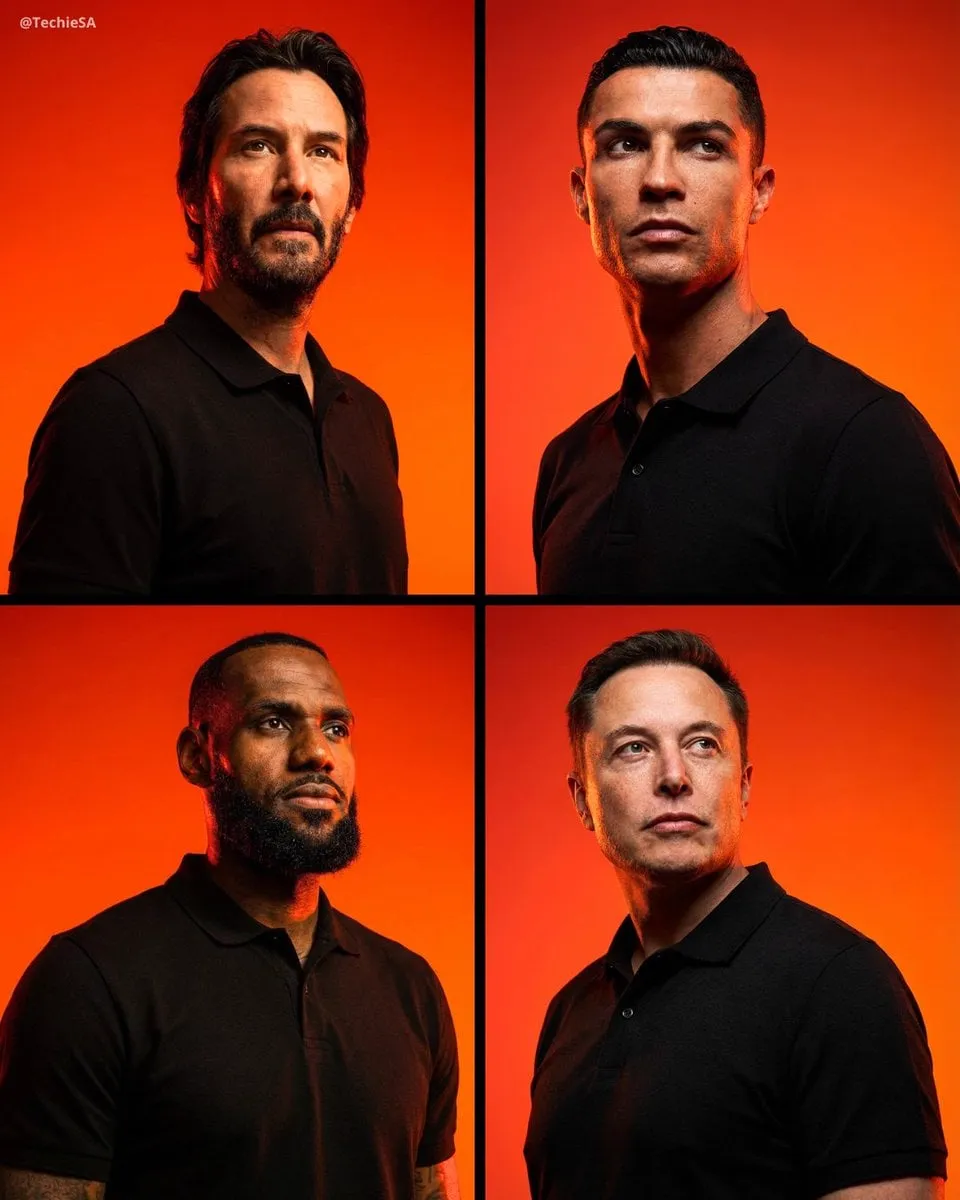
The practical effect of pixel-level control is artistic freedom. In traditional systems, applying a style affected the entire frame, and the creator had to accept the collateral damage. With modular processing, a creator can specify that the sky becomes watercolor, the building becomes sketch, and the person stays photorealistic, all in the same frame.
This granularity also enables iterative refinement. The creator can adjust one block at a time, see the result, and adjust again, without regenerating the whole frame. Style becomes a set of dials rather than a single toggle, and the creative process becomes exploratory rather than all-or-nothing.
Multi-Image Fusion and Consistency
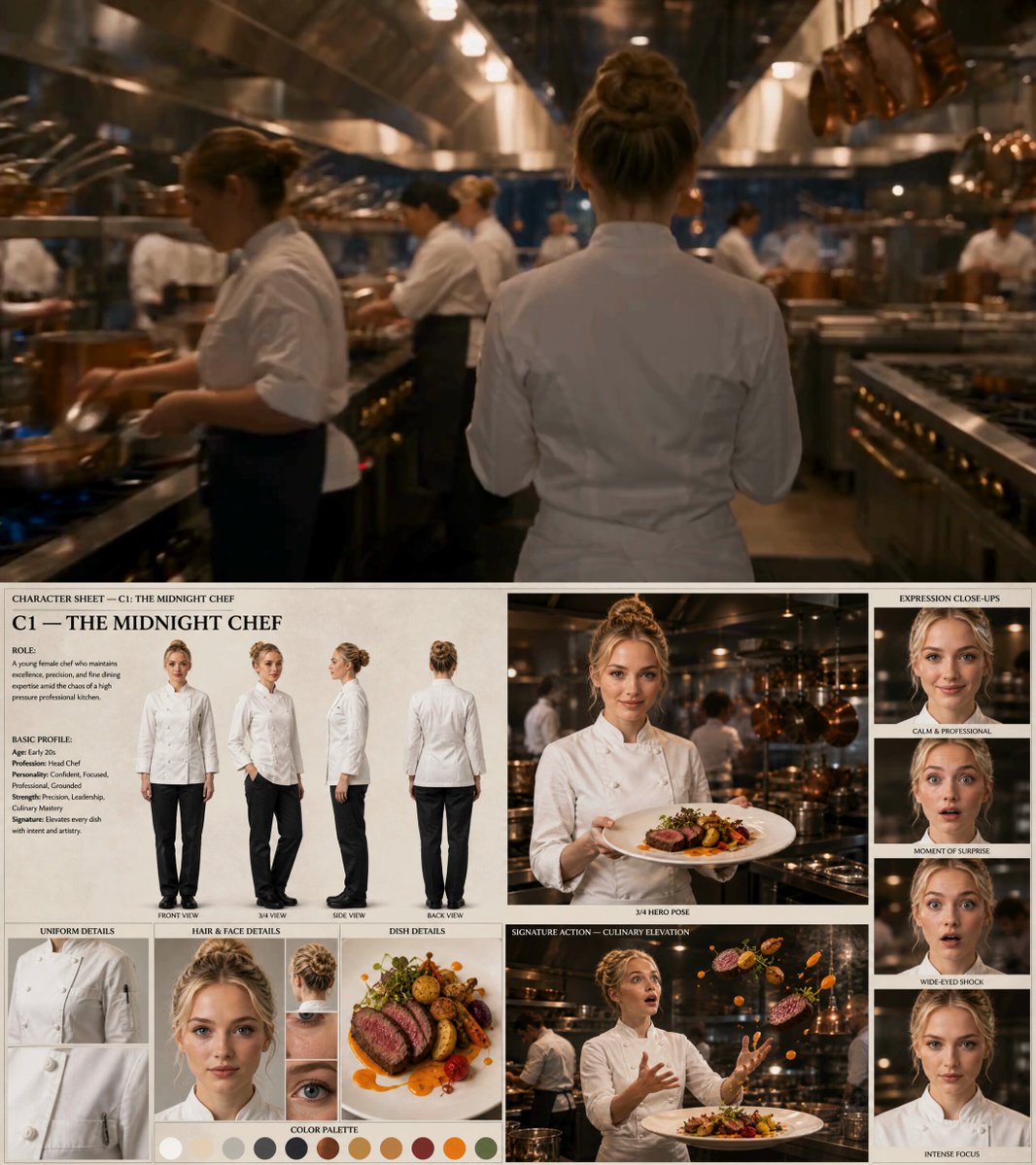
Maintaining character consistency during style transfer is one of the hardest problems in the field, especially when scenes change. Modular pixel processing strengthens the solution by combining with multi-image fusion techniques.
Each pixel block can carry its own attention mechanism, which checks whether the content in this region matches a known identity. When a character's face is styled, the system consults the identity reference and ensures the styling does not break recognition. The result is that a character can move through stylized worlds, scenes, and lighting conditions while remaining unmistakably the same character.
Platform Architecture and Integration
Modular pixel processing is not a standalone algorithm; it lives inside a larger production system. Understanding where it fits helps creators use it effectively.
Backend Structure and Data Management
Modern AI video platforms are built on modular backend architectures, typically with a framework such as NestJS and TypeScript at the core. Dependency injection keeps the modules decoupled, so the pixel-processing module can evolve independently from the model routing, billing, and user-management modules.
When a user submits a style transfer request, the backend orchestrates a chain of steps: validate the request, normalize the input frames, decompose them into blocks, route the styled output through the appropriate generation models, and return the result. Each step is observable, retryable, and replaceable, which is what makes the whole pipeline reliable at scale.
AI-Assisted Direction and Styling
The integration of pixel-level control with AI-assisted direction is where the workflow gets interesting. An AI director component can interpret a high-level intent, such as give this scene a dreamlike pastel look while keeping the product true to its catalog colors, and translate it into block-level style instructions automatically.
This removes the need for the creator to think in pixels. The creator thinks in creative intent, and the system handles the technical decomposition. For non-technical teams, this is the difference between a feature they can use and a feature they admire.
Adapting to a Diverse Model Library
Style transfer is often applied in combination with generation models. A creator may want to generate a base video with one model, then restyle it with a second model, then touch up specific regions with a third. Modular processing is most valuable when it can adapt across this diverse library rather than being tied to a single engine.
The practical approach is to treat pixel-block processing as a pre-processing and post-processing layer around generation. Normalize and decompose the input before generation, then reapply style blocks after. This layering keeps the pipeline model-agnostic and gives the creator freedom to swap models without rebuilding the workflow.
Practical Applications
The capabilities of modular pixel processing translate into concrete production use cases.
Consistent Animation and Stylistic Change
Animated content has the hardest consistency requirements, because characters are defined by style rather than by physical reality. With modular processing, an animator can change the visual treatment of a scene, shift from one art style to another, or evolve a style across an episode, while keeping the characters stable.
Serialized content benefits directly. A show that starts in a realistic style and gradually shifts to a stylized dream sequence can make that transition smoothly, scene by scene, without regenerating the entire episode or losing character identity.
Photorealism and Artwork Blending
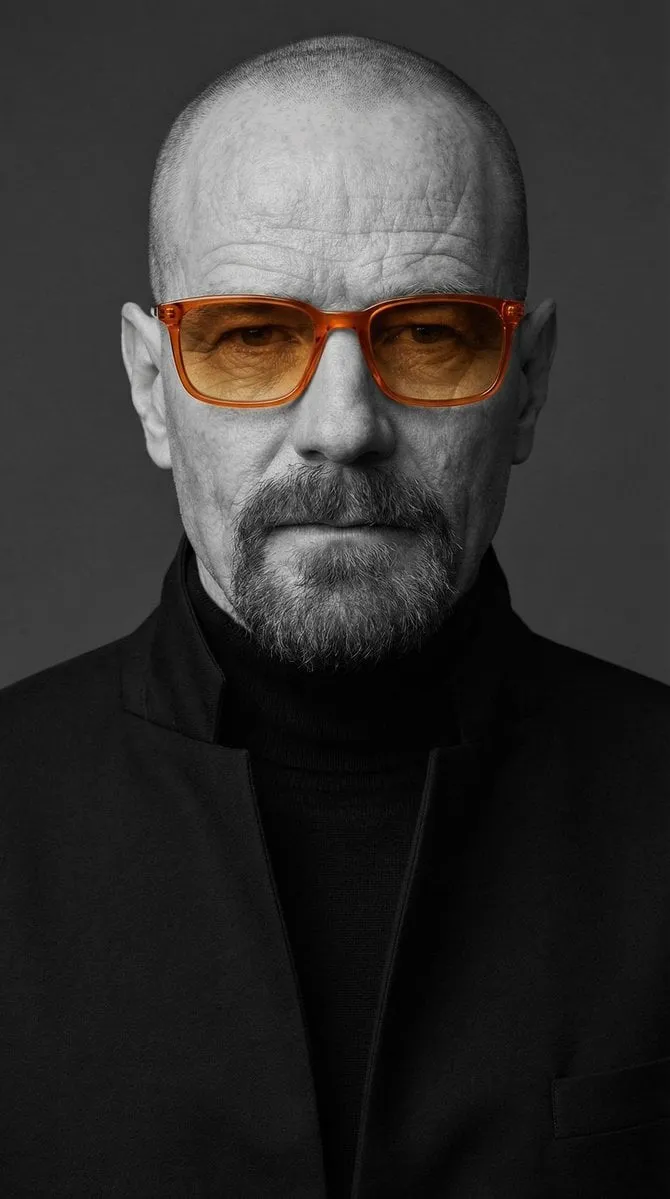
One of the most requested effects in commercial work is the hybrid: a photorealistic subject inside a stylized environment. Modular pixel processing handles this naturally. The subject region keeps its realism, the environment receives the artistic treatment, and the boundary between them is handled by the block system.
This enables campaigns where a real product appears inside a painted world, or where a realistic actor interacts with an illustrated set. The effect looks intentional because it is intentional, not because the creator got lucky with a global filter.
Business Content and Branding
For businesses, the most valuable application is brand-consistent styling. A company's visual identity, its colors, its typography feel, its product presentation style, can be encoded as style parameters and applied consistently across every video.
The result is a catalog of branded content that looks like it came from one team, even when different videos use different generation models or were created months apart. For agencies and in-house teams, this consistency is a deliverable in itself.
Combining with High-Capability Generation Models
The final piece is understanding how modular processing combines with the most capable generation models available. The relationship is complementary. Generation models produce the raw material; modular processing refines it.
A typical high-end workflow begins with a powerful model generating a base clip. The clip is decomposed into pixel blocks, the desired style is applied at block level, and the styled output is fused back with attention to identity references. If a region needs correction, the creator adjusts that block and regenerates only the affected area, saving time and preserving the rest of the shot.
This two-layer approach is why pixel-level control feels like a professional pipeline instead of a filter. It sits between the model and the final edit, giving the creator surgical control over the look of the finished piece.
A Step-by-Step Styling Workflow
Putting pixel-level control to work is simpler than the technology suggests. Here is a workflow that applies to most production scenarios.
First, define the target regions. Decide which parts of the frame should receive the style treatment and which must remain untouched. This is a creative decision, not a technical one: the hero product stays true, the background becomes painterly, the character keeps their identity. Second, prepare the references. If the scene contains a character or product that must remain recognizable, supply identity references before styling, so the attention mechanism can protect those regions. Third, run a low-cost pass. Apply the style to a single representative frame first, review the block-level result, and adjust the region definitions before processing the full sequence. Fourth, check temporal stability. Review a short clip, not a single frame, because the motion vectors are what keep the style glued to moving content. Fifth, refine selectively. When one region is wrong, adjust that block and regenerate only the affected area rather than the whole shot. Finally, export and archive the style parameters. Saving the exact settings lets you reproduce the look in future projects, which is how a one-off effect becomes a signature style.
The discipline of the workflow is review before commitment. Pixel-level control is only valuable if you use it to check your work cheaply, and the low-cost pass and the single-frame review are the cheapest checkpoints you have.
FAQ
Is modular pixel processing the same as traditional style transfer? No. Traditional methods apply a global treatment to the whole frame. Modular processing applies per-region treatments with motion vectors, which gives finer control and temporal stability.
Do I need to understand pixels to use it? No. Good implementations expose creative intent, such as target regions and style choices, and handle the pixel-level decomposition automatically.
Can it fix character drift during style transfer? It helps significantly. Per-block attention against identity references prevents styling from breaking character recognition, which is a major source of drift.
Is it useful for still images too? Yes. The same decomposition and per-region styling works for photographs and illustrations, though the motion-vector component is what makes video uniquely stable.
Conclusion
Style transfer has come a long way from the days of global filters that distorted everything in the frame. Modular pixel processing turns style into a precision instrument: region-specific, motion-aware, and identity-safe. For creators in 2025, this is the difference between content that looks generated and content that looks designed.
The architecture behind it is mature, the integration with generation models is practical, and the creative possibilities are only beginning to be explored. Whether you are animating a series, producing brand content, or blending photorealism with illustration, pixel-level control gives you the freedom to make the look of your video exactly what you intend.
