
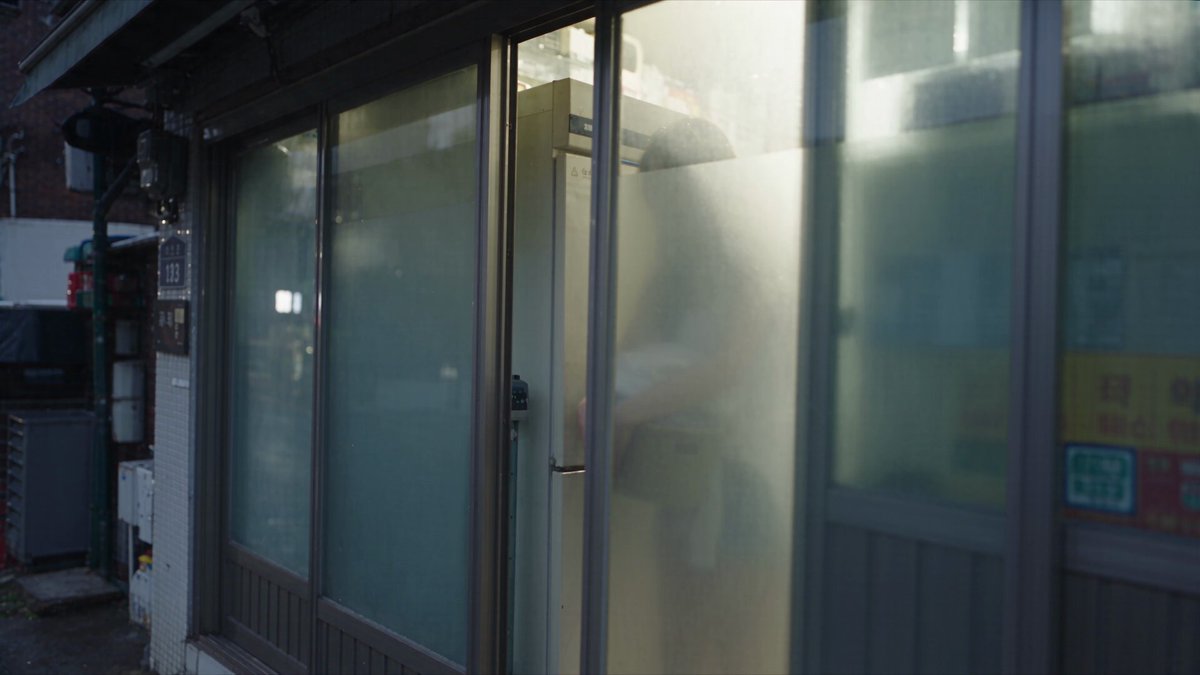
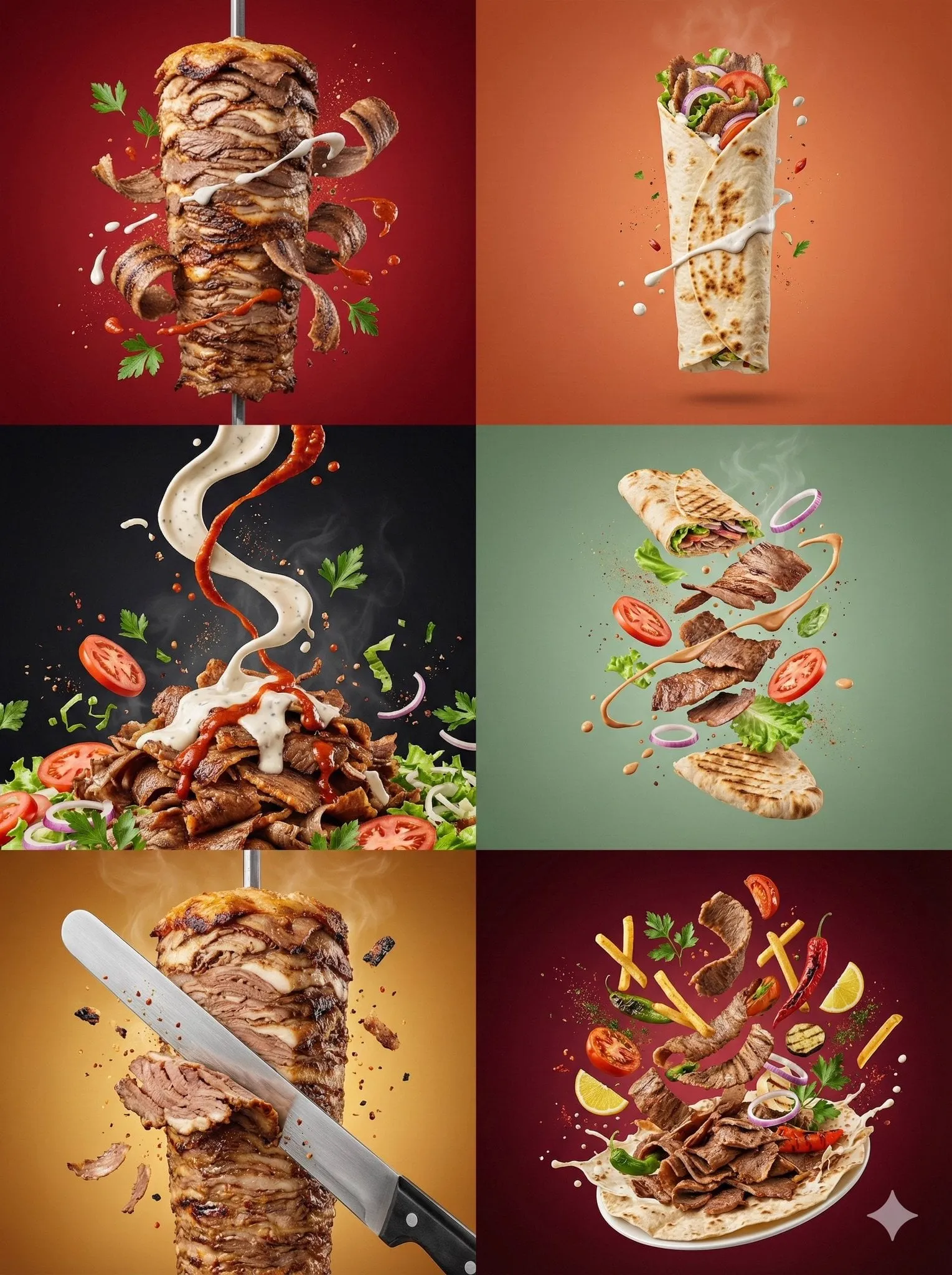
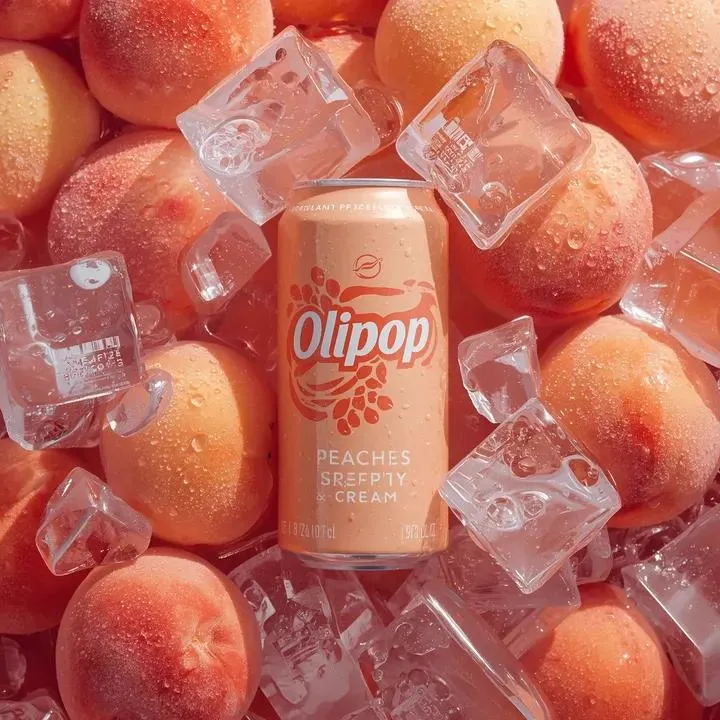
Anyone who has generated more than one AI video has hit the same wall: the second clip does not look like the first. The character's face shifts. The color palette drifts. The environment mutates. The technology can create stunning footage, but holding a consistent visual identity across shots, scenes, and videos remains the hardest problem in the field.
Multi-image fusion is the most practical answer so far. Instead of describing everything with words, you feed the model visual references — multiple images that define the character, the location, the style — and let them anchor the generation. This guide explains how the technique works, how to use it with different model families, and how to build a workflow that keeps your content consistent at scale.
Why Visual Consistency Is the Hardest Problem in AI Video
Generative models are statistical machines. Every frame is a sample from a probability distribution, and nothing guarantees that two samples describe the same world. A face generated from the prompt "a young woman" is not a specific person; it is an average of every young woman the model has seen. The same prompt twice can produce two different people.
Consistency problems appear at every scale:
- Within a clip: the face changes between frames.
- Across a series: the same character looks different in every video.
- Across a brand: the palette, lighting, and style drift from project to project.
Words are the weakest anchor. Language cannot fully describe a face, a room, or a lighting setup. Images can. This is why reference-driven generation has become the professional standard.
What Multi-Image Fusion Actually Does
Multi-image fusion lets a model accept several reference images and combine them into a single output. Each reference contributes an element: one image defines the character, another the location, another the style, another the object.
The power of the technique is composition. You can build a scene from assets you already own — a photo of the actor, a render of the set, a mood board for the lighting — without asking the model to invent any of them. The result is a shot that feels like part of a world you designed, not a random sample from the model's imagination.
Fusion also works across shots. The same set of references, applied consistently, keeps the entire series anchored to the same visual DNA.
Reference Images and Keyframes
In production, the terms "reference image" and "keyframe" are used almost interchangeably, but they serve slightly different roles.
- Reference images define the constants: who the character is, what the environment looks like, what the style should be.
- Keyframes define the structure of a scene: the starting frame, the ending frame, and sometimes intermediate poses. The model animates between them.
Keyframe-based workflows are the closest thing to traditional animation. You draw the important moments and let the model fill the motion between them. This gives you direct control over composition and pacing — if the keyframes are right, the motion between them is more likely to be right.
Model-Specific Strategies
Different model families handle references differently. Understanding the differences lets you choose the right tool for each task.
Flux Models and Style Control
Flux-based models are known for accurate prompt understanding and strong image quality. When you feed them references, they excel at preserving visual style: painterly looks, brand palettes, and consistent compositions. Use Flux-class models when the style itself is the asset — illustrated series, branded content, mood-driven pieces.
Runway Models and Cinematic Control
Runway's generation models are built for filmmakers. They offer fine-grained control over camera language and composition, and their reference workflows support intentional shot design. Use Runway-class models when the scene needs direction: specific camera moves, deliberate framing, and a cinematic feel.
Sora and Kling: Realism and Motion
Sora-class models lead in physical realism: light, materials, and scene logic. Kling-class models lead in motion quality: running, dancing, interacting objects. Both support reference-driven workflows, which makes them practical for character work. Use them when the content must feel real and move convincingly.
The practical approach is not to pick one family but to route each shot to the model that fits it: style-heavy shots to Flux-class tools, directed shots to Runway-class tools, and realism or action shots to Sora- or Kling-class tools.
Building Consistent Characters Across Scenes
Characters are the hardest asset to keep consistent, and the most important one. A brand with a recurring mascot, a series with a protagonist, or an ad campaign with a spokesperson all depend on the same face appearing reliably.
Curate a Strong Character Reference
Start with the best image of the character you have: clear face, consistent lighting, neutral background. One strong reference beats five weak ones. If the character has multiple looks — different outfits, different angles — collect a small set and use the relevant one per scene.
Reuse the Same Anchor Every Time
The golden rule is repetition: the same reference, the same style description, the same character name in every prompt. Consistency is a habit, not a setting. Teams that enforce this rule across every generation see dramatically less drift.
Verify and Correct
Even with anchors, check each output. Faces are the most likely failure point. When a face drifts, regenerate with a tighter prompt or fix it in post rather than accepting the error.
Using Reference Images in a Director-Style Workflow
The most efficient way to apply multi-image fusion is through a director-style workflow, where an automated agent manages the references across the whole production.
- Define the asset kit: character references, environment references, style references.
- Write the script with explicit anchors: which character, which location, which style per scene.
- The agent attaches the correct references to each shot and generates.
- The agent assembles the scenes and flags inconsistencies.
- A human reviews, selects, and fixes.
The asset kit is the heart of this system. Build it once, maintain it as the character evolves, and every future project starts from a stronger base.
The Role of Sound and Music in Cohesion
Visual consistency is not the only kind. A video also feels consistent when the audio matches the visuals: the same voice across scenes, a music direction that holds the mood, sound design that ties the world together.
Use the same voice for the character across every episode. Keep the music in the same emotional and rhythmic family. Match the sound design to the visual world — a gritty urban series should sound different from a soft product film. Audio cohesion makes visual consistency feel complete; without it, even perfect visuals can feel assembled rather than unified.
A Practical Implementation Workflow
Step 1: Build the Asset Kit
Collect every image you will need: characters, locations, products, style boards. Clean them: high resolution, consistent framing, no distracting elements.
Step 2: Write the Anchored Script
Write the script with explicit anchors per scene. Name the character and attach the reference. Describe the location and attach its reference. State the style and attach the board.
Step 3: Generate with References
For each shot, feed the relevant references with the prompt. Keep the prompt focused on what should change — the action, the camera — and let the references carry the constants.
Step 4: Curate Relentlessly
Generate multiple candidates per shot. Select the ones that hold consistency. Fix small issues in post; regenerate the ones that fail badly.
Step 5: Maintain the Kit
After each project, update the asset kit. Better references appear over time — better photos, better renders, better boards. The kit is a living asset that compounds.
Common Mistakes and Fixes
- Weak references: a blurry, badly lit reference produces a weak anchor. Invest in the source images.
- Inconsistent anchoring: using different references for the same character across shots guarantees drift. Standardize the kit.
- Overloading the prompt: describing every detail in words fights the references. Let the images carry the constants.
- Skipping review: consistency is probabilistic. Every output needs a check, and the check needs a human.
- Ignoring audio: a consistent world needs consistent sound. Match voice, music, and design.
Planning a Consistent Series from the Start
Consistency is easier to build into a series than to retrofit after it drifts. A little planning at the start saves hours of fixing later.
Define the Visual DNA Once
Before the first shot, write down the series rules: the character's appearance, the color palette, the camera language, the music direction, the voice. This document is the north star for every generation. When a shot drifts, you do not argue about taste — you check it against the rules.
Build the Asset Kit First
Collect the character references, environment references, and style boards before you start generating. A series planned around a weak kit will fight consistency for its entire run. A strong kit makes every episode cheaper and more consistent than the last.
Design the Shot Language
Decide how the series looks: close-ups or wide shots, handheld or locked-off, quick cuts or long takes. Repeating a signature shot style makes the series recognizable and reduces the number of creative decisions per episode.
Batch Production by Episode
Generate one episode fully before starting the next. This keeps the style fresh in your memory and lets you fix a recurring problem before it contaminates the whole series. Archive each episode's references and prompts so the next episode can match them exactly.
Tools and Features to Look For
Not every tool supports the same fusion workflow. When choosing software, check for these features:
- Multiple reference inputs per generation.
- Keyframe support for scene structure.
- Style conditioning separate from content.
- Consistent character tools or custom model training.
- Batch generation for series work.
- Version history and asset management.
The tool does not create consistency by itself, but the right features make the discipline much easier to apply. A tool that supports references, keyframes, and asset management will reward the workflow described in this guide; a tool without them will fight it.
Measuring Consistency Over Time
Consistency is not a feeling; it can be measured. Track the dimensions that matter for your project and review them on a schedule.
- Face similarity: compare the character's face across episodes with a simple side-by-side or an embedding similarity score.
- Palette drift: check the dominant colors of each episode against the style board.
- Camera language: confirm the shot style stays within the rules you defined.
- Voice and music: verify the same voice and the same musical family are used.
Keep a simple scorecard per episode. When a dimension drifts, the scorecard shows exactly where to intervene — a better reference, a tighter prompt, a retrained style. Over a series, the trend matters more than any single episode: consistency should improve as the asset kit matures, and a scorecard proves it.
FAQ
What is multi-image fusion in AI video?
It is a technique that lets a model accept several reference images and combine them into a coherent output — character, location, style, and objects defined by different sources.
How do I keep the same character across videos?
Use one strong reference image of the character in every generation, paired with the same style description. Reuse it consistently across the whole series.
What is the difference between a reference image and a keyframe?
A reference image defines a constant — who or what something is. A keyframe defines a moment in the scene — a starting or ending pose. Both anchor generation, but in different ways.
Do all AI video models support multiple reference images?
Most leading models support at least one reference image, and many support several. Check the documentation of the specific tool; support varies.
Why does my character's face change between frames?
Generative models sample from probability distributions, so faces drift without strong anchors. A clear reference image and a tight prompt reduce the drift, and curation removes the failures.
Is consistency achievable, or should I just accept drift?
Consistency is achievable with discipline: curated references, standardized prompts, and human review. It is not guaranteed, but it is a repeatable process that gets better with practice.
Visual consistency is the difference between AI video that looks like a demo and AI video that looks like a production. Multi-image fusion gives you the tool; the workflow makes it reliable. Build your asset kit, anchor every generation, curate every output, and keep the audio in the same world. The result is content that viewers recognize as yours — frame after frame, video after video.
