



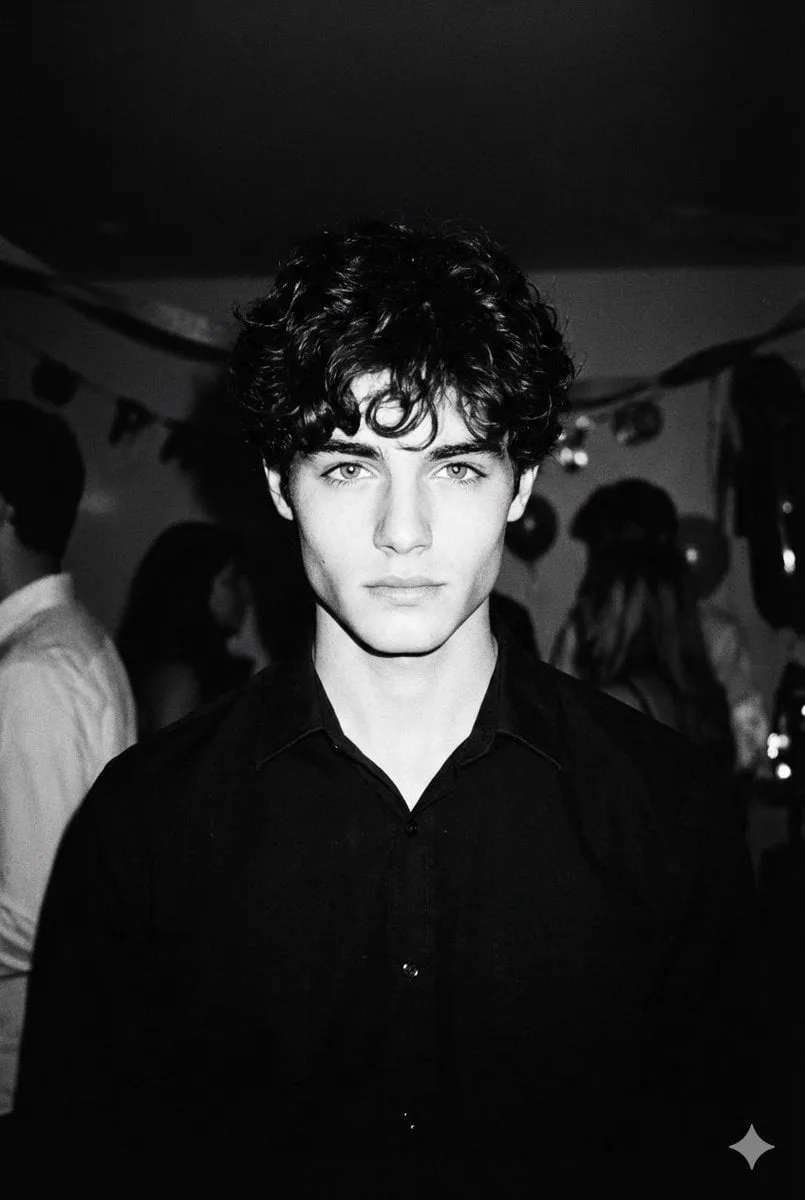
One of the most frustrating problems in AI-generated video is keeping a character looking the same from scene to scene. The hero is a woman with a specific face in the first shot, then magically has slightly different features in the next. This is the "character drift" problem, and for years it was the thing that separated convincing AI video from obviously synthetic output. The solution that has emerged is called multi-image fusion: you combine multiple reference images into a single, unified character model, then apply that stable identity across every scene you generate. This guide explains how the technique works, why it matters, and how to use it to produce visually consistent characters.
Why visual consistency is the foundation of storytelling
Audiences suspend disbelief only when a story holds together visually. In film, continuity errors are jarring enough to pull viewers out of the narrative; a coffee cup that moves between shots is enough for the internet to notice. In AI video, the stakes are even higher because the same instability can affect the protagonist's entire appearance each time the model renders a new frame.
Consistent characters matter for more than aesthetics. They are the anchor of emotional connection. When you watch a series, you bond with a character as an individual. If that individual shifts appearance in every clip, the bond breaks and the video feels synthetic. Consistency is what makes AI output feel like a story rather than a slideshow of unrelated images.
This demand has grown as AI adoption scales. As more creators and brands push toward sequential production — releasing series, episodic content and multi-scene campaigns — they need characters that remain recognizable across dozens of shots. That is the practical problem multi-image fusion solves.
What multi-image fusion actually does
Multi-image fusion is a technique that takes several reference images of a subject and merges them into a single, consistent visual identity, sometimes called a character sheet or reference profile. Instead of giving the model one photo and hoping it generalizes, you feed it multiple perspectives: the face from the front, the profile, different outfits, different expressions. The system analyzes these inputs and extracts the core defining features of the character.
Finding the core features
Under the hood, the algorithm processes the input frames to identify what makes the subject identifiable. It separates permanent traits — the shape of the face, the eye color, the hairstyle, the signature clothing — from incidental ones like pose or lighting. Once those core features are locked, they become the fixed anchor that every generated frame must respect.
Locking identity across generations
When you later generate a scene, the model is told, in effect, "render this scene, but populate it with this established character." The anchor keeps the subject stable whether the character is running, sitting, talking or seen from a new angle. This is the mechanism that turns a drift-prone generator into a reliable one.
Why multiple images beat a single one
A single reference image forces the model to guess what a subject looks like from the back, the side, or in a different light. Multiple reference points remove the guesswork. Each additional consistent image narrows the possibilities and strengthens the shared identity. This is why fusion, rather than single-image reference, has become the standard for maintaining consistency.
Setting up consistent characters in practice
Now let's translate the concept into a workflow you can actually run.
Gathering and curating initial visual references
Start with a small, carefully chosen set of images. Quality beats quantity. Gather three to six images of your character that show: a clear front view of the face, a side or profile view, and at least one image in full body or mid-body to capture proportions and clothing. Keep the lighting and style reasonably similar across the set. If you have generated images of the character before, reuse the ones you liked most rather than starting fresh.
Avoid mixing dramatically different art styles in the same reference set. A photorealistic face and a cartoon face in the same set confuse the fusion process. Consistency within the input set produces consistent output.
Running the fusion process
Upload or point the system at your curated references and trigger the fusion. The output is a character profile you can name and save. Review it carefully — look at how faithfully it captures the features you care about. If something is off, adjust the reference set and regenerate. This is the moment to get picky, because every future scene inherits these features.
Applying the profile to sequences
Once your character profile exists, generation becomes simple. When you start a new scene, select the saved profile as the anchor. The model renders the scene around your established character. For multi-scene series, you reuse the same profile in every shot, which is the real payoff: many episodes, one consistent protagonist.
The technology that makes fusion reliable
The fusion workflow depends on a capable backend, not just a clever frontend. It matters that the platform manages your references, profiles and generation history in an organized way, so you can return to a project and reuse its settings without reconstruction.
Modern systems integrate with a model library, letting you choose a base model while applying the same character anchor. You might switch between a photorealistic model and a stylized one, yet keep the same character identity. This flexibility is what enables consistent characters across different art styles.
An important design consideration is the balance between fidelity and flexibility. A character profile that is too rigid fights against every prompt; too loose, and the identity drifts. The best systems let you tune how strongly the character anchors influence each generation, giving you a dial between "must match exactly" and "use as inspiration."
Advanced challenges: keeping consistency across styles
Maintaining a character within one style is manageable. Maintaining it across different cinematic styles is harder, and it is the skill that separates beginners from advanced users.
Shifting from photorealistic to stylized
If you produce both a realistic trailer and a stylized animation using the same character, the anchor must survive the style change. The key is to define the character by durable traits that transcend rendering style. Eye color, hair shape, signature costume and silhouette travel well between styles. Rely on those rather than on texture and lighting details that only make sense in one medium.
Managing lighting and mood
In a foggy, low-light scene versus a sunny daylight scene, the same character should still be recognizable. Fusion handles this by treating the character's identity as separate from scene lighting. You let the scene establish the mood, while the character anchor guards the fundamentals.
Avoiding the uncanny valley
As realism increases, small inconsistencies become more noticeable, and viewers report discomfort when faces are "almost right." Multi-image fusion reduces this risk by anchoring features tightly. If a similar-but-wrong face gives you that eerie feeling, check whether the reference set captured the defining traits clearly, and tighten the anchor.
Where character consistency creates real value
Beyond artistic satisfaction, consistent characters unlock concrete production benefits.
- Series and episodic content: Many episodes, one protagonist. The audience builds a relationship across the series.
- Brand mascots: A recurring AI-generated mascot becomes a recognizable face for a brand across campaigns.
- Ads with recurring talent: Virtual spokespeople maintain the same appearance in every advertisement.
- Games and interactive media: Consistent characters strengthen immersion in narrative experiences.
- Testimonial and client work: Using a consistent virtual presenter keeps a polished, reliable on-screen persona.
In each case, the business value comes from the audience recognizing and trusting the recurring figure.
A step-by-step walkthrough of a character-driven project
To make the technique concrete, here is how a typical multi-scene project comes together in practice.
1. Define the character concept. Write a short character sheet: name, age, personality, signature look, core outfit. This sheet guides every reference you gather.
2. Curate the reference set. Collect three to six images showing the character from different angles and in its defining outfit. Include one clear face forward, one profile, and one full or mid-body shot. Keep lighting and style consistent.
3. Generate and review the profile. Run the fusion and examine the output. Does it capture the eye color, hair and clothing you specified? If not, adjust the set and regenerate before moving on.
4. Anchor the first scene. Start your first scene with the profile locked, and confirm the character appears as expected against the scene's background and lighting.
5. Reuse the profile across the series. For every subsequent scene, select the saved profile. Trust the anchor to preserve identity while the scene provides the variety.
6. Check continuity across the assembled cut. Watch the finished sequence in order. The real test is whether the character reads as one person throughout, even across different moods, angles and lighting.
This walkthrough is deliberately simple because the tool handles the heavy lifting. Your responsibility is curation on the front end and verification on the back end.
Common questions about the workflow, answered in context
When people first try multi-image fusion, a few practical uncertainties come up.
What if my reference images look slightly different from each other? Minor lighting differences are fine, but large style jumps are not. If two references clash, replace the outlier with something closer to the set's dominant look.
Should the character always be the center of the frame? Not necessarily. The anchor preserves identity wherever the character appears. A wide shot with a small character still shows the correct face and outfit.
Can I use the same character with a different base model? Yes, if the platform supports it. The profile carries identity traits that transfer across models, which is how you maintain a character across photorealistic and stylized work.
What about characters that change outfit within a series? Define the core traits separately from the outfit, or create a second profile for the alternate look. Many platforms let you keep multiple profiles and switch between them.
How long does generation take with a character anchored? Expect some additional computation because the anchor adds constraints. Plan your time accordingly, and use lighter anchoring for exploration to keep iteration fast.
These answers reflect the growing maturity of the tooling: character consistency has moved from an experimental trick to a dependable production feature you can build a workflow around.
Troubleshooting common consistency problems
Consistency rarely works perfectly on the first attempt. Here are the usual problems and fixes.
The character changes hairstyle between scenes. Your reference set did not lck hairstyle as a core feature. Rebuild the set with consistent hair and lock it.
The character merges with another subject. If two characters look alike, the anchor may be too weak. Tighten the anchor strength or add more differentiating references.
Close-ups drift more than wide shots. Faces carry the hardest identity signal. Ensure your set includes clear, varied face angles.
Style changes break identity. Move the durable-traits strategy: define by silhouette and color, not by surface detail.
Generation is too slow with anchor on. Heavier anchoring can increase compute. Use it for final hero scenes and lighter anchoring for exploration.
Frequently asked questions about multi-image fusion
How many images should I use? Three to six good ones. More is not always better if they conflict in style or lighting.
Can I use a real person's photo? Yes, but only with their permission, and you must respect image and likeness rights. Prefer your own generated or original artwork for commercial projects you cannot clear.
Does fusion work for creatures and objects? Yes. Any subject with a consistent visual identity can be anchored, from robot characters to branded products.
Will my character look exactly the same every time? In practice, very close but never pixel-identical, since generative models add variation. The anchor keeps core features stable.
Can I reuse a character across projects? If your platform saves profiles you can export, yes, share a profile across entirely separate projects as long as the style is compatible.
Conclusion
Multi-image fusion has become the essential tool for anyone who wants believable, repeatable characters in AI video. By combining multiple references into a locked identity and applying it across every scene, you eliminate the drift that once made AI output feel synthetic.
The path forward is straightforward: curate a clean reference set, generate a profile you trust, and apply it consistently through your production. As you work across styles and projects, refine the durable traits that define your characters. The reward is storytelling where viewers stop noticing the technology and start caring about the people on screen.
