
A Better Way to Lock Down a Character
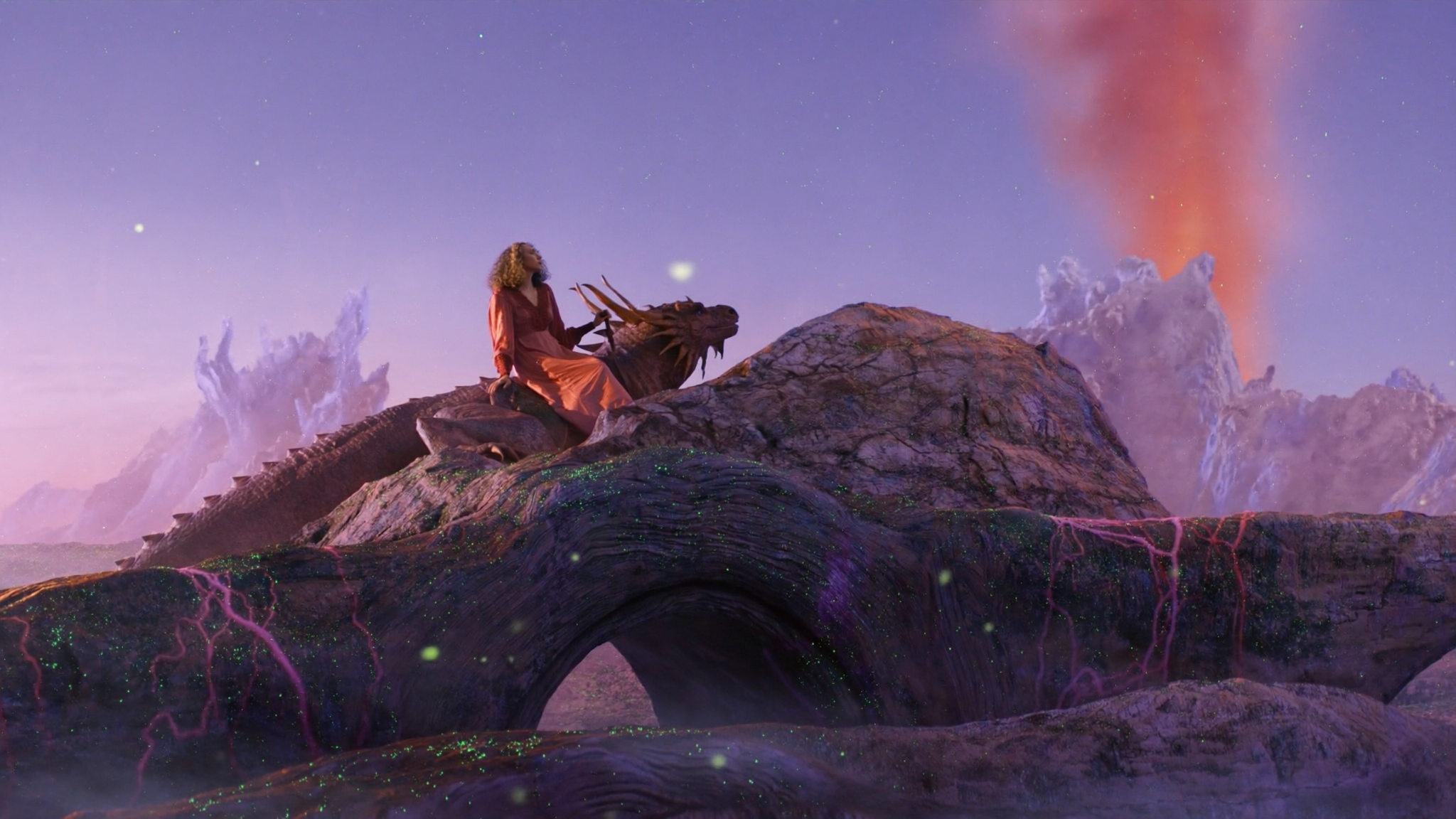
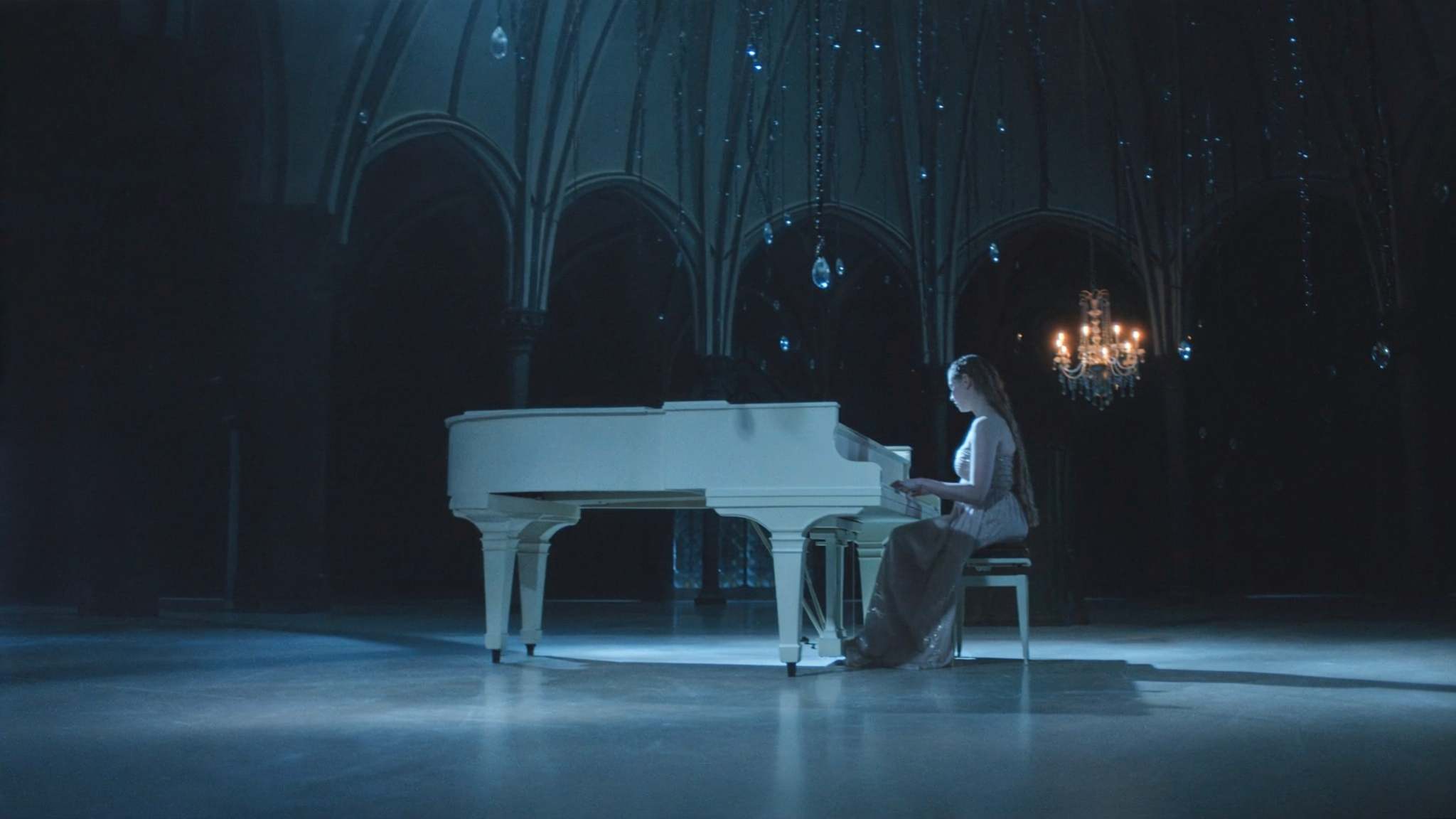
Image-to-video is one of the most exciting corners of generative media. You take a still and ask the machine to bring it to life. The catch has always been consistency. Turn a character into motion once and you can usually recognize them; ask for a second scene and the face drifts into someone new. This has been the single biggest blocker to industrial-scale, believable AI video.
Multi-image fusion is a direct answer to that problem. Instead of trusting one reference image or a text description, it blends several images into a stronger, more stable identity for a character. This article explains how that works, why it matters, and how creators can use it to produce image-to-video work at a new level of polish.
The core challenge of image-to-video
The speed-versus-quality trade-off is the framework most people use to judge generative video. High-end models produce astonishing visuals, yet character consistency is still the weakest link. A character generated across different scenes, camera angles, and lighting conditions will almost always shift, no matter how good the base model is.
This matters because identity is what makes viewers care. When the protagonist changes appearance, the emotional thread snaps. For brands, series, and long projects, consistency is the difference between a collection of clips and a believable story.
What multi-image fusion actually does
Multi-image fusion changes how the model derives a character. Where a single reference image gives you one angle and one lighting situation, fusion combines several images into a broader identity signature.
The architecture in plain terms
The system reads multiple pictures of the same character, each contributing a slice of the identity: the face from the front, the shape from the side, the wardrobe from a full-body shot. These slices are fused into a single, more complete model of who the character is.
Why several views beat one
A single view cannot describe a character who turns around or changes expression. Several views close those gaps by giving the generator enough evidence to interpolate the character through new poses and angles without inventing a different person.
Toward spatial and temporal consistency
The value of fusion grows the more you ask it to hold across space and time. Spatial consistency means the character is the same across different framing in the same scene. Temporal consistency means the character stays the same across the duration of a scene and into the next. Fusion supports both because the identity signature survives movement and scene changes.
A practical starting workflow
Beginners can get most of the value of fusion with a clean, simple process.
Step 1 — Prepare a multi-view reference set
Create a front-face portrait, a side profile, and a full-body shot with clean background and clear wardrobe. Add an expression close-up if you want emotional range.
Step 2 — Load all images as the identity
In your generation tool, upload the whole reference set as the character anchor rather than a single image or a text description.
Step 3 — Generate scenes with the same set
For every new scene, reuse the identical reference set and change only the pose, camera, and action in your prompt. Do not reinvent the character per scene.
Step 4 — Compare faces between scenes
After each batch, compare the character side by side. Verify identity before moving on to avoid expensive rework later.
Preparing reference images that fuse well
The quality of fusion depends heavily on the inputs. A messy reference set produces a muddy identity.
Keep lighting consistent
Use even, un-shadowed lighting in every reference. Mixed lighting confuses the fusion step and blurs the identity.
Simplify the background
Cut the character away from busy backgrounds. A clear silhouette and clear wardrobe edge make feature extraction far more reliable.
Choose matching resolution
Send references at similar resolution and sharpness. A single soft image among crisp ones drags the whole identity down.
Getting professional results from fusion
Once you are comfortable, fuse at a higher level of control.
Lock a wardrobe and props canon
Define the official outfits and accessories, and only change them with a purpose. New clothes mean a new reference set.
Control the camera through prompts
Pair fusion with consistent camera language in your prompts: framing, movement, and lighting. The visual grammar is what keeps separately generated shots feeling like one film.
Fix problems at the source
If the identity breaks in a fast-action scene, do not patch it in editing. Break the shot into smaller chunks and carry the previous frame forward as an extra reference.
Common consistency failures and fixes
Even with good fusion, things go wrong. Here is what usually happens and what to do.
The outfit drifts even though the face is solid
The wardrobe was not clear enough in the references. Add a sharp full-body shot that fully shows the outfit.
The identity breaks in dynamic action
Fast motion is punishing. Split the shot and feed the prior frame back as a reference to keep the character stable through motion.
It works for one scene but not a series
The reference set or lighting changed somewhere along the line. Return to the canonical character sheet and regenerate the failing scene from the same source.
When fusion fits and when it does not
Multi-image fusion is a powerful tool, but it is not the only one, and knowing when not to use it saves time.
Use fusion for recurring characters and brand stories
Any time the same subject must persist across many shots, fusion is the right call.
Skip it for one-off ambient shots
A single background, landscape, or abstract visual does not need identity anchoring. Generating it directly is faster and cleaner.
Combine fusion with strong prompt craft
Fusion anchors the who; the prompt controls the what, where, and how. The best results come when both are working together.
The bigger picture
Multi-image fusion is not just a feature; it is a shift in how creators think about generative characters. Instead of hoping a model remembers who a person is, you explicitly build that identity out of several images and carry it everywhere.
For image-to-video specifically, it closes the loop between a single still and a sustained, believable narrative. Spatial and temporal consistency, once the nemesis of the field, becomes something you can design for deliberately.
Conclusion
Multi-image fusion is the key to keeping AI-generated characters consistent across image-to-video production. By blending several reference views into a stable identity signature, it lets you carry the same character through different scenes, angles, and lighting without drift.
Start simple: prepare a clean multi-view reference set, load it consistently, and compare faces scene by scene. Then layer in wardrobe canons, consistent camera language, and frame-forwarding for motion. The consistency you build there will be the difference between a stack of pretty clips and a story viewers believe.
