
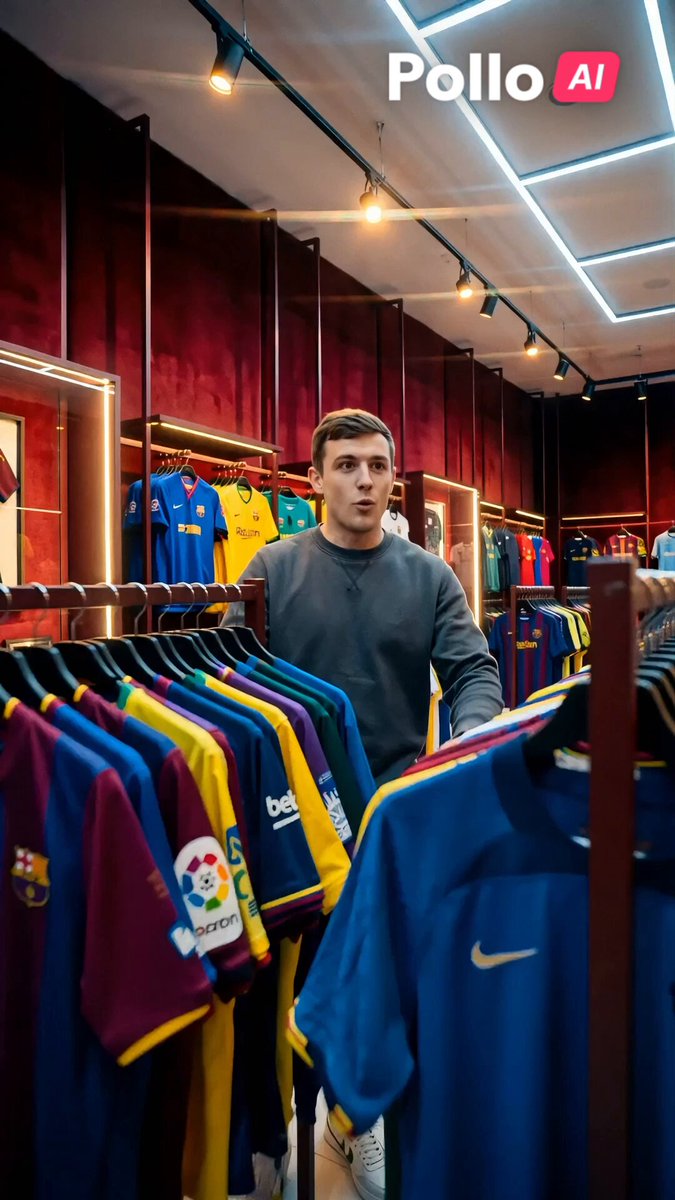
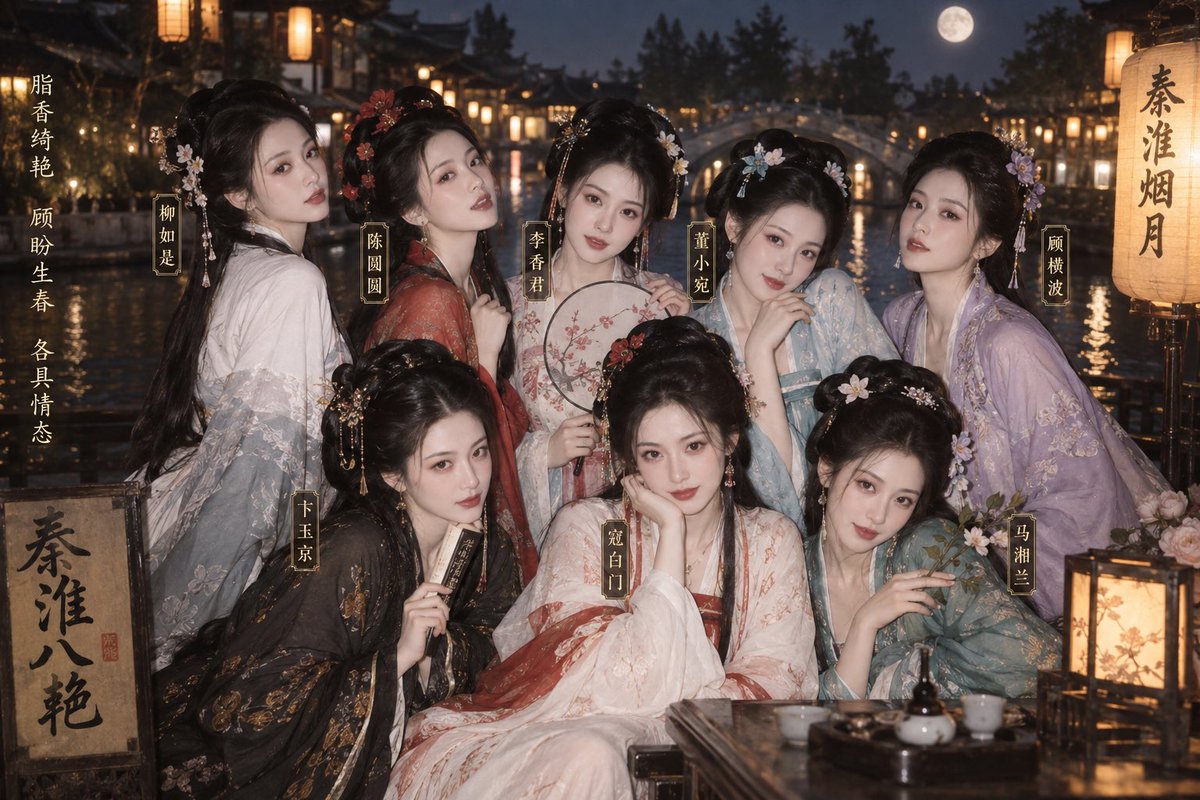
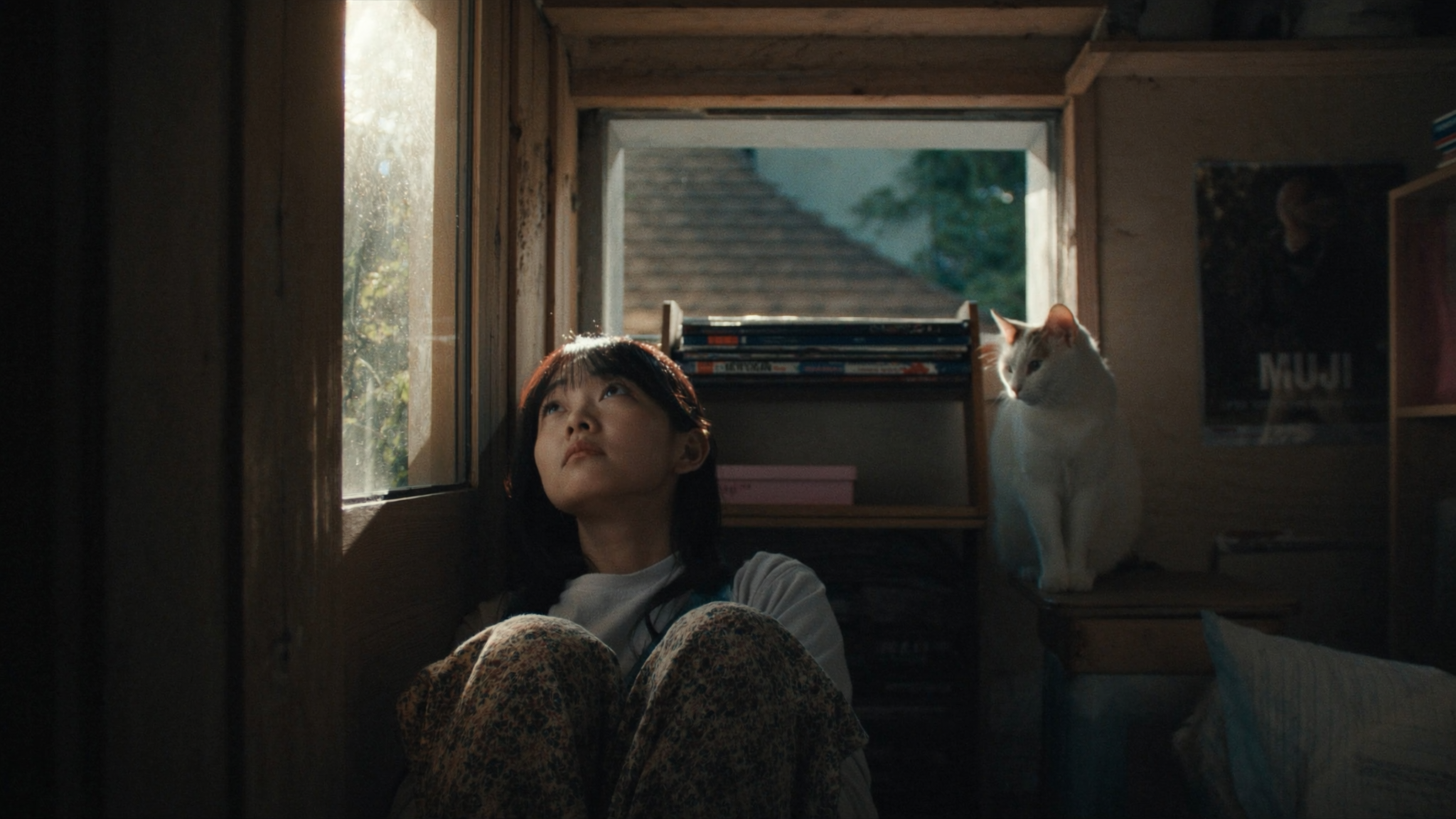
Generating a single striking frame of a character is easy. Generating forty frames of that same character across forty shots, in different lighting, from different angles, in different emotional states, is where most AI video projects fall apart. Multi-image fusion exists to solve exactly that problem: instead of describing a person with words and hoping the model interprets those words the same way twice, you supply visual anchors and let the model carry identity forward from pixels rather than prose.
Why Consistency Is the Hardest Part of AI Video
Character drift — the slow, maddening mutation of a face across a sequence — is not a bug in one particular model. It is a structural consequence of how generative systems work. Every new prompt, even one that differs by a single word, re-samples from a probability distribution. Small changes in wording shift the sampled point in latent space, and the face moves with it. Change the camera angle, and the model must invent the parts of the head it never saw. Change the lighting, and skin tone, shadow depth, and apparent age all shift subtly.
There are three compounding sources of drift:
- Prompt ambiguity. "A woman in her thirties with dark hair" describes millions of people. The model picks a different one each time.
- Model heterogeneity. Different checkpoints, different fine-tunes, and different sampling schedules produce different faces from identical text. Mixing models inside one project guarantees drift.
- Sequential error. Once a slightly-off frame exists, it often becomes the implicit reference for the next generation in workflows that chain outputs. Errors accumulate instead of correcting.
The creative cost is real. Teams burn hours regenerating shots, adjusting seeds, and manually compositing faces back onto bodies. Worse, drift breaks the thing that makes video worth watching: the audience's belief that they are following one person through a story. A viewer will forgive a soft render. They will not forgive a protagonist whose jawline changes shape between two shots.
How Multi-Image Fusion Actually Anchors a Character
Multi-image fusion takes several reference images of the same subject and condenses them into a shared identity representation that conditions every subsequent generation. Rather than feeding one photo into an image-to-image pass, the pipeline extracts features from three, five, or ten views and blends them into a stable embedding.
Reference weighting and what each image contributes
The important nuance is that not all references should count equally. A well-built fusion setup lets you weight them, and the weights do meaningful work:
- A neutral, well-lit front-facing shot should carry the highest weight. It is your identity baseline — the face the model returns to when nothing else is specified.
- Three-quarter and profile views carry medium weight. They teach the model the geometry of the skull, nose projection, and ear placement that a frontal shot hides.
- Expression and action shots carry lower weight but broaden the range of what the identity tolerates without breaking.
- Full-body and wardrobe shots anchor silhouette and costume continuity, which audiences read as character consistency even when the face is slightly off.
If you weight an extreme close-up of a grimace as heavily as a neutral portrait, you effectively tell the model that a grimace is the character's default state. The result is a sequence where everyone looks vaguely annoyed forever.
What the model learns versus what you think you taught it
The most common misconception is that fusion teaches a model who someone is. It does not. It teaches a model a set of statistical shortcuts that reliably reproduce the visual signature of the reference set. That distinction matters because it tells you what to include and what to exclude. If every reference image was shot at golden hour, the shortcut may include warm skin tones — and your character will look sunburned in a night scene. If every reference has the same hairstyle, changing it mid-sequence will produce a different person.
A good reference kit is therefore a deliberate, diverse, and labeled sample of the character. Diversity in angle and lighting prevents the model from baking situational details into identity. Consistency in the essentials — bone structure, eye shape, distinguishing marks — keeps the identity stable.
Building a Reference Kit That Survives Every Shot
The reference kit is the single highest-leverage asset in the entire workflow. Build it once, curate it carefully, and reuse it across every scene in the project.
A coverage checklist worth following
Aim for five to eight images that collectively cover:
- A neutral frontal portrait, eyes to camera, even lighting, no strong shadows.
- A three-quarter view, both left and right if possible.
- A full profile, showing nose and jaw silhouette.
- A full-body standing shot in the primary costume.
- A mid-action or mid-expression shot that still reads clearly.
- A shot from slightly above and one from slightly below to teach the model how the face deforms with perspective.
Resolution matters more than quantity. Eight sharp, well-exposed images beat thirty soft ones. Remove anything blurry, heavily filtered, or shot with extreme perspective distortion — those artifacts get learned as features of the character.
Signature details are your continuity insurance
Pick two or three visual signatures and keep them constant: a scar, a specific hairline, a piece of jewelry, a particular collar shape, a tattoo. These details give human reviewers an instant, low-effort way to verify that a shot belongs to the same character. They also give the model stable, high-contrast features to latch onto when pose or lighting changes.
If a signature must change for story reasons, change it deliberately and in one visible step, the way a costume change would work in live action. Never let a signature drift accidentally across three shots; audiences will notice the inconsistency without being able to name it.
Prompting for Identity, Not Just Description
Fusion does the heavy lifting, but prompts still steer the model. Treat the reference kit as the noun and the prompt as the verb.
Descriptor stacking with a fixed vocabulary
Write one canonical character block — a short, stable string of descriptors — and paste it verbatim into every prompt. Something like: tall woman, late thirties, angular jaw, dark brown eyes, shoulder-length black hair with a center part, olive skin, small scar above left eyebrow, charcoal wool coat.
Then vary only the parts that must vary: camera angle, action, environment, lighting, lens. This split gives you consistency where it matters and freedom everywhere else. If you find yourself rewriting the character block for a new scene, stop and ask whether the change is a genuine story requirement or just prompt boredom.
Drift triggers to remove from your vocabulary
Certain words are quietly dangerous because they invite reinterpretation:
- Age approximations layered on top of references ("make her look younger") push the model to blend identities.
- Celebrity or archetype comparisons overwrite reference features with memorized faces.
- Vague style words like "beautiful" or "cinematic face" nudge the model toward an averaged ideal.
- Conflicting descriptors — "petite" alongside a reference of a tall subject — force the model to choose, and it will choose differently at different steps.
Keep a project glossary. When a prompt works, save it. When it fails, note which token you suspect. Over a few sequences, you will build a personal list of words that reliably protect your character and words that reliably destroy them.
A Four-Step Production Workflow
The practical workflow below assumes you already have a reference kit and a target sequence.
Step 1: Freeze the kit and lock the seed cluster
Finalize the reference images, weight them, and record the configuration. Then generate a small seed sweep — the same prompt with several seeds — and pick the two or three that best match your references. Note them. Reusing a small family of seeds across shots gives you a much quieter baseline than a fresh random seed per shot.
Step 2: Block the sequence in stills first
Do not jump to motion. Generate the entire sequence as still frames first, using the frozen kit and canonical prompt block. Review them as a contact sheet, side by side. Inconsistencies that are invisible in isolation become glaring in a grid. Fixing a wrong face in a still costs seconds; fixing it in a ten-second clip costs a regeneration cycle.
Step 3: Generate motion with identity conditioning active
Once the stills pass review, generate the motion shots with fusion conditioning enabled for every clip — including clips where the character is small, turned away, or partially obscured. Those are exactly the shots where models drift hardest, because the model must hallucinate the face from very little information. The fusion embedding supplies the missing information.
Step 4: Review at sequence level, not clip level
Watch the assembled sequence at normal speed, then watch it again at half speed. Drift is usually invisible in any single clip but obvious in a cut. Keep a running list of shots that break continuity and regenerate in batches, so you can apply the same seed family and prompt block to the whole batch.
Translating a Character Across Styles
Sooner or later a project needs the same character in two visual registers: photoreal for one sequence, stylized animation for another. Fusion handles this better than most techniques, but it needs help.
Use the photoreal reference kit as the identity source, then add a style anchor image that demonstrates the target rendering — a still from the animation style you want, with a different character in it. Weight the style anchor for texture and shading and the identity references for structure. Separating "who" from "how it is rendered" is the key move; if you blend them into one reference set, the model may import a stranger's face along with the desired rendering.
Expect a hierarchy of transferability. Bone structure, eye spacing, and silhouette survive style changes well. Fine texture — skin pores, hair strand detail, fabric weave — does not; the style dominates there. Budget for a few regeneration passes whenever you cross registers, and keep the neutral frontal portrait as the anchor throughout.
Troubleshooting Drift: Symptoms and Fixes
| Symptom | Likely cause | Fix |
|---|---|---|
| Face changes after a cut | Different seed or prompt block per shot | Reuse one seed family and one verbatim character block |
| Character ages up or down across shots | Lighting and lens descriptors vary wildly | Normalize lighting vocabulary; use the neutral reference as baseline |
| Identity blurs when the character is small | Insufficient conditioning at low subject scale | Enable fusion on the shot, add a closer insert, or reframe |
| Wardrobe changes color mid-scene | References included many costume variants | Split costume into its own reference set and weight it for wardrobe only |
| Face looks "generic" or idealized | Overly flattering style words in prompt | Remove beauty adjectives; add a distinctive signature detail |
| Profile shots look wrong | No profile reference in the kit | Capture left and right profiles and rebuild the embedding |
| Drift worsens as sequence lengthens | Errors chaining through output-as-input | Regenerate from the frozen kit rather than from prior outputs |
That last row deserves emphasis. Any workflow that feeds generated frames back in as references will accumulate error. Anchor every generation to the original kit, not to the last acceptable output.
Quality Control Metrics Worth Tracking
You do not need a research pipeline, but a few simple measurements keep a production honest:
- Drift rate. The percentage of shots that reviewers flag as identity-breaking. Track it per batch and per scene.
- First-pass acceptance. How many shots survive review without regeneration. Rising numbers mean your kit and prompt block are working.
- Kit stability. How often you change the reference set. Frequent changes usually signal that the kit is not representative rather than that the model is failing.
- Signature visibility. Whether your two or three continuity markers are readable in every shot at normal viewing speed.
Review these after each sequence. Most inconsistencies trace back to one of three places: a weak reference, an unstable prompt block, or an inconsistent seed family.
What to Look For in a Fusion-Capable Tool
Not every generator supports identity conditioning in a usable way. Evaluate options against a shortlist of practical criteria:
- Multiple reference inputs with adjustable influence. A single reference slot is not enough for character work.
- Per-reference weighting. You need to tell the system that the neutral portrait outranks the action shot.
- Persistence across shots. The identity should carry through a batch without re-uploading and re-tuning for every clip.
- Motion and camera control. Fusion is only useful if you can still specify the shot — dolly, pan, lens, angle.
- Deterministic seeds. Reproducibility is what makes iteration cheap.
- Output resolution and frame rate adequate for your delivery. Identity that survives generation but dissolves in upscaling is not consistency.
Test any candidate tool with the same reference kit and the same five prompts. Compare the contact sheets. That single experiment tells you more than any feature list.
Common Mistakes That Wreck Consistency
- Overloading the kit. Twenty mediocre images dilute identity. Curate ruthlessly.
- Using the kit as a mood board. If a reference is there because you like the lighting, it does not belong in the identity set.
- Changing the prompt block mid-project. Convenience edits are the leading cause of quiet drift.
- Skipping the still pass. Motion generation is expensive; still blocking is cheap.
- Judging shots in isolation. Always review in a grid and then in sequence.
- Ignoring the background. A character can be perfect while the scene lighting flips from noon to dusk between cuts, which reads as a continuity failure anyway.
- Forgetting audio. When dialogue is involved, lip-sync and voice consistency become part of the identity package. Plan for them in the same pass rather than patching later.
FAQ
How many reference images do I actually need?
Five to eight well-chosen images cover most needs: a neutral portrait, two three-quarter views, a profile, a full body, and one expressive shot. Add a perspective shot if your sequence uses dramatic angles. Beyond ten, returns fall off sharply and curation errors become more likely.
Can I use one reference image and rely on a strong prompt?
You can, but you will spend the effort you saved on regeneration. A single image leaves the model guessing about profile geometry, body proportion, and how the face deforms under different lighting. Two extra references typically cut regeneration cycles substantially.
Does fusion replace fine-tuning a custom model?
They solve different problems. Fusion is fast, reversible, and ideal for a character you need across a handful of sequences. Fine-tuning is heavier, requires a training set and time, and makes sense when a character will appear in many projects over months. Many teams start with fusion and only train a model once a character proves durable.
Why does my character change when I switch aspect ratio?
Composition changes what the model sees and how it samples. Cropping can remove the lower face or change perceived proportions. Generate at your delivery aspect ratio from the start, and include references framed similarly if you plan to shoot vertically and horizontally.
How do I keep a character consistent when they are off-screen for part of the story?
Keep the kit frozen and regenerate from it rather than from earlier outputs. If you must return to a character after many other shots, run one calibration shot — a neutral, front-facing image — and compare it against the original reference before continuing the sequence.
What if I need the character to age or transform on purpose?
Treat it as a deliberate second identity. Build a separate reference kit for the transformed state, and manage the transition as an explicit story beat rather than a gradual prompt drift. Gradual drift in the prompt is what produces accidental, unconvincing transformations.
Is fusion useful for non-human characters?
Yes, and often it works better. Creatures, stylized robots, and mascots have less competing reference imagery in the model's training data, so the fusion embedding faces less interference. The same rules apply: cover multiple angles, weight the canonical view highest, and lock a stable prompt block.
Consistent characters are not the result of a single clever setting. They are the result of a frozen reference kit, a disciplined prompt block, a seed family you trust, and a review process that judges shots in context. Multi-image fusion supplies the technical anchor. Everything else is workflow, and workflow is what separates a sequence that feels like a film from a sequence that feels like a slideshow of strangers.
