
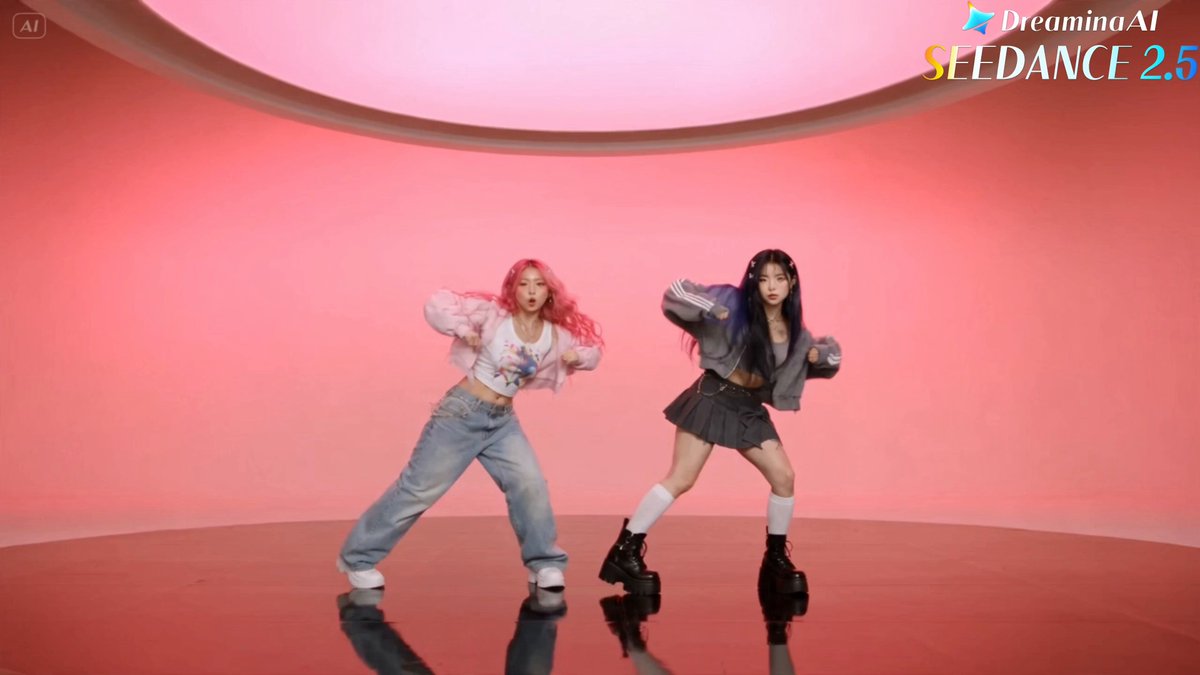
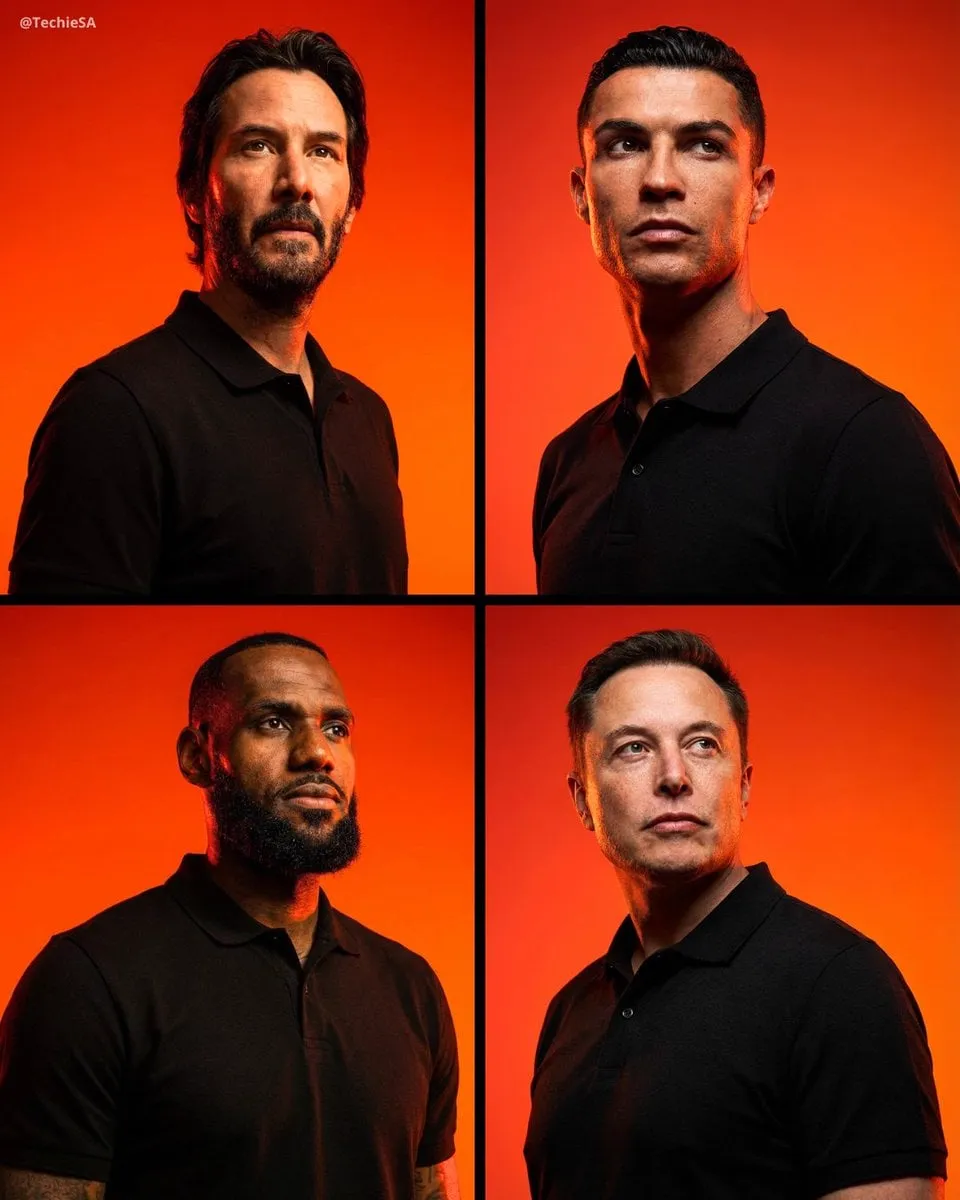
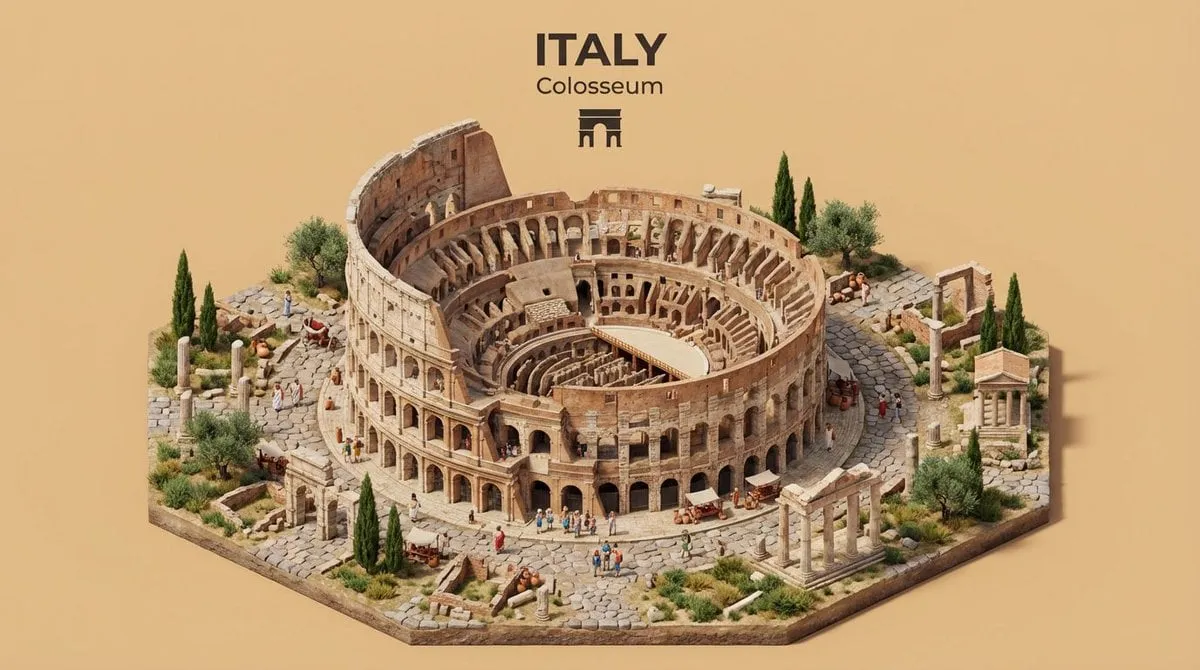
Multi-image fusion is what separates a clip that looks like a lucky one-off experiment from a sequence that feels like it was shot in one room, on one day, with one actor. Instead of describing a face in words and hoping the model invents the same one twice, you hand it several visual anchors — a character plate, a wardrobe shot, a location frame, a colour script — and ask it to hold all of them together while it animates the moment. Done well, this turns generative video from a slot machine into a controllable production tool.
Why Scenes Drift Apart in the First Place
Every generation is a fresh sample. The model does not remember your last shot; it only knows what is in the current prompt and the reference images attached to it. That single fact explains most continuity problems you will encounter:
- Identity wobble. A character's jawline, eye spacing, or hairline subtly changes between shots because the model re-draws the face from scratch each time. The drift is small per shot and glaring across a cut.
- Wardrobe and prop mutation. A jacket shifts from olive to sage, a logo changes shape, a necklace disappears.
- Set geometry breaks. A window moves to the other side of the room, a doorway changes width, a table loses a leg.
- Lighting discontinuity. Shot one is warm afternoon sun, shot four is flat overcast, even though the scene is meant to be continuous.
- Lens language drift. Focal length, depth of field, and camera height change without any narrative reason, which reads as amateur footage even when each individual frame is beautiful.
Text prompts alone cannot fix this reliably because language is lossy. "A woman in a green jacket standing in a diner" leaves the model thousands of free variables: hue, fabric, cut, age, hair length, lighting, lens. You are essentially asking it to guess the same way twice. Multi-image fusion works by collapsing those free variables into fixed visual evidence.
It also matters that fixing inconsistency after the fact is expensive. Rotoscoping faces, patching backgrounds, or colour-matching mismatched shots burns hours per cut. A few extra minutes spent assembling proper reference images before you generate is almost always the cheaper path.
What Multi-Image Fusion Actually Does
Fusion is not a single feature so much as a way of structuring a generation request. You supply more than one image, each carrying a different kind of information, and the model blends their signals into the output frame. The art lies in separating the jobs these images do.
Identity, Style, and Environment Are Different Problems
A useful mental model is to treat every reference image as a channel:
- Identity channel — who the subject is. Best served by a clean, front-lit portrait and a three-quarter shot of the same person.
- Wardrobe and prop channel — what the subject is wearing or holding. Best served by a flat-lay or a full-body shot on a neutral background.
- Environment channel — where the action happens. Best served by a wide plate of the location with consistent lighting.
- Style and palette channel — how the footage should feel. A film still, a colour grading reference, or a texture sample communicates grain, contrast, and palette faster than any adjective.
When you mix channels into one messy collage, the model averages them and produces a muddy result. When you keep them separate and reinforce each channel in the prompt, the blend becomes predictable.
How Fusion Beats a Single Reference Image
One reference image gives the model a single strong anchor, usually for the face. Everything else — clothing, background, lighting — is invented. Two or three well-chosen references give the model a skeleton of the shot, and the prompt only has to describe motion and camera behaviour. This usually means fewer re-rolls per usable clip, which is the practical measure that matters.
Where Fusion Still Fails
Fusion is not magic. It struggles with conflicting signals (a red jacket in one reference and a blue jacket in another), extremely unusual anatomy, dramatic perspective changes, and fast action that obscures the anchor features. If the reference images contradict each other, the output will pick a side at random. Consistency comes from a clean, non-contradictory reference set.
Building a Reference Set the Model Can Read
Quality of input beats quantity. Five mediocre references usually lose to two excellent ones, because noise in the input becomes noise in every frame you generate.
The Character Sheet
Shoot or generate a small character sheet: one straight-on portrait, one three-quarter turn, one profile, one full body. Keep the lighting identical across all four. Neutral background, no heavy shadows, no sunglasses, no hair covering the face. This sheet becomes your identity channel for every shot in which the character appears.
If you are building the character from text first, generate the sheet in one session and lock it. Save the exact images to a project folder with clear names such as hero_sheet_front.png. Never regenerate a character mid-project unless you intend to redo every shot that came before.
The Environment Plate
Create one wide establishing frame of each location. Note the light direction. If your story takes place at 10 a.m. and 6 p.m., make two plates — the model needs the difference spelled out visually. Include a second angle only when the scene genuinely needs a reverse, and keep the same light direction in both.
Props, Wardrobe, and Colour Script
For anything the audience will track — a phone, a car, a sign, a specific garment — make a single reference and reuse it. A simple colour script (three to five swatches for key scenes) helps enormously when you are generating multiple locations that must feel like one film.
Formatting References for the Model
Resize references to similar dimensions, avoid stretching, and strip watermarks or text overlays that the model might copy into the output. If a tool accepts weight or influence settings per image, start with the identity image at a higher weight than the style image, then adjust. If a tool accepts only one image, prioritise identity, since faces are the hardest thing to fake consistency on.
The Fusion Workflow, Shot by Shot
A repeatable process is worth more than a clever prompt. This sequence has held up across short films, product spots, and episodic social content.
Step 1: Lock the Script and Shot List
Write the shot list before generating anything. One line per shot: subject, action, camera, location, duration. Knowing that shot seven is a close-up of the same face you used in shot one tells you which references to attach.
Step 2: Pack References Per Shot
Each shot gets the smallest reference set that fully describes it. A tight close-up may need identity only. A wide shot needs identity plus environment, and often the wardrobe reference. A product insert needs the product reference and the palette, and may not need the character at all.
Step 3: Write the Prompt Skeleton
Keep a reusable skeleton so the model sees the same structural language every time: subject and identity, wardrobe, action, environment, lighting, lens and camera movement, mood. Change only the fields that genuinely differ per shot.
Step 4: Generate, Score, and Iterate
Generate three to five variants of each shot. Score them on a simple scale: identity fidelity, environment fidelity, motion quality, and whether the camera behaves as briefed. If two of four scores are weak, change the reference set rather than re-rolling endlessly — repeated re-rolls on a broken reference set just produce different kinds of wrong.
Step 5: Keep a Continuity Bible
Record the exact references, prompt text, and settings used for each approved shot. A text file per project is enough. This is what lets you recreate a look weeks later, or hand a project to a collaborator without losing the visual thread.
Prompt Patterns That Hold a Scene Together
Prompts and references work as a pair. References say what it looks like; the prompt says what is happening and how the camera behaves. Here are patterns that keep the two in sync.
Anchor Identity First
Open every prompt with the subject and its anchor. "The same woman as in the reference images, mid-thirties, dark shoulder-length hair, wearing the olive utility jacket from the wardrobe reference." Repeating the anchor in words nudges the model to treat the image as identity rather than inspiration.
Lock Light and Lens
State light direction, quality, and time of day in the same words every time: "soft window light from camera left, late afternoon, shallow depth of field, 50mm equivalent." Consistency in language produces consistency in output far more often than variety does.
Describe Motion Without Rewriting the Scene
Once the scene is fixed by references, the prompt's job is motion: "she turns her head slowly toward the door, camera pushes in slightly, no cuts." Avoid reintroducing new visual details in a motion prompt; that is how continuity erodes.
A Reusable Template
[Subject + identity anchor from reference].
[Wardrobe/prop anchor from reference].
[Action, one clear beat].
[Environment + light direction, matching the environment plate].
[Lens, framing, camera movement].
[Palette and grain, matching the style reference].
Fill it in identically across a sequence, changing only the action and framing lines. The sameness is the point.
Choosing Tools and Models for Fusion Work
Not every generator handles multiple references equally well. Compare candidates on the criteria that actually affect a consistency-heavy project:
- Reference capacity and weighting. How many images can you attach, and can you control their relative influence?
- Identity retention. Test the same character sheet across three different prompts and compare face stability.
- Motion realism. Handheld drift, walking, and head turns are the usual failure points.
- Duration per generation. Longer clips mean fewer seams, but often softer quality.
- Resolution and aspect-ratio support. Vertical and square matter if the final output is social-first.
- Iteration cost in your own time. A tool that returns a usable clip in two attempts beats a "better" tool that needs ten.
- API and pipeline access. If you generate dozens of shots, scripted access saves enormous manual effort.
General-purpose video generators such as Runway, Kling, Luma Dream Machine, Pika, Google Veo, and OpenAI Sora all offer image-driven modes, and many now support multiple inputs or explicit character references. The right pick depends on your shot mix: dialogue-free cinematic shots reward motion quality, while character-led sequences reward identity retention. Rather than committing to one, run a two-hour test with the same reference set on two or three tools and compare the same three prompts side by side. The winner is usually obvious within an hour.
Common Failure Modes and Fast Fixes
| Symptom | Likely cause | Fix |
|---|---|---|
| Face changes between shots | No identity reference, or a low-quality one | Add a clean front-on portrait and repeat the identity anchor in the prompt |
| Wardrobe changes colour | Conflicting references or colour words in prompt | Use one wardrobe reference, remove colour adjectives from the prompt |
| Background shifts | Environment described only in text | Attach an environment plate and match light direction wording |
| Everything looks like a still | Motion prompt too abstract | Describe one physical beat per clip, not a mood |
| Style drifts toward the style reference | Style image weighted too heavily | Lower its influence or drop it from character shots |
| Output copies text or logos from references | Watermarks in source images | Clean references before attaching |
Two habits prevent most of these: never attach contradictory references, and never change more than one variable between iterations. Change the reference or the prompt, then compare.
Preserving Continuity in Post-Production
Fusion gets you close; editing finishes the job. Colour grading is your strongest continuity tool — applying one look across the whole sequence hides small exposure differences that would otherwise pop on a cut. Stabilise handheld drift before grading if the camera path should feel locked. Reframe and upscale after the edit is locked, not before, so you do not waste processing on shots you drop.
Keep filenames meaningful (sc02_sh04_hero_closeup_v3.mp4) and edit from proxies if the files are large. Where two shots almost match, a short transition or a cut on motion covers the seam more gracefully than a hard cut between two slightly different rooms. If a sequence still feels disjointed, identify the single strongest reference in your set and regenerate the weakest shot using only that anchor plus a simplified prompt — fewer signals often produce a more coherent frame.
Scaling Consistency Across Episodes and Campaigns
Once the workflow holds for one scene, the goal becomes repetition without decay. Build a project asset library: character sheets, environment plates, wardrobe and prop references, palette swatches, and the prompt template. Version it. When a character's look changes deliberately, create a new folder rather than overwriting the old one, so earlier episodes remain reproducible.
Add review gates. Screen generated clips in batches of five to ten and reject on identity drift before they reach the edit, because a weak shot in the timeline quietly poisons the whole sequence. For series work, run a small test grid each time you switch tools or models: same three prompts, same references, one minute of comparison. It is a cheap early warning system for the day a model update quietly changes how it interprets your anchors.
FAQ
How many reference images should I attach?
Two to four for most shots. One identity reference for close-ups; add environment and wardrobe for wider shots. More than four usually adds noise rather than control.
Do I need the same references for every shot?
Use the same identity and environment references throughout a scene, and only add prop references for shots where those props appear. Consistency comes from repetition, not from variety.
What if my tool only accepts one image?
Prioritise identity. Then compensate with stricter prompt language for lighting, lens, and environment, and keep that wording identical across the sequence.
Can I fix inconsistency after generating?
Sometimes. Colour grading and stabilisation help a lot; face swaps and background replacement are costly and rarely look natural on moving footage. Prevention is far cheaper.
Should I use real photographs or generated images as references?
Either works. Generated references have the advantage of being fully controllable and licence-free, provided you keep the exact file and reuse it.
Why does my character look right in stills but wrong in motion?
Motion blurs and deforms anchor features. Reduce camera movement, slow the action, and favour slightly closer framing during the hardest shots.
How do I keep two characters consistent in the same frame?
Give each character its own reference and describe their positions and actions separately in the prompt. Two-character shots are the hardest case; expect more iterations.
What is the fastest way to test a new model?
Reuse an existing project's references and three known prompts. Generate the same three clips, then compare identity retention and motion quality against your current tool rather than judging it in isolation.
