

Few releases have excited the AI video world as much as OpenAI's Sora. Promising long, coherent, physically plausible videos from short text prompts, Sora seemed to collapse the distance between a casual idea and a finished moving picture. Yet hype rarely tells the whole story. In practice, Sora is a remarkable step forward with real limitations that matter to creators deciding how to build a workflow. This article takes a clear-eyed look at what Sora does well, where it struggles, how rival models compare, and what the trajectory tells us about the future of AI video generation.
The goal is not to discourage or to overhype, but to give a practical map. Because the market is growing fast, understanding Sora's place relative to alternatives is exactly the kind of clarity that keeps a production pipeline flexible and robust.
The Context: A Rapidly Expanding Market
The market for generative AI video is expanding quickly, driven by demand for fast, personalized content across marketing, education, and entertainment. Cost estimates and adoption curves point to strong double-digit growth over the coming years, and that momentum is pulling money and talent into the space. Sora arrived inside this surge, setting a new benchmark in visual quality and world simulation that competitors immediately had to chase.
That competitive pressure is good news for creators. It means rapid iteration, falling costs, and a steady stream of genuinely different tools. But it also means no single model can be mastered once and forgotten. The practical creator treats the landscape as a moving target and keeps adapting.
What Sora Does Exceptionally Well
Before weighing the limits, it is fair to recognize Sora's genuine strengths, because they change what to expect from AI video in general.
Visual fidelity and realism
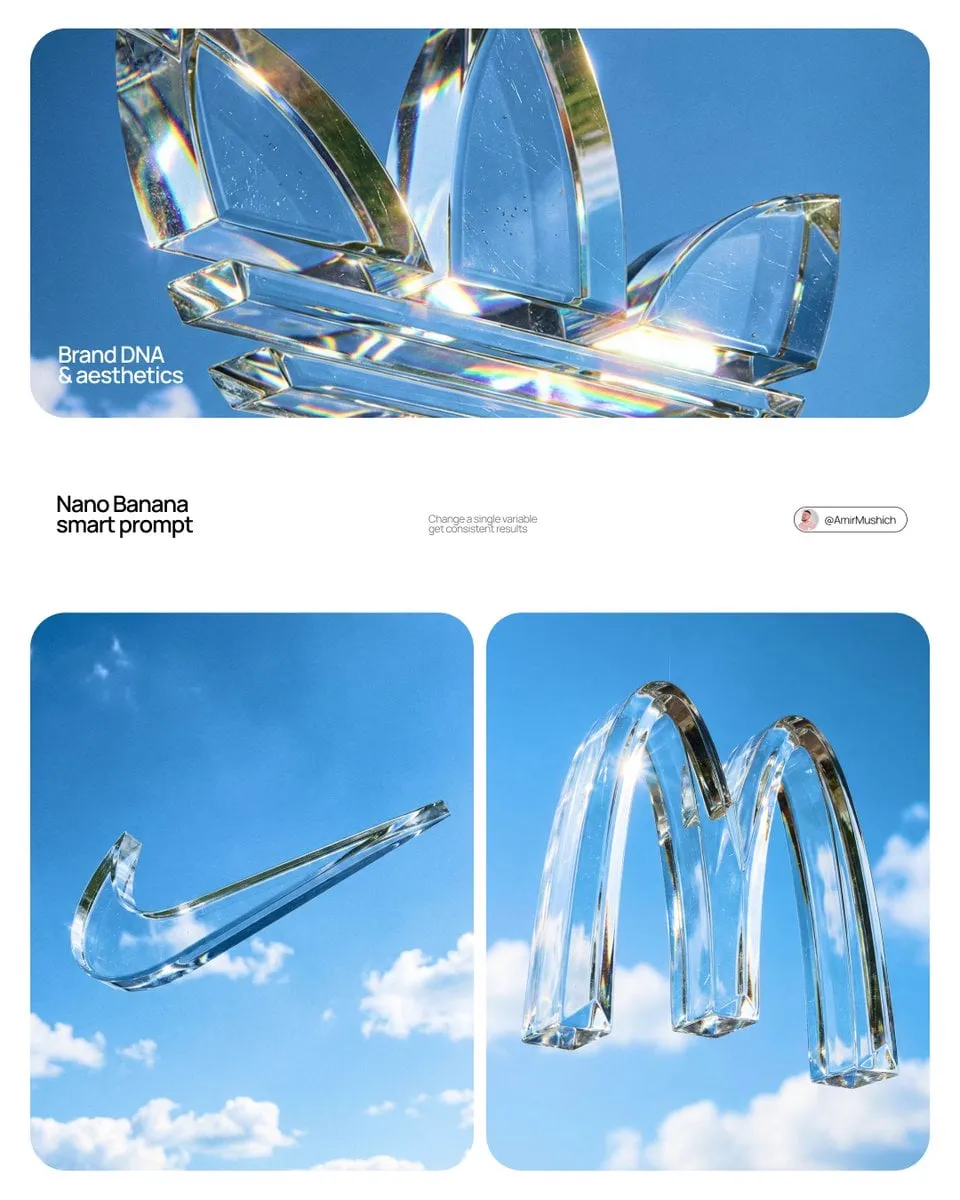
Sora produces some of the most physically plausible and visually coherent outputs available. Lighting, reflections, textures, and object behavior often look startlingly believable, closer to rendered footage than to the wobbling clips of earlier models. For openers, establishing shots, and hero moments, that realism is a decisive asset.
Long-horizon coherence
Sora's most distinctive advance is its ability to hold a scene together over a longer duration. Characters and objects tend to remain consistent from one moment to the next, which solves a problem that vexed earlier tools: drifting subjects and environments. This makes Sora suited to pieces that need narrative continuity rather than isolated flashes.
Input flexibility
Beyond text, Sora's video-to-video and image-to-video modes let creators extend and reinterpret existing material. That flexibility turns it into a production-tool rather than just a prompt-toy, enabling workflows that remix, expand, and refine footage.
The Real Limits
None of that makes Sora a finished answer. There are important constraints to understand before building a project around it.
Duration and temporal consistency
Producing very long, flawless videos remains hard. At longer lengths, subtle inconsistencies can creep in, and full control over temporal behavior is not always available. For commercials or narrative segments, that means planning around reliable segment sizes and editing them together rather than expecting one endless perfect take.
Cost and accessibility
High-quality generation is not free, and access can be gated by availability, pricing, and platform. For many creators, especially those just starting, cost and access are real constraints that push them to combine Sora with cheaper, faster tools for exploration and reserve Sora for the shots that matter.
Physics and real-world grounding
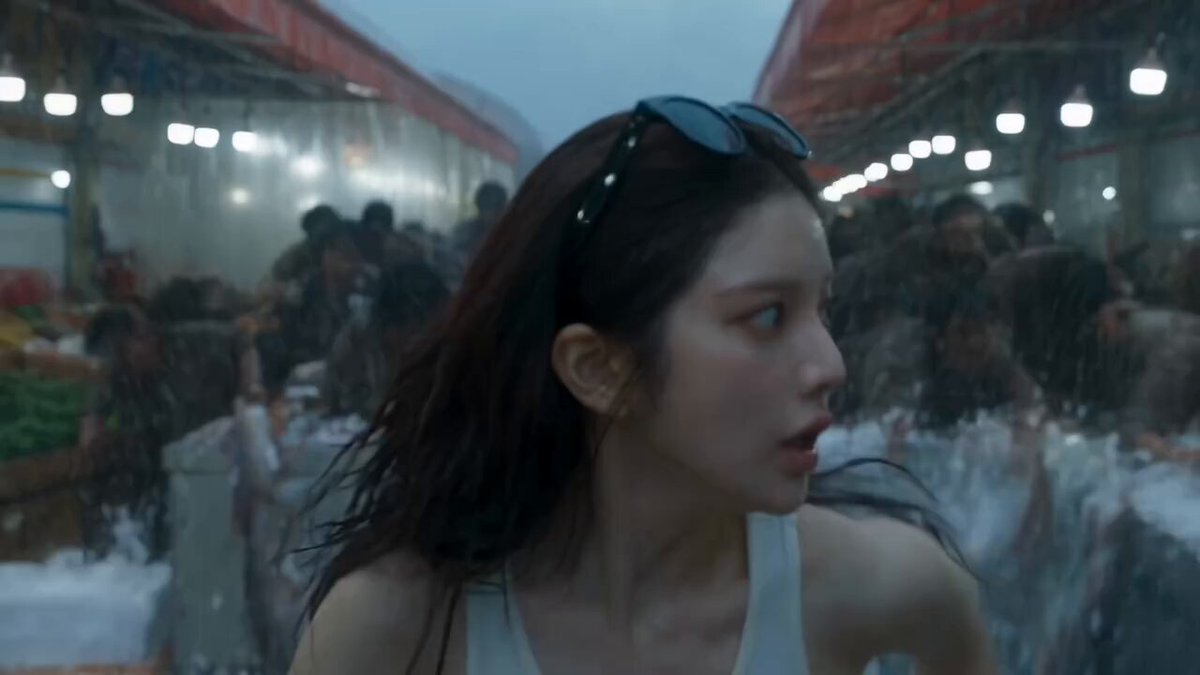
Despite strong simulation, Sora can still misbehave with complex physical interactions, unusual object proportions, or tasks requiring deep real-world reasoning. Hands, dense crowds, and intricate cause-and-effect can bend the illusion. The lesson is to know where a model's plausibility ends and to avoid prompting it into failure.
How Competitors Compare
Sora does not exist in a vacuum. Rival models, including tools like Runway and Kling AI, are advancing quickly and often target the very gaps Sora leaves open.
Runway Gen-4: control and iteration
Runway's Gen-4 generation has earned a reputation for strong creative control, consistent iteration, and tools that integrate tightly into editing workflows. For creators who need fine-tuned, repeatable direction rather than a one-shot text prompt, Runway's ecosystem is frequently the more accommodating choice, especially in motion design and visual effects.
Kling AI: strong motion and stylization
Kling has impressed with expressive motion and stylized output, often at a more accessible price point. Where Sora leans toward photorealistic world simulation, Kling frequently shines in character animation and bold visual styles, making it a valuable complement rather than a substitute.
The strategic takeaway
No single model wins everything. The smartest approach is usually a hybrid toolkit: use each model where it is strongest, and keep your prompts portable so you can re-render across engines. Comparing two or three models on the same short scene is the fastest way to build that understanding.
Optimizing a Production Workflow Around the Strengths
Knowing the limits is only useful if it changes how you work. A practical workflow acknowledges that real limitation rather than fighting it.
Segment, don't chase the endless take
Plan scenes in reliable, segment-sized units and edit them together. This works around duration limits and gives you control over pacing and narrative. It also makes re-rendering one segment safe without disturbing the rest.
Use specialized models for the hard parts
When a shot needs the kind of task Sora struggles with, hand it to a model built for that job. Specialized tools often handle character detail, stylization, or motion better, and combining them keeps overall quality high.
Iterate cheap, finish expensive
Explore and refine with fast, low-cost generation, then commit the winning shots to a premium render. This two-speed strategy controls cost while protecting the quality of the moments that matter.
Deeper Technical Challenges Ahead
The industry still faces hard problems that no current model fully solves. Being aware of them helps set realistic expectations.
Physics and world modeling
Truly accurate physics, especially complex object interactions and fluid dynamics, remains incomplete. Models simulate convincingly in many cases but can fail in edge conditions that require genuine understanding of cause and effect.
Multimodal integration
Seamlessly combining video with precise audio, dialogue, and interactive elements in a single coherent generation is still maturing. The future likely involves tighter integration of models across modalities rather than video in isolation.
Transparency and provenance
Attribution and provenance are unresolved questions. Knowing what was generated, by which model, and with what consent has implications for trust, licensing, and information integrity. Expect provenance standards and watermarks to become more important as the technology spreads.
Use Cases That Fit Sora Best
Understanding a model’s strengths matters most when you map it onto real tasks. Several use cases lean naturally into what Sora does well, and a few are better served by other tools.
Hero marketing moments
For a brand opener, an establishing world shot, or a moment meant to impress, Sora’s visual fidelity shines. A cinematic city flyover, a product scene with believable light, or an atmospheric establishing shot can carry the weight of a hero creative. Use it where realism sells the promise.
Concept visualization and previsualization
Before committing to expensive production, Sora can visualize a concept, scene, or tone from a short text description. Directors and agencies use this to align stakeholders on a vision long before filming or full 3D. The speed of iteration is a genuine advantage in early creative stages.
Narrative moments needing coherence
When continuity matters, such as a character moving through a space or a coherent sequence that must feel like one world, Sora’s long-horizon consistency helps. Keep segments bounded, but use it for the passages that need to hold together.
When to reach for something else
For fine-grained directorial control, tight iteration on a specific motion, complex character work, or budget-sensitive exploration, rival and specialized models often serve better. Sora is strongest as part of a team, not as the only tool.
Common Mistakes When Using Sora and Similar Tools
The fastest way to get disappointed is to misuse a capable tool. These are the mistakes creators repeatedly make.
Asking for impossible length
Expecting one endless, flawless take wastes time. Break the story into segment-sized units and edit them together. Structure beats the unrealistic ask.
Prompting into known failure zones
Hands, dense crowds, and complex cause-and-effect remain weak spots. Know where the model bends and avoid intentionally prompting it to fail. Choose shots that play to its strengths.
Ignoring cost and access planning
Quality generation carries real cost. Design your workflow to iterate cheaply and only spend premium renders on the shots that justify them.
Neglecting craft and storytelling
A strong model amplifies a mediocre brief into images, but a weak story still loses the audience. Composition, rhythm, and sound remain the differentiators.
How to Measure Whether the Tool Helps
Adopting a new model is an investment of time and money, so measure whether it pays off. Track simple, honest indicators: how many tries each finished shot takes, how long the overall project runs, how the audience responds, and the cost per minute delivered. If Sora shortens cycles, lifts quality, or reduces cost versus alternatives, it earns a place in your pipeline. If it merely feels impressive but complicates the work, reconsider where it fits.
Revisit your numbers after a few projects. The field moves quickly, and a model that wins today may be overtaken next quarter. A habit of measuring keeps your choices grounded in results rather than hype.
Deepening Your Understanding of Sora
Beyond press releases, two factors explain most of what you see in Sora’s output: scale and the diffusion approach applied to video. Training on massive varied footage gives the model a broad visual intuition, while the generation process builds from noise toward a coherent result, refining structure progressively. Understanding this helps you predict behavior: it excels at learned visual priors, such as how light falls or how objects relate, and can struggle with rare or precisely specified configurations.
That mental model turns troubleshooting from guesswork into reasoning. When a shot fails, ask whether it demands something outside the model’s training distribution, then simplify the scene, add reference material, or hand the task to a specialized tool. This is the practical skill that separates fluent users from beginners.
A Reference Evaluation Workflow
If you are trying Sora for the first time or comparing it to alternatives, here is a process that yields a reliable verdict.
- Define one concrete test scene with clear motion and a distinct subject.
- Write the same prompt once, keeping it portable across models.
- Generate the scene in two or three models, including Sora.
- Compare realism, motion, temporal consistency, and cost.
- Decide where each model belongs in your workflow.
- Lock in the strongest tool for each task and move on.
Repeating this small evaluation when new models appear keeps your toolkit honest and current without endless churn.
Practical Advice for Creators
Start with a plan, not a tool
Define the goal and the emotional outcome before picking a model. The technology is the means, not the message, and a clear brief guides every generation and edit.
Keep an open toolkit
Relying on one model is a strategic risk in a field that moves quarterly. Keep prompts portable and be ready to adopt better engines as they arrive. Flexibility compounds.
Learn the craft beyond the prompt
Composition, light, sound, and rhythm still decide whether a video works. A strong model amplifies a good director; it does not replace one. Invest in storytelling as much as in tool mastery.
FAQ
Is OpenAI Sora the best AI video model?
Not universally. It sets a high bar for realism and coherence, but other models lead on control, stylization, motion, or cost. The best choice depends on the specific need.
Can Sora make long, feature-length videos?
Not reliably yet. Long, flawless output remains hard, so creators segment scenes and edit them together instead of expecting one continuous perfect take.
Is Sora expensive to use?
Quality generation requires resources, and access can be gated. Many creators combine it with cheaper tools for iteration and reserve Sora for their most important shots.
What is the biggest limit of current AI video?
True physical understanding and long-horizon temporal consistency remain incomplete. Models simulate well but can fail on complex interactions and very long sequences.
How should I choose between Sora and alternatives?
Run the same short scene through two or three models and compare realism, motion, consistency, and cost. Your own material gives the most reliable answer.
Looking Ahead
Sora is best understood as a milestone, not an endpoint. It proved that long, coherent, photorealistic video from a prompt is achievable and dragged the entire field forward. The limits we see today, duration, physics, cost, provenance are precisely the problems the next generation of models targets. For creators, the takeaway is practical: build a flexible, hybrid toolkit, learn the craft that survives any tool, and keep exploring. The technology will keep changing, but a strong sense of story and a disciplined workflow will stay valuable no matter what arrives next.
