
Why Stills Are the Best Starting Point for AI Video
Text-to-video is a wonderful demo and a difficult production tool. When you type a paragraph and hope for the best, you hand over composition, lighting, wardrobe, lens choice, and color to a model that has no idea what your project needs. The result is often beautiful and almost never on brand. Starting from a still image flips that relationship. You keep everything you already decided — the framing, the light direction, the wardrobe, the palette, the product angle — and the model only has one job left: invent believable motion.
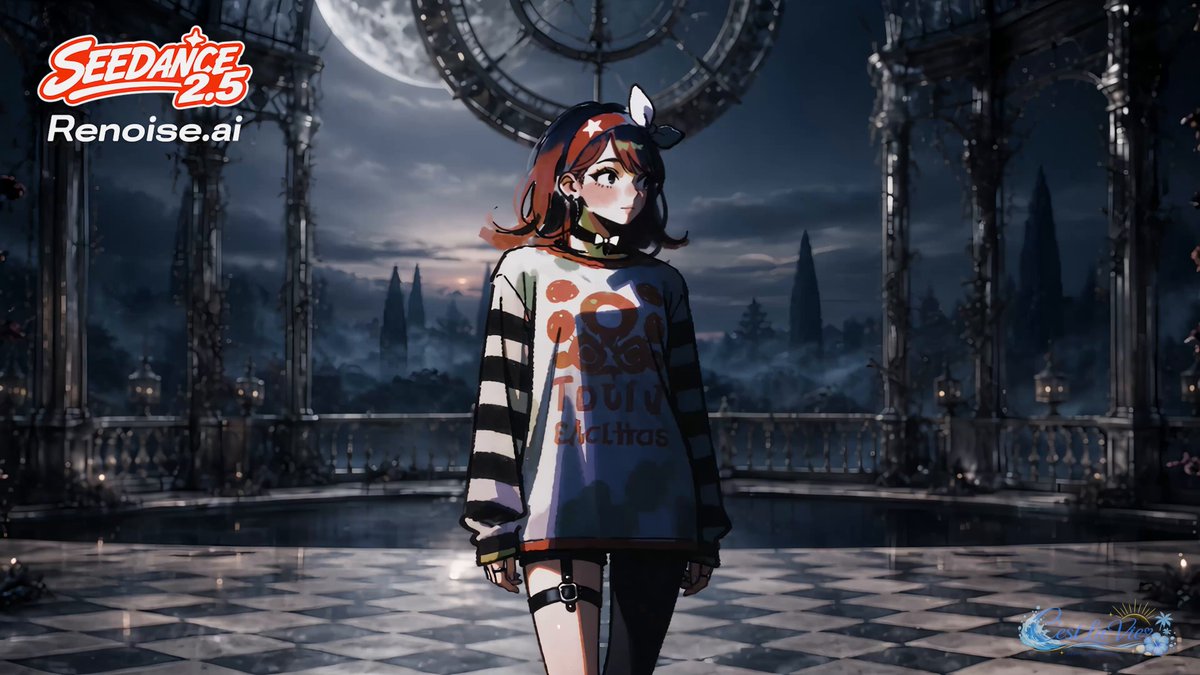
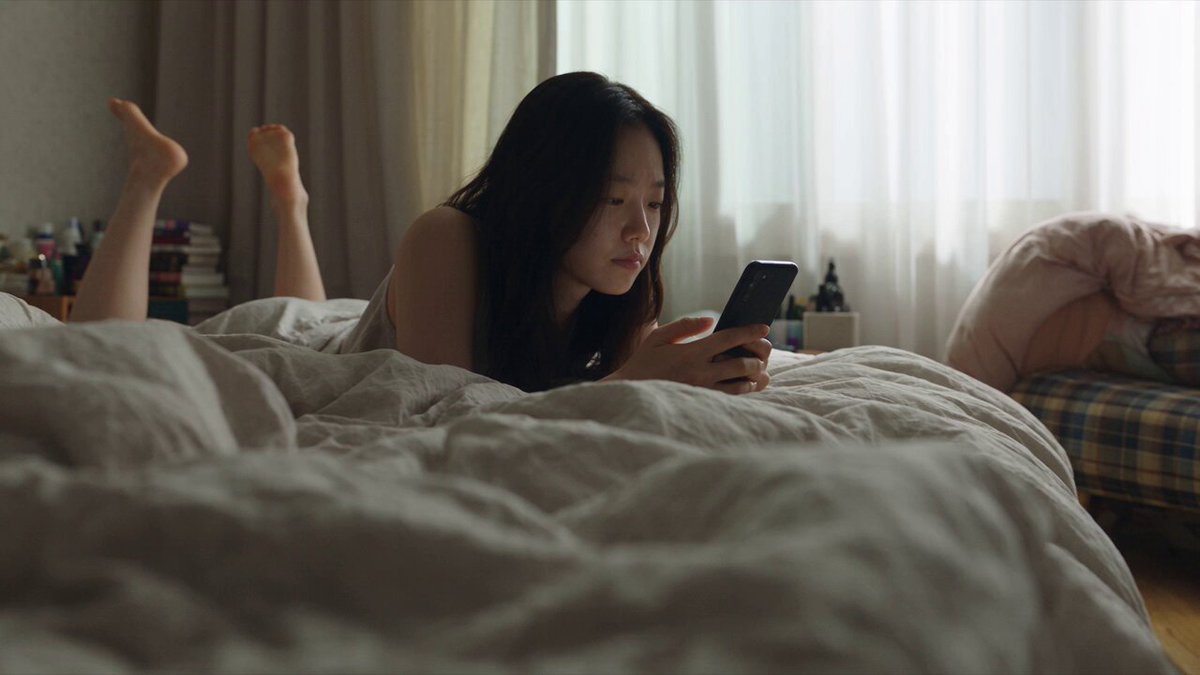
That single change reduces the number of variables dramatically. A photographer with a strong portrait can animate a subtle head turn and a shift in focus instead of generating a stranger's face. A product team can take one hero shot and produce a slow push-in with rotating reflections. An illustrator can bring a drawn character to life without losing the line work. In each case the hard creative decisions are already made before the first frame is generated.
There is a second, less obvious advantage: consistency. If every shot in your sequence begins from a still that you prepared yourself, cuts feel intentional. Characters keep the same proportions, environments keep the same architecture, and color stays in the same family. Sequences assembled from unrelated text prompts never quite escape a feeling of drift.
The trade-off is preparation time. You will spend more minutes in an image editor and less in a prompt box, and that trade is almost always worth it. This guide walks through the whole pipeline: preparing stills, writing motion prompts, selecting a generator for each shot, fixing the failures that show up, and finishing the sequence so it plays like real footage.
How an Image-to-Video Pipeline Actually Works
Understanding the mechanism removes most of the guesswork. An image-to-video model is not "animating" your file the way an editor would. It encodes the still into a compact representation, then runs a diffusion process across a stack of frames that share temporal attention. Frames "see" each other, which is what keeps an object from reinventing itself every half second. Your prompt and any motion controls bias that shared attention, and the decoder turns the result back into pixels.
A few practical consequences follow directly from this design:
- The still sets the ceiling. If the source image is soft, noisy, or ambiguously lit, the model will faithfully animate softness and noise. Clean input is the cheapest quality upgrade available.
- Short clips are more coherent. Four to eight seconds is the sweet spot for most models. Longer generations accumulate small errors until the image visibly drifts.
- Motion conditioning matters more than adjectives. "Heroic, cinematic, epic" does very little. "Slow dolly in, subject turns head to the left, hair moves slightly" does a great deal.
- Multiple control layers exist. Depending on the tool, you may have a text prompt, a camera path, a motion brush or region mask, a depth or pose reference, and first/last-frame conditioning. Stacking two or three of them produces far more controlled results than piling everything into the text.
- Identity is a separate problem from motion. A clip can have gorgeous camera work and still lose the face. Solving those two issues separately keeps troubleshooting manageable.
Once you accept that you are steering a sampling process rather than directing actors, the rest of the workflow becomes a set of habits that reduce variance: simpler motion, shorter clips, cleaner inputs, and stricter review.
Preparing Source Images Like a Cinematographer
Most disappointing generations trace back to the source image, not the model. Spend ten focused minutes per still and you will save hours of re-rolls.
Resolution, Aspect Ratio, and Crop
Generate at the aspect ratio you intend to deliver. If the final video is vertical, crop the still to vertical before generating rather than cropping afterward — a late crop throws away the composition you prompted for and often cuts through a moving subject. Resolution should be adequate but not extreme: very large files do not add detail the model can use, and they slow iteration. Mid-range, sharp, well-lit images are ideal.
Separation and Negative Space
Models animate what they can distinguish. A subject in front of a busy, high-contrast background gives the sampler too many competing edges, and you get crawling texture everywhere. Blur the background slightly, simplify it, or darken it. Leave negative space in the direction of any intended camera move: if the camera pushes forward, you need headroom ahead of the subject, not just behind.
Faces, Hands, and Fine Detail
Faces benefit from even lighting and visible eyes. Deep shadow across one side of a face often becomes a smeared cheek once motion begins. Fix hands in the still — a hand that already looks wrong will look worse when animated. Small accessories such as jewelry, thin straps, and patterned fabric are frequent failure points; simplify them if they are not story-critical.
Text, Logos, and Screens
Any legible text in the frame is a risk. Models tend to wobble letters into nonsense within a second or two. If a logo must appear, keep it small, place it away from strong motion, and expect to composite a clean version over the final cut.
Color and Tonal Range
Keep midtones healthy. Crushed blacks get crushed further, and blown highlights on skin become glowing patches that pulse. Slight desaturation of highly saturated colors makes motion look more photographic. If a still already looks like a movie frame, the model has a good template to follow.
Prompting Motion: Camera, Subject, and Continuity
A motion prompt is a shot description written for a sampler. The reliable structure is a short ladder of clauses: shot size, camera movement, subject action, secondary environmental motion, light behavior, and a style anchor.
A worked example for a portrait still:
Medium close-up, slow dolly in about half a meter, subject turns head slightly toward camera, eyes blink naturally, hair moves gently in a light breeze, warm window light flickers softly on the cheek, shallow depth of field, 50mm lens look, subtle film grain.
Notice what is absent: adjectives about quality, words like "masterpiece," and stacked contradictory actions. Notice also that only one primary motion is requested. Clips that try to combine a camera move, a large gesture, and several background events usually produce mush.
Camera Language That Models Understand
Terms such as dolly in, dolly out, truck left, tilt up, pan right, crane up, handheld, static lock-off, orbit, and push-in are reasonably well understood. Speed qualifiers help too: slow, subtle, creeping. Extremes are risky — a fast whip pan gives the model permission to hallucinate a whole new scene.
Subject Language
Describe actions the body can complete in a few seconds: turning, standing, breathing, lifting a cup, walking two steps, adjusting a jacket. Multi-stage actions ("walks to the door, opens it, turns around") almost always break. Split them into separate clips and cut them together.
Continuity Across Shots
Two habits make a sequence feel authored. First, keep a consistent style anchor in every prompt — the same lens feel, the same grain, the same light quality — so takes from different models still match. Second, reuse seeds and settings when you generate variations of the same shot; small changes in the seed can move a face more than any wording change. When a model supports first-and-last-frame conditioning, build shot transitions by specifying the end frame as the next shot's opening still.
Choosing the Right Generator for Each Shot
No single model wins every shot. Knowing which family suits which task is the difference between two attempts and twenty.
Judge tools on these criteria: temporal stability over the clip length you need, strength of image conditioning (how closely the first frame is preserved), camera control features, first/last-frame support, regional or brush-based motion control, resolution and upscale path, maximum clip length, speed of drafting passes, commercial licensing and watermark policy, and whether an API exists for batch work.
With that framework, rough categories are useful:
- Cinematic realism with camera control: Runway's Gen-family tools and Veo-class models handle lens language and lighting beautifully, and they reward carefully written camera prompts.
- Stylized and fast iteration: PixVerse and Pika are strong for animation-flavored looks, quick variations, and social-first vertical output where speed matters more than photoreal skin.
- Character and subject consistency: models with identity or reference conditioning (Kling, Hailuo/MiniMax-class systems) do better when the same person or character must appear across several shots.
- Open-weight and local workflows: Wan, LTX-Video, CogVideoX, and Stable Video Diffusion derivatives let you run offline, batch heavily, and tune models, at the price of more setup and hardware.
- Draft passes: any fast, low-resolution mode is worth using purely for testing motion ideas before you spend time on final quality.
Feature sets shift quickly, so verify current capabilities before committing a project to one tool. The durable skill is not memorizing a ranking; it is being able to look at a shot and predict which system will handle it.
A Repeatable Shot-by-Shot Workflow
This sequence keeps a project moving without endless re-rolls.
1. Build a Shot List First
Write each shot as one line: shot size, subject, action, camera move, duration. Five to ten shots is a reasonable short piece. If a shot needs two actions, split it.
2. Prepare One Still Per Shot
Apply everything from the preparation section. Keep a clean version of each still in case you need to composite over a broken frame later.
3. Write a Prompt Sheet
Use a simple table to keep prompts, settings, and seeds organized.
| Shot | Still | Prompt focus | Motion type | Duration | Status |
|---|---|---|---|---|---|
| 01 | hero-portrait.png | slow push-in, head turn | camera + subject | 6s | approved |
| 02 | product-angle.png | static, rotating reflection | environmental | 5s | retry |
| 03 | street-wide.png | truck left, crowd motion | camera only | 4s | draft |
4. Draft Cheap, Then Refine
Run every shot once at low resolution in a fast mode. You are reviewing motion, not detail. Only shots whose motion works deserve a high-quality pass.
5. The Three-Attempt Rule
If a shot has not worked after three meaningfully different attempts, the problem is usually the still or the prompt structure — not the model. Change the input image, simplify the action, or split the shot. Do not keep pressing generate and hoping.
6. Lock, Then Upscale
Upscale and interpolate only after the motion is approved. Cleanup passes multiply time, so they should never run on a take you might discard.
7. Assemble Early
Drop approved clips on a timeline as they arrive. Seeing the sequence in context reveals pacing problems that are invisible when you review clips one at a time.
Practice Project
Take five photos: one portrait, one product, one wide environment, one detail shot, and one texture or abstract. Produce six seconds from each, then cut a thirty-second sequence. Deliberately vary the camera move on every clip and keep the grade consistent. This exercise teaches continuity judgment faster than any tutorial, because you will immediately notice which shot breaks the illusion.
Common Failure Modes and How to Fix Them
Identity drift. The face gradually becomes someone else. Fix: shorten the clip, reduce head movement, lower motion strength if the tool exposes it, and use a model with identity conditioning. Reuse the seed that produced the best first second.
Melting hands and limbs. Fix in the still before generating. Keep hands out of frame where possible, or hold them in simple, closed poses. Fast gestures on hands are almost always lost.
Flicker and texture crawl. Fine patterns — stripes, foliage, gravel, knitwear — shimmer as the sampler reinterprets them each frame. Fix: soften or blur those regions in the source, lower detail emphasis, or add a touch of grain in post to mask the residual crawl.
Background morphing. Architecture bends and windows move. Fix: reduce camera travel, lock the background by keeping it low-contrast, and avoid asking for a large push-through of a complex space in one clip.
The boiling look. Every element moves slightly and nothing settles. This usually means over-strong motion settings or a prompt full of verbs. Fix: request one motion, state what stays still, and add a static lock-off instruction for the elements that should be rigid.
Text turning to gibberish. Fix by removing text from the still and adding it in the edit. There is no reliable way to animate typography.
Teleporting camera. The shot jumps to a new angle mid-clip. Fix: simplify camera language to a single term, drop contradictory directions, and shorten the clip.
Color shifts between takes. Fix in post with a unifying grade and by keeping a consistent style anchor in prompts. Different models have different default color science; expect to normalize.
Managing Compute, Time, and Iteration Cost
The most common production mistake is paying premium rates for exploratory work. Treat generation like film stock: cheap tests, expensive finals.
Practical habits:
- Draft at the lowest quality the tool allows. You are evaluating motion, which survives compression.
- Batch similar shots together so you can compare takes side by side instead of sequentially.
- Keep a personal settings library: a portrait preset, a product preset, an environment preset. Reusing known-good settings beats rediscovering them weekly.
- Set a per-shot time limit. Twenty minutes and three attempts is a generous ceiling for a six-second clip.
- Kill weak shots early. A shot that is "almost working" after three attempts rarely becomes excellent on the tenth.
- Reserve high-quality passes and upscaling for the final timeline, not the exploration phase.
- Track which model handled which shot type best for your own footage. Personal results beat generalized rankings.
Estimate a project honestly: preparation, drafting, refining, upscale, assembly, sound, and review. Motion generation is usually a smaller slice of the total than beginners expect, which is why budgeting only for generation time leads to missed deadlines.
Editing, Sound, and Finishing
Generation ends where editing begins, and editing is where AI footage becomes convincing.
Pacing. AI clips read as slow, so keep shots short — two to four seconds on average, with longer holds only where nothing moves. Cut on action: match a head turn to a frame where the movement peaks and the cut will feel deliberate.
Stabilization and speed. A tiny speed change (95% or 105%) can smooth awkward motion without looking artificial. Gentle stabilization hides micro-jitter but will not fix warping, so apply it after you have chosen the best take.
Grade to unify. Apply one look across all clips: matched black levels, a shared curve, and consistent grain. This single step does more for perceived quality than any individual generation upgrade.
Sound design. Add room tone, foley for footsteps and cloth, and a music bed with an arc. Silent AI footage feels synthetic; even minimal ambience changes how motion is perceived.
Framing safety. Keep titles and captions inside safe margins, because different generators handle edges differently and some produce soft borders you will need to crop.
Delivery check. Watch the whole piece once with sound and once muted. Muted viewing exposes continuity breaks; sound-on viewing exposes pacing problems.
FAQ
Can I make videos longer than a few seconds? Yes, in three ways: chain clips using the last frame of one as the first frame of the next, use built-in extend or continuation features where available, or cut multiple short clips into a sequence. Chaining preserves continuity but slowly degrades detail, so plan for a refresh after two or three links.
Do I need an expensive computer? Not for hosted tools — they run on remote hardware and only need a stable connection. Local open-weight models do reward a strong GPU with plenty of video memory, and they are the better path if you plan to process large batches privately.
Can I keep the same character across many shots? Use a model with reference or identity conditioning, feed it the same clean reference image every time, keep prompts structurally identical, and reuse seeds. Consistency comes from repetition of inputs, not from wording.
Why does my footage look like it is boiling? Motion strength is too high, or the prompt implies movement everywhere. Request one action, state what remains still, and lower the motion setting.
Should I upscale before or after editing? After. Edit with the fast versions, lock the cut, then upscale and interpolate the final clips. Upscaling early wastes processing on takes you will discard.
What about lip sync and dialogue? Animate the performance first with subtle head and mouth movement, then apply a dedicated lip-sync pass using your recorded audio. Trying to direct speech inside a motion prompt produces uncanny results.
Are these videos usable commercially? It depends on the tool and your plan. Check the licensing terms of each model you use, confirm whether local laws require disclosure of synthetic media, and keep records of the assets you started from.
Which model should I start with? Start with one tool you can iterate in quickly, learn its motion vocabulary, and add a second tool only when you hit a specific limitation. Tool-hopping early replaces skill with noise.
Where to Focus First
If you take one idea from this guide, make it this: the still is the shot. Almost every problem people attribute to weak AI video models traces back to an image that was ambiguous, cluttered, or underlit, or to a prompt that asked for five things at once.
Build the habit chain in order. Prepare one image properly. Write one motion prompt with a single primary action. Draft cheap. Apply the three-attempt rule. Cut approved clips onto a timeline immediately. Grade them together, add sound, and only then judge whether the sequence works.
Do that for five shots and you will have a complete short film made from photographs. Do it for fifty and you will have a repeatable production process — one that survives whatever new model appears next, because the judgment lives with you rather than with any single generator.
