
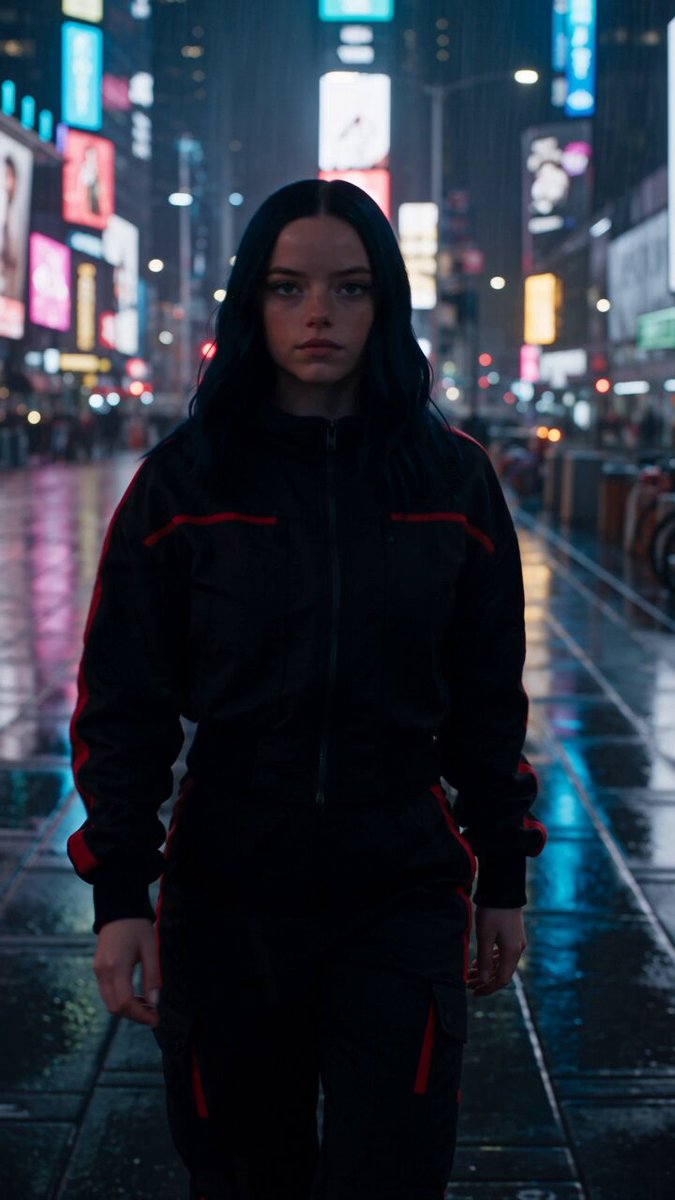
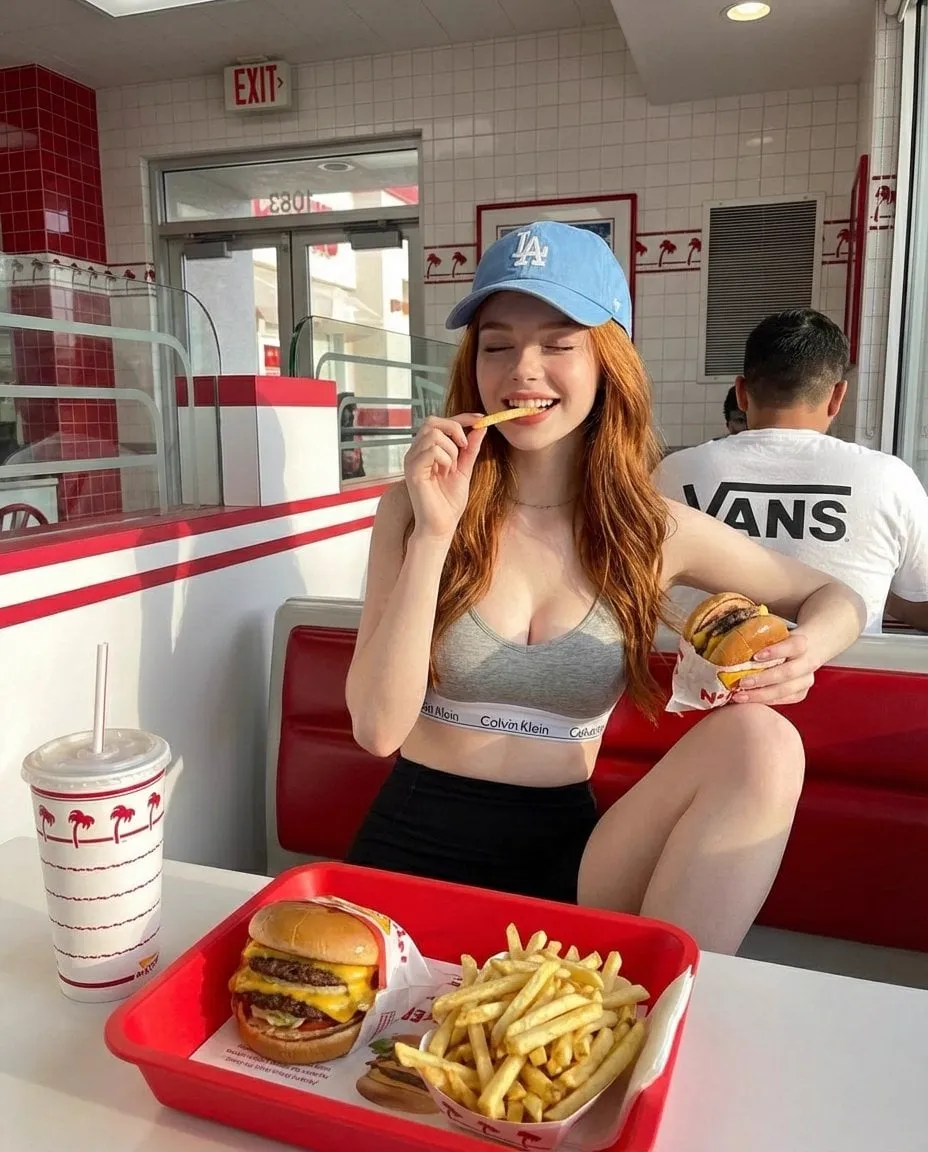
Image-to-video has quietly become one of the most exciting areas of generative media. Instead of describing a world from scratch, you give the tool a picture and ask it to bring that picture to life. The result is far more control over exactly who or what appears on screen.
The hardest part of this workflow is keeping a character identical across many shots. When a face shifts, a costume changes color, or a hairstyle drifts between scenes, the illusion collapses. This guide explains how multi-image reference fusion solves that problem and how to use it well for believable, professional video. It covers the technical idea, the practical method, and the habits that let you do it reliably on real projects.
Why Image-to-Video Is Taking Off
Between the launch of modern video diffusion models and today, the quality jump has been dramatic. Early attempts produced wobbly, short clips. Current systems generate coherent motion, believable physics, and stable subjects, especially when given strong reference material.
The practical effect is that anyone can take a single well-made image and turn it into an animated scene. This is enormously useful for storytellers, advertisers, and animators who already have strong visual assets and simply want to make them move. It also lowers the barrier for small studios that could not afford a full animation pipeline.
The Creative Advantage of Starting From an Image
Working from an image changes the creative process. You are not predicting a whole world from words; you are extending a world you have already designed. Look, mood, composition, and identity are decided in the image, and the video is charged with animating them convincingly. For many projects this is faster and more controllable than starting from a blank text prompt.
What Fusion Actually Means in Practice
Fusion, in this context, means the model blends multiple reference images into a single identity. Rather than relying only on text description, the process locks appearance to the pictures you provide. It is the difference between describing a face and showing the face.
Multi-Image Referencing
Give the generator several views of a character, a product, or a location. The model then reconciles these views into a consistent three-dimensional understanding. The more angles you supply, the more stable the result across shots. A robust reference set typically includes a front view, a three-quarter view, a profile, and a close detail of the key features.
Difference From a Single Image
With just one image, the model has to guess the back of the head, the side profile, and how the face behaves in motion. With multiple angles, those guesses disappear and identity locking improves sharply. Single-image workflows are fine for one-off clips, but for any serial project you want the depth of a multi-angle reference set.
What This Unlocks
- Storytelling characters that stay recognizable scene after scene.
- Brand mascots that hold their identity in every asset.
- Products filmed from many angles without reshoots.
- Reusable casts of characters for series content.
Each of these unlocks real production value. The ability to reuse a character reliably turns a one-off experiment into a repeatable series, which is where consistent brands and ongoing stories get built.
Choosing a Model That Supports Identity Persistence
Not every model renders multi-image references equally well. Some are far stronger at holding identity, while others prioritize motion or speed. Matching the model to the identity-sensitivity of your project is a core decision.
What to Look For
- Strong character persistence across shots.
- Clear handling of the reference images you upload.
- Good balance of motion quality and detail.
- Reasonable cost and generation speed for volume work.
Prototype Before Committing
Run a quick test with a reference set before planning a full project. Confirm that two or three matches for identity, then scale up your production. A small prototype reveals which models are worth investing in for your specific subject and prevents expensive surprises later.
Making Character Fusion Work: A Practical Method
Getting consistent results is a skill. Follow this workflow for reliable outputs.
Step 1: Build a Complete Reference Set
Shoot or generate several images of your subject from different angles, in consistent lighting, with identical clothing. A front, a three-quarter, a profile, and a detail of the face give the model the most information. Consistency of lighting and costume across references is what makes fusion stable.
Step 2: Standardize the Prompt Language
Use the same descriptors every time for appearance, style, and mood. Repeated, precise language reinforces the visual identity provided by the reference images. If your wording drifts, the model drifts with it.
Step 3: Generate Scene by Scene
Work shot by shot, feeding the same reference set into each new scene. Review each result before moving on instead of generating everything blind. Catching an identity error early is far cheaper than redoing a string of scenes at the end.
Step 4: Curate and Regenerate
Accept the strong shots and regenerate the weak ones with small prompt tweaks. Identify problems early rather than fixing them in post-production. Curation, not generation, is the craft that separates polish from raw output.
Using an AI Director to Automate Consistency
Some advanced systems include a director-style agent that coordinates scenes, enforces style, and manages references on your behalf. It translates a script into a series of consistent outputs, removing much of the manual repetition.
This is most valuable for projects with many shots and strict brand requirements, where consistency must be guaranteed across a long production rather than trusted to luck. A director-style workflow also levels the playing field for smaller teams, because structure replaces the need for a large manual crew.
From Script to a Consistent Sequence
The director role takes your narrative and turns it into a shot list, applies the same references to every relevant scene, and produces a coherent sequence. This is especially powerful for series content where a recurring cast and a continuous world are the entire point.
Behind the Scenes: How the Pipeline Holds Together
Making all of this feel seamless relies on solid infrastructure. Understanding a little of it helps you work more effectively and plan longer projects.
Scene Management and Task Queues
Long jobs are broken into tasks and processed by a queue of rendering workers. This is why a thirty-scene video does not mean you must babysit it for hours. The planner can spend effort on the scenes that matter while the system handles the volume.
Audio-Visual Synchronization
Final quality depends on sound matching picture. Captions, voice, and music must align with the motion to feel believable. Synchronization is often the difference between a clip that feels finished and one that feels like a draft.
Post-Production Still Matters
The best results treat generated footage as raw material. A clean edit, color pass, and sound design elevate the output to professional standard. Fusion keeps the character stable, but editing is what carries the work across the finish line.
Practical Habits That Hold Identity
Designing Reference Images That Work Hard
The reference set is your highest-leverage asset, so it is worth designing it deliberately.
Consistent Lighting Across Angles
If the lighting changes between your reference photos, the model cannot tell which look is the real one. Keep the same key light, the same intensity, and the same color temperature in every angle. This small discipline prevents a whole class of consistency failures.
Neutral and Expressive Frames
Provide a few neutral frames that establish the base look, and a few expressive ones that show how the character reads emotion. Between them, the model learns both the identity and the way it moves. Series that need acting, mood, or brand warmth benefit enormously from expressive references.
Manage File Resolution
Use the highest resolution your tool accepts. Identity detail lives in fine features, and downsampled references blur the very details fusion relies on. Clean, sharp inputs produce clean, stable outputs.
When Fusion Is Worth the Effort
Fusion is not always the right choice. Judge by the project.
- For a single, one-off clip, a simple reference or strong prompt is usually enough.
- For a series, a multi-scene narrative, or any recurring brand character, fusion earns its cost.
- For long-form work with a strict visual identity, fusion plus a director-style workflow is close to essential.
A quick rule: if the same face or product must appear in more than two scenes, build the reference set. If it appears once, keep it simple.
A Practical Prompt Template
A reliable fusion-friendly prompt combines identity anchors with scene detail.
Describe the character using the exact words you locked in step two, then add the scene: the setting, the action, the lighting, and the camera move. Keep identity language unchanged and let only the scene change. This removes the biggest source of drift, description inconsistency.
Handling Accessories and Costume Changes
If a scene sends the character into new clothing, describe the change explicitly while keeping the face and hair anchored by the references. Changing the costume is fine; changing the face is not. With the reference set locked, the model keeps the identity and applies only the described wardrobe shift.
Monitoring Quality Across a Long Run
As your production grows, keep a simple quality log. Track which scene, which model, how many regenerations, and whether identity held. Patterns emerge fast, and a small log turns lessons into repeatable wins. It also helps you compare models fairly before locking one in for a large project.
Common Pitfalls
- Uploading only one reference angle. Provide multiple views for stable identity.
- Changing the character description between scenes. Keep prompt language identical.
- Skipping the review pass. No scene ships raw.
- Forgetting audio. Silent, unedited clips feel unfinished.
- Expecting a zero-effort button. Fusion still needs a careful operator.
Frequently Asked Questions
Can I make an entire film this way?
Shorter narrative pieces are very achievable. Longer films require more careful scene planning and consistent reference management, but the approach scales with discipline.
Do I need modeling or 3D skills?
No. The references are ordinary images, and the model handles the interpretation. You do not need sculpting, rigging, or rendering experience.
What if my character keeps changing?
Improve the reference set, add angles, lock your prompt wording, and choose a model with stronger identity persistence. Testing a few models on your subject reveals the best fit.
Is post-production necessary?
Yes, and it is worth it. Editing, color, and audio are what carry generated clips into professional territory. Fusion does the heavy lifting on identity, but the final polish is still in your hands.
How many reference images should I use?
As a starting point, four work well: front, three-quarter, profile, and a face detail. For important characters you can add a few expressive frames. More useful angles help up to a point, after which you are just adding clutter.
Can I fuse a real person?
Yes, if you have the rights and consent. Using real people relies on accurate references and care around likeness rights, so confirm you are allowed to depict them before you publish commercially.
Does fusion slow down my workflow?
It adds a little front-loaded effort for reference building, but it saves far more time downstream by cutting regenerations and retakes. For serial work the investment pays back quickly and keeps improving the more you reuse a well-built reference set.
Final Thoughts
Character fusion removes the biggest obstacle to serial, story-driven generative video: keeping the same person believable from scene to scene. With a solid reference set, a compatible model, and a disciplined workflow, you can produce videos that feel continuous and professional rather than random and disconnected. Start with a small project, build your reference habits, and let consistency become second nature. As you reuse and refine the same identity across more productions, the quality of your output compounds while the effort you need per scene keeps falling.
