


The pursuit of photorealism in AI video marks a pivotal shift in digital content creation. In mid-2025, AI-generated video is approaching the point where it is virtually indistinguishable from high-production live action, and at the center of that shift is image-to-video technology with seamless style transfer. This guide explores how that technology works, the models that power it, and how independent creators can use it to turn a single concept image into cinematic motion.
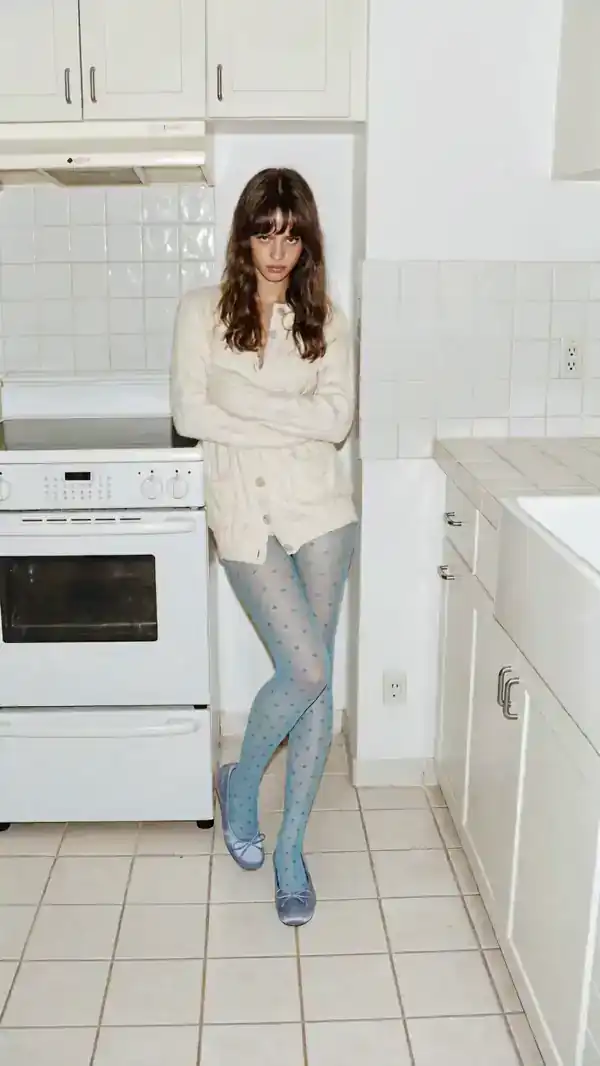
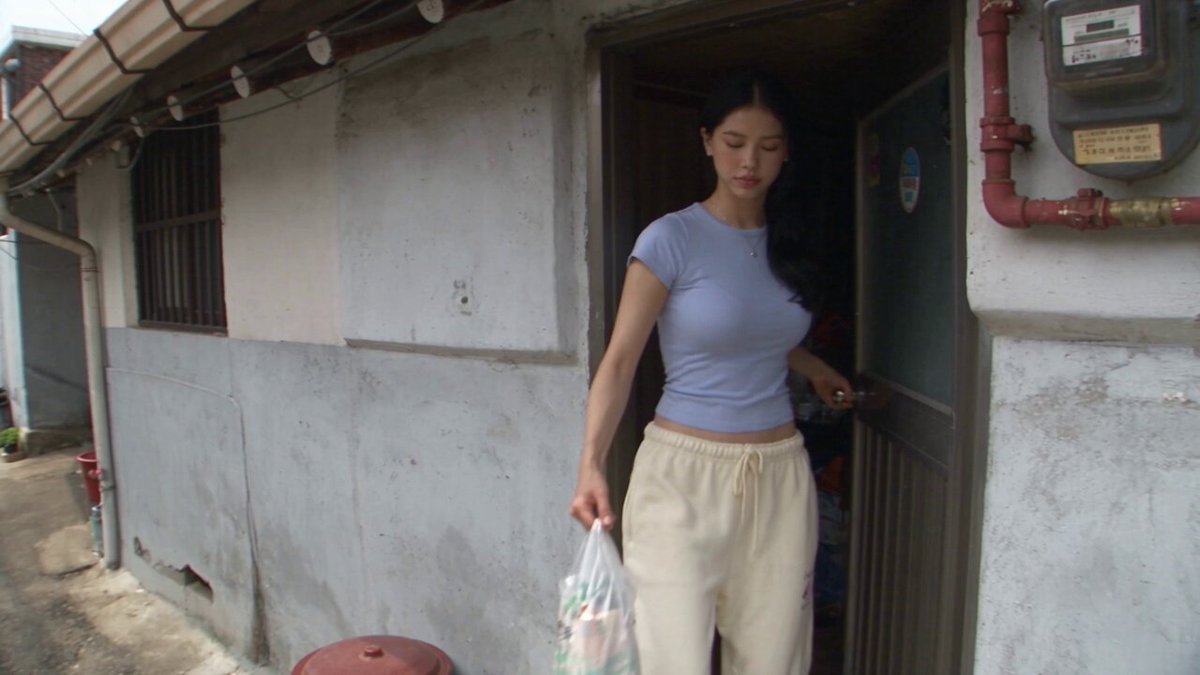
The clearest demonstration is to take a strong portrait photograph and ask two different tools to animate it. One tool treats the image as a hint and drifts into its own generic render, producing a moving picture of nobody in particular. The other tool treats the image as a contract, keeping the exact face, the exact clothing, and the exact light while adding natural motion. That second behavior, honoring the source image as the identity of the shot, is the heart of seamless image-to-video and the reason photorealism finally feels attainable.
The race toward synthetic photorealism
The digital content creation space is characterized by an intense race toward synthetic photorealism, the point where AI-generated video is virtually indistinguishable from high-production live action. Short-form and vertical content accelerated this race because audiences reward footage that looks real, believable, and finished.
What makes this moment different is accessibility. This technology bridges the gap between conceptual visualization and cinematic realization for independent creators. A filmmaker working alone can now hold a concept, a single strong image, and turn it into moving, believable footage without a crew, a set, or a studio budget.
The core challenge: temporal coherence
The core challenge in image-to-video generation has always been temporal coherence. Objects and characters must not shimmer, change appearance, or move unnaturally between frames. Single-frame beauty is not enough; the integrity of the subject has to survive the transition from still to motion.
Two forces must work together. The static image carries the texture, lighting, and high-frequency detail. The video model carries the motion and must keep everything stable across time. When both work, the result is a moving image that does not betray that it began as a still.
Model architectures for consistent photorealism
The strongest architectures model time as an explicit dimension. They learn how pixels should move so that the output remains physically coherent. This prevents the flickering and jumping that plagued early tools and is the foundation of believable, continuous footage.
Seamless style transfer in artistic direction
Style transfer is what gives a project a consistent look. Instead of each clip inventing its own aesthetics, you apply a single visual style across a whole sequence. In artistic direction this is invaluable: it lets you keep a coherent world, a consistent color grade, and a recognizable look from the first frame to the last, even when the subject changes.
Style transfer also protects brand work. A product shown across multiple shots stays on-brand in every frame, which is exactly what campaign and series content demands.
Architectural support and data flow
Photorealistic pipelines need a clean flow of data between the reference image, the prompt, and the generator. The system must hold the source image's identity in its latent representation while it animates, so the output preserves fine detail rather than drifting into generic renderings. Consistency mechanisms keep that identity from decaying over long sequences.
Integrating models for diverse photorealistic output
Not all photorealistic work is the same, and matching the model to the task is the difference between good and great output.
Specialized models for style fidelity
Some models are built specifically to preserve the style of an input. They excel when you need to keep a distinctive art direction, a particular texture, or a brand's visual language intact through the animation. For work where style is the product, these are the tools to reach for.
Multi-reference inputs for temporal consistency
Using multiple reference images is a powerful lever for consistency. The more concrete anchors you give the model, the better it keeps a subject stable across time. Instead of describing a face in words, you show the model the face from several angles, and it holds that identity throughout the sequence.
Motion and realism through model tuning
Realism is not only about what moves but how it moves. Subtle physical cues, the weight of an object, the arc of a movement, the way light catches a surface, all signal realism. Tuning generation parameters and choosing models with strong motion understanding lets you control these physical nuances rather than leaving them to chance.
A comparison of approach priorities
It helps to separate three different goals, because each rewards a different emphasis.
- Style fidelity: when the look is the product, prioritize models built for preserving style and transfer.
- Temporal consistency: when a subject must reappear identically, prioritize multi-reference support and continuity.
- Motion realism: when physical believability is the goal, prioritize models with strong motion understanding and tune parameters carefully.
Most projects need a balance, but knowing which one is primary stops you from optimizing the wrong thing.
A practical workflow for photo-realistic video
The most reliable path is a repeatable process.
- Produce or source a single strong reference image with full detail.
- Define the motion you need in a clear prompt: direction, speed, camera behavior.
- Choose a model matched to the shot, fidelity, style fidelity, or continuity.
- Provide multi-reference images for any subject that must stay consistent.
- Generate multiple takes and review them as sequences, not stills.
- Apply and refine style transfer until the whole piece shares one look.
- Add sound last, once the picture is stable and coherent.
The discipline that matters most is watching the motion. A single beautiful frame proves nothing about whether the scene holds together over time.
A common mistake: judging output as stills
The single most common failure is evaluating photorealistic output by looking at individual frames. A still can look perfect while the full sequence shimmers and breaks. Always review the generated footage in motion, and watch specifically for identity drift, lighting jumps, and inconsistent motion. Catching those before you commit time downstream saves enormous rework.
Taking account of sound and finishing
Photorealism is a visual achievement, but a finished piece is more than a moving image. In practice, the realism audiences perceive is heavily influenced by sound and by the finishing steps that come after generation, and creators who skip them undercut otherwise excellent footage.
Sound is where many photorealistic videos fall short of the impression they set up. An empty, silent scene can feel uncanny no matter how good the picture is, because the real world is never silent. A light ambient layer, matching room tone, subtle effects tied to what is happening on screen, all anchor the image in a believable space. If a scene includes water, wood, fabric, or machinery, a faint corresponding texture in the audio does more for perceived realism than any visual filter. Sound is additive to realism, and it is often the fastest way to lift a clip from impressive to convincing.
Voice and music must be timed to the motion, not free-floating. When the camera lands on a subject or the scene shifts, the audio should acknowledge that shift. Sync is a quiet craft, but a clip that feels off by half a beat loses its sense of being one coherent piece. For narration-heavy photorealistic work, keep the voice clear in the mix and let it drive the pacing, because the realism of the image and the clarity of the message have to reinforce each other.
Finishing also includes the purely technical passes that make footage presentable for delivery. Consistent color grading across the whole piece, a gentle sharpening pass appropriate to the resolution, and proper compression settings for the destination all protect the photorealism you generated. It is frustrating to generate beautiful footage and then degrade it in the encode, so test your final output on the smallest screen your audience will use and keep the quality there.
Considerations of light and physics belong in the prompt, and also in the review. Realistic footage obeys how light falls on a surface, how a shadow moves when the source shifts, and how objects gain or lose momentum. When you review a sequence, watch for the physical tells that break the spell, a shadow that does not move with the subject, a highlight that ignores the scene's light source, a motion that accelerates in a way no object would. Catching these tells is what separates footage that looks real at a glance from footage that survives a second look from a viewer who is trying to find the seams.
Finally, protect the story. Photorealism is overwhelming when it serves a clear intention, and empty when it does not. A photorealistic scene exists to make the viewer believe the moment, so every visual and audio choice should support the message you are trying to land. The tools make realism accessible; the craft of direction keeps it meaningful, and it is that combination that produces work people remember and return to.
A practical example end to end
To make all of this concrete, walk through a single short project from concept to delivery. The goal is a ten-second hero clip for a product launch: a sleek lamp in a warm, minimal apartment at dusk, slowly turning on to light the room.
Begin with the reference image. Generate or source one strong still of the exact lamp in the exact room at the exact lighting, because this still becomes the identity contract for everything that follows. Draft the motion prompt in plain language: the lamp begins off, a soft warm glow rises inside it, light spills across the tabletop, and a gentle camera push draws the viewer in. This prompt names the object, the direction of motion, the light behavior, and the camera, which are precisely the four things the model needs to know.
Choose the model by priority. Because the lamp and the room must be identical to the reference, prioritize a model with strong style fidelity and temporal continuity over raw resolution. Provide the still as a reference input, and also generate one or two supporting references from different angles so the model holds the geometry of the lamp across the motion.
Generate several takes and review them as a sequence, watching three tells: whether the lamp's silhouette stays true to the reference as the light rises, whether the spreading light obeys the room's actual surfaces, and whether the camera push feels natural rather than hovering. Run it again if any of the three breaks, adjusting the prompt or adding a reference rather than accepting a flawed take.
When the motion holds, finish the piece. Add a subtle room-ambient layer so the scene is not silent, tune a rising low bed of music to build with the lamp, and grade the whole clip in one warm direction so every frame agrees. Encode for the destination and check the first frame on a phone; that frame, the lamp off in the dim warm room, is the thumbnail that must earn the play. Delivered like this, a single reference image becomes a believable, finished ten seconds, and the same process scales to any product, scene, or story you need to tell.
Frequently asked questions
What is the most important factor for realism?
Temporal coherence. A sequence that holds identity, lighting, and motion across every frame reads as real; a sequence that does not betrays itself instantly.
Do I need reference images, or can I describe everything?
Reference images dramatically improve consistency. Text alone struggles to hold identity across time; concrete anchors solve it.
Is motion quality or image quality more important?
Both, but motion quality is the harder problem. A detailed still with broken motion is more obviously artificial than a simpler image that moves naturally.
Final thoughts
Photorealism in AI video is no longer a distant ambition. It is a practical tool built on temporal coherence, seamless style transfer, and thoughtful multi-reference prompting. For independent creators, it closes the gap between a concept and a cinematic result, turning a single strong image into moving, believable footage. By mastering the workflow, matching models to the task, and reviewing output as sequences, you can unlock a level of cinematic realism that was out of reach for solo producers only a few years ago.
