
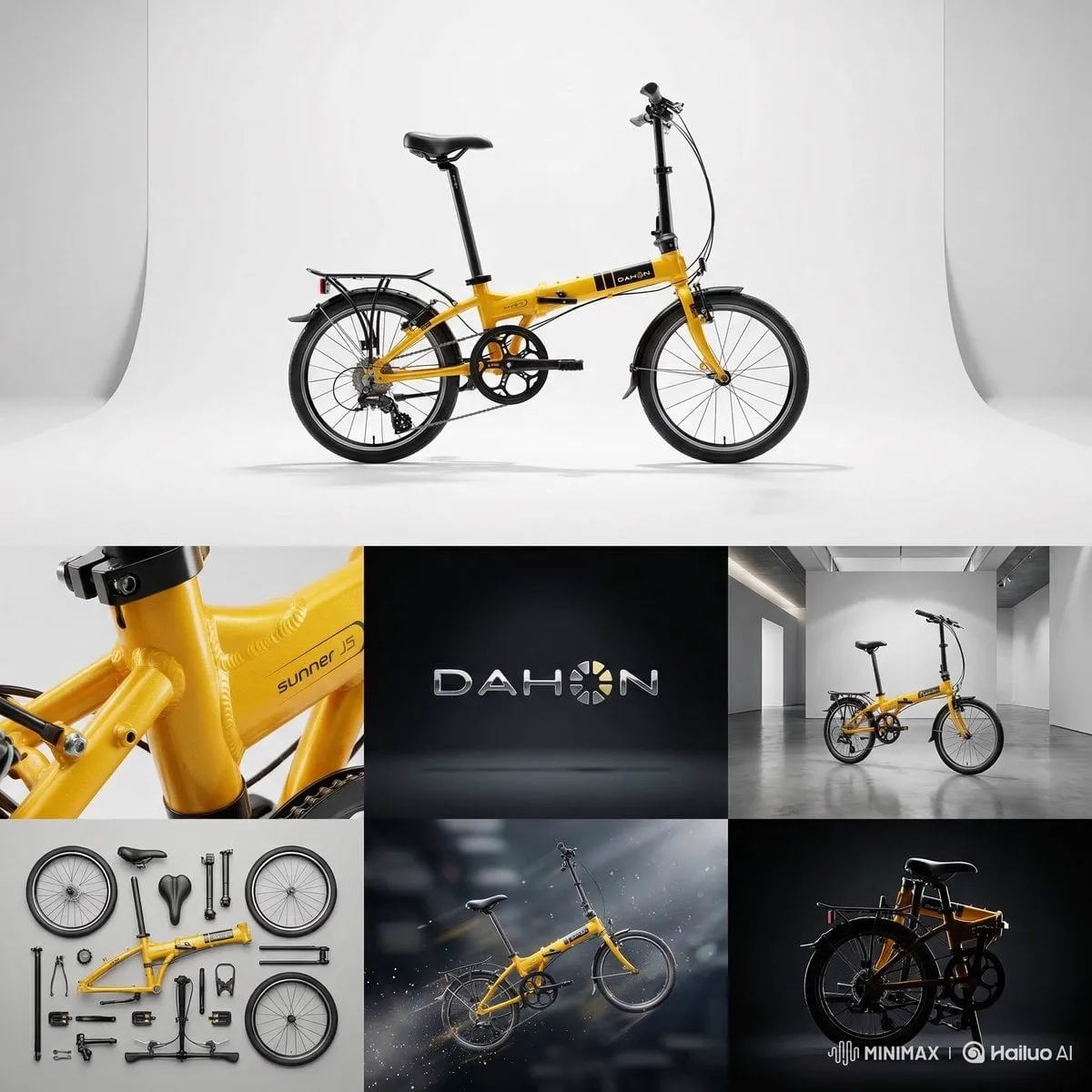
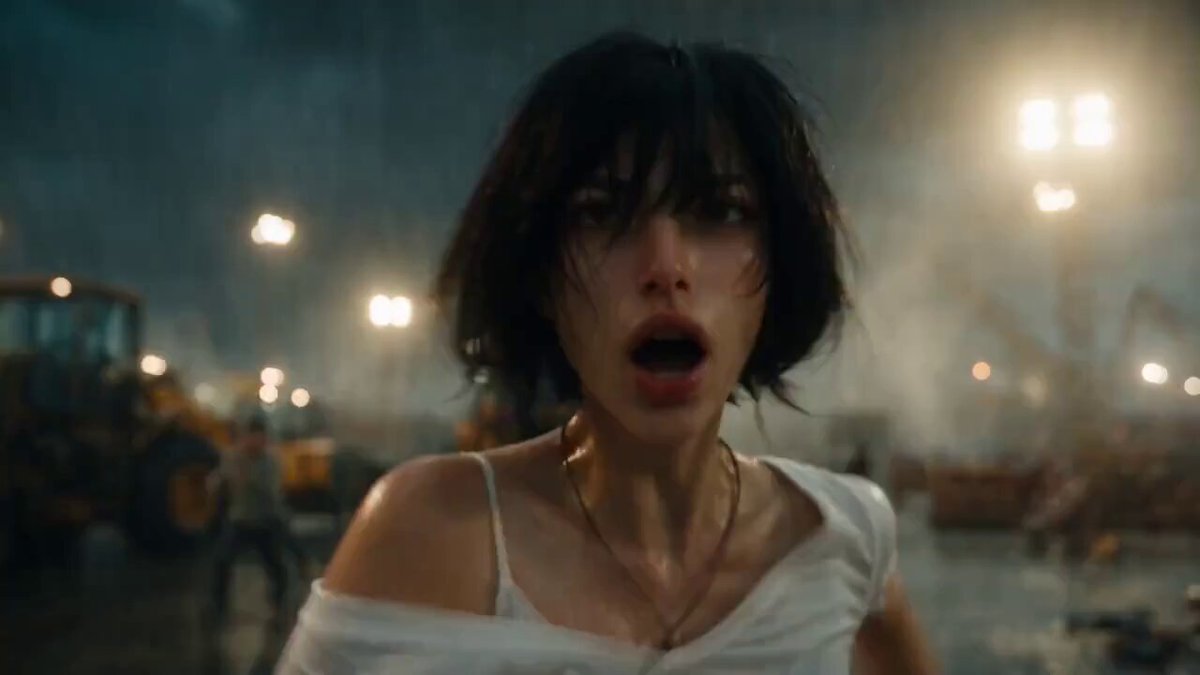
Photorealistic AI generation has crossed a threshold. It is no longer a curiosity that produces waxy faces and wobbly limbs on a good day. In 2025, the best models generate images and short videos that are genuinely hard to distinguish from captured footage, and that changes what creators can plan, promise, and produce. This guide explains what photorealism actually means in AI terms, why it matters for anyone creating content, and how to build a practical workflow around it.
The shift is easy to understate. For years, the goal of generative models was simply to produce something recognizable: a cat, a city street, a person running. The new goal is much harder. A photorealistic result has to satisfy the same unconscious checks a human viewer performs on real footage, including texture, lighting, physics, and continuity across frames. When a model passes those checks, the image stops being a picture of something and starts being a believable record of something. That is the difference between a demo and a deliverable.
What Photorealism Means in AI Generation
Photorealism in AI is not a single feature. It is a bundle of properties that have to hold simultaneously:
- High-resolution texture detail: skin pores, fabric weave, rust, dust, and the tiny imperfections that make surfaces feel real.
- Accurate lighting behavior: shadows that fall in the right direction, reflections that respect the environment, and light that wraps around objects instead of sitting on them.
- Physical coherence: objects obey gravity, liquids flow, cloth deforms, and nothing bends in impossible ways unless you asked for it.
- Depth of field and focus: the camera behaves like a camera, with selective focus, lens distortion, and motion blur that match the scene.
- Stable identity: a person or character keeps the same face, clothing, and proportions from one frame to the next.
Early generators failed most of these checks most of the time. The industry moved from GAN-based architectures to diffusion models precisely because diffusion is better at modeling the global structure of an image, which is what makes lighting and texture behave consistently. The result is that current models can hold a scene together instead of producing a collage of convincing fragments.
Why This Matters in 2025
Three industries are being reshaped by this capability right now. Filmmakers and video producers use photorealistic AI for previsualization, background plates, and VFX shots that would previously require expensive location shoots or CGI pipelines. Advertising teams generate product and lifestyle footage at a fraction of the cost of a traditional production, then iterate on dozens of variations in a single day. And creators in VR and AR need vast amounts of believable synthetic content, from training environments to virtual storefronts, which is simply not feasible with manual production.
The economic logic is straightforward. A photorealistic shot that used to cost thousands of dollars in equipment, crew, and post-production can now be generated in minutes, and the marginal cost of a second variation is close to zero. That changes the workflow from "commit to one expensive shot" to "generate, compare, and keep the best." Teams that adopt this workflow can test concepts that would have been too risky to shoot, and they can respond to feedback in hours instead of weeks.
The Technical Foundations You Should Understand
You do not need to train a model to use one well, but a little architecture knowledge makes you dramatically better at prompting and troubleshooting.
Diffusion models work by learning to reverse a process that adds noise to images. At generation time, the model starts from random noise and gradually removes it while following your prompt. The quality of the output depends on how well the model understands the relationship between words and visual structure, and on the sampling strategy used during denoising. This is why the same prompt can produce very different results across models: each model has its own internal mapping of language to image.
Two practical concepts matter more than anything else. The first is the seed, the random starting point that determines the base noise. Fixing a seed lets you iterate on a prompt while keeping the composition roughly stable, which is essential when you are trying to move a shot in a specific direction. The second is the reference image. Modern pipelines let you feed one or more images as input, so the model can copy identity, style, or layout instead of inventing it from text alone. Reference-based generation is the foundation of consistent characters, and it is the single most important technique for turning isolated images into scenes that belong to the same story.
The Current Model Landscape
The market split into clear tiers by mid-2025, and knowing the tiers helps you pick the right tool for the job instead of fighting the wrong one.
Flux and its Pro variants set the standard for raw quality and fine detail control. They are the go-to choice when the priority is a polished still image with precise texture and lighting. Runway Gen-4 focuses on consistency, which makes it a strong pick for narrative work where a character or location must survive across many shots. OpenAI's Sora series brought a leap in physical plausibility and contextual understanding, handling complex scenes and motion that earlier models mangled. Kling stands out for natural, expressive motion and is especially popular for character-driven clips. Around these heavyweights, PixVerse offers a wide set of cinematic lens and camera controls, while Hailuo and Luma provide strong options for stylized and fast-turnaround work.
The practical lesson is that no single model wins everything. A realistic workflow routes each shot to the model that matches its requirement: high-fidelity stills to a quality-focused model, motion-heavy scenes to a motion-focused one, and quick concept tests to the fastest option. Orchestrating several models is more work than using one, but it is how you get results that look like a production instead of a single-model demo.
Building a Photorealistic Video Workflow
Here is a workflow that reliably produces believable footage, refined through real projects:
- Define the subject and gather references. Before writing a single prompt, decide what the camera is looking at. Collect three to six reference images of the character or location, including different angles if possible. Consistency starts here, not in the prompt.
- Write scene-level prompts, not object-level ones. Describe the shot the way a cinematographer would: subject, action, camera angle, lens, lighting, mood, and time of day. A prompt like "close-up of a woman in a rain-soaked jacket, 85mm lens, shallow depth of field, cold blue evening light, rain bouncing off the street" produces far better results than "a woman in the rain."
- Generate keyframes first. Create the opening and closing frames of the shot, plus any critical in-between poses. Check them carefully for identity and lighting before spending time on motion.
- Use image-to-video for the actual motion. Feed the approved keyframes into a video model rather than prompting video from text alone. This is the difference between a character that drifts and a character that stays recognizably the same person.
- Iterate with fixed seeds. When a shot is close but wrong, keep the seed and adjust one variable at a time, whether that is the prompt, the reference, or the model. Changing everything at once makes it impossible to know what worked.
- Finish in post. Upscale the final pass, add grain if the platform needs it, and design audio separately. Audio is half of perceived realism, and it is the part most AI video pipelines ignore.
Prompt Engineering for Photorealism
The difference between an average and a photorealistic result often comes down to prompt structure. Use a consistent template so you can compare outputs across models:
- Subject: who or what is in frame, with specific visual attributes.
- Action: what is happening, including physical interaction with the environment.
- Camera: angle, distance, lens, and whether the shot is static or moving.
- Light: source, direction, quality, and color temperature.
- Atmosphere: weather, time of day, haze, reflections, or anything that gives the scene density.
- Style anchor: "photorealistic," "shot on 35mm," or "natural skin texture," plus anything you explicitly want to avoid.
Negative prompting also matters. If a model keeps producing glossy skin or over-saturated colors, tell it what to avoid. Most platforms support negative prompts, and a short list of recurring problems, such as "plastic skin, oversharpened, cartoonish, extra fingers," can clean up outputs faster than rewriting the positive prompt.
Common Mistakes and How to Avoid Them
The most common failure is skipping the reference phase and expecting text to carry identity. Text cannot reliably hold a face across shots; references can. The second most common failure is treating video generation like image generation. A video is a sequence of decisions, and each decision multiplies the chance of drift, so the discipline of keyframes and seeds matters more as you move to longer clips. The third is over-polishing the first pass. If the base shot is weak, no amount of upscaling will fix the lighting or composition. Fix the source, then polish.
Budget and time should also be planned like any production. Premium models give better results and cost more per generation. The efficient pattern is to do your fast, cheap iterations on a standard model and reserve the premium pass for shots that survived review. This keeps costs predictable while protecting the quality bar where it counts.
Evaluating Output Quality: A Practical Checklist
Because photorealistic output is judged by the same instincts that judge real footage, it helps to review every generated shot against a short checklist instead of trusting first impressions:
- Anatomy and hands: count fingers, check joints, and look at faces from odd angles. Modern models are dramatically better here, but failures still cluster in these areas.
- Text and signage: any readable text in the frame should be legible and spelled correctly. Garbled signs are an instant giveaway.
- Reflections and shadows: light should behave consistently. If a reflection implies a light source that does not exist in the scene, the illusion breaks.
- Physics of motion: cloth, hair, and water should move the way they do in the real world, and objects should not pass through each other.
- Edge behavior: check the boundary of the frame, where motion blur and depth of field often fail first.
- Identity across the cut: if the shot is part of a sequence, verify the character and location against the previous shot.
A useful habit is to generate a shot, walk away for a minute, and then look at it again cold. The second look catches the problems your enthusiasm missed. This review discipline is cheap, and it prevents weak shots from entering the expensive part of the pipeline.
Two Paths: Photorealism for Evidence, Stylization for Expression
Photorealism is not always the right answer, and knowing when to choose another lane is part of the craft. Use photorealism when the goal is believability: product shots, documentary-style footage, training materials, and any content where the viewer should accept the image as real. The cost is scrutiny, because the more real something looks, the harder the viewer looks for inconsistencies.
Use stylization when the goal is expression: animated explainers, branded content with a strong visual identity, and creative pieces where the look is the message. Stylized output is faster to generate, more forgiving of small artifacts, and often more memorable than yet another realistic render. Many teams now run a hybrid: stylized concept work early in a project, photorealism reserved for the final hero shots. The models and techniques overlap, so the same workflow serves both lanes.
Frequently Asked Questions
Is AI-generated video indistinguishable from real footage? In short clips and controlled scenes, yes, frequently. In long sequences with complex interactions, careful planning is still required, and a trained eye can often spot artifacts in motion or physics.
Do I need a powerful computer to generate photorealistic video? No. Modern platforms run everything in the cloud, so a laptop with a browser is enough. The constraints are time and budget per generation, not local hardware.
Which model should I start with? Start with the one that best matches your primary output. If you make character-driven stories, prioritize consistency; if you make product shots, prioritize detail and control. Test the same prompt across two or three models before committing.
How do I keep the same character across different scenes? Build a reference set for the character, use image-to-video instead of pure text prompts, and reuse the same seed and style anchors across all shots. Consistency is a pipeline property, not a prompt trick.
Is photorealism always the right goal? No. Stylized output can be more expressive, faster to produce, and more forgiving of small artifacts. Choose the style that serves the story, and use photorealism where the goal is believability.
Final Thoughts
Photorealistic AI generation is now a production tool rather than a research demo. The models have the quality, and the workflows have matured to the point where a single creator can plan, generate, and finish footage that would have required a crew a few years ago. The creators who benefit most are not the ones with the best prompts, but the ones who treat generation as a pipeline: references in, keyframes reviewed, motion added, audio designed, and polish last. Master that pipeline, and the future of AI video stops being a headline and starts being your daily workflow.
