
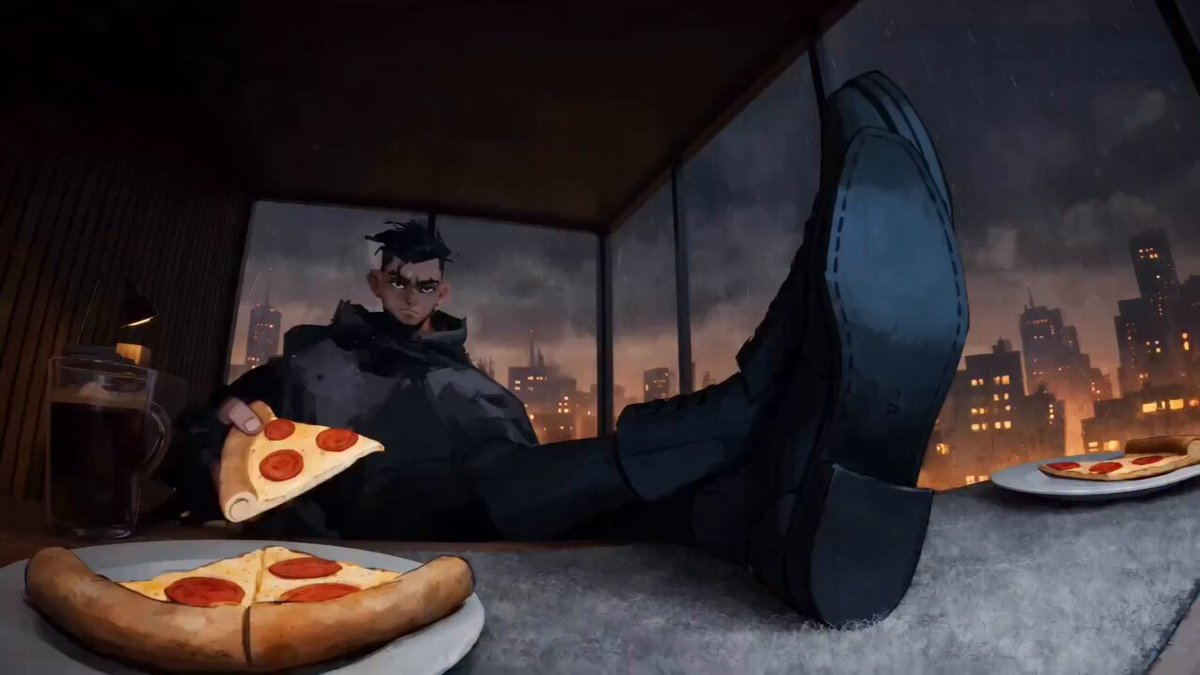
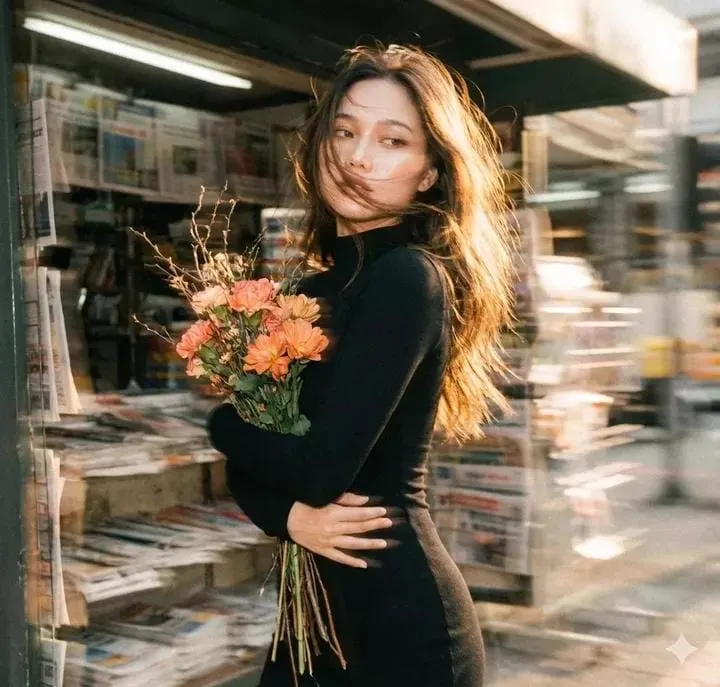
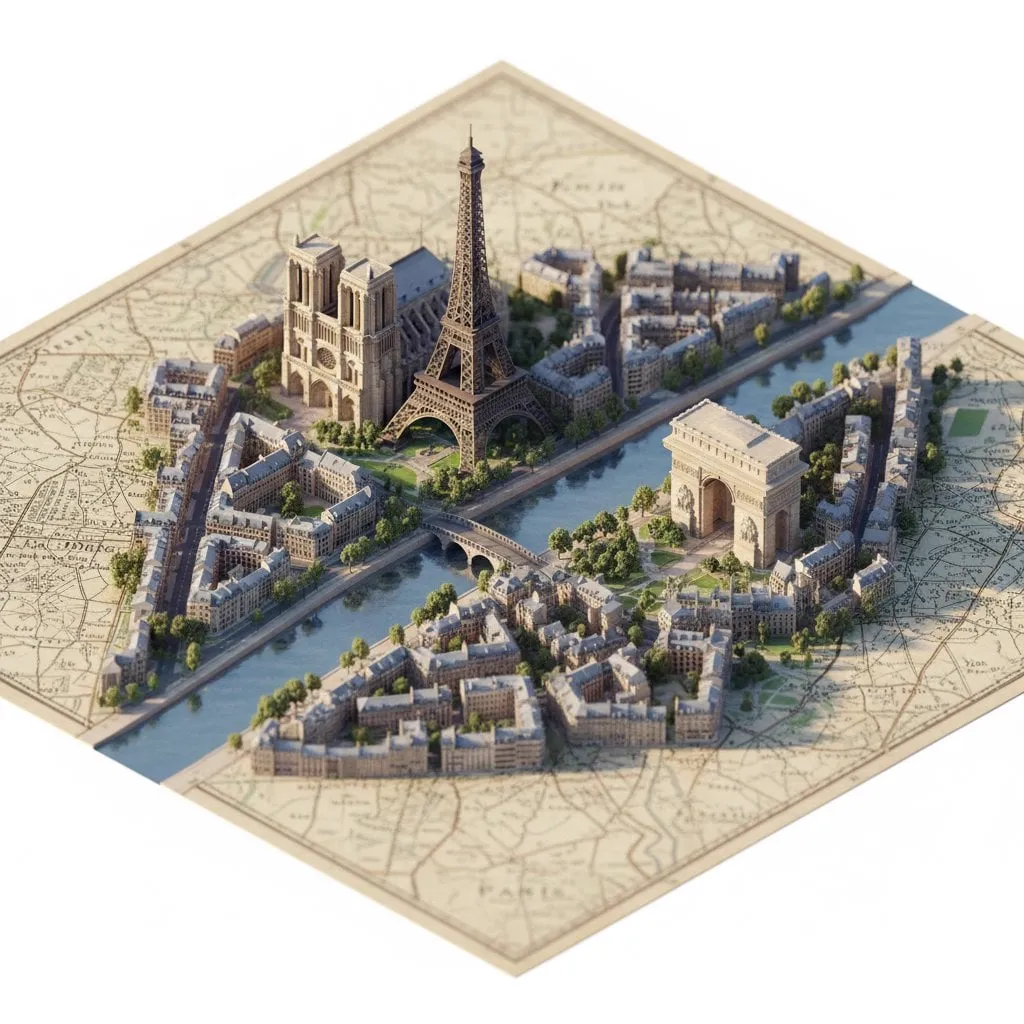
The line between AI-generated and real photography has all but disappeared in 2025. Photorealistic rendering and style transfer are no longer research lab experiments -- they are production-ready tools that any creator can use. This guide explores the techniques behind photorealistic AI and how to master visual processing.
What Is Photorealistic AI Rendering?
Photorealistic AI refers to image and video generation that is indistinguishable from real photography. Unlike stylized or cartoon-ish outputs, photorealistic rendering captures physically accurate lighting, material properties (the difference between matte wood, glossy metal, and translucent glass), depth of field with realistic focus falloff and bokeh effects, skin and texture detail down to pores, fabric weave, and hair strands, and natural imperfections like lens flares, chromatic aberration, and subtle noise.
The Technology Behind Photorealism
Modern AI image generators use diffusion models that start with random noise and gradually refine it into a coherent image. The latest generations understand physics-based lighting and material properties, not just visual patterns. For consistent photorealism across multiple images, modern systems use multi-reference processing: provide 2-3 reference images showing the desired style, lighting, and texture quality, the AI extracts the visual DNA (lighting ratios, color science, texture granularity), and new images are generated matching this DNA. This is how GPT Image 2 achieves stunning consistency.
Style transfer extracts the artistic qualities of one image and applies them to another: your city street photo combined with a moody Blade Runner reference frame produces your street but with cinematic lighting, color palette, and atmosphere.
Mastering Style Transfer: A Practical Workflow
Start with a clear, well-composed base image or a detailed text prompt. For AI Image Generator, write something like "A woman standing on a rooftop at sunset, overlooking a futuristic city. Cinematic composition, rule of thirds, looking away from camera." Then select your style reference considering color palette (warm vs cool, saturated vs muted), lighting style, texture feel, and mood. Apply the style transfer, identify what worked and what did not, adjust parameters, reapply, and iterate until satisfied. AI output is your raw material -- polish it with color grading, sharpening key areas, noise reduction, and composition tweaks.
Pixel-Level Processing Techniques
When upscaling from low to high resolution, traditional methods just interpolate pixels. AI upscaling actually reconstructs missing detail: a 480p image can become 4K with realistic skin texture, old digital photos become print-quality, and compressed JPEGs turn clean and artifact-free. AI can now separate subjects from backgrounds with surgical precision, remove and replace backgrounds, change lighting conditions, add or remove objects, and extend canvas beyond original frame through outpainting. Specialized models handle faces with exceptional detail including eye reflections, natural skin texture (not over-smoothed), hair strand separation, and realistic mouth interiors.
Tools for Photorealistic AI
AI Image Generator turns text into photorealistic images. GPT Image 2 delivers next-level photorealism with better lighting physics and material handling. For photorealistic video, AI Video Generator and Seedance 2.0 produce footage with natural motion and lifelike quality.
Common Mistakes
Too-perfect AI images feel uncanny -- real photos have tiny imperfections like slight noise, minor lens distortion, subtle asymmetry. Embrace imperfection. A perfectly rendered product on a blurry, low-res background breaks the illusion -- ensure all elements have consistent quality. After style transfer plus upscaling plus sharpening plus color grading, you can easily ruin an image. Know when to stop. And a 1024x1024 image stretched to billboard size will look terrible -- generate at the resolution you need or use AI upscaling intelligently.
The Future of Photorealism
By late 2025 and into 2026, expect real-time photorealistic rendering generating 4K images in under a second, full-length videos indistinguishable from filmed footage, 3D scene reconstruction from a single photo, and personalized photorealism where AI learns your personal aesthetic and applies it consistently.
Conclusion
Photorealistic AI is not just a tool -- it is a fundamental shift in how we create visual content. Whether you are a designer, marketer, or content creator, mastering these techniques gives you an unfair advantage. Start with Domer AI Image Generator, experiment with style transfer, and push the boundaries of what is visually possible.
