
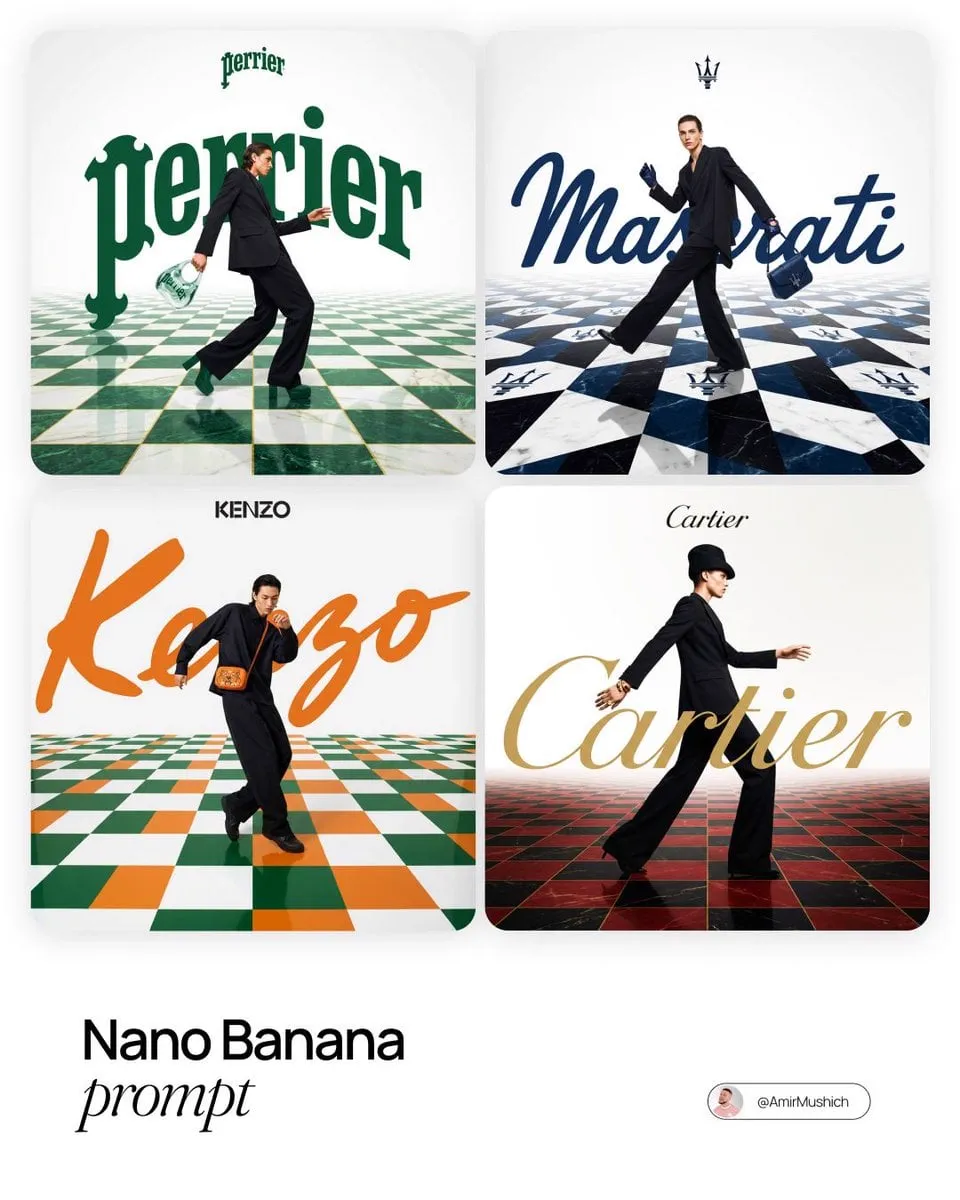
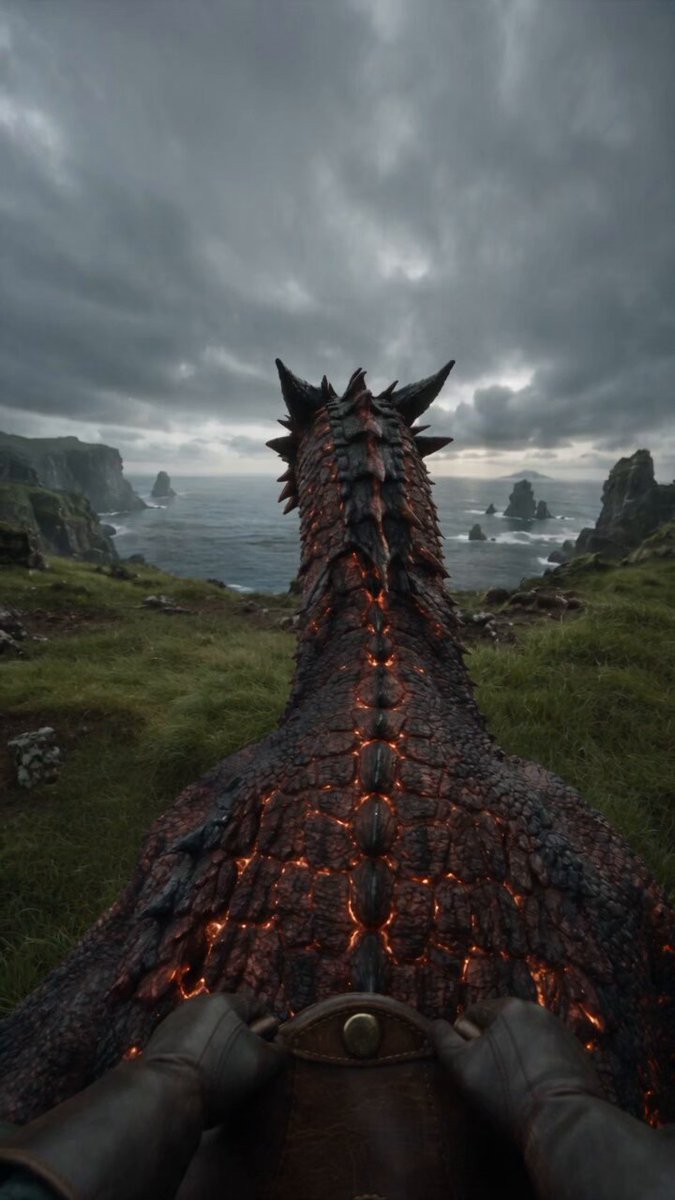
From static art to living motion
Static visual concepts — whether detailed skin art or complex painted compositions — are being transformed into dynamic experiences through image-to-video technology. This opens vast commercial avenues in digital marketing, virtual try-ons, and immersive storytelling. Content incorporating dynamic elements sees significantly higher engagement compared to static posts, making this capability a critical differentiator for brands and artists.
Why texture and material fidelity matter
Transforming a photorealistic tattoo design or a fine digital painting into video requires models that deeply understand 3D geometry, material properties, and lighting physics. The performance differential between current state-of-the-art models dictates the final artistic quality and commercial viability of the resulting asset.
Key capabilities to look for:
- superior prompt adherence that respects the input image's inherent detail;
- multi-reference input so the generated movement stays true to the original masterpiece;
- style consistency so the texture of digital ink or paint does not degrade or flicker during motion.
Using advanced models for texture and material animation
High-end image pipelines excel at interpreting the subtle nuances of line work, shading, and perceived skin interaction, translating them into fluid motion sequences. When animating canvas art, the right model can simulate the effect of light moving across impasto textures or generate dynamic camera pans around a still life with astonishing realism.
Start with the AI video generator and AI image generator to build your image-to-video pipeline.
Narrative depth for story-driven art
While realism is paramount, successful transformation often requires narrative suggestion. Advanced models can generate subtle, logical background movement or environmental context appropriate for a scene — elevating a static image from a mere display to a moment in time. This is particularly powerful for conceptualizing story-driven tattoos.
Consistency across scenes with multi-image fusion
One of the most persistent challenges in generative video is frame-to-frame inconsistency — often called flicker — where details subtly change between frames. Multi-image fusion addresses this directly. By utilizing several source images (different angles of the tattoo design or multiple references for the canvas style), the system establishes robust keyframes that anchor the generation process.
This level of control is non-negotiable for commercial applications where brand or artistic identity must be locked down, moving image-to-video from experimental to production-ready.
Bringing tattoos to life for visualization and marketing
Photorealistic tattoos often require significant time investment, and clients need confidence in the final result. Image-to-video solves this by animating the concept art onto a reference model or neutral surface — simulating how the tattoo moves with the body, the subtle stretch, the ripple of muscle underneath the ink. Artists can showcase animated concept videos that demonstrate flow and texture in 3D space, significantly enhancing client trust and conversion.
Practical workflow
- Prepare a high-resolution source image with balanced lighting and clear subject detail.
- Add reference images from multiple angles to anchor identity.
- Choose the model based on whether you need realism, narrative, or speed.
- Generate short clips first, then refine motion parameters.
- Export the best frames and upscale for final delivery.
FAQ
Can I animate a single piece across multiple body parts?
Yes. With consistent keyframes, a tattoo design can be animated across different poses without losing photorealistic integrity — vital for marketing portfolios.
What if my source image has complex textures?
Use models with strong texture preservation and multi-reference support. The Seedance model is a good option for smooth transitions.
Is this suitable for e-commerce?
Absolutely. Animated product visualization reduces decision friction and increases engagement. Explore image-to-image tools for refinement.
