
Blending, Style Transfer, and Consistent Characters: The Magic of Pixel Fusion
The hardest problem in AI video was never generating a beautiful frame. It was keeping that beauty stable. Characters changed appearance between scenes. Styles drifted from shot to shot. Transitions felt artificial because the pixels disagreed with each other. Pixel fusion is the family of techniques that solves this problem, and it is quietly the most important development in AI-driven video production.
This article explains what pixel fusion actually is, how multi-image fusion creates consistent characters, how style transfer and blending work, and how you can apply these techniques to real projects today.
The Consistency Problem That Defined AI Video
In the early days of AI video, the same prompt produced a different character every time. A creator would generate a hero shot of a protagonist, move to the next scene, and find a stranger wearing the protagonist's clothes. This inconsistency was not a cosmetic flaw; it made multi-shot storytelling impossible. Any narrative longer than a single clip collapsed into a slideshow of unrelated people.
The problem was architectural. Video models generated each clip independently, and nothing anchored the identity of a character or the look of a place across clips. Verbal descriptions were too weak. A sentence like "a woman with brown hair in a blue jacket" gives a model enormous freedom, and freedom means drift.
The solution came from a different direction: instead of asking the model to remember, creators started feeding it references. The pixel-level data of reference images became the anchor, and pixel fusion became the mechanism.
Multi-Image Fusion: Building a Character Template
Multi-image fusion is the backbone of consistent character creation. The system takes multiple high-quality reference images of the same character, shot from different angles, with different expressions and lighting, and analyzes the pixel-level data to build a unified character template.
Why multiple images instead of one? A single reference locks a specific pose, angle, and lighting condition. It tells the model how the character looked in that one moment, but not what the character's nose looks like from the side, or how the hair behaves in motion. Multiple references triangulate identity: the stable features, the ones that stay the same across every image, become the character. The variable features, the lighting and pose, become parameters the model can adjust.
The result is a template that survives scene changes. The character can walk into a new environment, adopt a new expression, or move through a fast action sequence without morphing into someone else.
How to Build a Good Reference Set
The quality of the fusion depends on the references you provide:
- Include at least three to five angles: front, three-quarter, side, and ideally a back view.
- Vary expressions: neutral, happy, tense, surprised.
- Vary lighting: soft, hard, warm, cool.
- Keep clothing consistent within the character sheet, or document the variants separately.
- Keep resolution high; pixel fusion works on detail, and blurry references produce unstable templates.
Spend the time on the reference set once. Every shot in every video with that character pays the dividend.
Style Transfer: Applying a Look to Any Content
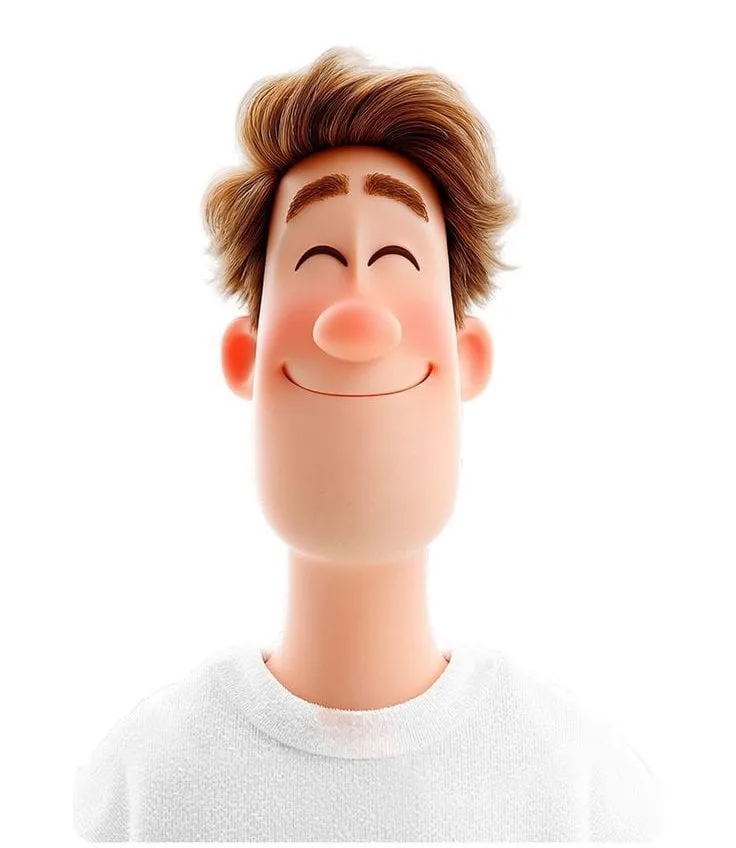
Style transfer is the technique of applying the stylistic characteristics of one image to another. The classic examples: a portrait rendered in the style of a Van Gogh painting, a scene recolored as cyberpunk art, or a character drawn in a classic anime aesthetic.
In the context of pixel fusion, style transfer operates on more than a character's face. It transfers the entire atmosphere of a scene: color grading, texture, lighting logic, and rendering style. This is what makes a brand campaign look unified across dozens of shots, or what lets a creator produce an entire video in a signature artistic style.
Practical Style Transfer Workflows
- Reference style images: collect a small library of style references that represent the look you want, and feed them alongside the scene prompt.
- Consistent style tokens: define a fixed phrase for the style in every prompt, so the model treats it as a stable property rather than a guess.
- Style transfer in the fusion step: apply the style to the character template itself, so the character and the environment inherit the same look.
- Grade in post: when the model cannot fully commit to a style, generate neutral footage and apply the style grade in the editor, where you have complete control.
The most robust approach combines all four: a style reference at the prompt stage, a consistent style token, and a final grade in post.
Blending: Smooth Transitions Between Scenes and Styles
Blending is the art of creating smooth transitions between scenes, styles, or character states. When a character moves from one scene to another, blending ensures the change does not look artificial to the viewer.
There are several levels of blending:
- Scene blending: the transition between two locations, handled by matching lighting and color between adjacent shots.
- Character state blending: a character's costume or expression changing within a scene, done by anchoring both states to the same template.
- Style blending: mixing two styles, such as a photoreal character entering a stylized world, with a controlled gradient of visual language.
- Frame blending: interpolating between keyframes so that motion is continuous rather than jumpy.
In production, blending reduces the number of visible cuts. A viewer perceives a sequence as one continuous event, even though it was generated as several separate clips. That continuity is what separates a film from a collection of clips.
The Role of an AI Director in Fusion Workflows
An AI director agent supervises the fusion process. It does not replace the techniques; it coordinates them at scale. For a multi-scene production, the agent:
- Maintains the character templates and style references.
- Ensures every shot prompt references the correct template.
- Routes each scene to the model whose fusion capabilities match the requirements.
- Flags likely inconsistency before you waste a render.
The practical value is in consistency of process. Fusion techniques work when they are applied every time, and humans forget. An agent does not.
The Model Library: Choosing Tools by Fusion Capability
Not all models fuse equally. Some are built for character consistency, some for physical realism, some for stylized output. The model choice changes what the fusion techniques can achieve:
- Character-first models: best for narrative work where the same actor must appear throughout.
- Photorealism-focused models: best for product and commercial work where object fidelity matters more than stylization.
- Stylized models: best for animation, anime, and branded art directions.
- Physics-strong models: best for action sequences and object interaction, where motion quality dominates.
- Fast models: best for testing fusion setups cheaply before committing to premium renders.
The winning strategy is a library approach: test the fusion setup on a fast model, then commit the final scenes to the model with the strongest relevant capability.
Optimization of Workflows for Production
Fusion techniques add a setup cost. Managing references, style images, and blending rules takes discipline. Production optimization is about amortizing that cost:
- Build permanent character sheets for recurring characters and spokespeople.
- Maintain a style library per brand or series.
- Write fusion rules into the style guide so every team member follows the same process.
- Batch render: generate all shots of a character in one session to keep context and parameters consistent.
- Review sequence, not clips: judge each shot in the context of the ones around it.
The teams that master this produce branded content, series, and campaigns with a consistency that would be expensive to achieve with traditional production.
Real-World Applications: Branded Content and Character Continuity
The most valuable application of pixel fusion is branded content. Brands need their product, logo, colors, and sometimes their mascot or spokesperson to appear identically across every asset. A campaign of thirty videos requires the product to look the same in all thirty, or the campaign fails.
Pixel fusion delivers this: product reference images build a template, style references lock the look, and blending keeps the transitions smooth. The result is a campaign that feels produced by a single art director, even when it was generated by an AI pipeline.
Character continuity powers a second major use case: series and episodic content. A creator building a recurring character across many videos now has a reliable way to keep that character recognizable. The character becomes an asset, like a logo, that compounds in value with every appearance.
Fusion Across a Scene: Consistency Within One Sequence
Character consistency across separate videos is one problem; consistency within a single scene is another, and it is often harder. In one continuous sequence, the character may turn, walk, change expression, and interact with objects. Every frame has to agree with every other frame.
The fusion techniques handle this when you respect a few rules:
- Keep the reference set visible to the model for the entire sequence, not just the first shot.
- Describe the character identically in every prompt in the sequence; do not add new descriptive words halfway through.
- Lock the environment with a location anchor so the background does not drift while the character moves.
- Review frames from the middle of the sequence, not just the endpoints. Mid-sequence drift is the most common fusion failure.
A useful test: take three frames from different points in a generated clip and compare them side by side. If the character reads as the same person in all three, the fusion is working. If not, strengthen the references before regenerating.
Pitfalls That Break Fusion Setups
Too Few References
One reference image locks a single angle and lighting condition. The model will invent the rest, and the invention will drift. Three to five varied references are the practical minimum.
Conflicting Prompt Descriptions
If the prompt says "brown hair" but the reference shows black hair, the model has to choose, and the choice will be inconsistent. Align prompts with references and remove conflicting adjectives.
Low-Resolution References
Fusion works on detail. Blurry or compressed references produce unstable templates. Use the highest-quality source images you have.
Changing Style Tokens Mid-Project
A style token is a fixed phrase for the look. If you change the phrase between shots, you change the look. Write the token once and paste it everywhere.
Applying Fusion Where It Is Not Supported
Not every model handles multiple reference images well. Know the model's fusion capabilities before building a workflow around them. When in doubt, test with a short sequence first.
Fusion for Teams: Shared Asset Libraries
Fusion becomes a competitive advantage when the assets are shared. A brand or a content team can maintain a central library of character sheets, product sheets, and style references. Every producer uses the same assets, so every video inherits the same identity.
The library is simple to run:
- One folder per character or product, containing the approved reference set.
- One style guide per brand or series, containing the style token, palette, and lighting language.
- A naming convention so the right asset is obvious at a glance.
- An approval workflow so assets are only added after review.
Teams that run shared asset libraries produce on-brand content without redoing identity work in every project. The library is the brand, stored as pixels.
Frequently Asked Questions
What is the difference between blending and style transfer?
Style transfer applies a visual style to content; blending creates smooth transitions between content or styles. They are complementary: style transfer defines the look, blending manages the changes.
How many reference images do I need for a consistent character?
At least three to five, from different angles and in different lighting. More angles produce more stable templates.
Can I change a character's outfit without losing identity?
Yes, if the template is built from features that survive the change, such as facial structure and hair. Document outfit variants separately and keep the core template stable.
Why does my character still drift even with references?
Usually because the reference set is too small, the resolution is too low, or the prompt overrides the reference with conflicting description. Keep prompts aligned with the reference and verify the first frame before rendering.
Is pixel fusion worth the setup cost for one-off videos?
For a single clip, probably not. For any project with more than one shot featuring the same character or style, the setup cost pays for itself quickly.
Do I need to understand the technical details to use fusion well?
No. You need to follow the discipline: good references, aligned prompts, consistent style tokens, and mid-sequence review. The technical details are handled by the tools.
The Bottom Line
Pixel fusion is the technical foundation of modern AI storytelling. Multi-image fusion gives characters identity, style transfer gives productions a look, and blending gives sequences continuity. These techniques turn a generator into a production system, and they reward the creators who invest in references, style libraries, and disciplined workflows.
The magic is not in a single frame. It is in the fact that the hundredth frame still looks like the first.
