
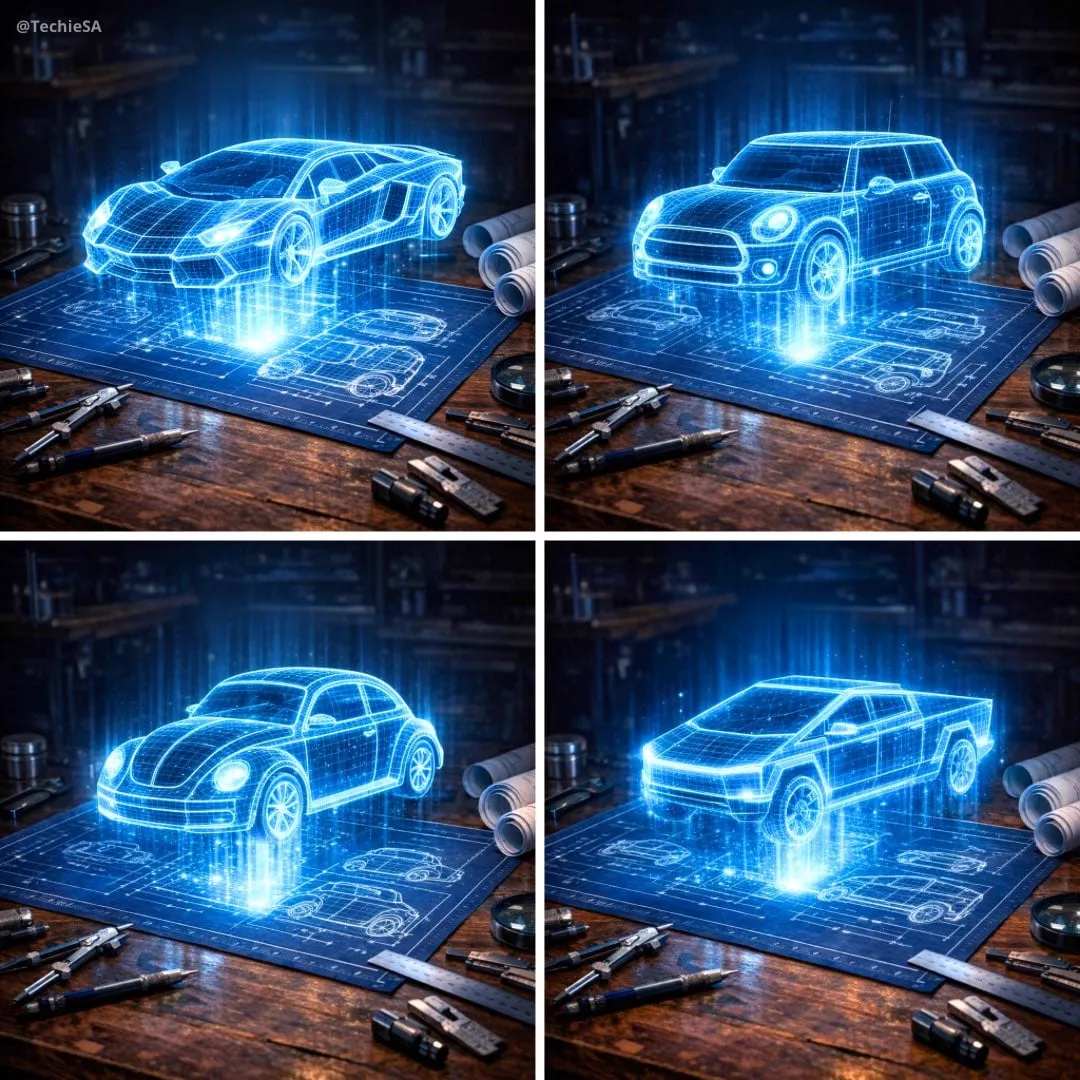
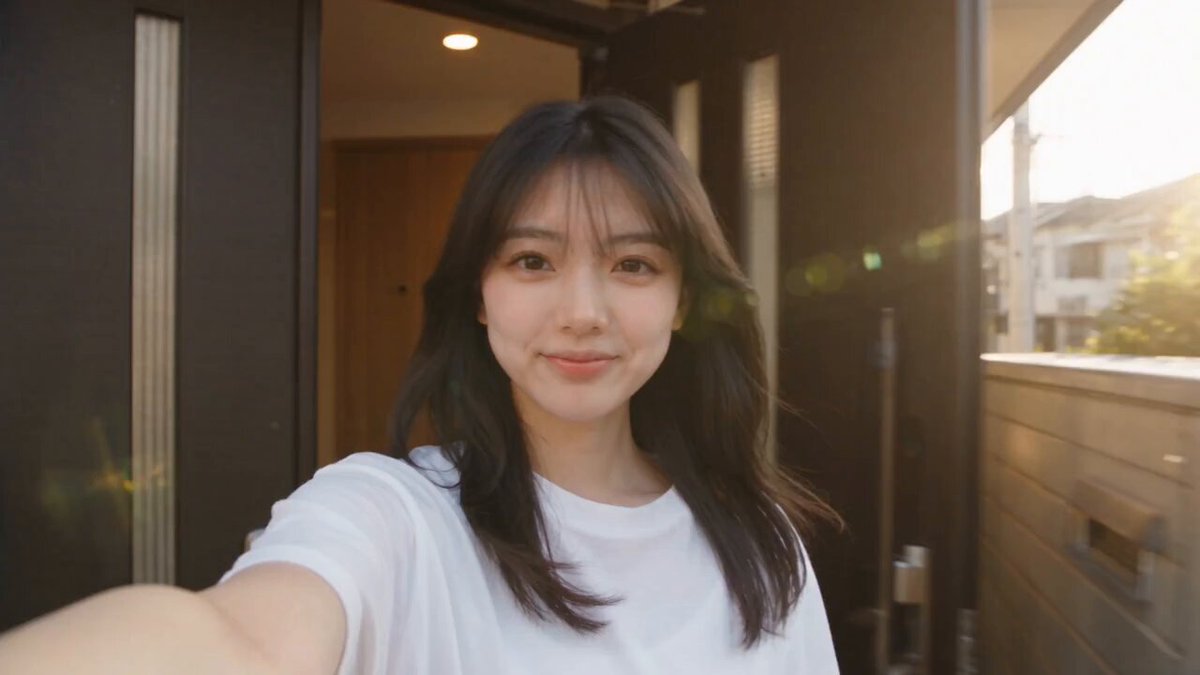

The power of distinctive visuals
In the hyper-competitive digital art space, differentiation hinges on unique visual signatures. Two techniques stand out for creators looking to stand apart: pixel fusion and neural style transfer. Pixel fusion offers a highly recognizable, structured, block-based aesthetic, while style transfer provides the flexibility to apply that signature to any source material, from photorealistic clips to abstract animations.
This article explains how these techniques work, why they matter for video content, and how to apply them without sacrificing quality or consistency.
What is pixel fusion?
Pixel fusion is a specialized form of digital image processing that deliberately mimics the aesthetic of building blocks: blocky edges, visible structure, and specific color palettes, while striving to maintain the underlying geometry of the source image or video frame. It goes beyond simple low-resolution downsampling by enforcing a quantized, orthogonal structure onto the pixel data.
This process is crucial for stylized content that requires an instantly recognizable, geometric texture. It is highly valued in niches like digital product reviews, structured narrative shorts, and brand content that wants a distinctive, playful identity.
How pixel fusion differs from standard pixelation
It is vital to distinguish pixel fusion from simpler techniques like standard pixelation or aggressive downscaling, which often result in blurry, artifact-laden images. Pixelation is inherently destructive, discarding information. In contrast, pixel fusion is constructive: it discards continuous data only to reconstruct the visual information using a defined, stylized vocabulary of blocks and colors.
The key differentiator lies in the sparsity and uniformity of the resulting blocks. A successful fusion retains recognizable subjects while imposing the blocky texture uniformly. This procedural generation requires sophisticated constraint satisfaction algorithms embedded within the processing pipeline.
What is neural style transfer?
Neural style transfer (NST) remains one of the foundational techniques in deep learning for visual artistry. It allows the content of one image or video frame to be rendered in the style of another. In practice, NST is the engine that allows the structure of pixel fusion to be imposed, or more typically, allows the inherent texture and color palette derived from a stylized reference image to influence general video generation outputs.
The effectiveness of NST hinges on separating and recombining two representations:
- Content representation: extracted from deeper layers of a neural network, preserving the main structural elements — objects, layout, and major contours.
- Style representation: captured via statistical correlations of feature maps from earlier layers, encoding texture, brush strokes, and color harmonies.
By minimizing content loss and style loss together, the algorithm produces an image that keeps the recognizable shape of the source while adopting the texture and mood of the style reference.
Managing temporal coherence in video
When pixel fusion is applied to video, the main hurdle becomes temporal coherence. If each frame is processed independently, the resulting blocks will jitter and flicker wildly between frames, destroying the illusion. Advanced systems must incorporate motion vectors and inter-frame prediction to ensure that the structural components shift smoothly, mirroring the original motion while maintaining their block-based appearance.
Successful temporal handling transforms a novelty effect into a professional visual asset. Key techniques include:
- Using contextual reference frames to anchor style across short clips.
- Applying temporal filtering after the initial structural mapping to smooth out high-frequency noise.
- Maintaining consistent block size and angle across the timeline.
Applying these techniques to your work
1. Choose the right style for your content
Consider your audience and message. Block-based aesthetics work well for playful, bold, or nostalgic content. Subtle style transfer suits premium, artistic, or atmospheric projects. Match the technique to the emotion you want to convey.
2. Prepare quality references
Both techniques depend on reference quality. For style transfer, choose a style image with the texture and color palette you want. For pixel fusion, define the grid structure and color quantization that matches your brand.
3. Maintain consistency across frames
For video projects, use keyframe control and reference anchoring to keep the effect stable throughout the sequence. Inconsistency between frames is the fastest way to break immersion.
4. Test before committing
Apply the effect to a short test clip before rendering the full project. Compare the result against your intent and adjust the intensity parameters.
Practical tools
A generator video AI lets you produce the source footage, and an AI image generator helps you craft style references and keyframes. Together, they give you full control over the pipeline from concept to final render.
Common pitfalls
- Over-processing: too aggressive stylization destroys subject recognition. Aim for a balance between style and clarity.
- Ignoring temporal stability: effects that flicker between frames look amateurish.
- Mismatched references: a style image that clashes with your content produces jarring results.
- Using generic filters: recognizable styles require intentional setup, not default presets.
Conclusion
Pixel fusion and style transfer are powerful tools for creators who want distinctive, memorable visuals. The key is understanding the technical foundations — content and style separation, quantized structure, temporal coherence — and applying them with intention.
Start small: pick a single technique, prepare quality references, test on a short clip, and refine. As you gain experience, you will develop a signature aesthetic that sets your content apart in a crowded digital landscape.
Related resources
A video AI generator lets you produce source footage, and an AI image generator helps you craft style references and keyframes. Newer image models can also strengthen temporal consistency.
