
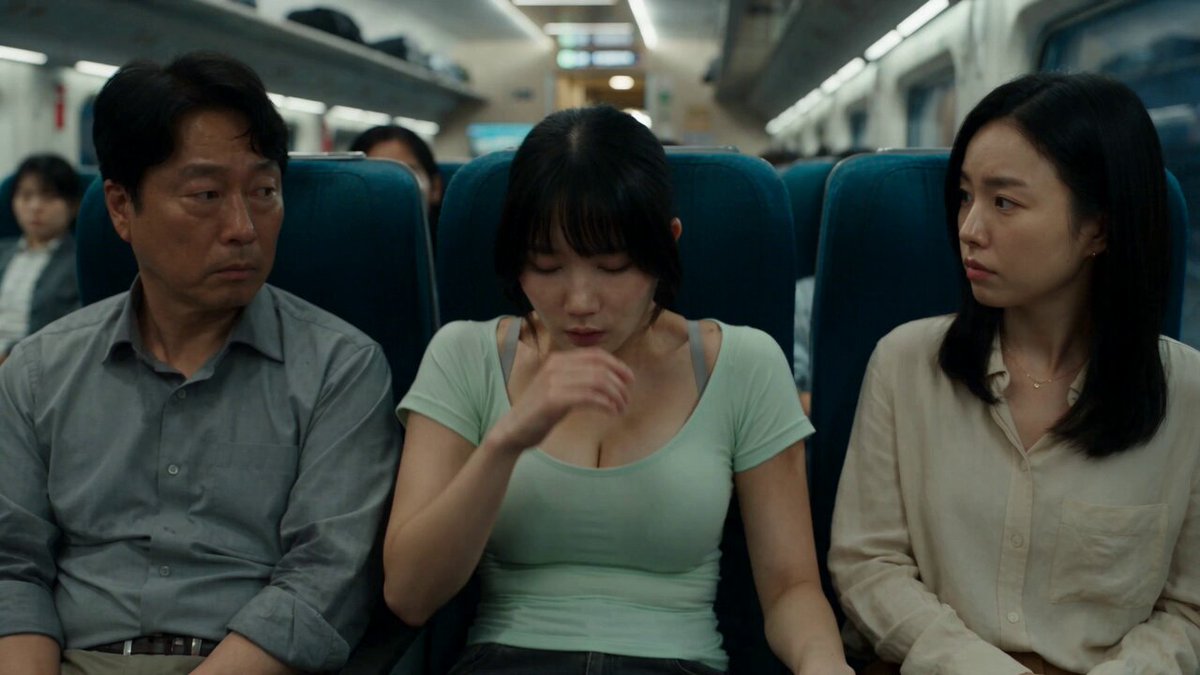
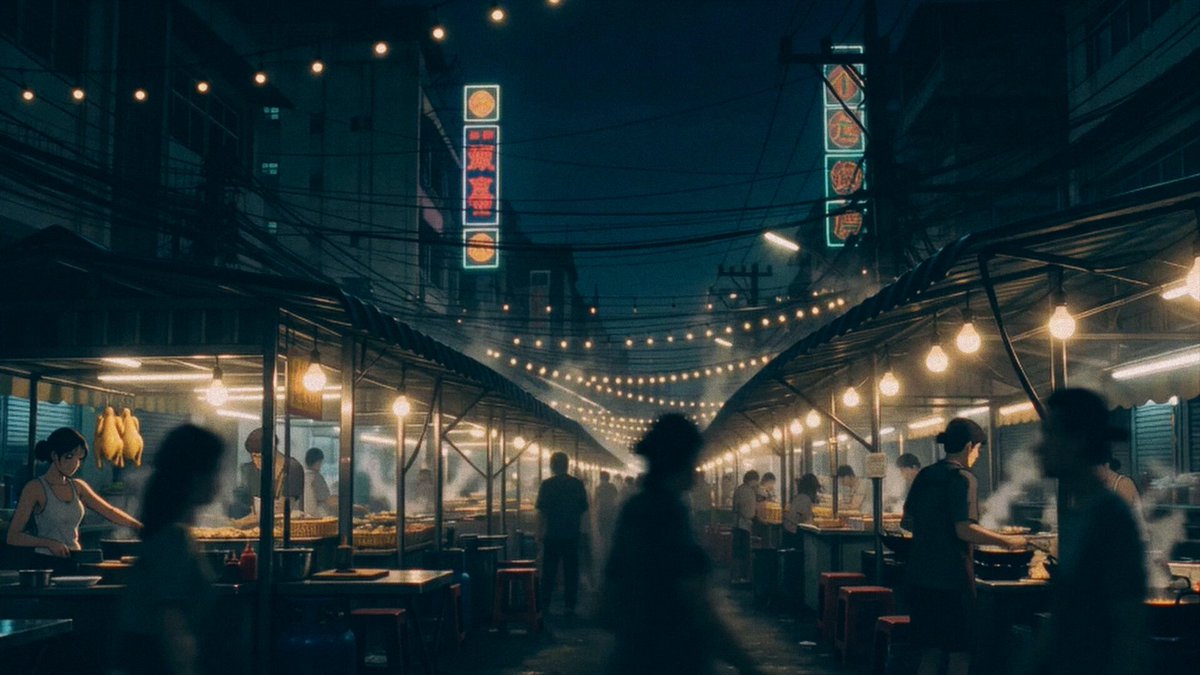
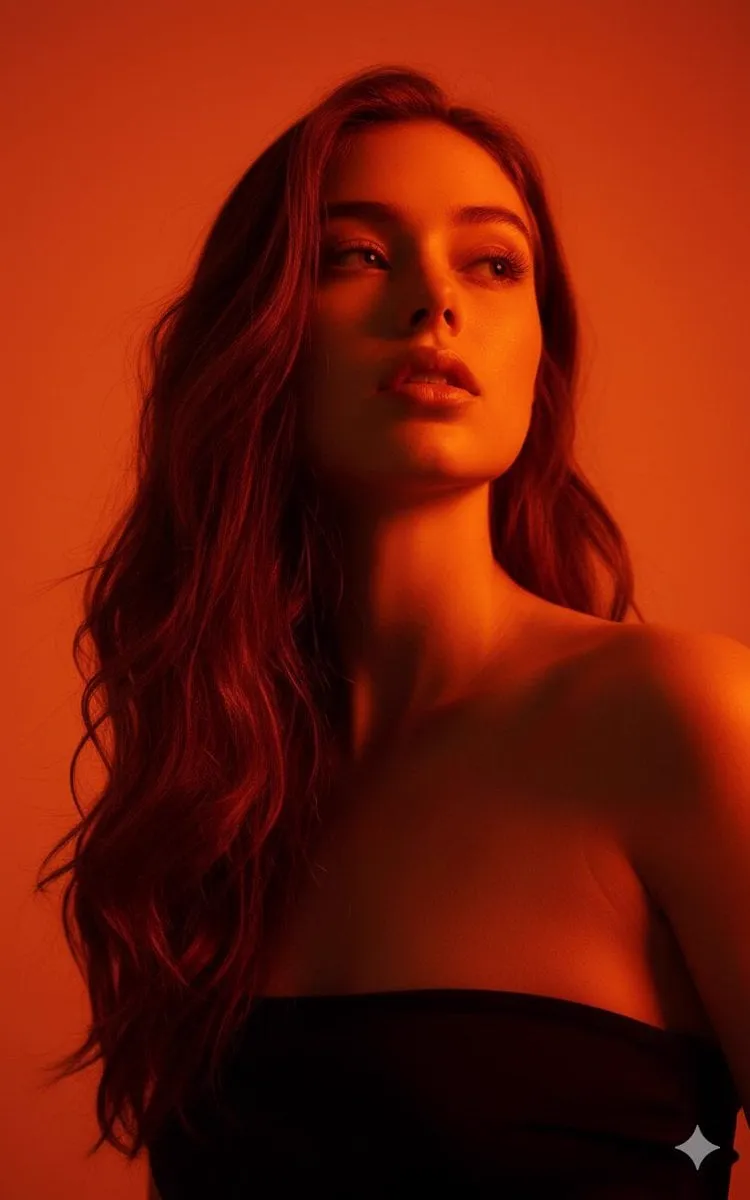
What Actually Separates These Two Engines
PixVerse 5.5 and Runway AI both turn text and still images into moving footage, but they were built with different assumptions about who is holding the mouse. PixVerse leans toward fast, stylized, social-first output: describe a beat, get motion back quickly, and accept that the physics do not need to survive forensic scrutiny. Runway leans toward editorial control: more parameters, more reference-driven workflows, and a stronger bias toward cinematic framing and continuity across a sequence.
The practical difference shows up on your third or fourth attempt. With PixVerse, you tend to get a usable shot fast and move on. With Runway, the first pass may feel less immediately satisfying, but the steering options let you correct a specific problem instead of rerolling and hoping. That gap, speed of first result versus precision of the tenth result, is the entire comparison in miniature.
Architecturally, both are diffusion-style generators that predict latent frames conditioned on your prompt and a temporal context window. Differences emerge in how each model conditions motion: how strongly it anchors to the first frame, how it predicts camera behavior, and how aggressively it smooths disagreement between frames. Those choices become the artifacts you actually notice, whether that is warping faces, melting hands, background flicker, or the opposite problem, a shot so smoothed it resembles a slow-motion screensaver.
Understanding this helps you predict failures before you waste an afternoon. If a specific face must hold together through a pan, or a product label must stay readable for four full seconds, you are asking for temporal consistency rather than visual spectacle. Pick the engine whose design prioritizes the thing your shot cannot live without.
Image Quality: Realism, Resolution, and Detail Retention
Textures, materials, and skin
PixVerse 5.5 produces confident, high-contrast frames with a faint stylistic sheen. Fabric folds, foliage, and rough concrete read well because the model favors bold structure over micro-texture. Skin is usually convincing at medium distance, though pores and fine hair can clump when a subject fills more than half the frame. Runway tends to render flatter, more neutral base images, which feels underwhelming on the first look but survives color grading and compositing far better. If your shot ends up under a strong look, neutral input gives you headroom.
Lighting and color behavior
Runway handles motivated lighting more predictably: window light stays directional, practical lamps keep their falloff, and shadows do not wander between frames. PixVerse will occasionally invent a rim light to make a composition pop, which is flattering in short social clips and frustrating in a sequence where the light source must stay consistent.
Resolution and upscaling reality
Do not confuse output resolution with perceived sharpness. A 1080p render from either engine can look softer than an upscaled 720p pass from the other, because sharpness is really about edge coherence over time. A frame that is crisp but vibrates is worse than a slightly soft frame that holds still. Test both at your final delivery size and watch three seconds of playback at full speed. The winner is the one whose edges stay put.
Detail that must survive
Logos, text, and jewelry are the classic failure cases. Both engines will smear small lettering. Plan to composite product labels and titles in post rather than generating them, and treat any readable text that appears in a generated frame as a bonus rather than a plan.
Motion Handling and Temporal Coherence
Smoothness versus actual movement
PixVerse is eager. Give it a prompt about running, spinning, or splashing and it delivers visible energy immediately, which is why short vertical clips look alive. The tradeoff is that fast gestures can blur into impressionistic streaks. Runway is more conservative: it favors believable weight and slower, more deliberate camera movement. For dialogue, product reveals, and slow pushes, that restraint reads as premium.
Physics and weight
Watch how each engine treats contact. Objects being set down, hands grabbing handles, feet landing on the ground. PixVerse sometimes lets objects float a few frames before settling. Runway tends to keep contact plausible but may slow the action to protect it. Neither is a simulation engine, so if a physical interaction is the point of the shot, budget for multiple attempts and expect to cut around the weakest frames.
Camera language
This is where Runway still feels more like a camera and less like a generator. Dolly moves, parallax, and rack focus behave in ways a director would recognize, and you can describe lens intent in the prompt with reasonable results. PixVerse responds well to energetic camera cues such as whip pans and push-ins but can over-rotate, turning a subtle pan into a swoop. Keep camera instructions short and singular: one movement per shot.
The flicker test
Render a static scene with a person walking through it, then scrub frame by frame. Flicker in the background, shimmer on hard edges, and pulsing exposure are the three telltale signs of a weak temporal pass. This five-minute test tells you more about which engine fits a long project than any spec sheet.
Character and Scene Consistency Across Shots
Consistency is the hardest problem in AI video, and it is where most projects quietly fall apart. A single beautiful shot is easy; twelve shots of the same person in the same jacket across three locations is a production system.
Reference conditioning
Runway's reference tooling is the more developed of the two. You can feed a character image, a style frame, or a previous clip and get a recognizable through-line in costume, palette, and facial structure. PixVerse supports image-driven generation as well and does well when the reference is a clean, front-facing portrait with even lighting. It struggles more when the reference is a three-quarter angle with strong shadow, because it has less information to extrapolate from.
Drift over a sequence
Even with references, expect drift. The reliable fix is not a better prompt but a better pipeline: lock one master look frame per scene, generate every shot from that same anchor, and keep the model, aspect ratio, and seed strategy identical across the scene. Changing aspect ratio mid-sequence is the fastest way to break continuity, because it changes how the model composes the frame.
Wardrobe, props, and signage
Small details define a series more than faces do. A red scarf, a specific backpack, a mug with a chip in the rim. Write these into your prompt as a fixed block of text you reuse verbatim for every shot in the scene rather than paraphrasing each time. Paraphrasing is the most common cause of a character showing up in a different jacket in shot nine.
When to stop fighting the model
If you have spent five attempts on a consistency problem, switch strategy. Composite the actor into a clean plate, shoot a practical insert, or restructure the scene so the inconsistency is off-screen. Directors solve continuity with coverage, not with stubbornness.
Creative Control: Prompts, References, and Parameters
Prompt adherence versus interpretation
PixVerse interprets. It reads your prompt as a mood board and returns something in the spirit of the request, which is delightful for exploration and unreliable for precise briefs. Runway adheres more literally, and when it does not, it usually fails in an obvious way you can correct with a clearer instruction.
The parameter surface
The greater the number of controls, the more you can fix and the more you can break. Runway exposes more levers around motion intensity, duration, and reference strength, which rewards operators who keep notes. PixVerse exposes fewer, which shortens onboarding and flattens the ceiling.
A prompt pattern that works in both
Use a three-part structure for every shot: subject and wardrobe first, then action, then camera and light. Keep each part to one clause. For example: a woman in a mustard wool coat, walking toward a glass door, slow dolly in, overcast daylight from the left. Then repeat the same structure for the next shot with only the action and camera changed. Consistency comes from the parts you leave untouched.
Negative instructions
Both engines respond better to positive description than to prohibition. Instead of asking for no crowds, describe an empty street. Instead of asking for no camera shake, describe a locked-off tripod shot. Tell the model what is there, not what is missing.
Workflow Integration and Scaling a Series
Plan shots before generating
Generate only after you have a shot list. A simple table with columns for shot number, duration, subject, action, camera, and lighting intention will save more time than any prompt trick. The moment you start generating without a list, you begin collecting clips that do not cut together.
Name and version everything
Use a naming convention that encodes scene, shot, attempt, and model, for example scene03_shot02_v4_pixverse. Six weeks later, when a client asks for a change to a specific beat, searchable filenames are the difference between a twenty-minute fix and a full regeneration.
Build a finishing chain
Generated frames rarely ship untouched. A typical chain is: generate, select the best take, stabilize if needed, upscale, grade, then composite text and product elements. Decide your chain before you generate, because the chain determines what you can tolerate in the raw output. If you plan to grade heavily, prefer neutral renders. If the clip goes straight to a feed with minimal treatment, prefer the engine that already looks finished.
Handoff between tools
The strongest workflows mix engines. Use the fast, expressive model for establishing shots and transitions where energy matters, and the controlled model for hero shots, dialogue, and anything with a face in close-up. Then cut them together and grade as one unit so the audience never perceives the seam. This is not a compromise; it is how professional teams already work across cameras.
Review loops
Schedule a review before you finish the sequence, not after. Watching a rough assembly reveals continuity breaks that are invisible when you review shot by shot. Ten minutes of reviewing an assembly saves hours of regeneration.
Choosing by Project Type: A Decision Framework
Stop asking which engine is better and start asking which shot you are making. The table below maps common deliverables to a sensible default.
| Project type | Primary need | Better default | Backup plan |
|---|---|---|---|
| Short vertical social clips | Speed, energy, style | PixVerse 5.5 | Runway for hero cuts |
| Brand films and product spots | Control, lighting fidelity | Runway | PixVerse for transitions |
| Talking-head or presenter content | Face consistency | Runway with reference images | PixVerse with locked portraits |
| Concept exploration and pitch reels | Volume of ideas | PixVerse | Runway for the final pick |
| Narrative sequences with continuity | Character and scene lock | Runway | Hybrid with compositing |
| Abstract, stylized, or surreal visuals | Interpretation and drama | PixVerse | Runway with heavy grading |
Signals you chose wrong
If you are on attempt seven of the same shot and the problem is structural rather than cosmetic, the tool is wrong for the job. If every clip you like requires an explanation to the client, the style is wrong for the job. If you cannot name the single element of the shot that matters most, you are not ready to choose a tool at all.
Building your own benchmark
Run a personal test set three times a year. Pick five representative shots from real briefs, generate each in both engines with identical prompts, and score them on face stability, motion plausibility, lighting consistency, and time to acceptable. Keep the results. Your benchmark will beat any review written by someone else, because it reflects your footage, your deliverables, and your tolerance for iteration.
Common Mistakes That Ruin AI Video Output
- Writing paragraphs instead of shot descriptions. Long prompts dilute attention across too many ideas. One shot, one sentence.
- Changing multiple variables at once. If you alter wardrobe, camera, and lighting between attempts, you learn nothing about which change helped.
- Ignoring the first frame. Many engines weight the opening frames heavily. A soft or awkward first frame contaminates the whole clip.
- Chasing resolution instead of stability. A stable 720p pass upscaled often beats a native 1080p pass that shimmers.
- Generating before locking the edit. Clips made for an imaginary structure rarely survive contact with a real timeline.
- Using one tool for everything. The best result usually comes from a deliberate split between an expressive engine and a controlled one.
- Skipping the audio plan. Motion that feels wrong often feels wrong because there is no sound yet. Cut in scratch audio early and you will catch rhythm problems before generating twenty more clips.
- Forgetting continuity of light direction. Swap light direction between shots in the same scene and the sequence will feel assembled from different films.
- Over-relying on a single take. Always generate at least two or three variations of any shot that carries narrative weight.
Working Within Time and Render Constraints
Every project has a budget of machine time and a budget of human attention, and the second one runs out first. Structure your sessions so that heavy generation happens after creative decisions are made, not while you are still deciding.
The resolution ladder
Draft at low resolution and short duration, judge composition and motion, then re-render only the winners at final quality. Most teams invert this and pay for a full-quality pass on shots that were never going to make the cut.
Batch discipline
Group similar shots and generate them in one sitting with the same prompt template and settings. Batching keeps style drift low and makes comparison easy, because the only variable is the action you changed.
Set a stop rule
Decide in advance how many attempts a shot gets. Two attempts for background coverage, five for a hero shot, and then you move to an alternate approach. Without a stop rule, a single difficult shot can consume an entire production day.
Track what you learn
Keep a running document of prompts that worked, settings that failed, and the specific failure mode each time. A page of honest notes is worth more than another hour of blind rerolling, and it turns each project into a faster one than the last.
FAQ
Is PixVerse 5.5 better than Runway AI?
Neither is better in absolute terms. PixVerse is stronger for fast, expressive, stylized clips and quick iteration. Runway is stronger for control, lighting fidelity, reference-driven consistency, and shots that need to survive grading.
Which engine handles faces more reliably?
Runway generally holds facial structure better across a sequence, especially when you supply a clean reference image and reuse the same prompt block for every shot in the scene. PixVerse can match it for single shots with even lighting and a clear portrait reference.
Can I use both in the same project?
Yes, and most experienced teams do. Use the expressive engine for establishing shots, transitions, and stylized inserts, and the controlled engine for hero shots and close-ups. Grade the final cut as one piece so the difference disappears.
How do I stop characters from changing clothes between shots?
Write wardrobe into a fixed prompt block and paste it verbatim into every shot of the scene. Do not paraphrase. Keep the same aspect ratio, the same reference image, and the same scene settings throughout.
Why does my clip look fine on my phone but wrong on a monitor?
Small screens hide shimmer, flicker, and edge instability. Always review at full size, at full speed, on the largest display you have. Frame-by-frame scrubbing catches the rest.
How many attempts should a shot get before I change approach?
Set a limit before you start. Two to three attempts for coverage, around five for a hero shot. If the problem is structural rather than cosmetic, switch tools or restructure the scene instead of continuing.
Do I still need editing skills with these tools?
More than ever. Generation produces raw material. Pacing, sound design, continuity, and grading are what turn a folder of clips into a piece of work an audience will finish watching.
Bringing It Together
Treat PixVerse 5.5 and Runway AI as two different departments rather than two competing products. One is a rapid visualizer that turns an idea into motion in minutes. The other is a controlled camera that rewards planning, references, and patience. The quality of your final video will depend far less on which logo appears in your browser tab than on whether you matched the tool to the shot, wrote a clear shot list, and built a repeatable chain from generation to finished cut. Benchmark both against your own briefs, keep notes, and let the footage decide.
