
How AI video synthesis evolved from 2022 to 2025
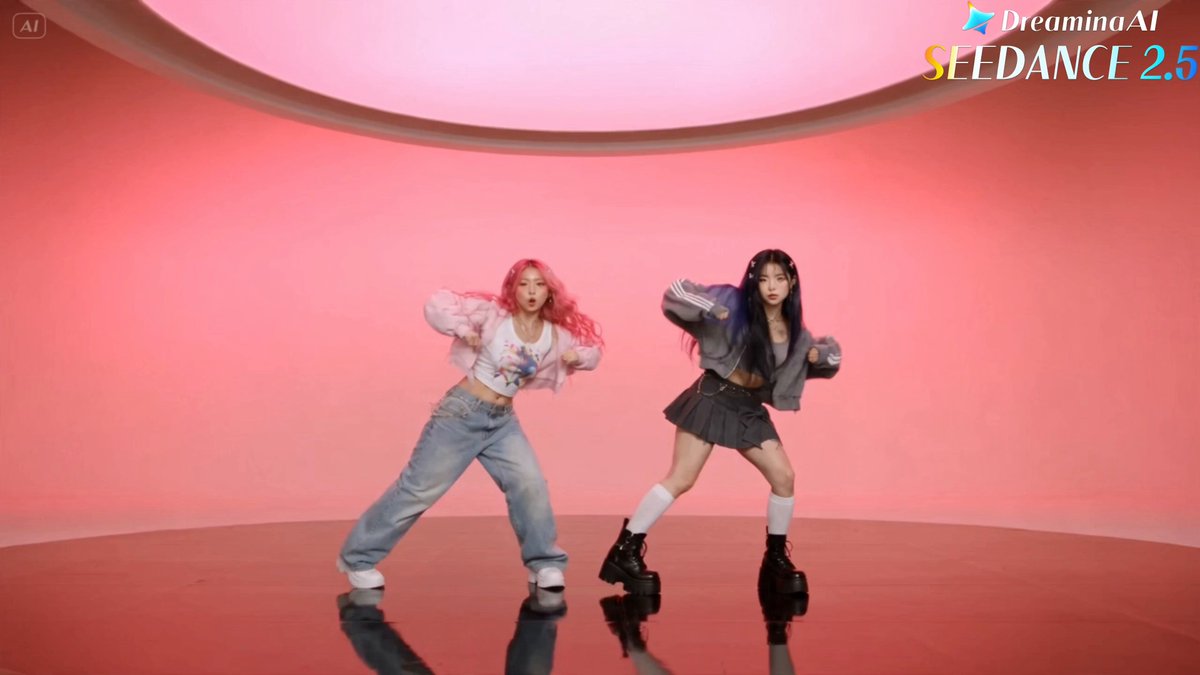
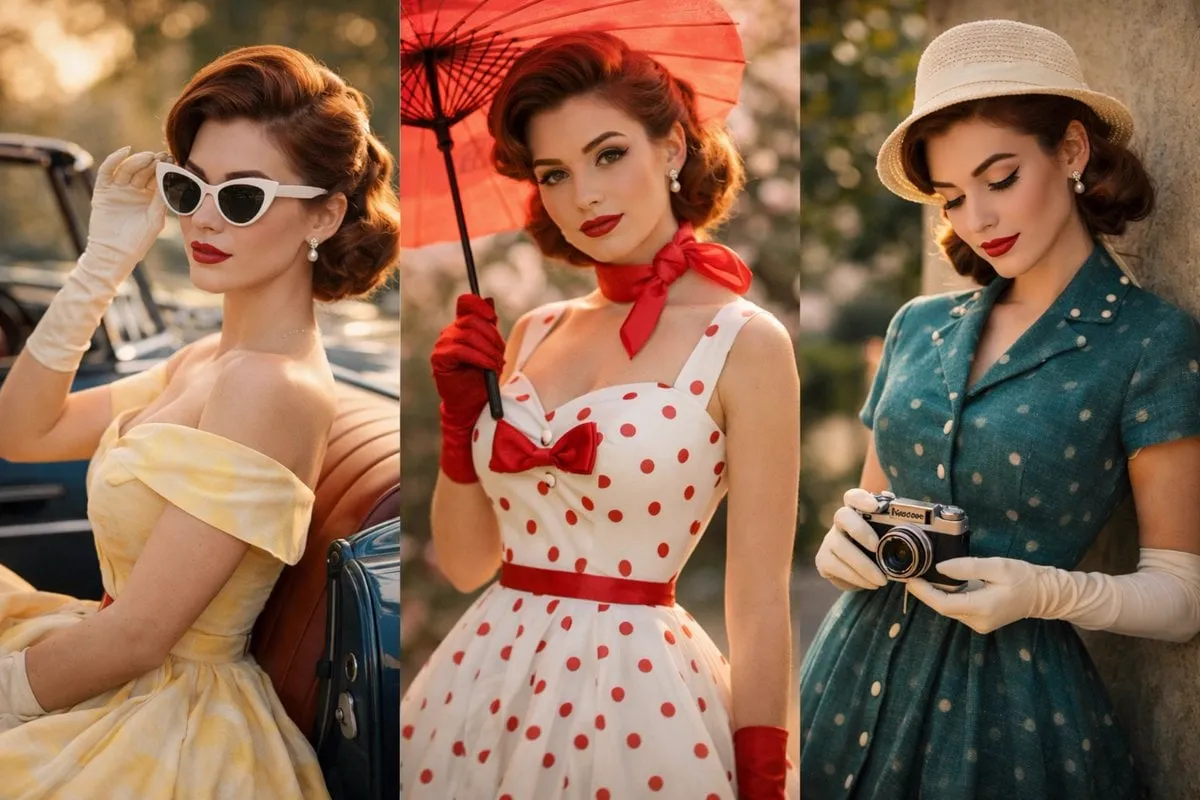
In 2022, text-to-video was a demo. Models produced a few seconds of unstable footage, often abstract and rarely coherent. By 2025, the same category of tools produces structured scenes with recognizable characters, controlled camera movement, and usable audio. The change did not happen in one leap. It happened through steady improvements in three areas: length and stability, control over the output, and consistency across shots.
This guide looks at the journey from the early experiments to the current generation of tools, with a focus on PixVerse and the models around it. The goal is practical: understand what each tool is good at, and build a strategy that fits your budget and your creative needs.
Where PixVerse fits in the landscape
PixVerse is one of the most versatile options in the current market. It supports text-to-video, image-to-video, and a range of effects, which makes it a good default for creators who need flexibility without managing multiple platforms.
The newer versions of the tool improved exactly the areas that matter for production. Lens control gives you more say over the cinematic feel of a shot. Motion responsiveness means the subject reacts more naturally to the direction you describe. Multi-image reference lets you feed several images at once, which is the practical foundation for character consistency: if the model can see the same face from different angles, it can keep that face stable across the video.
None of this makes PixVerse the only tool you need. But it is a strong example of where the category has gone: from novelty to a serious production instrument.
The wider model landscape
Choosing a video model is no longer about picking "the best AI". It is about picking the right engine for each job.
Sora (OpenAI) is the reference for narrative understanding and longer generations. It reads a scene description with uncommon comprehension and produces footage that follows the intent of the prompt. If your project depends on a story surviving across several shots, this is the model family to watch.
Runway (Gen-3 and Gen-4) is built for control. Video-to-video and image-to-video workflows are its home turf. Professionals use it when they need precise results: a specific motion, a specific style transfer, a shot that must match a live-action plate.
Flux is best known for photorealistic consistency. It maintains a uniform look across generations, which makes it valuable for product visuals and for scenes where the environment must stay believable.
MiniMax Hailuo plays the budget-friendly role. It produces good quality at a lower cost, which matters when you are generating many variants or running a high-volume channel. For throwaway test shots and for content where speed beats perfection, it is often the smart choice.
Kling AI and Vidu round out the field with strong motion quality and multimodal features. Vidu in particular integrates external references well, which helps when you bring your own character designs or style frames into the generation.
How to choose a model: a decision matrix
| Need | Suggested model family |
|---|---|
| Long narrative scene, story matters | Sora |
| Precise control over motion and style | Runway |
| Photorealistic, consistent environment | Flux |
| High volume on a budget | MiniMax Hailuo |
| Flexible all-rounder with effects | PixVerse |
| Custom references and multimodal input | Vidu |
The pattern is simple: the more the scene depends on a specific strength, the more you should match the model to it. For mixed projects, run a quick test in two candidates and compare the results on the actual shot you need.
Practical strategies for better results
Character consistency. Generate a reference sheet first: the same character from the front, the side, and in motion. Feed those images into the generation as multi-image references. Consistency is not a feature you switch on; it is a process you repeat on every shot.
Cinematic control. Describe the camera like a director would: "slow push-in", "handheld tracking shot", "low angle looking up". Models trained on film language respond to it. Add lens and light to the prompt and you will get footage that cuts together like a real scene.
Style matching across a series. Save your working prompt, your reference images, and the seed value of every successful generation. When you need a new episode or a new cut, start from the saved state instead of rebuilding from scratch.
Budget production at scale. Reserve expensive models for hero shots and use budget models for B-roll, test versions, and social variants. Most viewers will never notice which shots came from which engine, as long as the visual style matches.
Putting it together: a workflow
- Define the look: choose the style, the palette, and the reference images.
- Build the shot list: break the video into scenes, one prompt per scene.
- Match models to shots: expensive and precise models for hero shots, budget models for fill.
- Generate variants: produce several takes of each scene and pick the strongest.
- Check consistency: compare characters and environments across takes before editing.
- Edit and deliver: assemble, add audio, and export in the right aspect ratios.
Anatomy of a video prompt
Video prompts have more moving parts than image prompts. A reliable structure covers five layers:
- Subject: who or what is in the frame.
- Action: what happens, including the direction of motion.
- Environment: where the scene takes place, with enough detail for the model to build it.
- Camera: framing, angle, and movement.
- Style and light: the look, the palette, the light quality.
Example: "A young astronaut walking across a red desert, dust kicking up behind their boots, wide shot, camera slowly pushing in, golden hour light, photorealistic, cinematic color grade."
Each layer narrows the model's search space. The result is fewer unusable takes and a stronger match to your intent.
From idea to shot list
Before opening any tool, write the shot list. It is the cheapest planning you will ever do.
- Divide the video into beats: hook, setup, payoff, call to action.
- Assign one prompt per beat, not one prompt for the whole video.
- Decide the model per beat: hero shots get the premium engine, transition shots can use the budget one.
- Decide the motion per beat: what moves, and in which direction, from one shot to the next.
A shot list turns "make a video about X" into a concrete production document. It also makes batching possible: you can generate all the B-roll in one session and the hero shots in another.
Running a mixed-model pipeline
Most serious projects use more than one model. The discipline that makes it work is separation of concerns:
- Style layer: one model family that defines the overall look, used for the establishing shots and the hero scenes.
- Motion layer: a model known for natural movement, used for anything with people or animals.
- Economy layer: a fast, cheap model for variants, tests, and social cuts.
- Post layer: consistent grading and sound in the editor, so the different engines blend into one video.
Keep a small metadata note per shot: model, prompt, references, seed. When a shot looks off, the note tells you which layer to adjust.
Common failures and how to fix them
- Flicker between frames: usually a model or motion problem. Regenerate with a more stable model or reduce the speed of the described motion.
- Character drift across shots: your references are not strong enough. Add angles, lock the outfit, and reuse the same seed.
- Style drift: the palette and light changed between generations. Fix the style in the reference images and keep the light language identical.
- Mushy details: faces and hands lose definition in fast motion. Slow the motion in the prompt, or use a model with better anatomy handling.
- Dead background: the environment does not respond to the action. Add small reactions to the prompt: dust, ripples, light changes.
Most failures are diagnosable. The discipline of logging what you changed is what lets you fix them instead of starting over.
Example project: a 30-second product teaser
Let us walk through a realistic project end to end, so the strategy has a concrete shape.
The brief. A new pair of running shoes launches in a month. The team wants a 30-second teaser for social: product-focused, energetic, consistent with the brand's dark-and-neon look.
The shot list (six beats):
- Hook: extreme close-up of the shoe texture, slow push-in.
- The shoe on a dark surface, neon rim light.
- A runner's legs in motion, low angle, fast cut.
- The shoe rotating in a studio setting.
- Action close-up: sole flexing on impact.
- End frame: logo lockup.
Model choices. Beats 3 and 5 involve human motion: use the motion-focused engine. Beats 1, 2, 4, and 6 are product and environment shots: use the photorealistic engine with a consistent style reference. Tests and social variants use the budget engine.
References. One style frame defining the dark-and-neon look, two product photos from different angles, one runner reference for the legs.
Iteration. Generate three takes per beat. Keep the best take per beat, then check that the shoe looks identical across all six. If the shoe drifts, regenerate the weak beats with a stronger product reference.
Delivery. Assemble with a fast edit on the beat, add a voiceover line and a synth track, export in vertical and square formats.
Total time with an established pipeline: a few hours for the first version, minutes for variants. That is the difference strategy makes.
The honest bottom line
The models will keep changing; the workflow will not. Shot lists, reference sets, model-per-beat decisions, and logging are the durable skills. Whatever engine wins next year's benchmark, the creator who can plan a scene, match a model to a shot, and reproduce a successful setting will stay ahead. Learn the tools, but invest in the system around them: the shot list, the reference library, and the habit of recording what worked. Those assets compound across every model release, while any single tool eventually becomes outdated. Pick one project this month, apply the workflow end to end, and let the pipeline prove itself.
FAQ
Q. Do I need to learn prompt engineering to use these tools?
A. A little goes a long way. The basics are: describe the subject, the environment, the light, and the camera. After that, experience with a specific model matters more than generic prompt tricks.
Q. Can I combine multiple models in one project?
A. Yes, and it is often the best strategy. Use the right engine for each shot and keep the style consistent through references and saved settings.
Q. What changed the most between 2022 and 2025?
A. Control. Early tools generated footage and hoped for the best. Current tools let you fix characters, direct the camera, and reproduce successful settings. That is what turned AI video from a toy into a production tool.
Q. Which tool should a beginner start with?
A. Start with a versatile platform like PixVerse to learn the workflow, then add specialized models as your projects demand them. Avoid buying into one ecosystem before you know which strengths you actually need.
Q. How important is the seed value?
A. Very. A saved seed lets you reproduce a good result and explore variations around it. Treat it as part of the recipe, not an implementation detail.
Q. Can AI video tools handle voiceover and music?
A. Some platforms integrate audio, and it improves fast. For now, most professional workflows generate the picture with AI and finish the sound in a normal editor.
Q. What should I learn first: prompts or workflow?
A. Workflow. A mediocre prompt in a disciplined pipeline beats a great prompt in chaos. Build the shot list, the reference set, and the logging habit first.
