

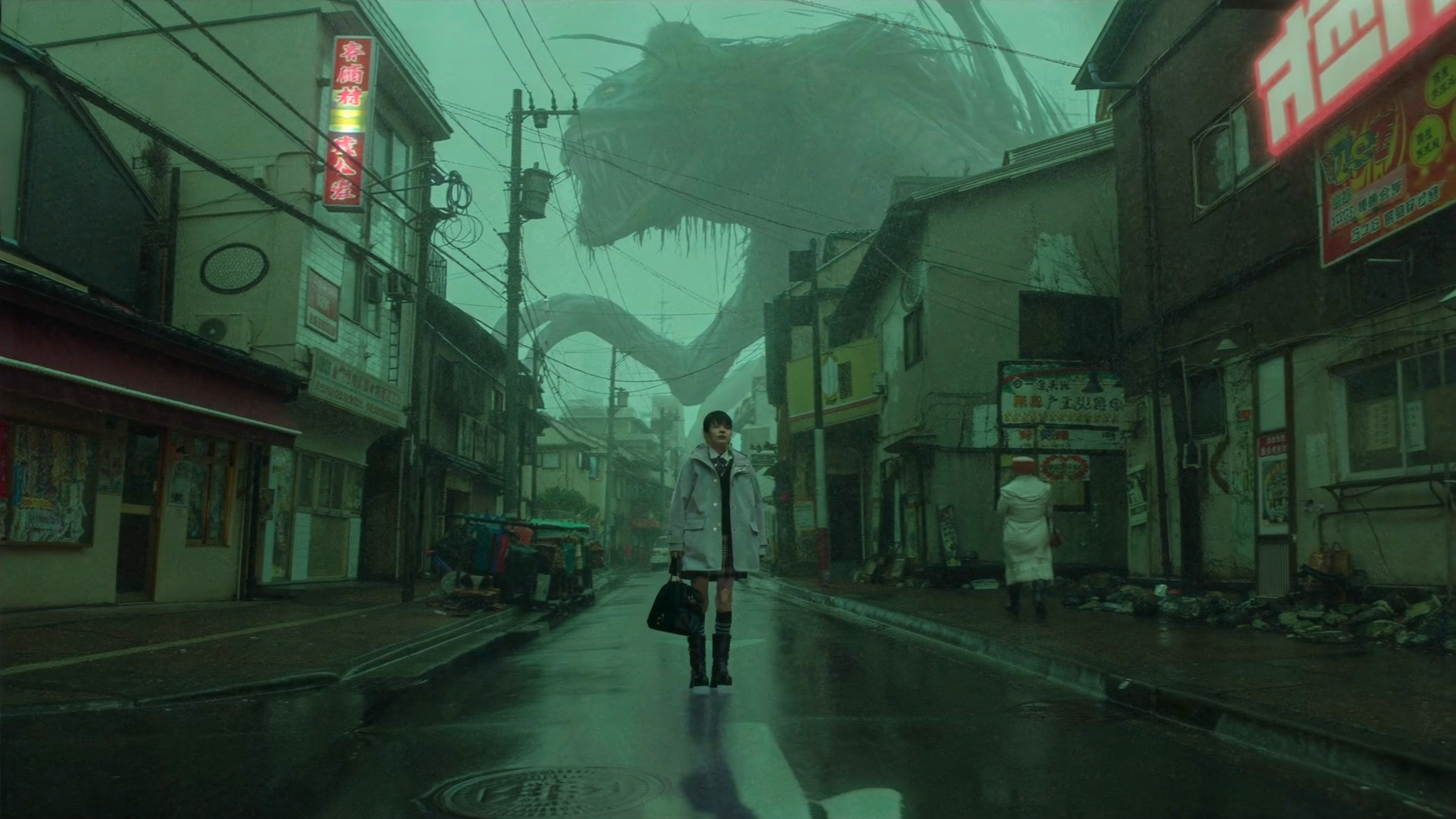
Most AI-generated video fails for an audio reason. The shots look clean, the motion is smooth, the color is consistent — and then the clip lands in a feed and feels hollow. The music is a generic four-bar loop, the voiceover sounds like a navigation app reading a memo, and nothing in the soundtrack responds to what is happening on screen. Audio is not decoration bolted on at the end of a video workflow. It is half of the perceived quality.
This guide is a practical, tool-agnostic workflow for producing finished-sounding audio for AI video: generating background music, synthesizing realistic narration, mixing the two together, and doing it consistently enough that you can ship on a schedule. It skips platform sales pitches and focuses on the decisions you will make on every single project.
Why Audio Decides Whether an AI Video Feels Finished
Viewers forgive a lot of visual imperfection. A slightly soft face, an odd hand, a background that repeats — most people keep watching. They do not forgive bad audio. Harsh sibilance, a low hum, a music bed that fights the narration, or a voice that hesitates in unnatural places all trigger the same instinct: this was made quickly, so it is probably not worth my attention.
There is also a perceptual asymmetry worth internalizing. Humans process sound faster than they process image. The ear notices a two-frame audio discontinuity immediately, while the eye will happily accept a slightly mismatched cut. That is why professional editors cut picture to sound rather than the other way around. When you build an AI video, the audio timeline should be the spine and the visuals should be layered onto it, not the reverse.
Audio also carries the information. Narration explains, music directs emotion, ambience establishes place, and effects punctuate transitions. A clip with strong visuals and weak audio communicates less than a clip with modest visuals and strong audio. If you only have time to improve one layer of your next project, improve the audio.
Generated Music, Generated Voice, or Licensed Library
Three sources of audio are now realistic for independent creators: generation models, stock or library content, and original recording. Each has a different cost curve, quality ceiling, and legal profile.
Generation models are best when you need something specific — a twelve-second sting in a particular mood, a loop that fits an exact tempo, narration in a language you do not speak. Their weakness is consistency: the same prompt rarely returns the same result twice, so you need to save your outputs and build your own library over time.
Stock and library audio is best when you need reliability and volume. A curated set of tracks and effects costs a subscription or a one-time purchase and gives you predictable, professionally mixed material. Its weakness is genericness. Popular tracks get reused so often that audiences recognize them within a second.
Original recording is best when authenticity is the point — a founder's voice, a customer interview, a field recording. Its weakness is time. It is the highest-quality option per minute produced and the slowest to scale.
A useful decision rule: generate what is specific, license what is generic, record what is personal. Most strong video workflows combine all three, pulling generated music for the hook, library sound effects for texture, and a recorded or synthesized voice for the message.
Step One: Build an Audio Map Before You Generate Anything
The most common reason AI audio sounds stitched together is that the creator started generating before deciding what the video needed. Before you open a music generator or a voice tool, write an audio map: a simple table with timecode ranges down the left and layers across the top.
A practical audio map has four layers. Narration carries the argument. Music carries the emotion. Ambience establishes the space. Effects mark the transitions. For each timecode range, note which layers are active and what each one should be doing. A forty-five second product demo might look like this: 0:00–0:04 music only, building; 0:04–0:20 music plus narration, music sits low; 0:20–0:26 music swells, no narration, one transition hit; 0:26–0:45 narration returns, ambience fades in under the closing shot.
Two details matter more than people expect. First, decide where silence goes. Dead air is a compositional tool; a half-second of nothing before a reveal is more effective than any sound effect. Second, describe the emotional arc in words before you prompt for it — "curious, then confident, then resolved" is a prompt strategy. "Upbeat corporate" is not.
Once the map exists, generation becomes a targeted task instead of an experiment. You know you need a twenty-second bed that sits under speech, a six-second stinger, and forty-five seconds of narration in a specific tone. That is a much easier brief to satisfy.
Generating Background Music That Matches the Edit
Music generation has improved enough that the limiting factor is usually the brief, not the model. Most tools respond to descriptive prompts, tempo guidance, instrumentation hints, and mood words. Structural control varies; some let you specify sections, others hand back a continuous clip you trim afterward.
Prompt structure that actually works
A reliable formula is: genre and era, instrumentation, tempo and feel, mood arc, and explicit negative constraints. For example — "minimal electronic underscore, soft analog pad and muted piano, 84 BPM, patient and slightly hopeful, builds gently across twenty seconds, no drums, no vocals, nothing bright or harsh." That prompt does more work than "cinematic background music" because it removes the elements most likely to collide with narration.
Generate at least three variations and keep all of them, including the ones you do not use immediately. Generated audio becomes an asset library over time, and searching your own folder is faster than re-prompting from scratch.
Loops, transitions, and stingers
Long videos need either one continuous bed or a set of loopable sections. Continuous beds are easier but lock you into a single emotional register. Loopable sections give flexibility at the cost of edit work: you have to trim, crossfade, and verify the loop point is inaudible. A two-hundred-millisecond crossfade hides most loop seams when the rhythmic content aligns.
Transitions deserve their own short assets. Generate or select three to five stingers in the same tonal family — a rise, a hit, a whoosh, a soft chime — and reuse them across episodes. A small, consistent set of sonic signatures is how a channel develops a recognizable sound without hiring a composer.
Synthesizing Voiceover That Does Not Sound Synthetic
Voice synthesis improved faster than any other part of AI audio, and expectations are highest here. Modern engines handle prosody, breath, and emotional variation well when the script and settings cooperate. When they do not, the result is uncanny in a very specific way: technically correct and emotionally flat.
Casting the voice
Treat voice selection as casting. Match timbre to subject matter and pacing to format. A technical explainer usually benefits from a mid-range voice with measured pacing; a short-form hook benefits from a brighter, faster read; a documentary segment benefits from a lower register and slower delivery. Generate the same fifteen-second sample with three candidates and listen at phone volume, not studio volume — most of your audience will hear it on a small speaker.
Writing scripts for a speech engine
Punctuation is your primary control surface. Commas create short pauses, periods create longer ones, and line breaks create the largest ones. If you want a dramatic beat, do not rely on the engine to find it. Break the line.
Numbers, acronyms, and proper nouns are the usual failure points. Write "twenty-five dollars" rather than "$25" if the engine reads symbols literally. Spell out ambiguous acronyms phonetically on first use. Short sentences outperform long ones by a wide margin, both for synthesis quality and listener comprehension.
Fixing pronunciation and pacing
When a word comes out wrong, fix it in the script rather than regenerating endlessly: rewrite it phonetically, split it into syllables, or swap in a synonym. Pacing problems are usually structural. If the read feels rushed, cut words instead of slowing the global speed setting — slowing everything down makes the delivery sound sedated. If the read feels flat, add a question or a contrast; engines naturally vary pitch when a sentence has shape.
Mixing and Mastering: Levels, Ducking, and Loudness
Good generation still needs a mix. Two things separate amateur from professional-sounding audio: consistent narration level and music that stays out of the way.
Ducking music under narration
Ducking means automatically lowering music while narration plays. Many editors do this natively; if yours does not, keyframe it manually. Start with music around -18 to -22 dB under narration and -8 to -10 dB in the gaps. The transition should take 150–300 milliseconds going down and 400–800 milliseconds coming back up. Fast fades sound mechanical; slow ones sound laggy.
Also carve frequency space rather than only reducing volume. A gentle high-pass filter around 100–150 Hz on the music, plus a small dip in the 1–4 kHz range, keeps the music present while freeing the intelligibility band for speech.
Loudness targets per platform
Loudness normalization is the reason your export can sound great on your machine and quiet on a phone. Most social platforms normalize to roughly -14 LUFS integrated, while broadcast-style targets sit closer to -16 to -24 LUFS. Exporting near -14 LUFS with true peaks below -1 dBTP is a safe default for social video, because it survives normalization without being turned down noticeably.
Check your mix in mono at least once. Phase problems and buried narration are far easier to hear when the stereo field collapses.
Rights, Licensing, and Platform Safety
Audio rights are the most common reason a video gets muted, demonetized, or removed, and the risk is not limited to music. Voice cloning adds its own layer: synthesizing a recognizable person's voice without permission is a legal and ethical problem regardless of what a tool technically allows.
Three habits reduce almost all of this risk. Keep a log of every audio asset with its source, generation date, and license terms so you can produce documentation on request. Prefer assets whose terms explicitly allow commercial use in video. And if you synthesize a voice, use either a clearly licensed synthetic voice or your own recorded voice, with written consent from anyone else involved.
If you work with clients, put audio provenance in the deliverables. A one-page asset list with sources and terms is the difference between a smooth handoff and a takedown six months later.
Turning Audio Into a Repeatable Pipeline
Once the workflow works, templatize it. Build a project folder structure: music, voice, effects, ambience, exports. Save an audio map template with your four standard layers. Keep a running folder of stingers and loops you have already generated and approved, organized by mood and tempo. Create a mastering preset with your ducking and loudness settings so every project starts from a known-good baseline.
Then create a short pre-publish QA pass. Listen once at normal volume for the emotional read. Listen once at low volume to confirm narration is intelligible. Listen once on a phone speaker to catch anything that disappears. Check the first three seconds specifically — that is where retention is decided, and a cold open with mismatched music loses viewers before the content even starts.
Finally, version your audio separately from your video. When a platform changes its normalization behavior or a client wants a different tone, you want to re-render the mix without rebuilding the edit.
Common Mistakes and How to Fix Them
- Prompting with mood words only. "Epic" and "energetic" produce generic results. Add instrumentation, tempo, and negative constraints.
- Letting music and narration peak at the same level. The mix feels loud and unclear. Duck the music and carve out frequency space.
- Regenerating an entire voiceover for one bad word. Fix the script instead; phonetic rewrites and synonyms are faster and more reliable.
- Ignoring the first three seconds. Front-load clarity with narration or a strong musical hook, not a slow ambience fade.
- Using one bed for the whole video. Static music flattens the emotional arc. Change sections or swell at key moments.
- Skipping mono and phone-speaker checks. Most viewers hear a collapsed, small-speaker version of your mix.
- No asset log. Track sources and terms from day one; reconstructing them later is genuinely painful.
FAQ
Do I need separate tools for music and voice?
No, but specialized tools usually outperform a single general-purpose one. If your video editor already covers both, start there and only add dedicated tools when a specific limitation blocks you.
How long should a generated music bed be?
Match the emotional section, not the whole video. Twenty to forty seconds per section is usually enough, because you can loop or extend with crossfades.
Can I use synthesized voices for client work?
Only when the license explicitly permits commercial use and the voice is not an imitation of a real, identifiable person. Get the terms in writing and keep a copy with the project files.
Why does my narration sound robotic even with a good engine?
Usually the script, not the engine. Long sentences, symbol-heavy numbers, and missing punctuation force the model to guess. Short sentences with deliberate line breaks fix most of it.
What loudness should I target?
Around -14 LUFS integrated with true peaks below -1 dBTP is a practical default for social platforms. Broadcast and podcast exports often sit lower.
How many music variations should I generate per video?
Three at minimum, five if the video has distinct emotional sections. Keep the unused ones — a folder of approved tracks compounds in value across projects.
