
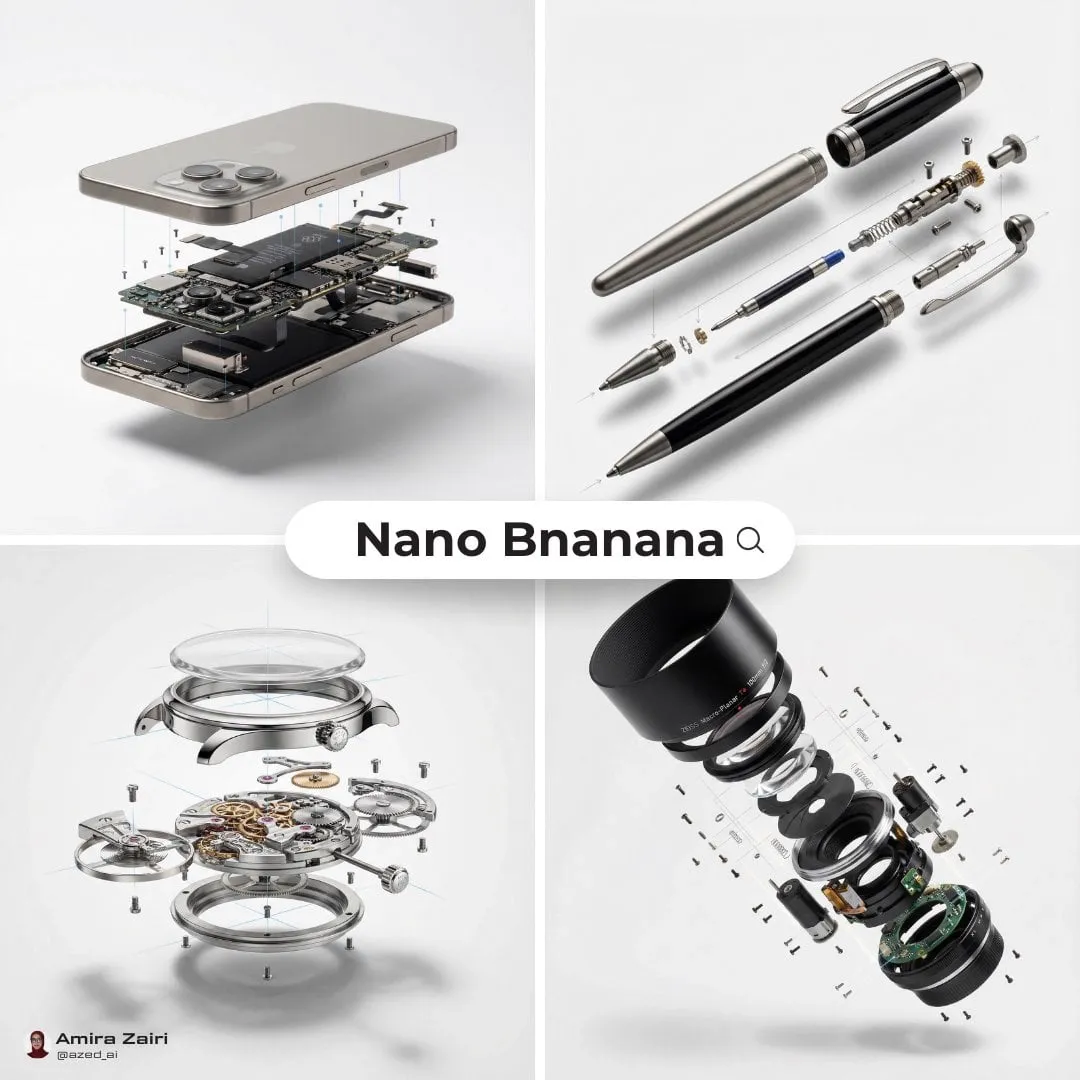
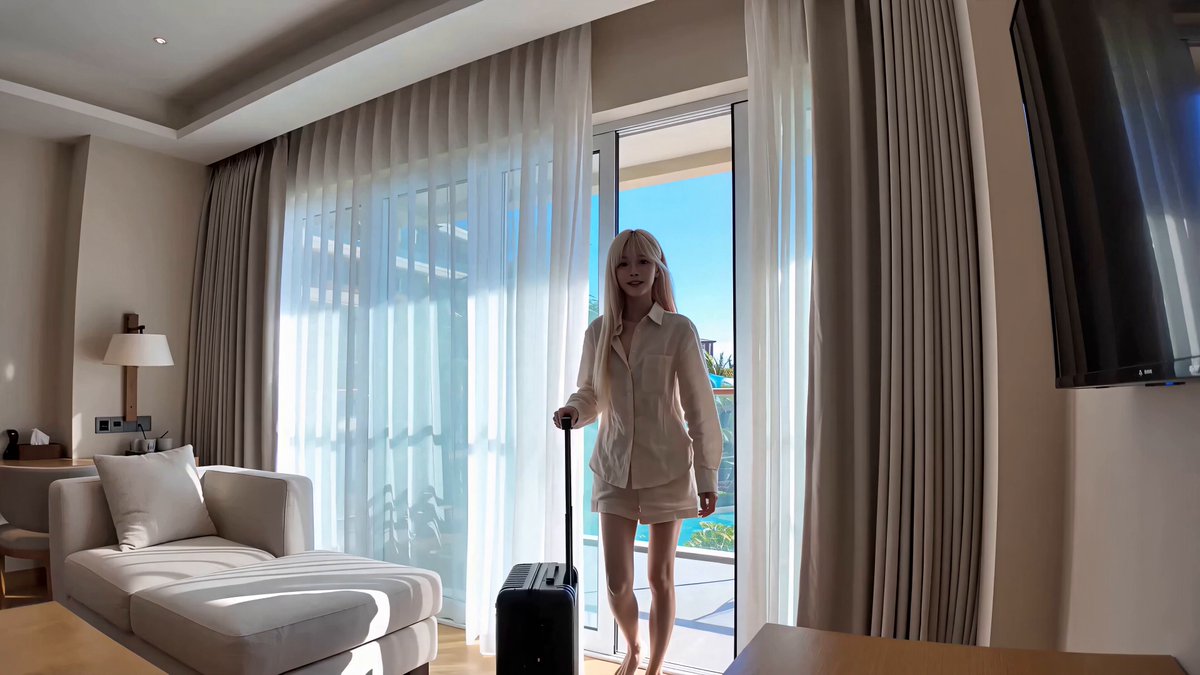

The Runway 5.0 Era Has Arrived
The entertainment industry is moving through a phase that many now call the Runway 5.0 Era. This is not just another update to a familiar suite of tools. It represents a deeper shift: generative AI is now embedded in the entire production pipeline, from concept art and pre-visualization through principal photography and final VFX. Nearly every studio and independent creator is asking the same question: how do you integrate advanced AI into entertainment production without losing creative control?
The answer lies in model diversity. The modern AI video generator landscape is no longer about one model doing everything. Instead, the winning approach is a multi-model workflow where specialized engines handle specific tasks. A photorealistic scene can be built with one model, while a stylized animation or complex motion sequence uses another. This is why platforms that aggregate models are becoming the production backbone for a growing number of teams.
What Defines the Runway 5.0 Era
Several factors converge to make 2025 the defining year for AI-assisted entertainment production. First, model quality has crossed a threshold. Generated video now demonstrates near-photorealistic fidelity, more stable characters, and long-form narrative coherence. These are not isolated wins. They come from the latest generation of text-to-video and image-to-video systems, which are trained on far richer datasets and use advanced temporal reasoning.
Second, the role of AI has changed. Rather than sitting at the end of the pipeline as a post-production effect, AI now stretches into pre-production and even creative direction. This transforms how scripts are visualized, how shots are planned, and how style consistency is maintained across hundreds of generated clips. The creative loop is now interactive: you generate, evaluate, adjust, and refine in near-real-time.
Third, this era redefines who gets to make premium video content. Independent filmmakers can achieve production values that once required major studio budgets. The result is a radical compression of timelines and a dramatic drop in upfront costs. Analysts expect the generative AI video market to exceed $15 billion by 2027, and the pressures of the attention economy are pushing creators to adopt these workflows simply to stay relevant.
Centralized Model Access Is the New Production Infrastructure
The fragmentation of the AI model ecosystem is one of the biggest bottlenecks in entertainment production. A production team may need a photoreal engine for live-action looks, an anime-capable model for stylized sequences, and a motion-focused engine for dynamic camera moves. Juggling separate APIs, hardware requirements, and interfaces is unsustainable.
Centralized platforms solve this. By providing a single access point to many models, they let creators move between engines without rebuilding pipeline infrastructure. This abstraction layer also handles asynchronous rendering jobs, which become important when dozens of shots need to be processed overnight. The best platforms provide a unified way to manage everything from a text-to-image tool at the beginning of pre-production to an AI video generator for final output.
If you are building a production pipeline, exploring a robust AI video generator is a good place to start. From there, you can layer in specialized tools for different visual styles.
Choosing the Right Model for the Scene
No single model is ideal for every scene. Understanding the strengths of each model matters more than ever. For example, models like GPT Image 2 lead in still-image generation and can be used to establish the visual language of a project before animation begins. The ability to feed those stills into video for image-to-video workflows is a major productivity unlock. If you want to see how far static image generation has come, explore GPT Image 2 and use it to create concept frames or style references.
On the video side, motion control is a key differentiator. Directors want to move the camera, reframe action, and keep characters stable from shot to shot. The latest generation of video models offers far more sophisticated handling of object permanence, lighting continuity, and physics. Models such as Seedance 2.0 take long-form generation seriously, which matters for narrative storytelling rather than isolated clips. A production team can use Seedance 2.0 for complex scenes and then switch to a faster model for drafts and experiments.
Maintaining Control and Consistency at Scale
The biggest challenge in AI-assisted production is consistency. In traditional filmmaking, the director and cinematographer manage a unified visual language across a shoot. With generative AI, that language can easily fracture when each clip is produced independently. The solution is a combination of prompt discipline, reference images, and model selection. Multi-image fusion tools allow a creator to feed several frames into the generation process, keeping the character's face, wardrobe, and environment stable throughout the sequence.
Another control layer is motion control. The ability to lock camera movement, define scene transitions, and manage action within a generated shot turns a one-off clip into a usable production asset. This is particularly important for content meant to be edited into longer narratives. The best workflows treat AI generation as part of a larger editorial process rather than as a final output.
A practical way to keep continuity high is to start with a strong reference image. Use an image model that produces exactly the style and composition you need, then feed that image into an image-to-video model to animate it. This two-step approach gives you far more control than typing a text prompt and hoping for the best. If you need a starting point for generating these visual references, an AI image generator can be your pre-visualization workhorse.
Automated Creative Direction and the Changing Role of the Filmmaker
One of the most interesting developments in the Runway 5.0 Era is the arrival of AI agents that offer directorial guidance. These agents analyze a script or a sequence of images and suggest shot composition, pacing, and narrative flow. They are not replacing directors; they are giving directors a smarter first pass.
This has a big impact on solo creators. A single person can now behave like a small studio, using an AI assistant to ideate, then switching to specialized generation tools to produce the actual footage. The creative bottleneck shifts from technical execution to taste and curation. The director becomes a selector and an editor, which is arguably closer to the classic role of a film director.
The economic implications are equally significant. Pre-production and post-production costs can drop by 40% or more for certain types of content. Fewer reshoots, faster concept approval, and reduced reliance on expensive VFX teams all contribute to a leaner production model. That gives independent creators monetization opportunities that were previously unavailable.
Building a Sustainable AI Media Workflow
The key to working in the Runway 5.0 Era is to build a repeatable workflow. Start with a strong reference image. Establish the look, mood, and framing. Then use image-to-video generation to bring those frames to life. Use video generation tools to explore the motion, focal length, and timing that best serve the story.
After generating, review and refine. Identify the clips that land, then use them as style anchors for the next batch. This iterative loop is the new grammar of AI-driven production. By keeping your models organized and knowing which engine handles which kind of shot, you can scale from a single test clip to an entire short film.
The entertainment industry is entering a phase where advanced AI is no longer optional. It is a creative partner, a production manager, and a rendering farm all at once. The Runway 5.0 Era belongs to creators who embrace that partnership and build workflows around it.
