
Why Short-Form Visuals Decide Reach Before Anything Else
Short vertical video is the default format for a huge share of mobile viewing, and that changes what "good" means. A viewer decides in roughly one to two seconds whether your clip deserves the next ten. Two videos can carry identical information, identical hooks on paper, and identical length — and one holds most of the audience while the other collapses at the three-second mark. The difference is almost never the script. It is the visual grammar: what the first frame promises, how the frame moves, and whether something visually new arrives before attention runs out.
Most creators treat visuals as the final coat of paint applied to a finished idea. Strong short-form teams work in the opposite direction. They design the visual beat first — what the viewer sees at 0.0 seconds, what changes by 1.5 seconds, what the closing frame does to trigger a rewatch — and then write the script to fit that structure. This ordering matters because generative video tools are now fast enough to iterate on images and motion, but no tool can rescue a clip that has no visual plan.
The rest of this guide is a working method: the visual levers you control, a production pipeline that scales past one person, prompt patterns that render reliably, consistency systems that keep characters and products recognizable, and a quality checklist to run before anything goes live. It is written for creators and small marketing teams publishing several short videos a week who want a repeatable process instead of one-off luck.
The Four Visual Levers You Can Actually Control
Every short-form clip is the product of four decisions: how the frame is composed, how it moves, how it is lit and graded, and how text sits on top of it. Trend cycles change the surface style of these levers constantly, but the levers themselves stay the same, which is why mastering them is more durable than chasing any single aesthetic.
Composition and safe areas
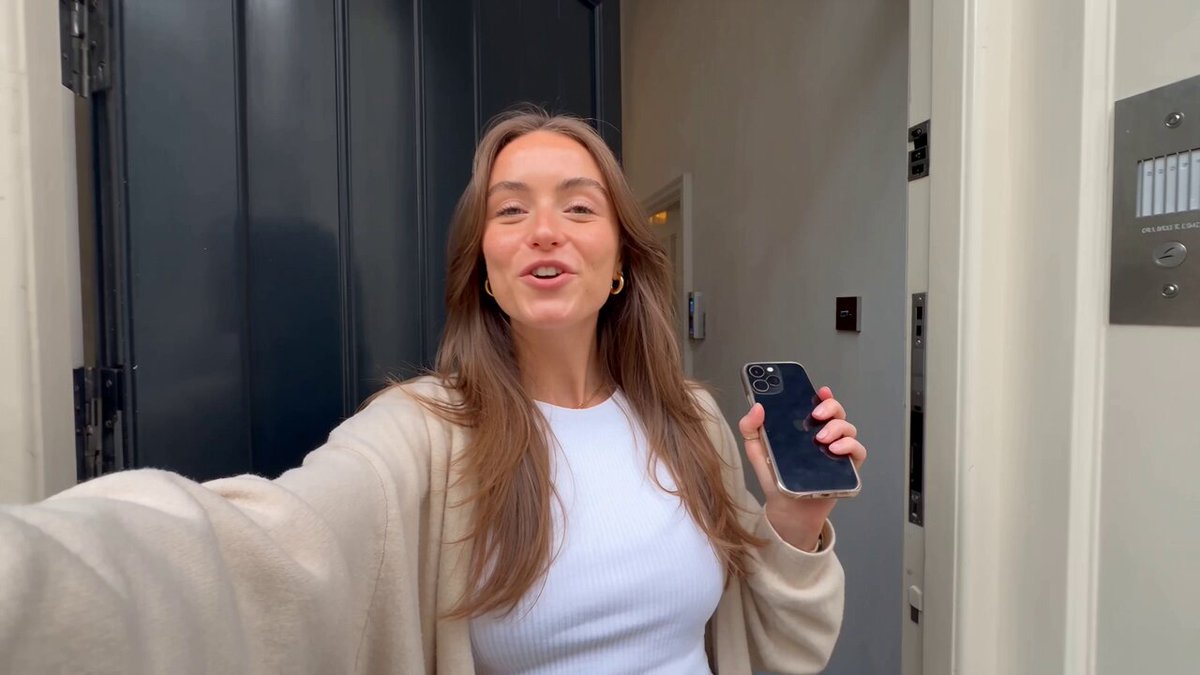
Vertical 9:16 leaves less room than most people assume. Place the subject's eyeline in the upper third, avoid the bottom 20 percent where captions and interface controls sit, and keep roughly a 10 percent margin from every edge. In a 1080x1920 frame, that means a practical safe zone of about x=100-980 and y=220-1560. If you generate clips in 16:9 and crop afterward, you will clip heads, hands, and product labels — and you will crop away the exact detail that made the shot worth using.
Motion and camera language
A completely static frame reads like a still image, and still images do not earn watch time. Even subtle motion helps: a slow push-in of 3-5 percent per second builds tension, a pull-out reveals context, a lateral truck establishes place, and a short orbit sells a physical product. A handheld micro-shake of one or two pixels adds a documentary texture that clean digital renders often lack.
The discipline here is one camera move per shot. Two moves inside three seconds reads as noise, and three reads as a mistake. When you prompt a generative model, name a single move explicitly rather than stacking adjectives like "dynamic cinematic sweeping."
Light, color, and grade
Choose two color temperatures and stay honest to them across a batch. A product line might live in cool daylight with warm practical accents; a wellness channel might sit in soft window light with muted greens. The specific palette matters less than applying one look-up table or grade recipe consistently. A consistent grade is what makes a feed read as a brand rather than a folder of unrelated clips.
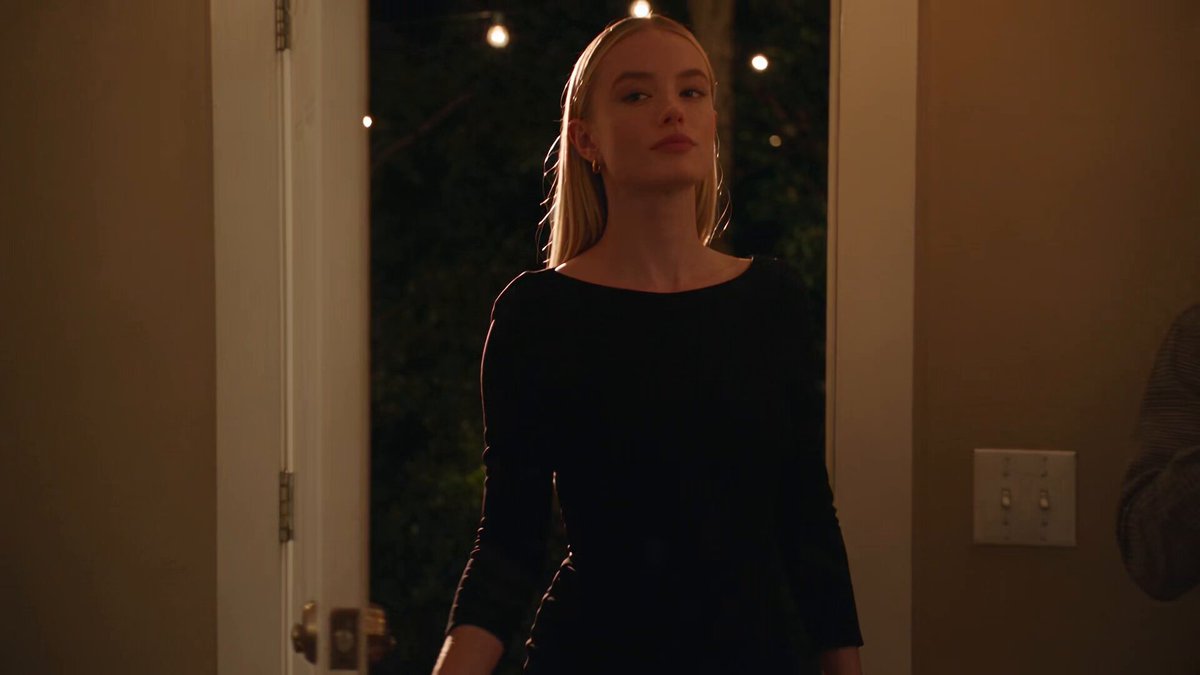
Avoid flat, shadowless lighting unless flatness is the point. Directional light gives the frame depth, creates separation between subject and background, and gives generative models clearer structure to render.
On-screen text and negative space
Captions should sit at four to five words per line, two lines maximum, in a high-contrast typeface with a single accent color. Reserve a band of clean background for them — busy footage behind text forces viewers to choose between reading and watching, and they usually choose neither. If your hook text is longer than nine words, it is a script line, not an on-screen line.
Building a Repeatable AI Video Pipeline
Volume without process produces inconsistency. A short-form pipeline has four stages, and each one has a clear deliverable so that the next stage never starts from a blank page.
| Stage | Output | Practical rule |
|---|---|---|
| Pre-production | Hook line, shot list, references | 5-9 shots for a 30-second clip |
| Generation | Shot variants to review | 3 variants per shot, pick one |
| Assembly | Timeline with audio locked | Cut to audio, not to video |
| Delivery | Exported master plus vertical versions | 1080x1920, H.264, captions burned or sidecar |
Pre-production is where you write the shot list: shot number, description, duration in seconds, camera move, and which reference image or asset the shot must match. A 30-second clip usually needs five to nine shots. Fewer means the pacing drags; more means each shot is too short to register.
Generation is a batching exercise. Produce three variants per shot rather than one, because the fastest path to a usable clip is choosing between options, not rewriting a prompt twenty times. Keep a naming convention such as ep04_sh03_v2 so that when a shot gets replaced, nobody loses track of the approved version.
Assembly is audio-first. Lay the voiceover or music bed, mark the beat grid, then place shots against it. When video is cut first, audio edits become a negotiation with the picture instead of the other way around, and the result feels sluggish.
Delivery should be templated. Encode once at your highest target quality, then produce platform versions from that master. Keep burned-in captions for platforms that autoplay muted, and a sidecar subtitle file for platforms that let users toggle them.
Choosing the Right Generation Mode for Each Shot
Not every shot should be made the same way. Most modern video tools offer several modes, and picking the wrong one is the most common source of wasted time.
| Mode | Best for | Watch out for |
|---|---|---|
| Text-to-video | Establishing shots, abstract B-roll, mood pieces | Weak identity control; faces drift between clips |
| Image-to-video | Hero shots, products, character close-ups | Needs a clean, well-lit starting image |
| First/last-frame interpolation | Transitions, controlled reveals, transformation beats | Motion between frames can feel mechanical if the two images differ too much |
| Multi-reference or fusion-based compositing | Combining a consistent character, a product, and an environment | Requires structured references and clear priority rules |
A simple decision rule: if the shot must show a specific person, product, or place, start from an image or a reference set. If the shot only has to convey a feeling, text-to-video is faster and cheaper in time. If the shot exists purely to move the viewer from one state to another, use first-and-last-frame control so the endpoints are exactly what you designed.
Writing Prompts That Survive Rendering
Generative models fail in predictable ways, and most failures come from prompts that describe a mood instead of a shot. A prompt that renders reliably reads like a camera note:
Subject + action + camera move + lens or format + lighting + environment + mood + constraints
For example: "A ceramic coffee cup on a wooden counter, steam rising slowly, camera pushes in gently at eye level, 50mm look, soft morning window light from the left, minimal kitchen background, calm and warm, no text, no people, single cup centered in the upper third of a vertical frame."
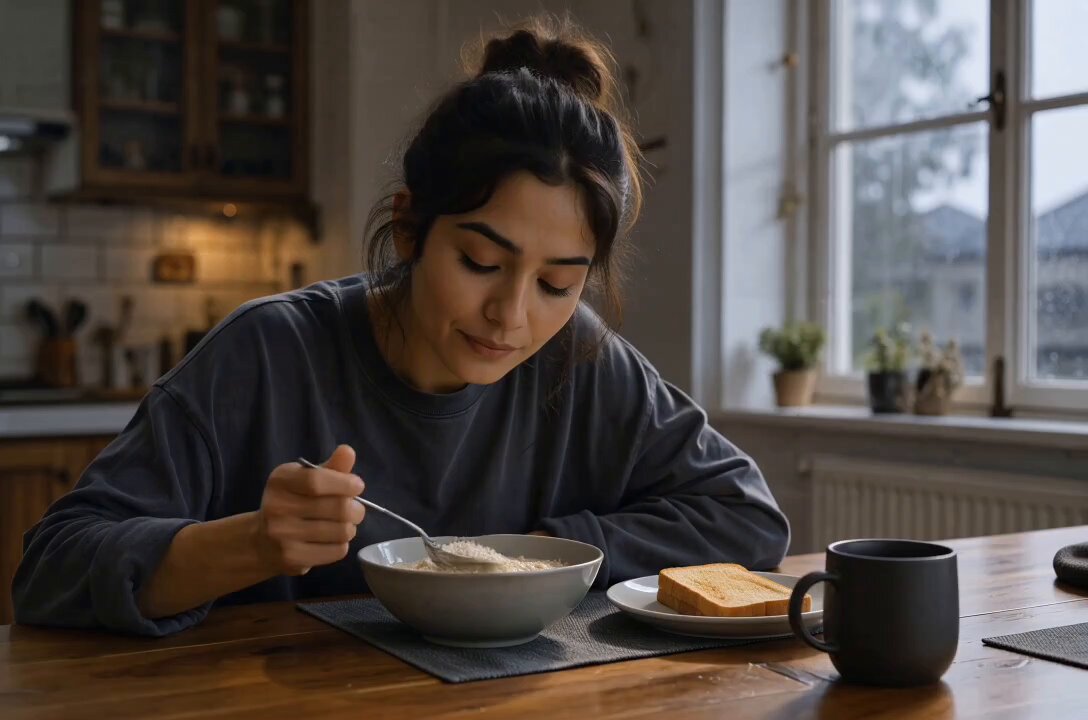
And a character shot: "A woman in her thirties wearing a rust-colored knit sweater sitting on a window bench, she turns her head toward camera and smiles slightly, slow lateral truck right, 35mm look, overcast daylight, indoor plants behind her, quiet and reflective, no logo, no on-screen text, subject framed in the upper third of a vertical 9:16 frame."
Common failure modes worth memorizing:
- Multiple subjects. Two people in a prompt usually become two people merging into one. Generate one person per shot and composite later.
- Contradictory style words. "Documentary" plus "hyper-polished commercial" produces neither.
- Undefined motion. "Dynamic" tells the model nothing. Name the move.
- Aspect ratio left to chance. State vertical framing explicitly, or generate at the exact delivery ratio.
- Time-based instructions. Models do not understand "at the three-second mark." Add the beat in editing instead.
Keep a prompt library organized by shot type — product, talking head, environment, transition. Over a month, your library becomes the real production asset, more valuable than any single render.
Keeping Characters, Products, and Style Consistent
Consistency is what separates a series from a pile of clips. Viewers recognize a recurring face, a signature color, and a familiar framing pattern within a second, and that recognition is what builds returning audience.
Start with a reference set for anything that repeats. For a character, collect three to five images from different angles in neutral, even lighting with a consistent expression baseline. For a product, capture front, three-quarter, and detail views with the same lighting setup. Then treat those references as the source of truth for every shot in which the subject appears.
Layer a style lock on top of the identity lock. That means one grade, one preferred lens look, and one grain or texture treatment applied across the whole series. When you change the visual style mid-series, viewers read it as a different show, even if the content is continuous.
Naming conventions matter more than people expect. A folder structure like /series/ep04/refs, /series/ep04/shots, and /series/ep04/audio prevents the classic problem where a finished episode is rebuilt from scratch because nobody can find the approved clip. Keep a single changelog line per episode noting what was replaced and why.
Finally, watch wardrobe and props. Small changes — a jacket color, a chair, a background poster — break continuity faster than any rendering artifact. Lock them in the reference set and reference the locked description verbatim in every prompt.
Adapting Visual Trends Without Losing Your Brand
Trends in short-form video usually arrive in one of three forms: a mechanic (a transition, a reveal structure, a split-screen device), an aesthetic (a grade, a font, a shooting style), or an audio pattern (a sound effect, a beat drop, a voice filter). Each one can be adopted at a different depth.
Mechanics are the safest to adopt because they change structure, not identity. Aesthetic trends are riskier — adopt the part that fits your palette rather than the whole look. Audio trends move fastest and expire fastest, so treat them as a bonus layer, never as the entire concept, since a clip that only works because of a trending sound has no shelf life.
Run a short trend radar routine: fifteen minutes a day scanning your niche, saving ten references a week into a folder, and writing one line next to each about what specifically caught your eye. Over time this turns vague "that felt good" instincts into a reusable vocabulary.
Set a ratio and hold it. A common split is 70 percent evergreen visual formats that always perform and 30 percent trend-driven experiments. That keeps your feed recognizable while still giving you a testing lane. Apply a 48-hour rule too: if a trend requires more than two days to execute, the trend will likely be over before the clip is finished, so skip it or file the mechanic for later use in an evergreen format.
Editing Rhythm, Sound, and Captions
Editing is where visual intention becomes momentum. Lock audio first: import the voiceover or music, mark the beats, and treat those marks as your shot boundaries. Then place footage against them.
Cut density should vary. The hook needs the fastest cutting, roughly one cut every 1.5 to 2.5 seconds. The middle can breathe at three to four seconds per shot. The ending should land on a shot that holds a beat longer than expected, which is what gives a clip a sense of resolution and invites a rewatch.
Sound design does quiet work that viewers rarely notice consciously. Room tone under dialogue prevents cuts from sounding like dropouts. A soft whoosh or impact on a transition makes the cut feel intentional. Removing the first 200 milliseconds of a music track so it starts on the downbeat makes a hook feel immediate.
Captions should be treated as a design element, not an accessibility afterthought. Stick to one font family, one accent color, and consistent placement. Animate them on word groups rather than letter by letter — letter-level animation looks busy at small sizes and slows reading.
Finally, engineer the loop. If the last frame visually rhymes with the first, the rewatch feels natural rather than jarring, and repeat views are one of the strongest signals a short-form platform reads.
Quality Control Before You Publish
Run the same checklist every time, in the same order, so that fatigue never becomes the reason something ships broken.
Visual
- First frame readable in under one second without audio
- Subject inside the safe zone on the target platform
- Grade consistent with the rest of the series
- No text overlapping faces, hands, or product labels
Audio
- Voiceover peaks between -6 and -3 dB with no clipping
- Music sits 12-18 dB under dialogue during spoken sections
- No abrupt cut-offs at the start or end
Technical
- Correct aspect ratio and resolution for the delivery target
- Captions burned in for muted autoplay platforms, plus a sidecar file
- Bitrate high enough that gradients do not band on mobile screens
Content
- Hook states a specific promise, not a vague tease
- One idea per clip, with no second topic sneaking in
- Closing frame gives a reason to watch again or act
Common mistakes and how to avoid them
- Chasing every trend. Adopt mechanics, not identities, and keep the 70/30 ratio.
- Generating before planning. A shot list of five to nine beats prevents random clips.
- One variant per shot. Always produce three; selection beats rewriting.
- Ignoring audio. Audio is the pacing skeleton. Lock it before the picture.
- Inconsistent grading between episodes. Apply one grade recipe to the whole batch.
- Text-heavy hooks. If a viewer must read more than nine words, they will scroll.
- No reference set. Without references, recurring characters and products drift.
- Publishing without a hook variant test. Produce two first-frames, same clip, and learn which promise works.
FAQ
How many shots does a 30-second short video need?
Five to nine shots is the practical range. Fewer than five and the pacing drags; more than nine and individual shots are too brief to register visually.
Should I generate in vertical or crop later?
Generate in the delivery ratio whenever possible. Cropping from widescreen typically removes the top of heads, hands, or product labels, and it costs you the composition you designed.
What is the fastest way to make a recurring character look the same across clips?
Build a reference set of three to five angles under neutral lighting, lock the wardrobe and props in a written description, and reuse that exact description in every prompt that features the character.
How do I keep up with short-form visual trends without burning out?
Cap trend research at fifteen minutes a day, save references instead of reacting immediately, and reserve only a third of your output for trend-driven work.
Do captions really affect performance?
Yes. Most short-form viewing happens muted or in sound-off environments, so captions function as the primary reading layer. Consistent placement and font also reinforce brand recognition.
How do I know when a clip is finished?
When it survives the checklist above, the first frame is readable muted, and the audio carries the pacing without the picture. If you are still unsure after two passes, the problem is usually the hook, not the edit.
What is the biggest time sink in an AI video workflow?
Reworking consistency failures — a character's face changing, a product label shifting, a grade drifting between episodes. Reference sets and locked descriptions prevent most of it.
Can a small team run this pipeline?
Yes. The bottleneck is planning discipline, not headcount. A single creator with a shot list, a prompt library, a reference folder, and a fixed export template can publish consistently without a full production crew.
