
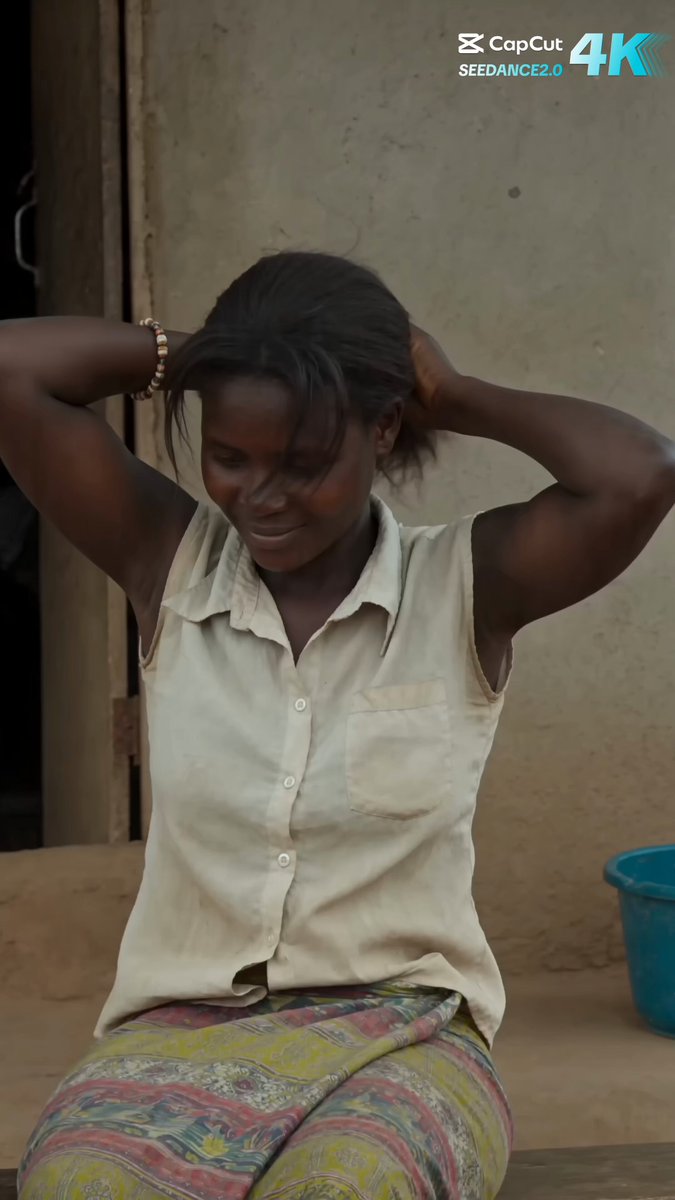
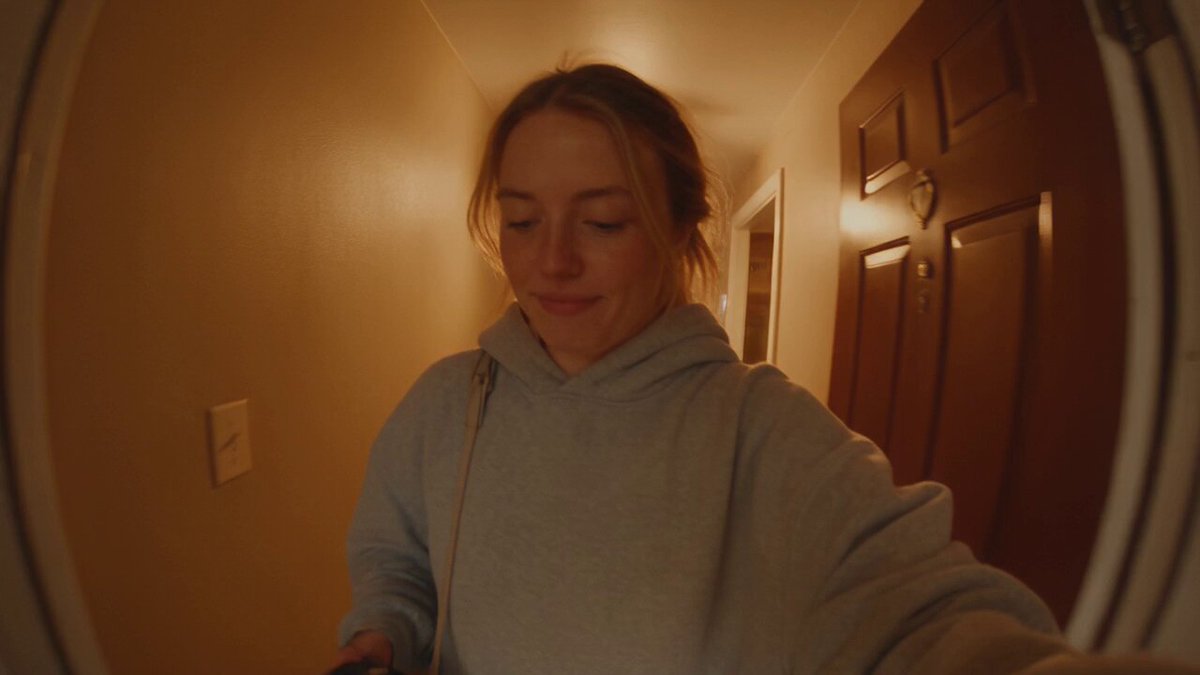
Your Sketch Is the Starting Point, Not the Finish Line
Every great video starts with a vision. But the gap between a rough sketch and a finished scene used to take weeks of production work. In 2025, AI has collapsed that timeline.
AI video generator can take your concept art, storyboard sketches, or even simple reference images and transform them into fully rendered, photorealistic video scenes.
The Sketch-to-Scene Workflow
Step 1: Create Your Concept
Start with any visual reference — a hand-drawn sketch, a mood board, or an image generated by GPT Image 2. This gives the AI a visual anchor for style, composition, and color palette.
Step 2: Describe the Scene
Write a detailed prompt describing the final scene you want. Include:
- Lighting and atmosphere
- Camera movement (dolly, pan, static)
- Action and timing
- Any elements that differ from the reference
Step 3: Generate with Image-to-Video
Feed your reference image and prompt into image-to-video. The AI uses the reference for style and composition while building the motion you described.
Step 4: Refine
Review the output. Did the lighting match? Is the motion smooth? Adjust your prompt and regenerate. Each iteration brings you closer.
When to Use Different Tools
- Concept art → scene: GPT Image 2 for reference images, then image-to-video for motion.
- Scene → scene: Seedance 2.0 excels at maintaining visual consistency across multiple generated clips.
- Text → scene: Text-to-video when you don't have reference images and want to generate everything from a description.
Pro Tips
- Use reference images with clear depth — foreground, midground, background all visible. AI models estimate motion better with depth cues.
- For character work, maintain a consistent description across all prompts. Identity drift is the #1 quality killer.
- Test your prompts on short 3-second clips before committing to longer generations.
The line between concept art and final scene has never been thinner. Your sketch is the blueprint — AI handles the heavy lifting.
