
The shift from manual stop motion to AI-driven motion synthesis is changing how creators think about time-lapse videos. Traditional stop motion requires physical manipulation of subjects frame by frame, a painstaking process that limits complexity and scale. AI motion generation, on the other hand, lets creators define a start state, an end state, and the desired dynamics using text prompts or reference images, then algorithmically computes every intermediate frame. This approach compresses hours, days, or even years of real-world progression into a short, compelling narrative, opening up new possibilities for visual storytelling.
The Limitations of Traditional Time-Lapse and Stop Motion
Classic time-lapse photography is constrained by real-world physics, lighting, and the need for stationary camera setups. To capture a process like a flower blooming or a building rising, you must commit to long sessions and hope the environment stays consistent. Stop motion offers more granular control but at an enormous labor cost: every frame must be physically adjusted, photographed, and corrected for alignment, lighting flicker, and unintended motion. These manual processes make ambitious projects impractical for most creators.
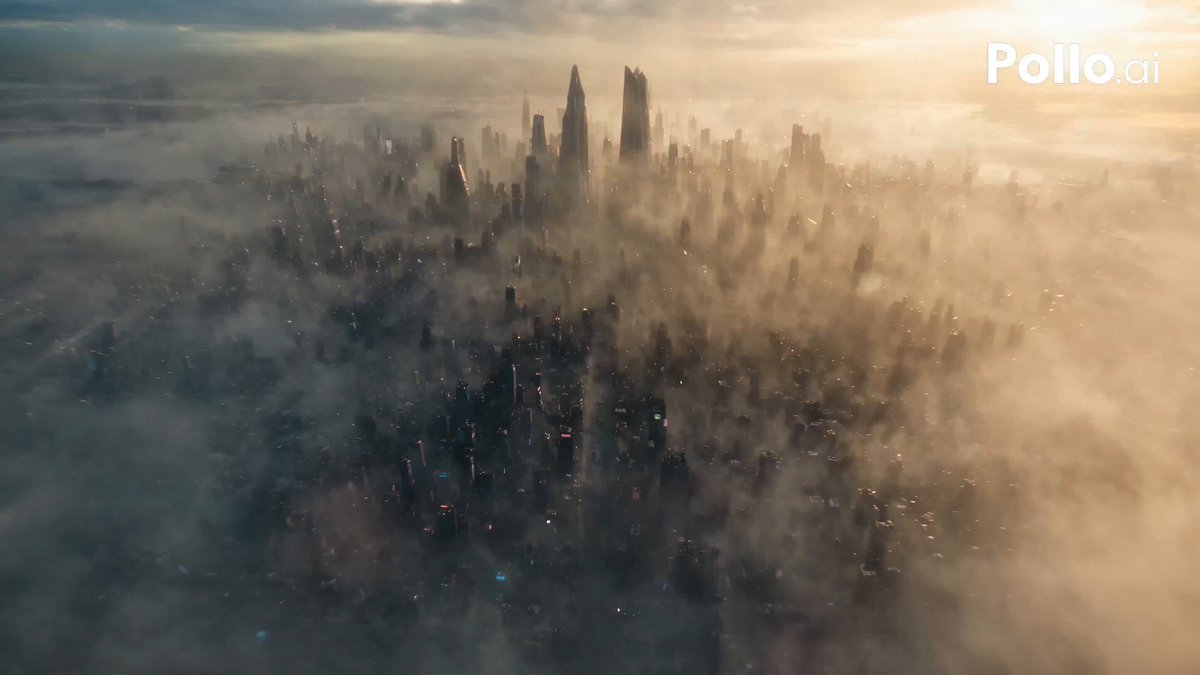
AI motion removes these bottlenecks. Instead of accumulating physical frames, you define the temporal trajectory conceptually. For example, you can prompt a model to show a city growing from a few structures to a sprawling metropolis, and the algorithm will generate plausible, smooth transitions between the key milestones. This fundamental shift from "capturing" time to "composing" time algorithmically is what makes modern AI time-lapse creation so powerful.
The Role of Model Diversity
No single model is best for every time-lapse scenario. Hyper-realistic sequences require different strengths than stylized, narrative-driven transitions. Modern platforms offer a wide range of models—from specialized image generators to advanced video synthesis engines. For instance, using a high-quality AI image generator can establish the perfect keyframes, while a dedicated AI video generator handles the interpolation between those frames.
Models like Seedance 2.0 are excellent for maintaining coherence across long sequences, while GPT Image 2 can create detailed reference imagery that anchors the visual style. By combining these tools, creators can achieve photorealistic results that would previously require a full studio setup. The key is to understand each model's strengths and use them in a complementary pipeline.
Mastering Motion Coherence and Character Persistence
One of the biggest challenges in AI video generation is maintaining object identity and visual consistency across many frames—especially in time-lapses that span long durations. Early models often suffered from jarring morphing or disappearing elements. The solution lies in keyframe control and multi-image fusion.
With multi-image fusion, you can provide the AI with multiple reference images that define the subject at critical points in the timeline. For example, if you're creating a time-lapse of an engineer assembling a robot, you can supply images showing the robot at 0%, 50%, and 100% completion. The video generation model then interpolates between these states, preserving the robot's design and the engineer's appearance throughout. This technique is essential for any time-lapse involving persistent subjects, whether they're characters, objects, or environments.
Practical Workflows for AI Time-Lapse Creation
Define the Temporal Narrative
Before generating anything, outline the story your time-lapse will tell. What process are you visualizing? What should the viewer feel at each stage? A good practice is to break the timeline into milestones and decide which moments deserve emphasis. For instance, a "city evolution" project might have milestones at 10, 50, and 100 years, each with distinct visual characteristics.
Use Text-to-Image for Keyframes
Start by generating strong reference frames with a text-to-image model. These frames will act as anchors, ensuring that the beginning, middle, and end states look exactly as you intend. You can generate multiple versions of each keyframe to explore different artistic directions before committing.
Bridge with Image-to-Video
Once your keyframes are ready, you can use an image-to-video tool to create the motion between them. Some models allow first-last-frame control, where you provide both the opening and closing images and let the AI fill in the journey. This is ideal for time-lapses with a clear before/after transformation. For more nuanced control, you can chain multiple video generations, each using a new keyframe as its starting point.
Iterate and Refine
AI generation is rarely perfect on the first attempt. Expect to run several iterations, tweaking prompts, adjusting keyframes, or even trying different models. Many creators find it helpful to generate short test clips (2–3 seconds) for each segment before committing to a full-length render. This saves processing time and lets you spot coherence issues early.
The Future of Temporal Visual Storytelling
As generative models become more sophisticated, the line between traditional filmmaking and AI synthesis will continue to blur. We're already seeing models that support real-time temporal scrubbing—the ability to instantly view any point in a simulated progression. This could make it possible to explore complex processes interactively, moving beyond linear video into fully navigable temporal worlds.
For creators, the message is clear: think conceptually, not physically. Instead of asking "How do I film this?" ask "What is the essence of this transformation?" With the right combination of text-to-video and image-to-video tools, you can create time-lapse videos that were previously impossible—from the slow growth of crystals to the rapid assembly of a skyscraper.
The tools are here, and they're only getting better. By learning to leverage model diversity, keyframe control, and narrative design, you can turn the ancient art of stop motion into a fully algorithmic, AI-driven craft. The next generation of time-lapse videos will not just document the passage of time—they'll synthesize it.
