

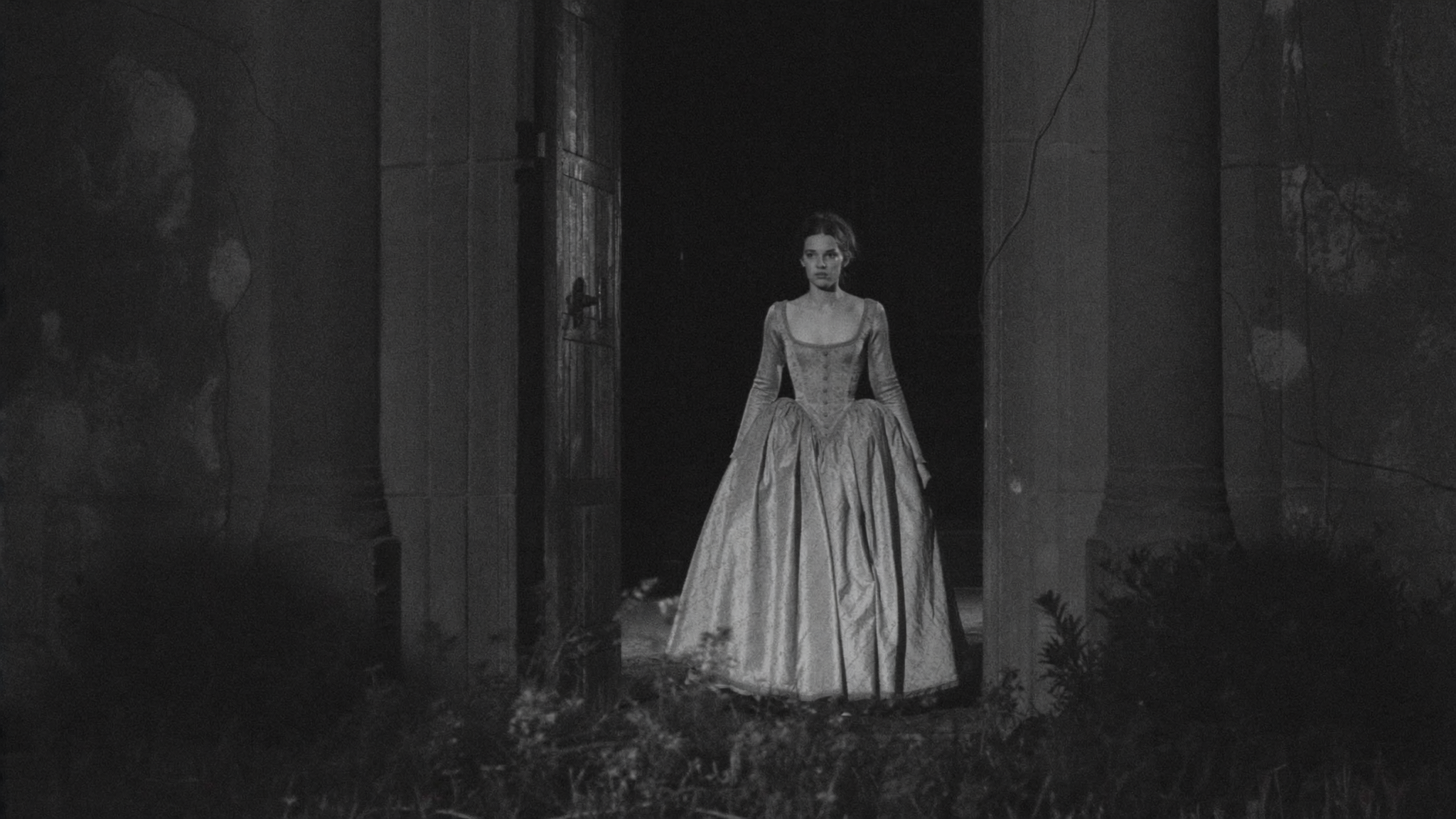


Why Story Still Beats Spectacle in AI Video
Generative video has never been cheaper to produce, and that is exactly why it has never been harder to hold an audience. A model can now render a rain-soaked street, a dragon over a canyon, or a product rotating in soft studio light in under a minute. What it cannot do on its own is decide why the audience should care about any of it.
That gap is where most AI video projects fail. Creators spend their energy on visual novelty — the newest model, the highest resolution, the most cinematic prompt — and almost none on the thing that keeps a viewer watching past the first eight seconds: a question they want answered.
Story-driven AI video flips the order of operations. You decide what changes between the first frame and the last frame, then you choose which shots will carry that change, and only then do you touch a generation tool. The visuals become a delivery mechanism for tension and release rather than the product itself. It sounds slower. In practice it is dramatically faster, because you stop generating dozens of beautiful clips that never fit together.
Three signals tell you a story-first approach is working:
- A clear premise. A viewer could describe the video to a friend in one sentence after a single watch.
- Escalation. Each beat raises stakes, reveals information, or shifts emotion — it does not simply restate the previous beat.
- A payoff that answers the hook. The opening promise and the final image are the same idea, resolved.
If your current drafts are visually strong but lose viewers at the midpoint, the problem is almost never the model. It is the map you gave it.
The End-to-End Story-Driven AI Video Workflow
Treat AI video production like a five-stage pipeline, with a gate between each stage. Nothing moves forward until the previous stage is approved, which prevents the classic spiral of regenerating shots because the script changed underneath them.
| Stage | Input | Output | Typical failure without it |
|---|---|---|---|
| 1. Story spine | An idea, a target audience, a runtime | A one-page script with beats and a hook | Gorgeous footage, no direction |
| 2. Shot plan | The approved script | A numbered shot list with duration, framing, and continuity notes | Shots that cannot be cut together |
| 3. Consistency kit | Character and location descriptions | Reference stills, descriptor strings, lighting rules | Characters who change faces every shot |
| 4. Generation | Shot list plus consistency kit | 2–4 takes per shot, labelled and logged | Endless rerolling, lost good takes |
| 5. Edit and sound | Selected takes | A finished, paced, mixed video | A slideshow with music on top |
A short social video might move through all five stages in an afternoon. A five-minute narrative piece can take a week or more, and most of that time should be spent in stages one and two — the cheapest places to fix problems.
Stage 1: Building the Story Spine and Script
The three-sentence premise
Before writing dialogue, write three sentences:
- Who wants something specific (not "a woman" but "a night-shift baker who wants to buy back her father's shop").
- What blocks them, and why the obvious solution will not work.
- What it costs if they fail, or what they risk by trying.
Those three sentences become your north star. Every beat you keep must serve them; every beat that does not is a candidate for cutting, no matter how good the shot would look.
Beat sheets that survive generation
AI video works best with beats that can be expressed physically. Internal monologue and complex dialogue are hard to render convincingly; a hand hesitating over a door handle is not. Convert emotion into action wherever possible.
A workable beat sheet for a 60-second piece:
- 0–3s Hook. A striking, unresolved image. A locked door, a dropped key, a face mid-realisation.
- 3–12s Setup. Establish the world and the goal in one or two shots.
- 12–35s Escalation. Two or three obstacles, each tighter than the last.
- 35–50s Turn. A reversal — the goal was the wrong goal, or the cost is revealed.
- 50–60s Resolution. The image that answers the hook.
For longer pieces, repeat the escalation turn two or three times, each with higher stakes, and place your emotional peak about 70–80% of the way through, not at the very end. Ending immediately after a peak gives viewers no room to feel it.
Dialogue that survives synthetic voice
If you use AI narration or character voices, keep lines under fifteen words, avoid stacked subordinate clauses, and write for breath. Punctuate for pacing rather than grammar — short sentences, deliberate pauses, one idea per line. Test-read every line aloud before generation; anything that trips you will trip a voice model worse.
Stage 2: Turning the Script Into a Shot Plan
Shot economy
Amateur AI video uses many short shots. Experienced storytellers use fewer, longer, better-chosen ones. If a shot does not reveal information, escalate tension, or land an emotional beat, cut it from the plan rather than generating it "just in case."
A simple rule: a 60-second video usually needs 12–20 shots, not 40. Fewer shots mean more generation attempts per shot, which means higher quality per shot.
The continuity column
Your shot list should have columns for shot number, duration, framing, camera movement, action, lighting, and continuity notes (wardrobe, props, time of day, emotional state). The continuity column is what stops a character's jacket from changing colour between shot 4 and shot 9.
Example entry:
- Shot 7 — 4s — medium close-up — slow push-in — she reads the letter — warm practical lamp from screen left — grey coat, sleeves rolled, evening, restrained disbelief.
That single line contains everything a video model needs to produce something cuttable on the first or second attempt.
Storyboards as prompt blueprints
You do not need to draw. Generate a rough keyframe for each shot using an image model, approve the composition, and then use those keyframes as the starting frame for video generation. This image-to-video route is the single biggest quality upgrade available in AI filmmaking, because composition decisions happen where they are cheap and controllable.
Stage 3: Keeping Characters and Locations Consistent
Character reference kits
Build a kit for every recurring character:
- A front-facing portrait in neutral light, neutral expression.
- A three-quarter view and a profile view for turnarounds.
- A full-body shot establishing wardrobe and proportions.
- A fixed descriptor string — age, build, hair, skin, distinguishing features, clothing — that you paste unchanged into every prompt.
Never paraphrase the descriptor string. "Short dark hair" and "cropped black hair" can produce two different people. Copy and paste, always.
Location and prop anchors
Do the same for locations: one wide establishing reference plus one interior detail reference. Props that matter to the plot deserve their own reference image, particularly anything the audience must recognise later.
Wardrobe, lighting, and time-of-day rules
Write three rules and follow them without exception:
- Wardrobe changes only at marked story beats.
- Lighting direction stays consistent within a scene. A scene lit from screen left stays lit from screen left.
- Time of day is declared per scene, not per shot.
Most "the AI is inconsistent" complaints trace back to a violated rule, not a weak model.
Stage 4: Generating Shots With Directorial Intent
The prompt formula
A reliable structure for video prompts:
Subject + action + camera + lighting + style + duration/pace
Example: An older baker in a flour-dusted apron slides a tray into a stone oven, medium shot, slow handheld drift to the right, warm oven glow with cool window light behind, naturalistic documentary style, unhurried pace.
Notice that nothing in that prompt is decorative. Every clause answers a production question: who, doing what, seen how, lit how, in what visual language, at what speed.
Camera language that reads as intentional
Models handle a small set of moves well: slow push-in, slow pull-out, lateral tracking, gentle handheld drift, and static framing. Fast whips, complex crane moves, and multi-axis choreography still break easily. If you want energy, get it in the edit rather than the prompt — cut two static shots together faster rather than asking for a spinning camera.
Troubleshooting common generation problems
| Symptom | Likely cause | Fix |
|---|---|---|
| Faces morph mid-shot | Too much action in one clip | Shorten the clip or reduce movement |
| Limbs distort | Subject facing camera with complex gestures | Switch to three-quarter view or hands out of frame |
| Style drifts between shots | Style words reworded each prompt | Lock the descriptor string |
| Motion looks floaty | No clear physical action | Describe a concrete verb and contact point |
| Clip ends abruptly | Requested duration exceeds model comfort | Generate shorter, cut earlier |
Iteration budget
Set a hard cap: three takes per shot. If take three is not usable, the prompt is the problem, not the model. Rewrite the prompt from scratch using the formula rather than tweaking adjectives.
Stage 5: Editing, Sound, and Delivery
Cut to emotion, not to frames
Assemble a rough cut with no music first. Watch it muted. If the story does not read silently, sound will not save it. Then tighten: remove the first and last half-second of every clip, since generated footage tends to start and end with weak motion.
Voice, music, and sound design
Three layers make AI video feel professional:
- Voice — record it yourself if possible, or use a synthetic voice at a slightly slower pace than feels natural, then trim pauses in the edit.
- Ambience — a continuous room tone or environment bed under the whole piece. Silence sounds unfinished.
- Impact sounds — footsteps, cloth, doors, and object handling, placed on the action. These small sounds do more for realism than any resolution upgrade.
Keep music under dialogue, sidechain it if your editor supports it, and let one or two moments breathe without score so the payoff lands harder.
Publishing and repurposing
Export a master in the highest quality you can, then cut platform versions: vertical with burned-in captions for short-form, horizontal for embedded players, and a square variant if your audience lives on feeds. Add captions manually rather than trusting auto-generated ones — names and invented terms are exactly where automatic captions fail.
The first three seconds of every version should be re-authored, not cropped. A vertical hook is not the same shot as a horizontal one.
Choosing Tools for Each Stage: Decision Criteria
Tool choice matters far less than workflow, but the wrong tool at the wrong stage wastes days. Evaluate each option against these criteria:
- Control level. Does it accept a starting image, a reference character, and a camera instruction, or only text?
- Clip length. Can it reliably produce 5–10 second clips without morphing?
- Consistency features. Reference images, character locking, seed control, style presets.
- Cost per finished minute. Count the takes you will actually discard, not the best-case clip.
- Commercial terms. Confirm licensing for the intended distribution before you build a library around a tool.
- Post-production fit. Export codecs, frame rates, alpha channels, and whether it plays nicely with your editor.
- Iteration speed. A slightly weaker model that renders in thirty seconds often beats a stronger one that takes ten minutes.
A practical stack often looks like this: a writing assistant for structure, an image model for keyframes, one or two video models for motion (a fast one for coverage, a high-fidelity one for hero shots), a dedicated voice tool, a music source, and a standard editor. Adding more models rarely improves output; adding more takes per shot does.
Mistakes That Break Story-Driven AI Videos
- Starting in the generation tool. Opening a video model before the script exists guarantees drift.
- Chasing the newest model mid-project. Switching models after stage three invalidates your consistency kit.
- Rewriting descriptors every prompt. Paraphrase is the number one cause of character inconsistency.
- Too many shots. More shots mean less quality per shot and a frantic, incoherent edit.
- Ignoring sound. Silent-first edits reveal pacing problems that music hides.
- Explaining instead of showing. If a beat needs narration to be understood, consider redesigning the beat.
- No take log. Save every usable take with its shot number, or you will regenerate footage you already own.
- Unclear ending. End on the image that answers the opening promise, not on the last clip you happened to like.
- Skipping captions. A large share of viewers watch muted; unreadable text loses them instantly.
- Perfectionism at the wrong stage. Fix the script for free, not the render for hours.
FAQ
How long should an AI-generated narrative video be?
Start at 30–60 seconds. Short pieces force clarity and let you learn the entire pipeline cheaply. Move to three to five minutes only once you can hold retention on a short piece without relying on novelty visuals.
Do I need a video model with image-to-video support?
It is close to essential for narrative work. Text-only generation gives you a new interpretation of your subject every time, which makes character continuity nearly impossible. Starting from an approved keyframe keeps composition and identity under your control.
How do I stop characters from changing between shots?
Use one fixed descriptor string, reference images for every recurring character, consistent lighting direction, and fewer shots with more takes. Most inconsistency is a documentation problem, not a model limitation.
Is it better to generate one long clip or many short ones?
Many short clips. Longer generations accumulate errors and give you no cut points. Ten controlled five-second clips cut together will always read better than one unstable thirty-second clip.
How much of a script can AI write for me?
It can produce structure, alternatives, and dialogue variations quickly, but it cannot know your intended emotional payoff. Use it to stress-test a premise: ask for three objections to your ending and see which one stings.
What is the fastest way to improve an existing draft?
Mute it and watch. Mark the exact second your attention wanders. That timestamp usually corresponds to a beat that reveals nothing new. Rewrite that beat, then regenerate only the shots it touches.
Should I use AI voices for narration?
For informational content, yes. For narrative work where performance carries emotion, a human read — even an imperfect one recorded on a phone — usually outperforms synthetic delivery, and it costs you nothing but time.
How do I keep a series consistent across episodes?
Maintain a living series bible: descriptor strings, reference kits, location sheets, colour palette, music theme, and caption style. Every new episode starts by copying that document, not by inventing fresh language.
Story-driven AI video rewards planning more than any other kind of AI content, because the tools are strong enough that the only remaining bottleneck is your intent. Write the three sentences, build the shot list, lock the references, and let the models do what they are good at: making the picture match the plan you already made.
