
The rise of stylized visuals beyond photorealism
The digital media industry in mid-2025 is characterized by an insatiable demand for high-volume, high-quality visual content that stands out in crowded digital spaces. Traditional rendering pipelines, whether focused on photorealism or established artistic styles, are often prohibitively slow and expensive for independent creators and agile marketing teams.
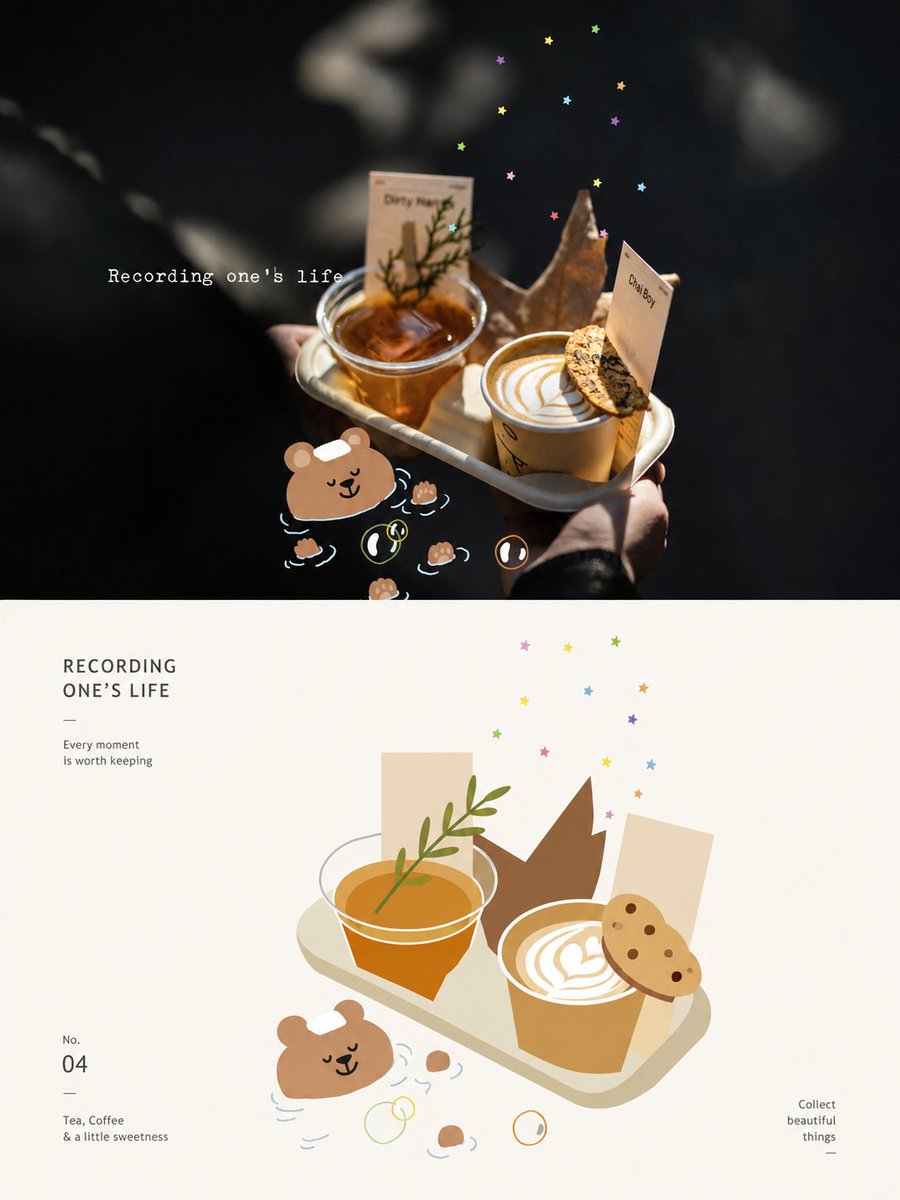
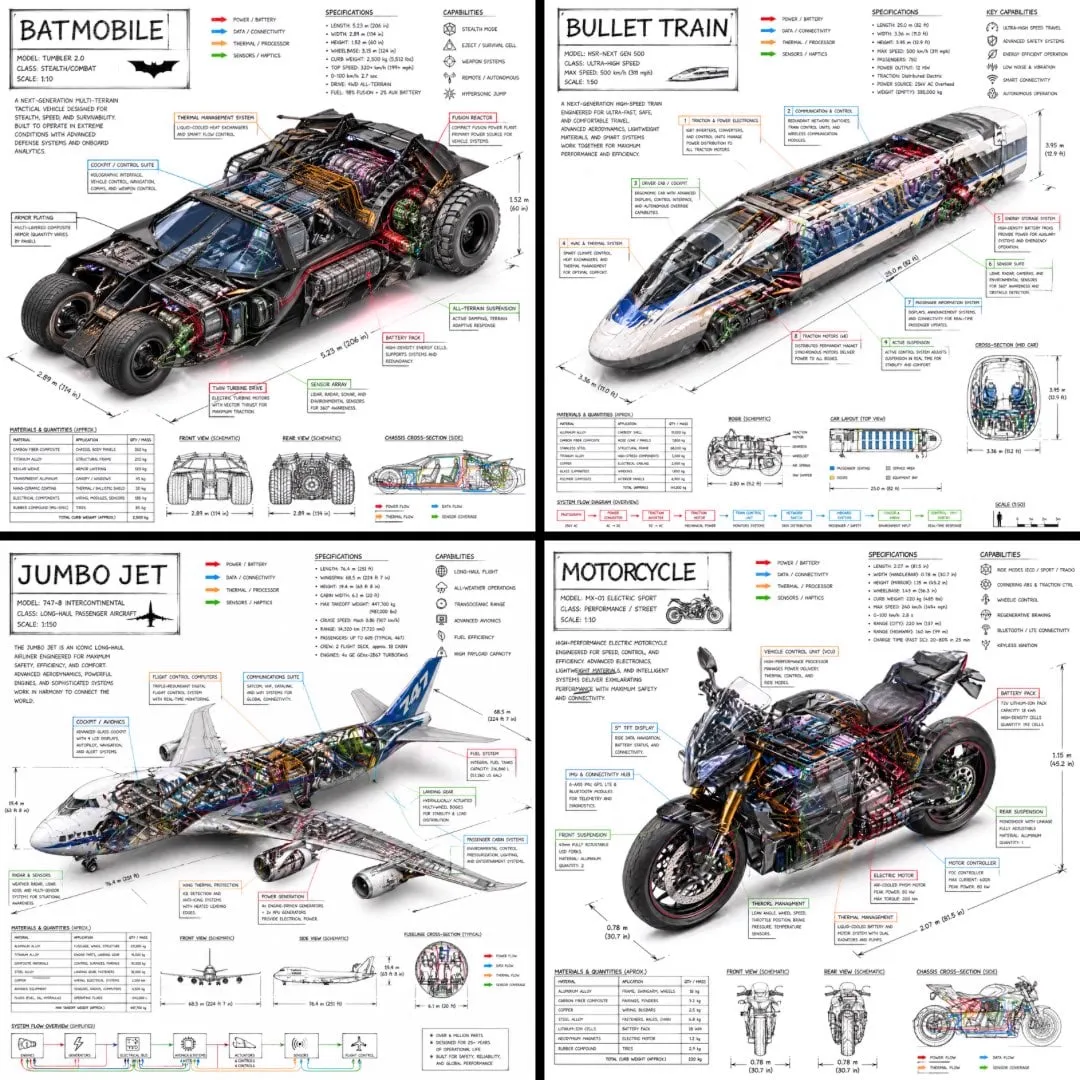
This reality has propelled Non-Photorealistic Rendering (NPR) — the rendering of computer graphics in an artistic style that does not aim for photographic accuracy — into a central position for creative innovation. The primary challenge shifts from technical rendering capability to aesthetic control and output consistency. Creators are moving away from merely generating video clips to directing complex visual stories built on consistent, stylized foundations.
1. The theoretical foundation of AI-accelerated NPR
Deconstructing style translation
AI-driven NPR operates fundamentally by decoupling content (what is happening) from style (how it looks). Traditional computer graphics required laborious manual definition of shaders, lighting models, and texturing layers to mimic artistic styles. Today, large AI models trained on vast datasets of stylized art learn the underlying patterns of these aesthetics.
The key differentiator is fidelity to the target style across multiple frames, which multi-image fusion addresses by ensuring that character designs and environmental textures remain consistent even when the camera or lighting changes drastically. The prompt is now the primary tool for defining the 'shader,' making creativity less about technical coding and more about sophisticated linguistic direction.
- The training methodologies underpinning modern NPR AI focus heavily on contrastive learning to isolate stylistic features from semantic content.
- Consistency management remains the paramount technical hurdle; specialized fine-tuning options lock down stylistic parameters across temporal sequences.
- Platforms providing granular controls allow for near-instantaneous visual feedback loops, drastically accelerating the pre-production phase.
2. The role of specialized models in artistic expression
The sheer variety of generative engines now available offers creators a palette richer than any traditional rendering software suite. Non-Photorealistic Rendering is not a singular technique; it encompasses styles like cel-shading, cross-hatching, pointillism, and abstract expressionism.
Some models might excel at rendering physical realism within an artistic framework, while others might be superior for creating dynamic, reference-driven anime sequences. The selection of the correct base model is arguably the most crucial decision in achieving studio-quality visuals.
- Models with first-to-last-frame control are transformative for NPR animation, allowing creators to define the initial and final stylistic states of a sequence.
- Using photorealistic foundations with specific stylistic modifiers showcases advanced prompt adherence capabilities.
- Specialized models act as refinement passes, injecting specific artistic elements to elevate the output to the desired studio quality.
3. Integrating control mechanisms: from prompt to parameter
Mastering AI-NPR requires moving beyond simple text prompts to leverage deep control mechanisms embedded within platforms and their integrated models. This includes parameters for camera movement, lighting intensity, and material properties — all translated through the NPR filter.
An AI director agent plays a vital role here, interpreting narrative requirements and translating them into optimized parameter sets for the chosen rendering model. The ability to train custom AI models allows studios to lock in their proprietary artistic DNA, a competitive edge in the specialized visual market.
- Video fusion technology is crucial for maintaining character or object identity across style shifts.
- Leveraging multi-image fusion capabilities for consistent character keyframes across styles is a hallmark of professional platforms.
- Advanced prompt modifiers relating to cinematic lens controls allow users to dictate depth of field, focal length, and lens distortion, directly influencing the final NPR aesthetic.
4. Achieving style consistency across complex narratives
Character coherence: the ultimate test
In any studio-quality production, character coherence is non-negotiable. A character rendered as a comic book hero in one scene must retain identifiable features, proportions, and specific artistic line weight when viewed in a stylized oil painting sequence later.
The system manages the metadata derived from the multi-image fusion process, essentially storing an artistic fingerprint for main characters. This fingerprint is then injected as a high-priority constraint when invoking subsequent video generation tasks, regardless of which model is utilized for the new scene.
- Training and publishing custom AI models is essential for distinct brand styles.
- Robust models are often preferred for establishing initial character designs due to their strong handling of object persistence.
Scene cohesion and environmental styling
Beyond characters, studio-quality visuals demand scene cohesion — the consistent application of lighting, atmosphere, and texture across an entire environment, even if different models are used to render distinct elements.
- Multi-reference video capabilities are game-changers for environment styling: by feeding the AI multiple reference images representing the desired environmental mood, the output maintains a visually cohesive backdrop across numerous camera angles.
- The management of the task queue is crucial for cohesion: by sequencing tasks intelligently, stylistic conflicts between separate model calls are minimized.
- Maintaining the selected NPR style under varying lighting conditions is a core test of a successful workflow.
5. Technical deep dive: mastering advanced NPR models
Deep integration of control nets and style seeds
The technical mastery of AI-NPR in 2025 is synonymous with granular control over the underlying diffusion process, specifically through mechanisms like ControlNets and persistent Style Seeds. Platforms facilitate this by allowing users to upload structural guides (e.g., simple line art or depth maps) that the generative process must strictly adhere to.
- Uploading a structure alongside a prompt specifying a cel-shaded style guarantees that the character's action follows the input map precisely.
- Maintaining a Style Seed across different model generations is a sophisticated technique for subtle aesthetic calibration.
- Image processing modules support specific low-fidelity NPR styles, allowing creators to intentionally introduce pixelation as a deliberate stylistic choice.
6. Building a practical NPR workflow
For professional content pipelines, understanding the resource system is integral to mastering studio-quality production economics. High-fidelity, state-of-the-art models carry significant costs, reflecting their computational intensity and superior performance metrics.
Mastering NPR means strategically using these powerhouses only when absolute stylistic fidelity or length is required, such as for hero shots or title sequences. For less demanding segments — like establishing B-roll or background crowd rendering — creators should pivot to highly efficient models.
- Batch generation allows users to process high volumes of lower-cost clips simultaneously, reducing the effective per-frame cost across a long NPR sequence.
- An AI director agent assists by generating a cost-optimized generation plan, mapping scene requirements against the model library.
Conclusion
Mastering non-photorealistic rendering with AI is about turning visual noise into strategic aesthetics. The most important insight is that style standardization, consistency assurance, and accessibility improvements work together to give creators studio-level art direction without the studio budget. Whether you are a solo developer or a major studio looking to experiment rapidly, the tools for distinctive, stylized visuals are now within reach.
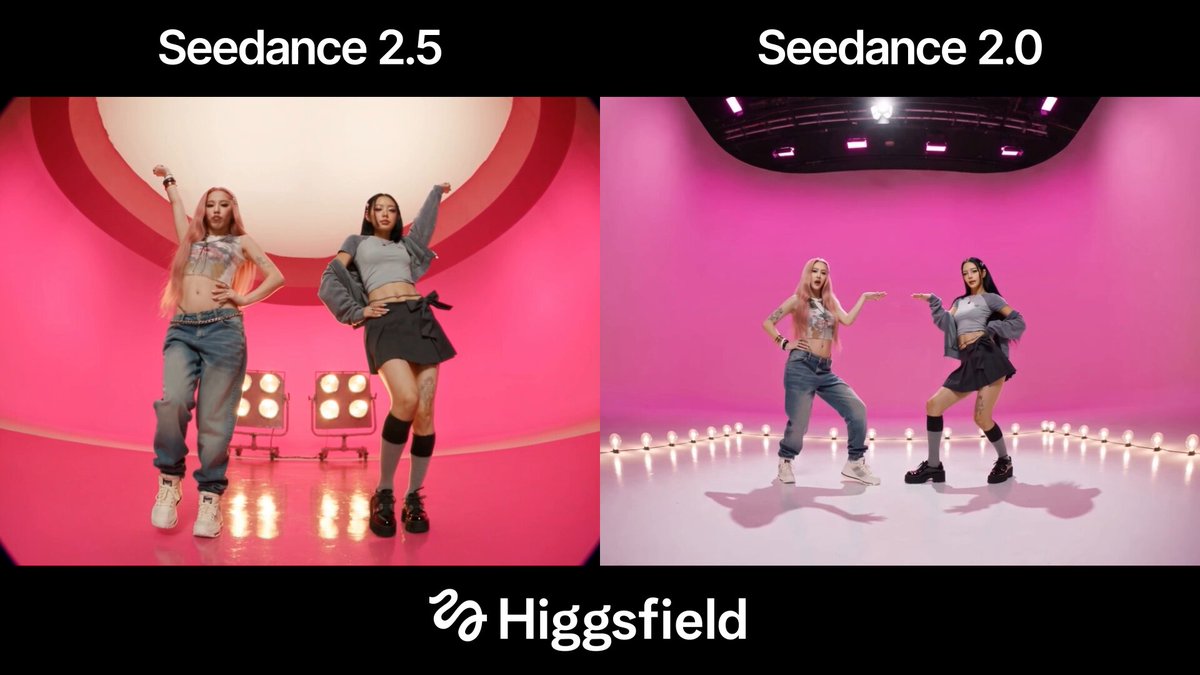
To build your stylized foundation, explore the AI image generator and the AI video generator. Models like GPT Image 2 and Seedance 2.0 add more creative range.
