
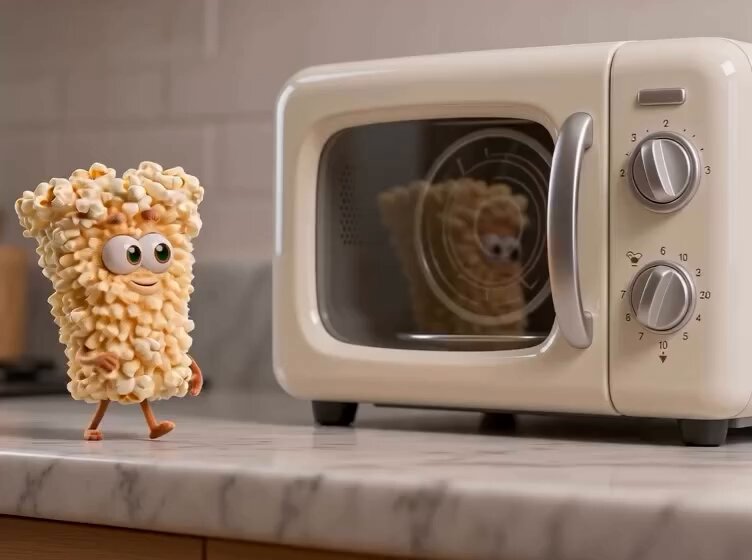
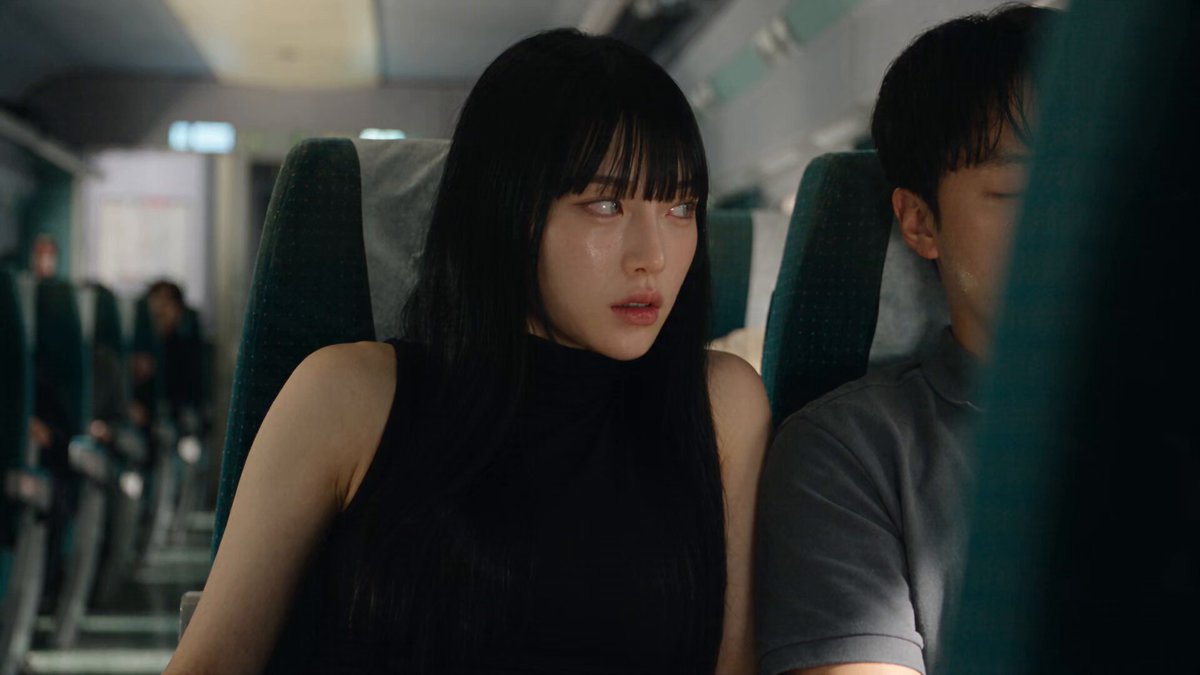
The idea of turning a sentence into a finished movie scene used to be science fiction. Today it is an everyday workflow for creators, marketers, and filmmakers around the world. Text-to-video AI has matured to the point where a well-written prompt can produce footage that looks like it came from a professional studio. This guide explains how the technology works, which models are worth your attention, and how to build a practical production pipeline that turns plain text into compelling video.
Why text-to-video matters in 2025
Video is the dominant format across social media, advertising, and corporate communication. Audiences expect fresh content constantly, and traditional production cannot keep up with the demand. Filming requires cameras, locations, actors, and time; text-to-video removes most of those constraints. A creator can test ten visual ideas in an afternoon instead of waiting weeks for a shoot.
The technology has also crossed an important quality threshold. Early models produced blurry, jittery clips that were only good for novelty. Modern models generate stable scenes with coherent motion, consistent characters, and cinematic lighting. For many use cases, the difference between AI-generated footage and filmed footage is hard to spot. That shift is why text-to-video stopped being a toy and became a professional tool.
The building blocks of a text-to-video platform
Understanding what happens behind the scenes helps you use these tools effectively. A typical platform manages three layers: the model library, the processing infrastructure, and the creative controls.
The model library
No single AI model is best at everything. Some excel at photorealism, others at stylized animation, others at fast, cheap generation. A good platform aggregates many models so you can choose the right engine for each job. This is the most important shift in the industry: instead of learning one tool, you work with a whole toolbox and switch between engines based on the project.
Premium models push the boundaries of realism and are trained on enormous datasets. They handle complex motion, detailed textures, and dramatic lighting, making them ideal for client work and high-stakes campaigns. The trade-off is cost and render time, so most workflows reserve them for final shots rather than experiments.
Mid-tier models focus on coherence and control. They are strong at keeping characters and environments consistent across scenes, which matters for storytelling. Many support reference images, allowing you to anchor a character's face or a product's design and carry it through an entire sequence.
Budget models prioritize speed and volume. They produce shorter clips with fewer details but cost far less per generation. For creators who publish daily, these models are the workhorses; premium engines are used only for the hero shots.
Processing infrastructure
Generating video is computationally expensive. Platforms rely on GPU clusters and task queues to manage demand. When you submit a prompt, it enters a queue and is processed as resources become available. Render times vary with model complexity, video length, and server load. Knowing this helps you plan: schedule heavy jobs ahead of deadlines and use faster models when you are in a hurry.
Creative controls
Modern platforms go beyond the prompt box. You can supply reference images, define keyframes, set camera movement, and control duration. Some systems include an AI director agent that analyzes your script, suggests scene composition, and maintains narrative structure automatically. These tools reduce the guesswork and make the output feel intentional rather than random.
Getting started: a practical workflow
Step 1: Write a clear script
The quality of the output starts with the input. Break your idea into scenes and write a short description for each one. Include the subject, the action, the setting, and the mood. Vague prompts produce vague videos; specific prompts produce usable footage.
Step 2: Create visual references
Before generating video, use image AI tools to design your characters and key objects. A consistent reference image is the foundation of a consistent video. If your project involves a recurring character, spend time on this step; it will save you from regenerating scenes later.
Step 3: Prototype with budget models
Generate rough versions of each scene with fast, inexpensive models. Evaluate the composition, motion, and adherence to the prompt. Discard what does not work and refine the prompts that show promise. Prototyping is where most of the creative iteration happens, and doing it cheaply is a huge advantage.
Step 4: Render the final shots
Once a scene passes the prototype stage, re-render it with a premium model to get the best quality. Because you have already validated the composition, you will not waste expensive renders on ideas that were never going to work.
Step 5: Edit and finish
Generated clips rarely work as a raw deliverable. Cut them into an edit, add transitions, and layer in music, sound effects, or voiceover. AI handles the heavy lifting of generation; you still bring the rhythm, pacing, and storytelling.
Choosing the right models
The current landscape is defined by specialization. If you want the highest fidelity and are willing to pay for it, premium engines such as the Flux series or OpenAI's Sora are the reference points. They produce remarkable photorealism and handle complex prompts with confidence.
If your priority is character consistency and fine control, look for engines with strong image-to-video support and multi-image fusion. Runway, PixVerse, and the Luma family are popular choices because they combine generation with editing tools, letting you refine footage after it is created.
If cost and speed matter most, Asian developers have become serious competitors. Kling AI and Tencent's Hunyuan models deliver excellent prompt adherence at competitive prices, while MiniMax and Pika offer a good balance of quality and affordability for short-form content.
The practical lesson: do not standardize on one model. Keep a shortlist of three or four engines, learn their strengths, and route each task to the right one.
Building a consistent visual identity
The hardest problem in AI video is consistency. A character's face can drift between shots, lighting can shift, and objects can morph. The solution has three parts.
First, use detailed reference images and describe the character's appearance explicitly in every prompt. Second, prefer platforms with multi-image fusion, which combine several references to stabilize identity across scenes. Third, keep a style guide for your project: define the color palette, lighting direction, and camera language in writing, and restate them in each prompt.
For serialized content, such as a branded series or a recurring presenter, consistency is not a luxury; it is the feature that makes the work watchable. Invest the time to get it right on the first episode, then reuse the reference set for every subsequent one.
Common mistakes and how to avoid them
Writing vague prompts
"Make a video of a city" produces generic footage. "Aerial shot of São Paulo at dusk, rain-slick streets, neon reflections, slow push-in" produces something usable. Specificity is the cheapest quality upgrade available.
Ignoring the aspect ratio
Vertical clips for TikTok, Instagram Reels, and YouTube Shorts; horizontal for YouTube and presentations. Choose the format before you generate; cropping an AI video destroys composition.
Regenerating instead of refining
When a shot is almost right, do not restart from scratch. Use image-to-video on the best frame, adjust the prompt, or edit the footage. Many models accept a starting image, which preserves the composition you already like.
Overlooking audio
A silent AI clip feels unfinished. Add voiceover, music, and sound design in the edit. Sound carries a large share of the emotional impact, and it is often what separates amateur results from professional ones.
Frequently asked questions
How long does it take to generate a video?
It depends on the model, the length, and the platform's load. Simple clips can render in under a minute; complex premium renders can take several minutes or more. Budget for queue time on heavy jobs.
Can I use AI-generated videos commercially?
Most platforms allow commercial use, but licensing terms differ. Check each tool's policy, especially if you work for clients or plan to sell the content.
Do I need expensive hardware?
No. Generation happens on the platform's servers, not your machine. You need a decent internet connection and a browser.
Is AI going to replace video editors?
It replaces repetitive work, not judgment. Editors who use AI as a tool become faster and more creative; those who ignore it will struggle to compete on cost and speed.
What is the best way to learn?
Pick one platform, learn its free tier, and make ten small projects. The skills transfer: prompt writing, reference design, and editing judgment matter more than any single tool.
The road ahead
Text-to-video is improving at an extraordinary pace. The next generation of models will handle longer sequences, better physics, and deeper narrative understanding. For creators, the strategy is clear: master the current tools, build reusable reference libraries, and keep a flexible pipeline that can adopt new models as they appear.
The barrier between idea and image has never been lower. Anyone who can write clearly can now direct footage. The winners will be the people who combine that power with taste, consistency, and a real understanding of story.
Building your own toolkit
The fastest way to improve is to build a personal toolkit that encodes what you learn. A toolkit has four parts: a prompt library, a reference library, a model shortlist, and a review checklist.
A prompt library is a collection of prompts that worked, organized by use case: product shots, character introductions, landscape transitions, action sequences. Every time a prompt produces something you love, save it with notes on why it worked. Over months, this library becomes your most valuable asset, better than any template you can buy.
A reference library holds the images that anchor your projects: characters, environments, brand assets. Because consistency depends on references, treat them as first-class files. Name them clearly, store them with their prompt history, and reuse them across projects when possible.
A model shortlist is your personal ranking of engines by task. After testing, you will know which model handles faces best, which one renders water convincingly, which one is fastest. Write it down and update it as models improve. This shortlist turns the confusing model landscape into a simple routing table.
A review checklist is the quality gate between generation and publishing. Before you use any clip, check five things: does the motion look physically correct, is the character consistent with the reference, is the lighting coherent across cuts, does the composition match the intended format, and does the audio fit the mood? A five-point check takes thirty seconds and prevents most embarrassing publishes.
Example: a five-video content sprint
To make the workflow concrete, consider a creator preparing five vertical videos for a week of publishing. The niche is personal finance tips for young professionals.
On day one, the creator writes five scripts, each with a hook, a body, and a call to action. The visual language is decided once: a clean desk setup, warm lighting, a stylized animated character as narrator. Reference images for the character and the desk are generated and stored in the reference library.
On day two, all five scripts are converted into prompts, and every scene is prototyped with budget models. Ten clips are generated per video; the creator selects the best three per script and discards the rest. The rejected clips are not wasted: they inform prompt adjustments for the next round.
On day three, the selected scenes are re-rendered with a premium model, edited to the beat of background music, and captioned. Voiceover is added where the hook needs extra punch. By the evening, all five videos are exported in vertical format.
On day four, the creator publishes and logs the results: which hook held attention, which scenes got shares, which topics earned saves. This data feeds the next week's scripts. The entire sprint takes four days of focused work and produces five publishable videos, plus a body of learning that compounds.
This is the operating rhythm that AI makes possible. The technology does not replace the creator's judgment; it multiplies the number of ideas they can test, which is exactly what the algorithm rewards.
Troubleshooting common generation problems
When output is poor, diagnose before regenerating. If the motion is jittery, the prompt may be asking for too much action in a short clip; simplify the action or extend the duration. If the character's face changes between shots, your reference is not detailed enough or you forgot to attach it; strengthen the reference and restate the description. If the lighting looks inconsistent, the prompt is probably describing scenes without a shared lighting language; add the same lighting keywords to every prompt in the sequence. If the model ignores part of the prompt, the prompt is overloaded; split it into a subject sentence and a style sentence, and test each separately. Most generation problems are prompt problems, and most prompt problems are solved by simplifying.
Frequently asked questions (continued)
How do I handle aspect ratios and resolutions?
Decide before generating. Vertical formats are standard for short-form platforms; horizontal for cinematic work. Many platforms let you choose resolution at submission, and upscaling tools can improve the final export.
Can AI handle dialogue and lip-sync?
Basic lip-sync and voiceover alignment exist and improve quickly, but fully expressive dialogue-driven scenes still require editing care. For now, plan dialogue scenes with simple framing and strong voiceover.
What happens when a new model is released?
Evaluate it against your shortlist with one real project, not a demo. If it beats your current engine on a task you actually do, update the routing table. Adoption should be driven by your needs, not by release buzz.
Do I need to disclose AI use?
Platform rules and local regulations are moving toward disclosure requirements. Be transparent where required, and consider labeling AI-assisted work voluntarily; audiences reward honesty.
The compounding advantage
The real value of a text-to-video workflow is not any single video. It is the compounding effect of iteration: every project teaches you something, every saved prompt makes the next project faster, every reference library entry improves consistency. Six months of consistent practice puts you far ahead of someone who just bought access to a better model. The tools are available to everyone; the advantage goes to those who build systems around them.
