
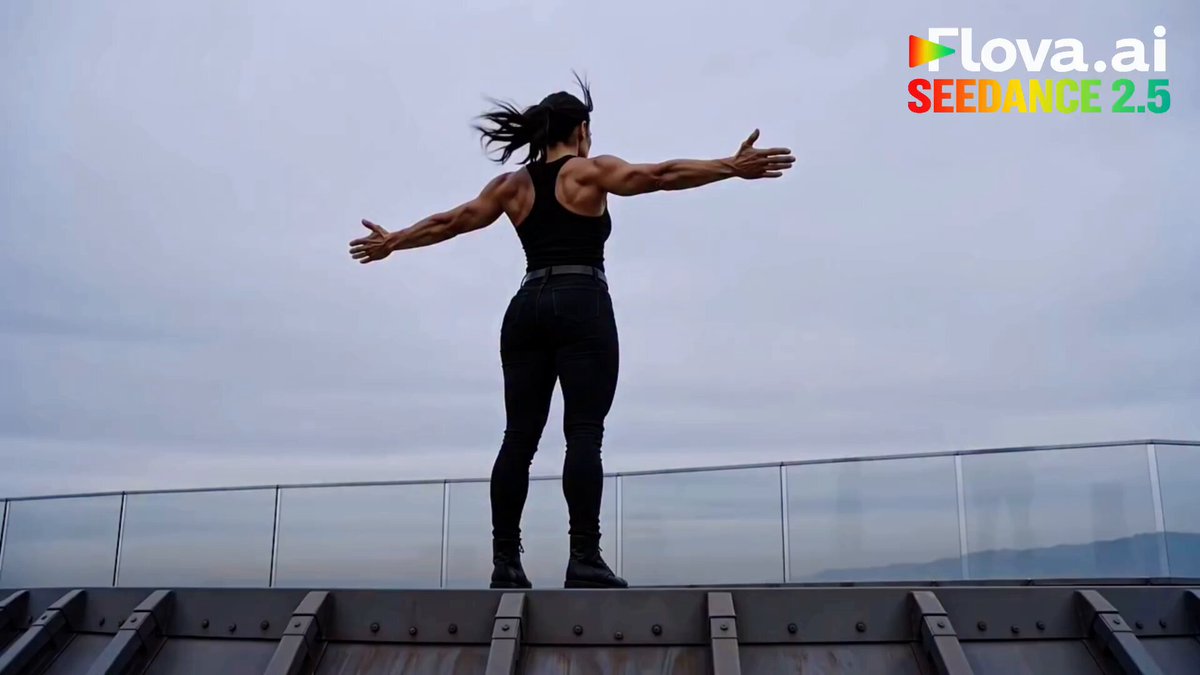

From Prompt to Picture: The New Production Reality
For most of video production history, the path from an idea to a finished clip ran through cameras, crews, studios, and long post-production cycles. Text-to-video changed that equation at the root. Today, a written description can become a moving image in minutes, and the quality bar keeps rising with each new generation of models.
The real shift, however, is not the existence of a single impressive model. It is the emergence of whole libraries of models, each with different strengths, and the workflow discipline required to use them well. A creator who understands how to combine models, when to spend on quality, and how to keep characters consistent can produce work that looks professionally directed without a traditional production team.
This guide explains how a multi-model approach to text-to-video works, how to choose the right tool for each phase of a project, and how to build a repeatable production pipeline around it.
Why Video Generation Became a Core Content Strategy
Video is the format that holds attention longest, and attention is the scarcest resource in digital media. Brands, educators, and independent creators all need a steady stream of video, but traditional production cannot scale to meet that demand. The cost of a single studio day is measured in thousands, and the calendar does not bend.
Text-to-video collapses both cost and time. A concept that once required a shoot can be visualized in an afternoon. A series of social clips can be generated from a single script. Product demos, training videos, explainer animations, and concept previews become routine outputs rather than expensive projects.
The strategic implication is simple: teams that build a repeatable text-to-video workflow can out-produce competitors who rely on manual production. Speed becomes a competitive advantage, and iteration becomes affordable. You can test five visual directions for the price of one traditional rough cut.
How a Model Library Changes the Game
No single model is the best at everything. One excels at photorealistic humans, another at stylized animation, another at complex camera motion, another at speed and low cost. A model library lets you treat these capabilities as interchangeable components rather than making a single bet.
The practical effect is that you can match the tool to the task. For a quick concept check, use a fast model and accept rough edges. For the hero shot of a campaign, switch to a premium model and wait for the extra quality. For a stylized series, lock a model that respects your visual reference. The library turns model selection into a decision you make per shot, not per project.
This approach also protects you from model churn. Generators improve and change constantly; a workflow built around one model becomes fragile the day that model changes. A workflow built around a library, with documented selection criteria, adapts as individual models are added, retired, or upgraded.
Choosing Models Like a Producer
A producer does not book the same crew for every shoot. The same logic applies to AI models. Start by defining the requirements of the shot: the subject, the style, the motion complexity, and the deadline. Then map those requirements to a model's known strengths.
For human subjects with close-ups, favor models with strong identity handling and facial detail. For fast action or complex camera moves, choose models known for motion stability. For brand work, prioritize prompt adherence and consistency with reference images. For internal drafts and experiments, use the fastest option available.
Document your choices. Keep a simple table: model name, strength, weakness, best use case, and observed cost per shot. After a few projects, that table becomes your personal production bible, and choosing a model takes seconds instead of research time.
Balancing Quality and Budget
Video generation consumes computing resources, and resource consumption has a cost. The key to a sustainable workflow is to spend deliberately: cheap experiments first, expensive finals only when the direction is validated.
A common pattern is to prototype with a fast, low-cost model, refine the prompt and the composition, and only then generate the final version with a premium model. The premium model sees a well-tested prompt instead of a rough idea, which means fewer retries and less wasted spend.
Another pattern is to reserve premium models for the shots that carry the most weight: the opening, the product reveal, the emotional climax. Supporting shots, transitions, and backgrounds can use more economical models without hurting the final result. This is the same logic editors use when choosing which scenes justify an expensive effect.
The Role of an AI Director Agent
Beyond raw generation, the most useful recent development is the emergence of director-style agents: systems that help you structure a video before a single frame is generated. You describe the story and the mood, and the agent proposes a shot list, camera moves, pacing, and even model recommendations.
This matters because the hardest part of video production is rarely the pixels; it is the decisions. How many shots? What order? What angle for the reveal? When to cut? An agent that encodes basic cinematography knowledge turns these questions into suggestions you can accept, reject, or adjust.
The agent also teaches. As you review its recommendations, you absorb the grammar of filmmaking: establishing shots, close-ups, reaction shots, pacing. Over time, your own prompts get better because you are thinking like a director, not just like a prompter.
Keeping Characters Consistent Across Shots
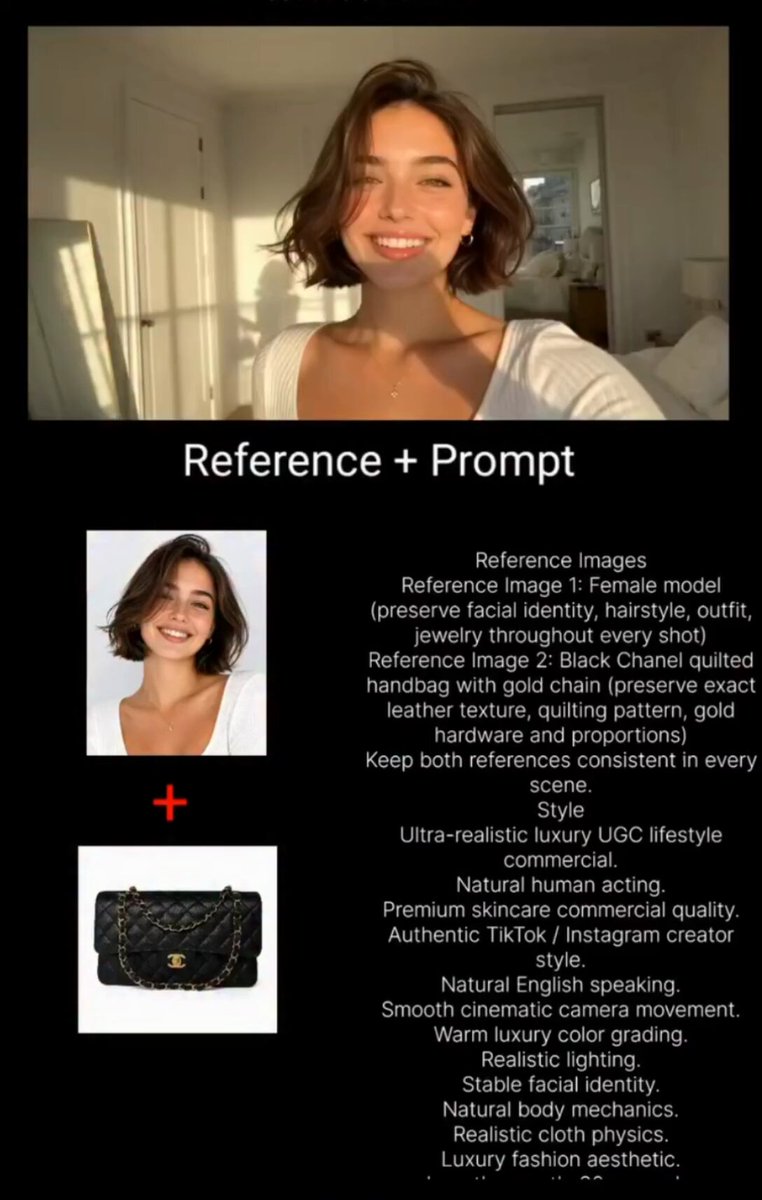
The oldest problem in AI video is identity drift: a character who changes appearance between shots. The solution is reference discipline. Feed the generator multiple images of the same character, from different angles and in different light, and lock the identity before you start producing shots.
For series and brand assets, go further and train a dedicated model on the character. The setup cost is real, but the payoff is a character that survives any scene, any style, any prompt. This is the closest AI video has to a cast of actors under contract.
Consistency is not only about characters. Apply the same discipline to environments, color palettes, and props. A product that changes shape between shots destroys credibility instantly. Build a reference library for your project, and regenerate any shot that drifts instead of trying to patch it in editing.
Building a Repeatable Production Pipeline
A professional text-to-video pipeline has five stages. First, script and storyboard: write the narrative, break it into shots, and generate concept stills that establish the look. Second, reference setup: lock character, style, and environment references. Third, generation: produce each shot with the appropriate model and iterate on prompts. Fourth, assembly: edit the shots into a sequence, add titles and transitions. Fifth, finishing: add music, sound effects, voice, and color correction.
The first two stages determine the quality of everything that follows. A weak storyboard produces wandering shots; weak references produce inconsistent characters. Invest time there, and generation becomes a matter of execution rather than discovery.
Review discipline also matters. Watch the assembled sequence with fresh eyes and judge it as a whole, not shot by shot. Drift, pacing problems, and style mismatches only become visible in sequence. Fix them before you call the project done.
Use Cases Across Industries
Text-to-video with a multi-model workflow is not limited to social clips. In e-commerce, product videos can be generated from catalog descriptions, with each product getting a consistent animated presentation. Marketing teams use it to produce ad variants quickly, testing different hooks, styles, and durations against performance data.
In education and training, script-to-video pipelines turn lessons and internal documentation into explainer videos without a production team. Corporate communications generate updates and onboarding material in multiple languages, reusing the same visuals with different voiceovers. In game development and film pre-production, teams use generated footage as concept visualization, exploring worlds and scenes before committing to expensive builds or shoots.
What these use cases share is volume and iteration. The value is not in one spectacular clip; it is in the ability to produce many good clips, measure what works, and improve continuously. That is precisely what a model library and a disciplined workflow enable.
Automation and Team Workflows
Once a pipeline is stable, the next step is automation. Prompt templates standardize the way shots are requested. Reference libraries are versioned like code, so a character or a style update propagates across the whole catalog. Generation queues let teams submit batches of shots and review them as they complete, keeping human attention on the shots that matter.
Automation works best when it removes repetition, not judgment. Let the system handle the mechanical steps: resizing, naming, batching, basic quality checks. Keep the creative decisions human: which shot to keep, what to regenerate, how to edit the sequence. Teams that find this balance scale their output without scaling their stress.
Documentation is the hidden ingredient. Write down your prompt templates, your model selection table, your reference conventions, and your review checklist. Onboarding a new team member becomes a matter of reading the playbook instead of reverse-engineering your process.
Common Mistakes and How to Avoid Them
The most common mistake is prompt overload: cramming too many actions, subjects, and camera moves into one request. Simplify. One clear action, one subject, one camera move per shot.
The second mistake is skipping the reference phase. Text descriptions of a character are never as stable as images. Build the reference set early.
The third mistake is treating every model the same. Cost and quality differences are real; a deliberate selection strategy saves both money and frustration.
The fourth mistake is neglecting sound. A video without music or effects feels unfinished, no matter how good the visuals. Budget time for audio in every project.
Frequently Asked Questions
How long should a generated clip be? Five to ten seconds per shot is a good starting point. Longer sequences drift, and short shots are easier to control and edit.
Do I need a powerful computer? No. Cloud-based generation handles the heavy lifting; a standard laptop is enough for prompting and editing.
Can text-to-video replace a full production team? For many content categories, yes. For high-end brand work, it augments rather than replaces; human direction and editing still add significant value.
How do I choose between two similar models? Run the same test prompt through both and compare on your specific subject and style. Benchmarks are useful, but your content is the real test.
Is generated video safe for commercial use? Read the terms of each tool carefully. Rights and usage policies vary, and you are responsible for the content you publish.
Measuring Success and Iterating
A production pipeline only improves if you measure it. Track the metrics that matter for your context: time from script to finished clip, cost per minute of video, retake rate per shot, and the engagement or conversion performance of the published content.
Retake rate is especially revealing. If a high percentage of your shots need regeneration, your prompts or references are weak. Fix the input quality before blaming the model. If certain shot types consistently fail on a given model, update your selection table and route those shots elsewhere.
Publishing data closes the loop. The content that performs well tells you which styles, subjects, and formats your audience prefers. Feed those insights back into your storyboard phase. A mature team treats every published video as an experiment, and the pipeline as a laboratory that gets better with each run.
The New Production Mindset
Text-to-video is not a toy and not a threat; it is a new production surface with its own rules. The creators who succeed on it will be those who treat it with the same seriousness as any other craft: clear intent, disciplined workflow, and a willingness to iterate.
The barrier to entry has never been lower, and the ceiling keeps rising. Script an idea, choose the right model, lock your references, and generate. The camera no longer decides who gets to make video; the craft does.
