

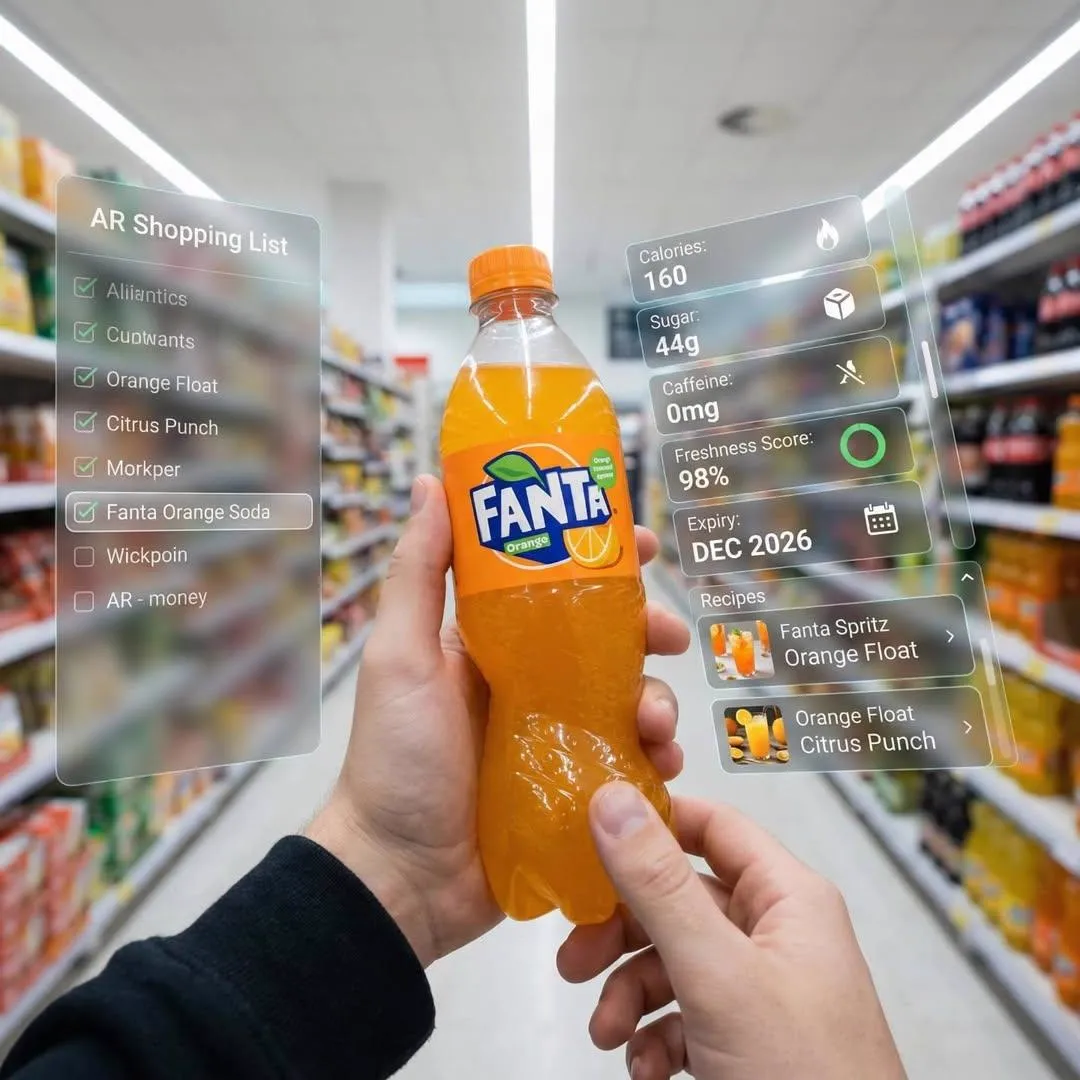
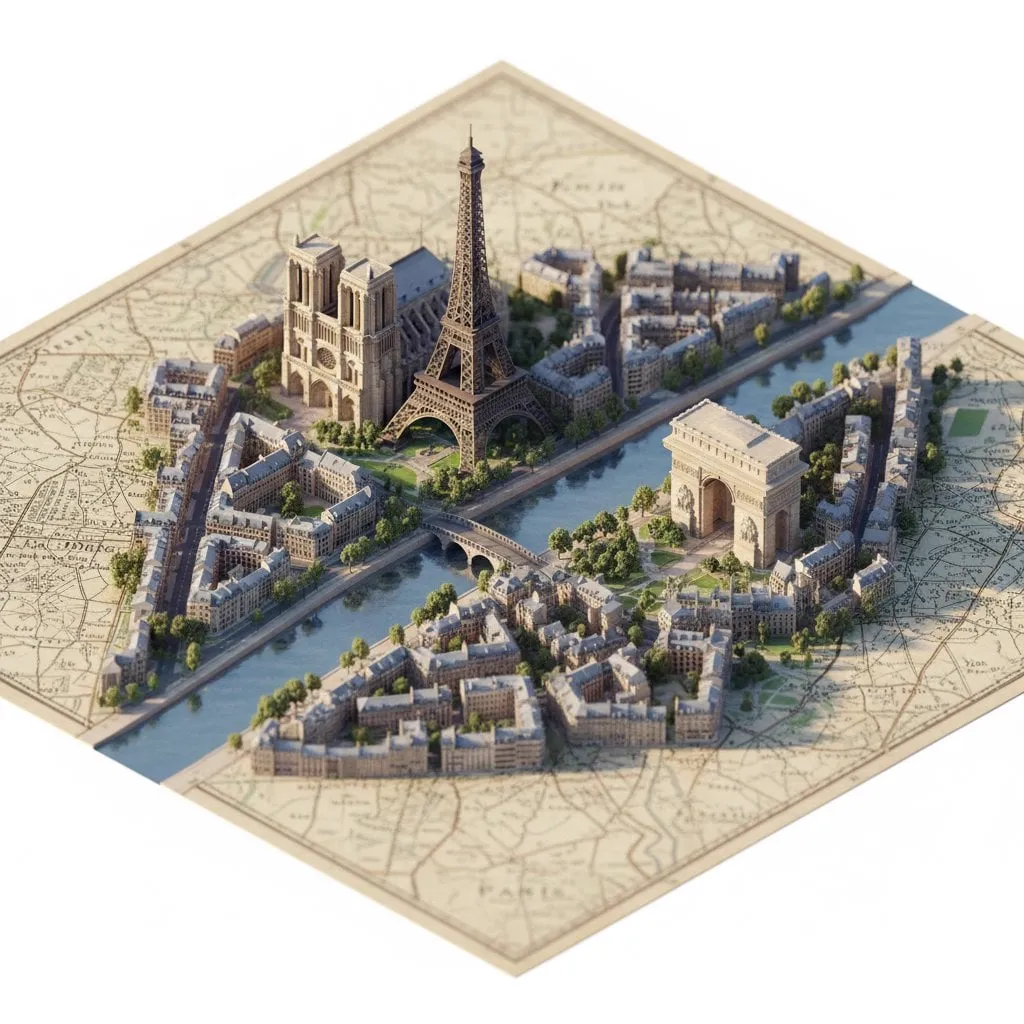
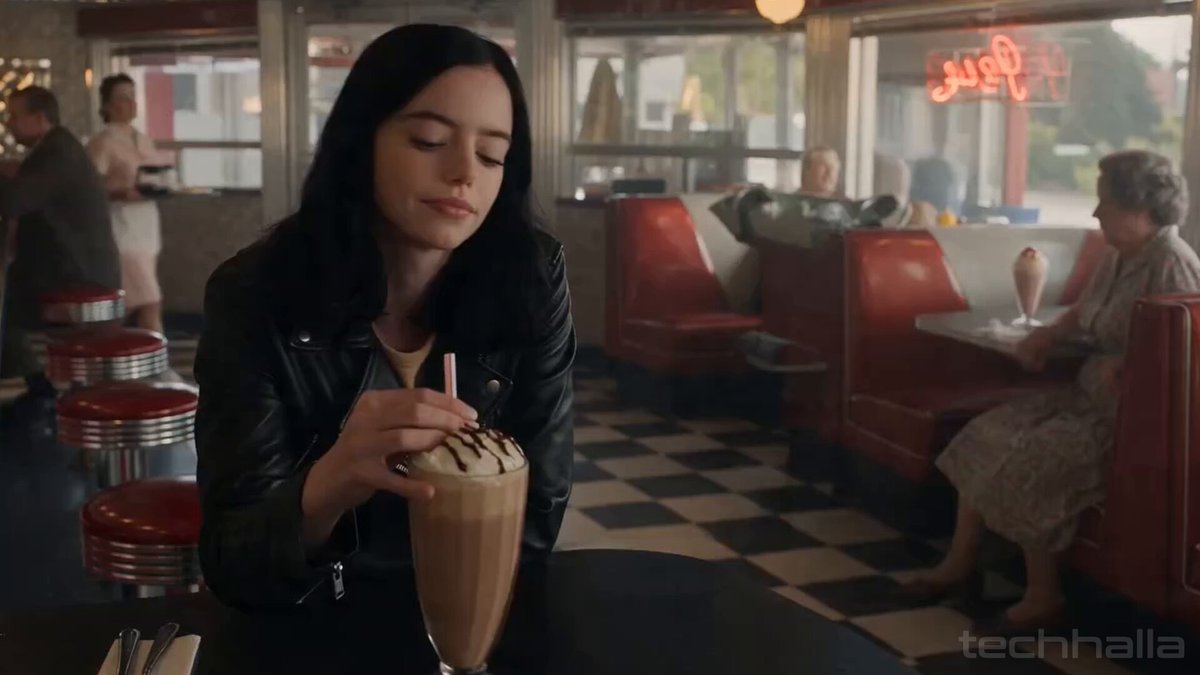
Why text-to-video stopped being a novelty
A few years ago, text-to-video output was a party trick: a six-second clip of a cat surfing, warped faces, impossible physics, and a resolution that looked fine only on a phone held at arm's length. That era is over. Diffusion transformers with stronger temporal attention, larger and better-curated video datasets, and inference stacks that can render a handful of seconds in a commercially reasonable time have moved the technology from demo reel to production floor.
The practical consequence is that the bottleneck has shifted. It is no longer "can we generate this shot?" but "which engine, with which prompt, at which pass, and how do we keep it consistent across the sequence?" Teams now use generated footage for storyboards and previsualization, social cutdowns, ad variants in multiple aspect ratios, product explainers, music videos, podcast b-roll, and full short-form narratives. The work has become editorial and directorial rather than purely technical.
That shift matters because it changes what a creator needs to learn. You do not need to train a model. You need to build a repeatable workflow, understand the bias of each engine, and know when a shot should be generated, when it should be filmed, and when it should be composited in post. This guide lays out that workflow end to end, with decision criteria you can apply to whatever tools are current by the time you read it.
The multi-model reality: no single engine wins every shot
The most common beginner mistake is loyalty. People pick one video engine, learn its quirks, and then force every shot through it, even when another tool would clearly do better. In practice, the video generation landscape behaves like a toolbox: each engine has a personality, a bias, and a sweet spot.
Some engines are tuned for cinematic realism, with convincing skin texture, natural depth of field, and camera motion that feels like a real dolly or gimbal. Others excel at stylized animation, illustration, or anime-adjacent aesthetics. Some handle human subjects well but fall apart on hands and complex machinery. Some generate gorgeous landscapes but struggle to keep a face stable for three seconds. A few specialize in reference-driven consistency, where you supply images of a character or product and the model preserves identity across shots.
Matching the engine to the shot type
A useful mental model is to classify every shot in your script before you generate anything:
- Talking head and dialogue: prioritize identity stability and lip-sync compatibility. Realistically, generated faces still benefit from a dedicated lip-sync pass.
- Product macro: prioritize texture fidelity, specular highlights, and clean focus falloff. Reference-image conditioning is almost mandatory here.
- Landscape and establishing shots: the easiest category. Most engines perform well, so pick the fastest and cheapest.
- Action and motion: prioritize physical plausibility and motion blur behavior. Some engines invent limbs when subjects move quickly.
- Stylized or animated sequences: prioritize stylistic coherence over photorealism. Consistency of art direction matters more than detail.
- Text, logos, and UI on screen: assume the model will get it wrong. Render the graphic separately and composite it.
What to verify before committing to an engine
Demo reels are marketing. Your own footage is evidence. Before you standardize on any engine, run the same five-test battery:
- Temporal stability: does the frame hold steady, or does it shimmer and crawl?
- Subject integrity: generate a face turning, a hand picking up an object, and a person walking toward camera. Count the artifacts.
- Physics plausibility: liquids pouring, fabric folding, objects falling. Watch for impossible acceleration.
- Format limits: maximum duration per generation, supported aspect ratios, output resolution, and whether you can extend a clip.
- Commercial and operational terms: licensing for commercial use, data retention, regional availability, and latency under load.
Run the battery once per quarter. The engines that win today will not all win in twelve months, and a workflow built around a single tool becomes a liability when that tool changes its output style or pricing model.
A repeatable workflow: from brief to first cut
Generating clips is easy. Producing a sequence that holds together is a process. The following four-stage workflow scales from a solo creator making a thirty-second social spot to a small team producing a five-minute brand film.
Stage one: write the shot list before you write the prompt
Prompts are downstream of decisions. Before opening any generation tool, write a shot list with a column for each of the following: shot ID, target duration, subject, action, camera behavior, location, lighting, and whether the shot needs a reference asset. Add a column for "generation risk" — high, medium, or low — based on how difficult the shot is likely to be.
This one spreadsheet prevents the most expensive failure mode in AI video: generating beautiful clips that cannot be edited together because they contradict each other in lighting, wardrobe, or geography. A shot list also tells you where to spend your budget. A three-second transition does not need the most expensive, slowest engine on the market.
Stage two: build a reference bible
Consistency is a reference problem before it is a prompt problem. Collect the following in a single folder:
- Character sheets with at least three angles per person, plus one neutral expression and one three-quarter view.
- Product photography on a plain background, plus one in-context lifestyle shot.
- Location plates: wide, medium, and detail frames of each setting.
- A style frame set: four to six stills that define color, contrast, and grain.
- A written style paragraph that describes the look in words you will reuse verbatim in prompts.
The written paragraph matters more than people expect. If your prompt vocabulary drifts between shots — "moody teal office" in one, "cold corporate interior" in the next — the model will produce two different worlds. A fixed style sentence, copied into every prompt, is the cheapest consistency hack available.
Stage three: generate in passes
Resist the urge to generate hero-quality footage on the first attempt. Work in three passes:
- Concept pass: short, low-resolution, cheap generations to test composition, framing, and motion. You are looking for the shape of the shot, not the finish.
- Hero pass: once composition is locked, regenerate at full resolution with the reference assets attached and the final prompt. Expect several attempts per usable clip.
- Coverage pass: generate two or three alternates of each hero shot so your editor has options. Editors who receive exactly one clip per shot always wish they had more.
Stage four: assemble, then repair
The instinct to perfect each shot before editing is a trap. Cut the sequence together first with placeholder clips, and you will discover which shots actually matter. Half the shots you agonized over may be trimmed to eight frames or cut entirely.
Once the cut is locked, repair rather than regenerate. Inpainting, region replacement, frame interpolation for slow motion, object removal with masks, deflicker, and AI upscaling can all rescue a shot that is 90 percent correct. Regenerating from scratch throws away the performance you liked along with the flaw you did not.
Prompt architecture: directing motion, not just describing images
Image prompts describe a moment. Video prompts describe a change over time. That distinction is the single biggest reason newcomers get static, lifeless results.
Subject, action, camera, light, texture
A reliable prompt skeleton is: shot size + subject + specific action + camera behavior + lighting + texture reference + pacing. For example:
Medium close-up of a ceramicist's hands shaping a bowl on a spinning wheel, hands pressing inward slowly, camera locked off with a subtle rack focus from hands to wheel, warm window light from the left, fine clay dust in the air, shallow depth of field, 35mm film grain, steady continuous take.
Compare that with "potter making a bowl, cinematic." The second prompt gives the model nothing to time. The first gives it a subject, an action with a direction, a camera instruction, a light source, and a duration implied by the phrase "steady continuous take."
Pacing and duration language
Most engines respond to temporal cues, even if they do not advertise them. Phrases worth testing include "slow push in," "single continuous take," "handheld follow shot," "the subject turns to camera at the end," and "motion settles to stillness in the final second." If a clip feels rushed, lengthening the described action usually helps more than adjusting the duration parameter.
Negative prompts and failure modes
Not every engine supports negative prompts, but every engine has predictable failure modes: morphing faces, duplicated limbs, melting hands, textures that crawl like static, and objects that change shape when the camera moves. Where negatives are supported, be specific: "no warping, no extra fingers, no text, no camera shake." Where they are not, encode the same intent positively — "clean anatomical detail, stable camera, plain surfaces" — and plan a post-production repair for anything critical.
Consistency across shots: the hardest problem in AI video
A sequence is not a collection of good clips. It is a set of clips that appear to come from the same shoot. Four techniques do most of the heavy lifting:
- Seed and session locking: reuse the same seed and the same account session where possible. Small changes in environment can shift output subtly.
- Reference conditioning: attach character and product images to every generation, not just the first.
- First-frame and last-frame control: generate a still you like, use it as the opening frame, then use the closing frame of the previous shot as the opening frame of the next. This creates seamless geography.
- A unified color grade: even perfectly consistent generations benefit from a single LUT or grade applied across the timeline. Grading hides small differences in contrast and color temperature better than any prompt.
A fifth technique is editorial: avoid cutting directly between two shots of the same subject from the same angle. Cut away, cut to a detail, or cut on motion. Viewers forgive inconsistency they do not have time to notice.
Characters, products, and brand assets
Characters and products are where AI video projects succeed or fail commercially. Both are identity problems, and identity is best solved with references rather than adjectives.
For characters, build a lock sheet: three angles, two expressions, one wardrobe description that never changes mid-scene. Keep dialogue-heavy moments for tools that specialize in lip synchronization, and generate the performance separately from the speech. Extreme expressions — shouting, crying, wide laughter — are where identity drift shows up first, so block those shots close to the camera and keep them short.
For products, assume the model will invent details. Logos, serial numbers, and label text are still unreliable. Generate the product without text, then composite the real packaging artwork in post using motion tracking. For hero product shots, consider a hybrid approach: generate the environment and lighting, then composite real product photography into the frame. Audiences cannot tell, and legal teams stay calm.
Budgeting time and compute without wasting either
The economics of AI video are less about unit price than about iteration count. A realistic planning assumption for a complex shot is three to eight attempts before you get something usable, and two to four times that for shots involving faces in motion, complex hands, or precise product geometry.
Three habits keep iteration costs predictable:
- Draft cheap, finish expensive. Never iterate at maximum resolution. Lock composition at low cost, then spend on the final pass.
- Keep a generation log. Record the engine, the prompt, the seed, the reference assets, and the attempt number for every clip you keep. When a client asks for a variant six weeks later, the log is worth more than the footage.
- Time-box exploration. Give each shot a fixed number of attempts. If it is not working, change the approach — different engine, different framing, or shoot it practically — rather than grinding the same prompt.
Quality control checklist before export
Run every sequence through the same checklist. It takes ten minutes and prevents most client revisions:
- Watch at full speed with sound off, then at half speed. Artifacts hide at one speed or the other.
- Check the first and last frame of every clip. Generators often drift in the final half second.
- Confirm aspect ratios and safe areas for each delivery platform.
- Verify that faces, hands, and text remain stable on a large screen, not just a laptop.
- Listen for audio sync drift if you added voice or music.
- Confirm that all reference assets used were licensed for commercial use and that generated footage meets your client's disclosure requirements.
- Export a low-resolution review copy and a high-bitrate master separately.
Common mistakes and how to avoid them
- Prompting one shot at a time with no plan. Fix: write the shot list first.
- Chasing photorealism in every frame. Fix: some shots are stronger as motion graphics, stills with parallax, or practical footage.
- Ignoring sound design. Fix: generated video feels amateur without room tone, foley, and a music bed. Audio does more for perceived quality than a resolution bump.
- Over-cutting. Fix: AI clips work best at two to four seconds. If a clip is beautiful, let it breathe.
- Treating the first good generation as the final. Fix: always produce alternates.
- Using one engine for everything. Fix: re-run the five-test battery quarterly and reassign shot categories.
- Skipping the grade. Fix: apply a single grade across the timeline before you show anyone.
FAQ
How long does a five-minute AI-generated video take to produce?
For a solo creator, plan on two to five working days including script, shot list, generation passes, and edit. Complex character work can double that. The generation itself is rarely the slow part; review, selection, and repair are.
Do I need to be good at prompt writing to get results?
You need to be specific and consistent, which is closer to writing a shot list than writing prose. Reusable prompt templates and a fixed style paragraph will get you further than clever vocabulary.
Should I generate at the highest resolution available?
No. Generate drafts at the lowest resolution that lets you judge composition and motion, then finish only the shots that survive the edit. Upscaling a good low-resolution generation usually beats regenerating at maximum resolution.
How do I keep a character consistent across many shots?
Use reference images from multiple angles, reuse the same seed and session, keep wardrobe and lighting language identical in every prompt, and lock the look with a single color grade at the end.
Can I use generated video commercially?
Terms vary by engine and change over time. Check the current license for each tool you use, keep records of your assets and prompts, and disclose generation where your client, platform, or industry requires it.
What is the fastest way to improve output quality?
Improve the input. Sharper reference images, a written style guide, and a proper shot list will lift quality more than switching engines or adding prompts.
When should I not use AI video?
When the shot requires a real person speaking at length, precise branded text, regulated claims, or a documentary record of an actual event. In those cases, generate the environment and shoot the subject.
Where to start this week
Pick a single thirty-second concept and take it all the way through the workflow: shot list, reference bible, concept pass, hero pass, edit, grade, sound. Do not try to build a system in the abstract — the friction only becomes visible when you assemble a real sequence. Once that thirty seconds works, document what you did in a template file, and the next project will take a fraction of the time. The tools will keep changing; the workflow, the shot list, and the reference bible are the parts that compound.
