

The Transition Problem: More Than a Cut
Every video is a sequence of shots, and every cut is a decision. A hard cut says "next thing now." A fade says "time has passed." A whip pan says "same world, different place." Transitions are the punctuation of video editing — and for short-form content, they are often the difference between a video that feels professional and one that feels like a slideshow.
The problem is that good transitions used to be hard. Premium transition packs were expensive, licenses were confusing, and applying them correctly required a deep understanding of motion, timing, and keyframes. The good news is that the landscape has changed. There are now high-quality free and low-cost packs, clear licensing models, and AI tools that generate transitions on demand. What has not changed is the need for taste: a transition that does not serve the story is noise, no matter how slick it looks.
How Transitions Shape Storytelling
Before choosing any effect, understand what transitions do narratively. A transition tells the audience how two shots are connected. Smooth, invisible transitions say the story flows continuously. Bold transitions say something has changed — time, place, mood, scale. The best editors choose transitions the way they choose words: to say exactly what the story needs.
This is why the "fancier is better" instinct fails. A glitch effect between two serene nature shots confuses the audience. A simple cross-dissolve between two emotional moments works because it matches the tone. The discipline is to classify your cuts by intent — continuity, passage of time, scene change, emphasis — and match the transition to the intent, not to your favorite effect.
Types of Transitions You Should Know
Narrative and smooth transitions
These are the workhorses of storytelling: cuts, cross-dissolves, fades, and match cuts. Cross-dissolves signal the passage of time or a soft link between ideas. Fades open and close scenes. Match cuts — where the composition of one shot visually matches the next — create the famous "then and now" or "object becomes object" effects. These transitions are easy to overuse; their power comes from restraint.
Dynamic and high-energy transitions
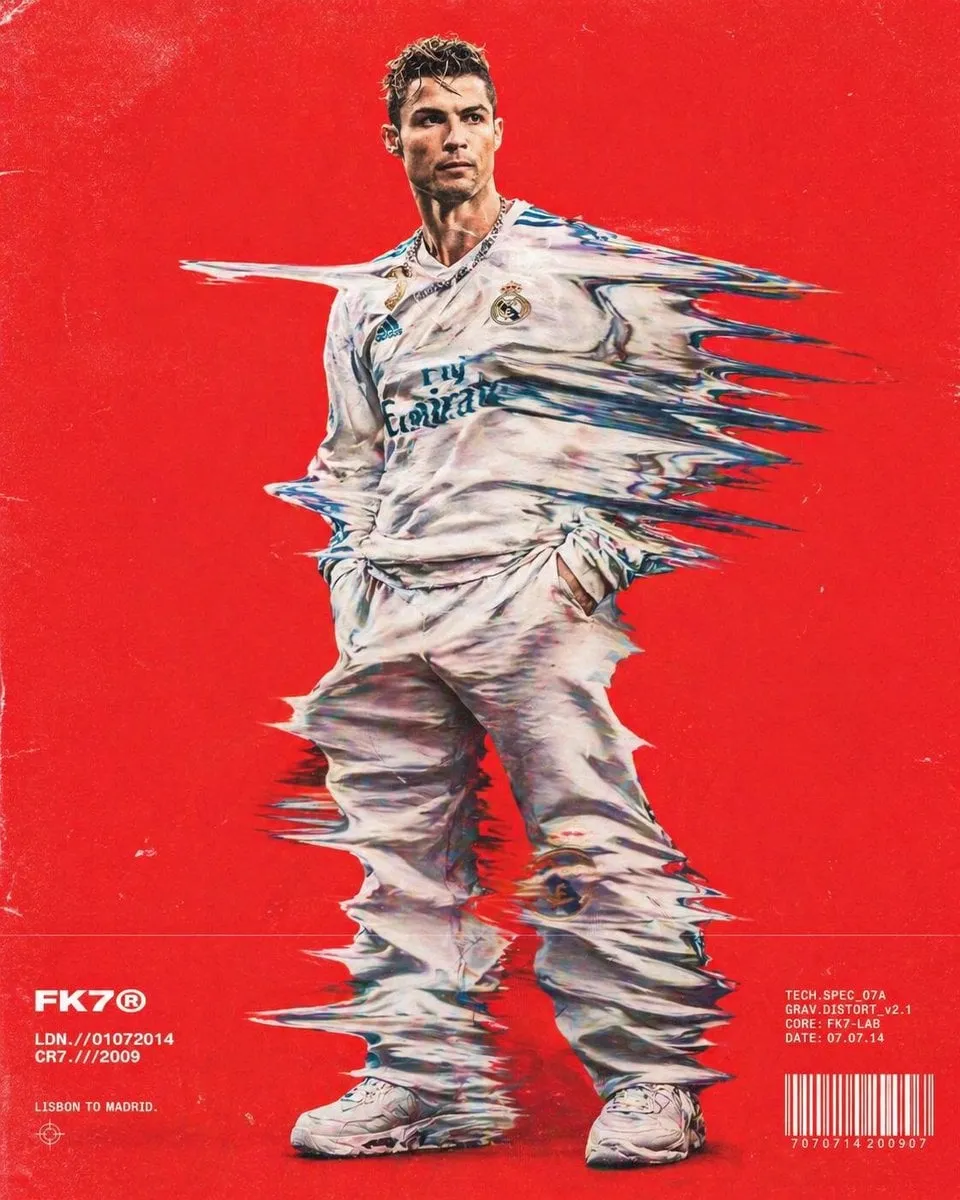
For short-form content, energy is currency. Whip pans, zooms, slides, glitch effects, and spin transitions keep the pace high and signal that the video is moving. These work best on beat: timed to the music, hitting on the downbeat, matching the rhythm of the edit. Dynamic transitions fail when they are random. Timed to the track, they feel intentional and professional.
AI-generated and experimental transitions
AI has opened a new category: transitions that are generated on demand, often from a description. You can ask for a transition that morphs one scene into the next, or a camera move that connects two spaces, and the AI produces a clip designed for that exact junction. These tools are especially useful for matching the style of AI-generated footage, where traditional transitions can feel out of place. The catch is control: generated transitions need review, because the AI does not know your story.
Where to Find Quality Transition Packs
Quality packs come from three places: free libraries, paid marketplaces, and creator communities. Free libraries are great for getting started and for the most common effects — dissolves, fades, basic wipes. Paid marketplaces offer professionally designed packs with consistent aesthetics, often organized by theme: cinematic, glitch, minimal, retro. Creator communities share custom transitions and tutorial-driven effects that you can rebuild yourself.
The rule for choosing a pack: look for consistency, not quantity. A pack of twenty effects that share a visual language is more useful than a pack of two hundred random effects. Preview everything, check the license, and test the pack on your own footage before buying — a transition that looks great in the demo can look wrong on your specific clips.
Licensing: What You Can and Can't Use
Licensing is where amateurs get burned. A "free" pack can be free for personal use only, or free with attribution, or fully free for commercial work — and those are very different things. Before using any transition pack, check the license terms: personal versus commercial use, attribution requirements, and whether you can use the effects in client work or only your own content.
For AI-generated transitions, the rules are still settling. Assume that whatever you generate is yours to use in your own projects, but check the platform's terms for redistribution, training, and commercial use. When in doubt, ask. A few minutes of due diligence prevents takedowns, fines, and client disputes that cost far more than a licensed pack.
How to Apply Transitions in Your Editor
The technical application is usually simple: drag the transition onto the cut point in your timeline and adjust its duration. But the difference between amateur and professional results is in the details.
First, duration. Most editors default to one second; most good transitions are shorter — four to eight frames for whip pans and glitches, half a second to a second for dissolves. Second, placement: transitions work on the cut, not over it — the effect should bridge the two clips, starting slightly before the cut and ending slightly after. Third, alignment: for dynamic transitions, align the effect's peak with the music beat. Zoom your timeline to see the frames, and nudge the transition until it lands exactly on the beat. That precision is what makes an edit feel expensive.
Matching Transitions to Tone and Genre
Genre dictates transition grammar. Corporate videos favor dissolves and soft wipes — anything jarring reads as unprofessional. Vlogs and lifestyle content tolerate playful transitions: zooms, spins, quick wipes. Music videos and dance content live on beat-synced cuts and motion transitions. Gaming and tech content embraces glitches and fast slides. Horror uses slow, uneasy transitions — and the hardest cuts of all.
The fastest way to develop taste is to analyze the content you admire. Watch a favorite creator with the timeline open, and mark every transition: what type, how long, where in the rhythm. You will quickly see patterns — and you will start noticing when a transition is wrong. That awareness is the skill; the effects are just assets.
Building a Personal Transition Library
Stop re-searching every project. Build a library of transitions you trust, organized by type and mood: narrative, dynamic, glitch, minimal, retro. Keep the best packs, delete the rest, and note where each effect works best. Add your own custom transitions — a signature effect is a powerful branding tool for a creator.
For AI-generated transitions, keep a prompt file: the descriptions that worked, the model settings, the length and style notes. Over a few projects, this library becomes a competitive advantage. You will edit faster, choose with more confidence, and develop a recognizable style — which is exactly what keeps audiences coming back.
Sharpening Your Craft: Timing, Systems, and Platform Culture
A Transition Timing Cheat Sheet
Timing is the difference between a transition that feels intentional and one that feels like a mistake. Use these numbers as starting points. Hard cuts: always on the beat or on the action. Whip pans and slides: eight to twelve frames, peak aligned with the beat. Glitches: four to eight frames, usually with a sound spike. Dissolves: half a second to one second, slower for emotional scenes. Fades to black: one to two seconds for scene endings. Zooms and spins: six to ten frames for dynamic content, longer only when the story needs it.
These are starting points, not rules. The real test is watching the transition twice: once looking at the effect, once looking at the story. If the effect dominates on the second pass, shorten it. If the story flow breaks, lengthen it.
Case Study: Rebranding a Channel with a Signature Transition
A YouTube channel was struggling with brand recall: viewers liked the videos but could not name the channel. The fix was a signature transition — a short, three-frame glitch with a specific color shift, used only at one moment in every video: the transition into the intro segment. Within a few months, the transition had become a visual shorthand in comments and community posts. The lesson: a consistent, specific transition used deliberately is a branding device, not just an edit.
Troubleshooting Common Transition Problems
Three problems dominate. First, transitions that look "stuck on" — the fix is almost always alignment: the effect is not timed to the motion or the beat. Nudge it frame by frame. Second, transitions that feel slow — shorten them; most transitions lose their punch past twelve frames. Third, transitions that clash with the footage style — if your footage is handheld and gritty, a polished 3D transition will look wrong; match the effect to the visual language of the footage.
Creating Your Own Transitions from Scratch
The most distinctive transitions are the ones you build yourself. Start simple: duplicate a clip, add a blur, and animate its position across the cut. Add a color grade on the second half. Layer a sound effect. You do not need advanced software — most editors support basic keyframing. The advantage of homemade effects is that they match your content exactly, and they cannot be traced to a template pack.
Building a System, Not Just a Project
Editors who treat transitions as a one-time concern rebuild the same knowledge for every video. The professional approach is a system: a saved project template with your preferred transition presets, a folder of licensed packs organized by mood, a sound library with named whooshes and impacts, and a written style note for each client or channel. With that system in place, choosing and applying the right transition takes seconds instead of a research session. The visible result is a consistent, recognizable editing style — the invisible result is that you get your evenings back.
Matching Transitions to Platform Culture
The same transition can read differently on different platforms. Short-form feeds reward bold, fast effects that signal energy in the first seconds; longer formats tolerate slower, more narrative transitions. Before applying effects, ask which platform the video targets. A channel built on calm storytelling should not adopt glitch-heavy transitions just because they are trending; a high-energy feed should not slow down with long dissolves. Platform awareness is part of the editor's craft: the transition serves the context, not just the clip. When in doubt, test the edit on the target platform with the target audience — their reaction settles the argument faster than any theory.
The Cost of Over-Transitioning
There is a real cost to using too many effects, and it is not just aesthetic. Every transition adds a small interruption to the information flow: the audience must re-orient after each effect, and repeated re-orientation burns attention. A video with a transition every two seconds feels frantic even if the content is calm. The discipline is subtraction: use the strongest transition per scene, let simple cuts carry the rest, and reserve the elaborate effects for moments that genuinely matter. The most professional-looking edits are often the ones with the fewest visible effects — the audience feels the pacing without noticing the technique. If you must choose between more effects and better timing, choose better timing every time.
FAQ
Are free transitions good enough?
For most projects, yes. Free libraries cover the essentials well. Paid packs add polish and consistent aesthetics; buy them when you need a specific look for client or brand work.
How long should a transition last?
Shorter than you think. Eight frames to half a second for dynamic effects, up to a second for dissolves. Long transitions feel sluggish unless the story deliberately needs them.
Can I use transitions in client work?
Only if the license allows commercial use. Check every pack's terms, and keep records of your licenses for client projects.
Do AI transitions look professional?
They can, especially when matched to AI-generated footage. Review them carefully, because AI does not understand your story — you do.
How do I know a transition is wrong?
If you notice the effect instead of the story, it is probably wrong. Transitions should serve the narrative; when they dominate it, they are noise.
