


Retention Is the Product, Not the Video
Short-form feeds do not distribute videos; they distribute attention. Every recommendation system is trying to answer one question: if we show this clip to one more person, will that person stay? Everything else — likes, comments, shares, saves — is downstream of that single signal. Creators who internalize this stop asking "how do I make my video better?" and start asking "where does the viewer almost leave, and how do I make that moment impossible to leave?"
That reframe changes your production order. You no longer start with footage, a filter, or a generator. You start with a map of attention: a hook that earns the first second, a promise that earns the next five, a payoff that earns the last three, and a loop that earns a rewatch. Only then do you decide which tool produces which asset.
AI changes the cost of that decision, not the decision itself. Generating fifteen background shots in one afternoon does not help if none of them serve the pacing. Generating one shot that lands exactly on the beat does. The practical skill in modern short-form production is prioritization: knowing which second of the video deserves your effort and which seconds can be handled by automation without anyone noticing.
Treat the video as a retention curve you are designing on purpose. Sketch it before you open any app. Most production problems are actually planning problems that were exported into an editor.
The Anatomy of a Short-Form Video That Travels
The first 1.5 seconds decide everything
A hook is not a title card; it is an interruption. The strongest hooks work without sound, which matters because a large share of viewers start muted. Test your opening frame as a still image: if a stranger cannot tell what is at stake from that frame alone, the hook is decorative.
Three hook patterns survive across niches. The contradiction hook opens with a claim that conflicts with what the audience believes ("your laptop is not slow — your startup apps are"). The mid-action hook drops the viewer into a moment that has already started, forcing the brain to reconstruct context. The result-first hook shows the finished outcome, then rewinds to explain it. Each fits a different content type: contradiction for education, mid-action for storytelling, result-first for tutorials.
Keep the spoken opening line under eight words. On-screen text can be slightly longer, since reading is faster than listening, but two lines is the limit before it becomes a wall.
The middle needs pattern breaks every three to four seconds
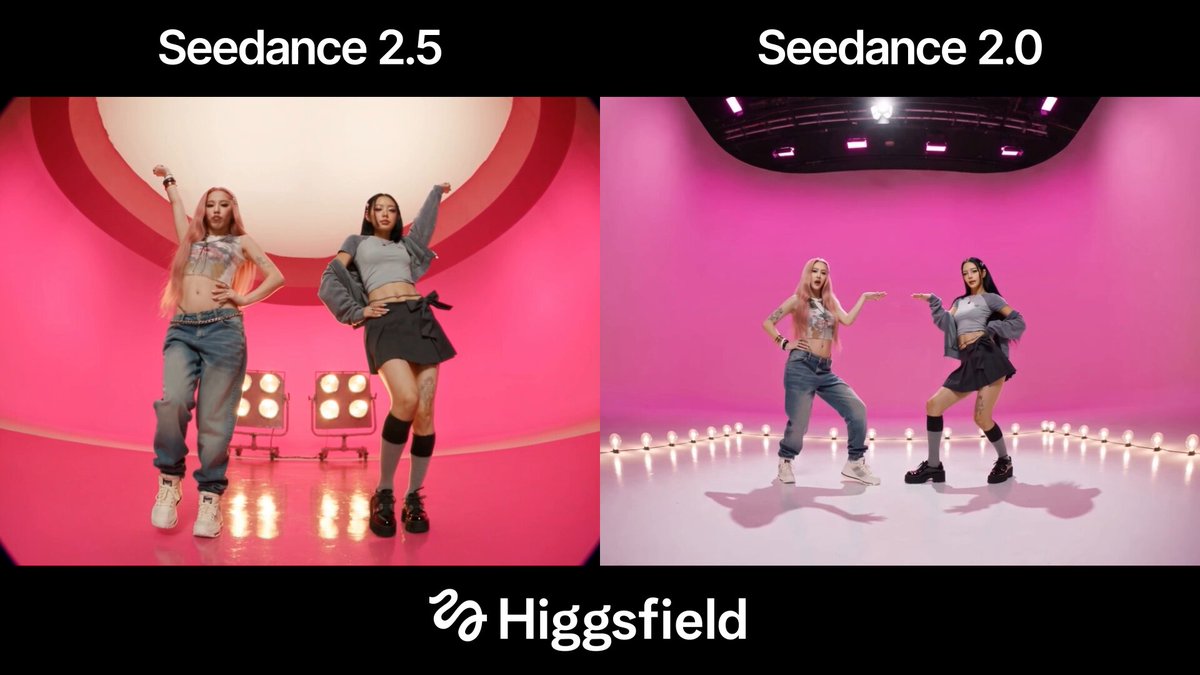
Attention decays on a predictable rhythm. Change something on a fixed interval: camera distance, background, text placement, or who is speaking. You do not need a hard cut every second — that produces noise — but the viewer's eye needs a new place to land. Short clips generated with an AI video tool are an efficient way to fill these breaks, because you can produce variations of the same subject with consistent lighting instead of scavenging stock footage that clashes with your color grade.
The final two seconds are a loop device
The cheapest rewatch you can earn is the one where the viewer does not realize the video restarted. End on the same visual or the same sentence you began with. The loop makes the clip feel complete and unfinished at once, which is exactly the state that produces a second play.
Building an AI-Assisted Workflow That Does Not Feel Generic
Step 1: Harvest hooks before you write anything
Spend twenty minutes reading comments on videos in your niche rather than watching the videos themselves. Comments contain the exact language your audience already uses to describe their problem. Save ten phrases verbatim. If three of them make you uncomfortable with how blunt they are, you have found usable material.
Step 2: Script for the ear
Read every line aloud before you commit to it. Cut adjectives, cut throat-clearing, keep one idea per sentence. A script that reads well often sounds stiff, because written rhythm and spoken rhythm are different instruments. Target 130 to 150 spoken words per minute; anything faster gets compressed by viewers and anything slower loses them.
If you use a language model to draft, give it constraints rather than a topic: word count, reading level, a ban on the words "unlock," "elevate," and "delve," and an instruction to end the last line in a way that loops back to the first. Generic output is usually a symptom of generic input.
Step 3: Generate visuals in matched batches
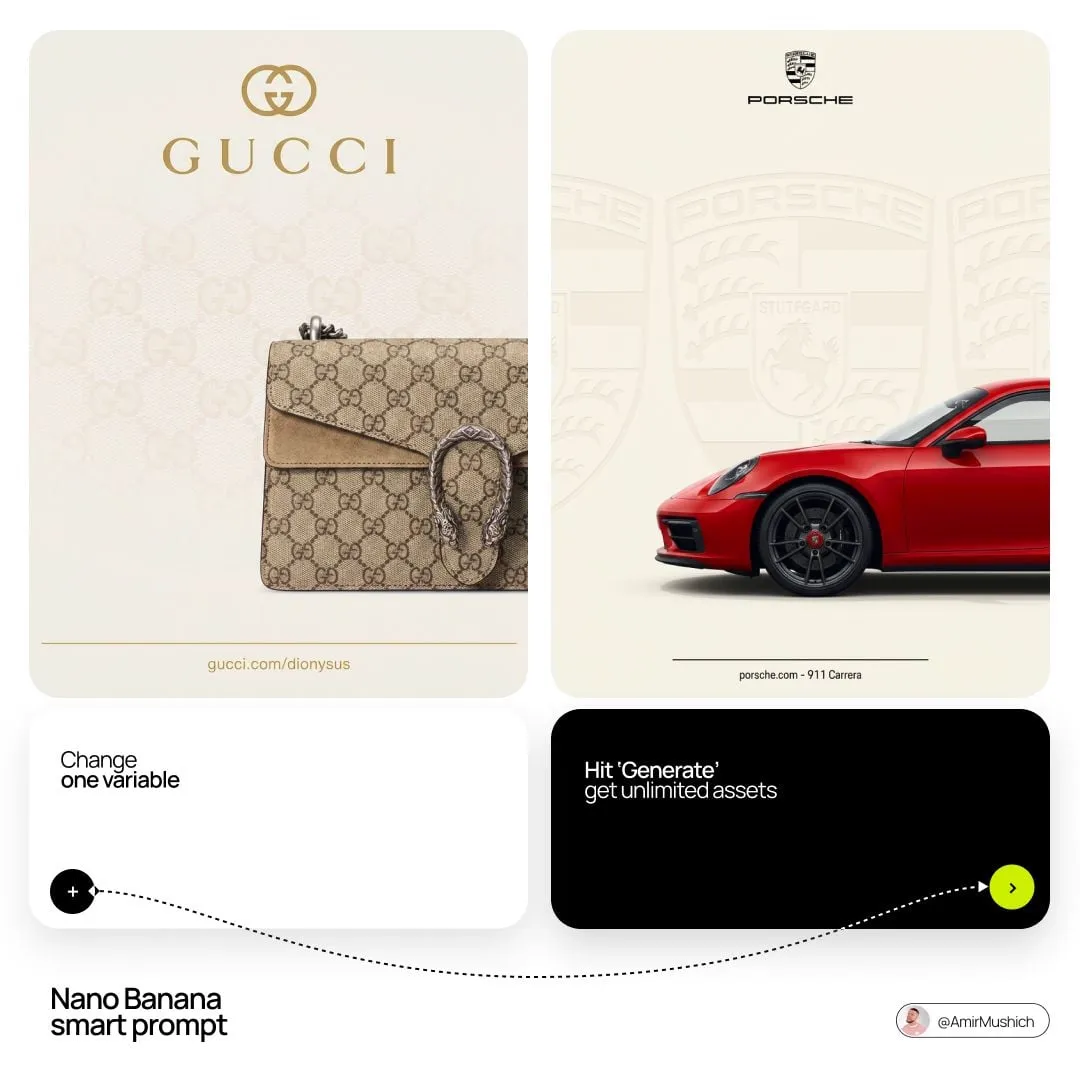
Prompt engineering for video has one rule that matters more than the rest: lock a style string and reuse it. Write a reusable descriptor — lens, lighting, palette, motion, grain — and paste it into every prompt for a given video. Change only the subject and action. This is what separates a sequence that looks like one film from a pile of unrelated clips.
Generate five to eight variations per shot rather than one. Batch generation is cheap; your review time is not. Save the rejects in a folder named for the project, because a discarded variant often becomes B-roll three videos later.
Step 4: Assemble for rhythm, not for perfection
Build the timeline in this order: voice, then visuals, then captions, then music, then effects. Cutting to music before the narration is locked produces a video that fights itself. Set captions to a readable size, position them away from platform UI zones (bottom-left and right edges are covered by buttons on most apps), and keep them on screen long enough to actually finish reading.
Step 5: Export three variants and let the platform decide
Produce a short cut, a long cut, and one alternate hook. Publish them at different times of day, then compare the retention graph rather than the view count. The variant that holds past the three-second mark is your template for the next batch.
Matching the Tool to the Job
Text-to-video and image-to-video
Text-to-video is best for abstract b-roll, transitions, and establishing shots where precision does not matter. Image-to-video is better when you need a specific composition to match a previous clip, since you control the frame before motion is added. If your video has a recurring character or product, generate a reference still first and animate from it every time.
Voice generation, captions, and sound
Synthetic voice works well for narration-heavy explainers and list formats, and it removes the pressure of recording in a quiet room. It works badly for personality-driven content, where vocal grain is the product. If you go synthetic, vary pace and pitch manually on key sentences — the default cadence of a text-to-speech engine is the single most recognizable tell.
Automatic captioning saves real time, but always proofread proper nouns, numbers, and jargon. A wrong caption is worse than no caption because it actively misinforms.
Where a human must stay in the loop
The final edit, the hook, and the payoff. Automation can produce, cut, and caption. It cannot decide what the viewer should feel at second four. Keep those three decisions manual and let everything else run unattended.
| Job | Best handled by | Why |
|---|---|---|
| Street b-roll, abstract transitions | Generative video | Cheap volume, non-specific accuracy needs |
| Product close-ups, faces | Footage or image-to-video | Consistency and trust matter |
| Narration | Human voice for personality formats | Vocal texture drives retention |
| Captions | Automatic, then proofread | Speed with a human check |
| Hook and payoff | Human | The only part that cannot be templated |
TikTok, Reels, and Shorts Reward Different Things
TikTok leans into discovery and rewards novelty plus native-feeling edits. Instagram Reels leans into aesthetics and shares, so visual polish and save-worthy framing matter more. YouTube Shorts shows a stronger affinity for searchable topics and repeatable series, because the surrounding ecosystem is a search engine.
Practically, this means the same footage should be recut, not reposted. For TikTok, front-load the hook, cut hard, and lean into text overlays. For Reels, slow the first second slightly, improve the grade, and make the frame look good as a thumbnail. For Shorts, open with the exact phrasing someone would type into a search bar.
Also check watermark policy. Cross-posted exports with a foreign watermark are routinely down-ranked, so always output a clean master and re-export per platform.
A Seven-Day Sprint You Can Sustain
A single viral video is luck; a repeatable week is a business. Here is a schedule that fits around a full-time job.
- Day 1 — Research. Read comments, save twenty hooks, pick five topics with an existing search demand.
- Day 2 — Script. Write five scripts of 120 to 180 words each. Read them aloud and cut ten percent.
- Day 3 — Generate. Batch-produce all visuals with one locked style string. Do not edit yet.
- Day 4 — Voice and assemble. Record or generate narration, then lay visuals against it.
- Day 5 — Captions and sound. Proofread everything. Add music at low volume under the narration.
- Day 6 — Publish two. Different hooks, different lengths, spaced several hours apart.
- Day 7 — Read the data. Compare three-second retention, average watch time, and saves. Kill the format that lost.
Five videos a week is optimistic for beginners; three is realistic. Three finished videos consistently outperform seven abandoned drafts, and the algorithm cannot measure intentions.
Mistakes That Quietly Destroy Watch Time
Explaining the premise instead of showing it. Cold opens beat introductions. No viewer has ever complained that a video started too fast.
Front-loading a logo. Branding belongs at second nine, not second one. An animated intro is a retention tax you pay on every video forever.
Generating visuals without a style lock. Mixed lighting and inconsistent grain read as low effort even when each individual clip is impressive.
Overusing transitions. Whip pans, zooms, and glitch effects stop signal quality when they appear every second. One signature transition per video is enough.
Ignoring the mute majority. If the video makes no sense without audio, most viewers will never understand it.
Chasing a trend after its peak. Trend windows on short-form platforms are measured in days. If you need to spend four days producing it, you are already late.
Testing too many variables at once. Change one thing between variants — hook, length, or caption style — otherwise you learn nothing from the result.
What to Measure and What to Ignore
Views are a byproduct. The metrics that inform decisions are:
- Three-second retention — measures the hook. Below roughly 60 percent, rewrite the opening, not the middle.
- Average watch time as a percentage of length — measures pacing.
- Saves and shares — measure whether the content is worth returning to or sending to a friend.
- Follower conversion per view — measures whether the content matches your account's promise.
- Comment sentiment — measures whether the hook delivered what it implied.
Ignore the like-to-view ratio for planning purposes; it is noisy and heavily influenced by how emotionally agreeable the topic is. Also ignore single-video outliers when deciding strategy. One clip at ten times your baseline is a data point, not a direction.
Guardrails for AI-Assisted Video
Disclose synthetic media when a reasonable viewer would assume a real person or event is being shown. Do not generate the likeness of a public figure for endorsement, and do not animate a real person's face without permission. Keep a master file with your sources and prompts organized per project so you can prove provenance if a platform asks.
Check the commercial terms of every generator and voice tool you use, especially for client work. Some permit personal use only on lower tiers, which turns into a problem the moment a brand asks for the file. Read that page once and save yourself a rework later.
Finally, avoid using AI to fake testimonials or results. Short-form audiences are unusually good at spotting this, and the reputational cost of being caught is permanent.
FAQ
How long should a short-form video be?
Start at 21 to 34 seconds for educational content and 15 to 21 seconds for comedy or reaction. Extend only when the payoff genuinely needs room. Length should follow the idea, never the reverse.
Do I need a camera, or is AI enough?
For talking-head formats, a phone and a window is enough. AI visuals are most useful as supporting b-roll. Fully synthetic videos can perform, but they need a strong hook and a clear voice to compensate for the missing human anchor.
How many videos do I need before I can judge my format?
Ten per format is a rough minimum, published on a consistent schedule. Below that, differences in performance are mostly noise.
Should I use trending audio?
Use it when it fits, not because it is trending. Trending sounds give a small discovery nudge, but mismatched audio hurts retention more than the nudge helps.
How do I keep an AI-generated series visually consistent?
Lock a style string, generate a reference still, and always animate from that still rather than from text. Build a small library of approved clips you can reuse across episodes.
What is the single highest-leverage change most creators can make?
Rewrite the first sentence so it starts inside the conflict instead of before it. Most videos can lose three seconds from the front and gain several percentage points of retention immediately.
