

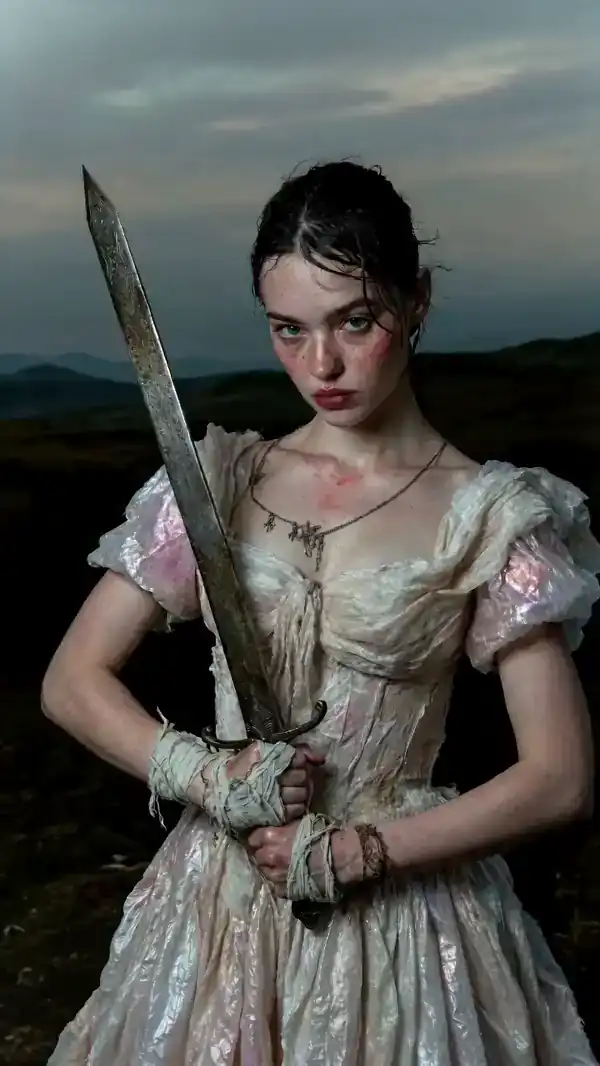
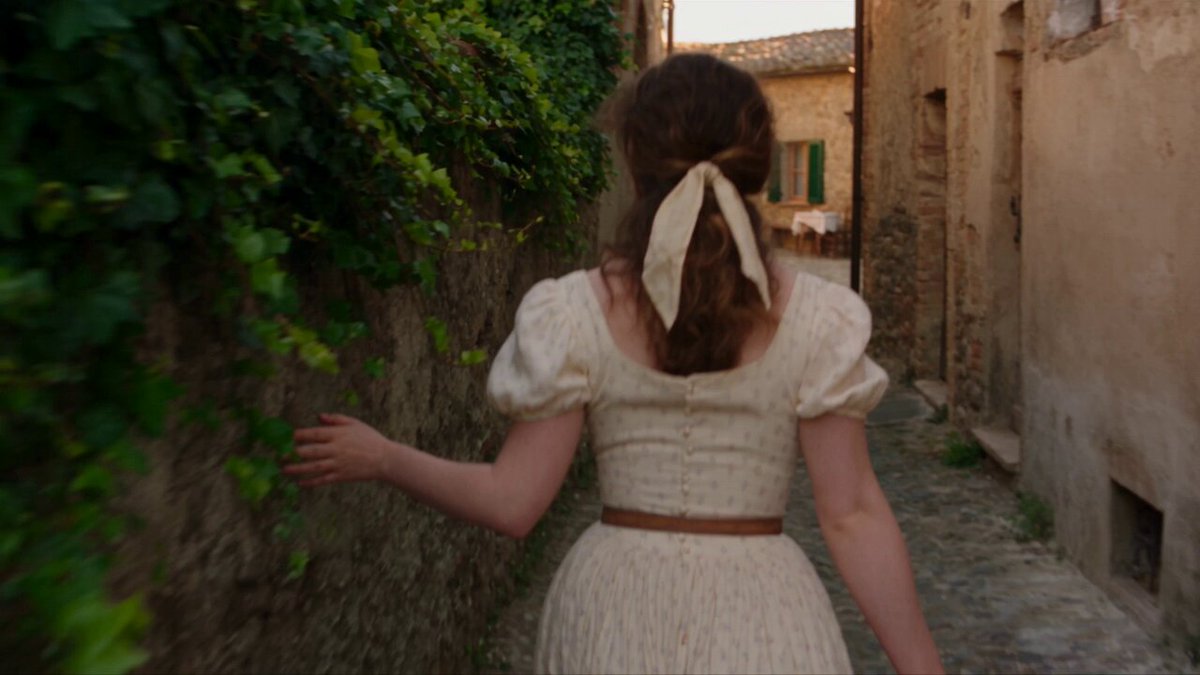
A still frame can say more than a thousand words, and a well-shot sequence can say even more. Visual storytelling is the craft of arranging images, movement, and light to guide how an audience feels — before a single line of dialogue. In an era where short video dominates and attention is scarce, the ability to tell a story visually is one of the most valuable skills a creator can have.
This guide explores the strategies behind memorable, cinematic visual storytelling. We look at composition and framing, camera angles and depth, lighting and colour, and how all of it comes together to leave a lasting impression. Whether you shoot with a cinema camera, a mirrorless body, or a phone, the principles here apply the same way — because they are about how your audience reads the image.
Why visual language matters more than ever
Every video you make is a sequence of images, and the way those images are built decides how much of the story the audience absorbs. A scene can be technically perfect yet emotionally flat, or technically simple yet deeply moving. The difference lies in the choices the storyteller makes about what is in the frame and how it is presented.
In the past, great visual language was the province of film schools and crews with expensive gear. Today, the tools that shape an image are far more accessible, and so is the knowledge. This raises the standard across the board: audiences have seen countless beautifully shot clips, and they feel the difference between footage that looks intentional and footage that looks accidental.
The practical takeaway is that visual storytelling is not decoration. It is the core of how you control meaning, mood, and memory. Every choice of framing, lens, light, and colour is a message to the viewer, whether they notice it consciously or not.
Composition: building the tension and meaning of a frame
Composition is the silent language of cinema — the arrangement of elements within the frame that tells the viewer what to feel and what to focus on. It is the first thing audiences read, and it shapes everything that follows.
The familiar rule of thirds is a useful starting point, but it is no longer enough on its own. In contemporary storytelling, composition should be purposeful and functional: it should deepen meaning rather than merely satisfy a convention. Ask what the frame is saying about the character, the power dynamic, or the emotion of the moment, and compose around that answer.
Negative space is a powerful tool here. Empty or calm areas around a subject can create isolation, distance, or anticipation. Balanced tension between subject and emptiness can keep a viewer engaged far more effectively than a full frame that tells them everything at once. Leading lines draw the eye toward the subject and give the image direction, while the placement of faces and key elements guides the emotional reading of the scene.
Using camera angles to create psychological depth
Camera angle is rarely just technical — it is a reflection of the story's point of view. A low angle grants a character authority and dominance, making them feel powerful or imposing. A high angle makes a character seem vulnerable, small, or subordinate. A level, eye-height angle feels neutral, personal, and approachable.
These choices are read instinctively. By selecting your angle deliberately, you can shape how the audience feels about a character in a single shot, without any dialogue. The same applies within a sequence: sharp changes in angle can signal shifts in power, emotion, or tension, adding a psychological layer to the narrative.
Depth of field matters just as much. A shallow depth of field isolates a subject against a soft background, focusing attention and conveying intimacy or intention. A deep focus keeps the whole scene sharp, which suits wide, contextual, or documentary-style moments. Choosing your depth tells the viewer where to look and what matters in that instant.
Movement: guiding the flow of the viewer's eye
Motion is one of the most powerful signals in visual storytelling, because it naturally draws and directs attention. The way the camera moves — or stays still — tells the audience how to feel and where to look.
A slow, deliberate camera move can build calm, tension, or reverence. A fast or handheld move can inject energy, urgency, or chaos. The key is that the movement must be intentional and aligned with the story, rather than something that happens because the camera was not locked down. Every move is a choice, and choices should carry meaning.
Movement also extends to the subjects within the frame. Where characters walk, how they pause, and what crosses the frame all create information for the viewer. Guiding the flow of the eye means deciding what viewers see first, what they notice next, and what they feel by the time the shot ends.
Lighting and colour: building atmosphere and mood
Light and colour carry emotion the same way music does. A scene that is warmly lit feels inviting or nostalgic; a harsh, low-key-lit scene can feel tense or dangerous; a flat, even light feels procedural or calm. Getting the light right is often the difference between a frame that looks like a snapshot and one that looks like cinema.
Lighting psychology is about the effect on the audience more than the equipment used. Consider the direction of light, its quality, contrast, and colour temperature. A raking side light sculpts the face and adds drama; a soft, diffused light flattens and softens. Even with a single desk lamp or a window, you can build meaning through how you choose to light the subject.
Colour grading then takes the raw footage and pushes it toward a cohesive, emotional feel. The palette you choose — warm and earthy, cool and clinical, saturated and vibrant, muted and desaturated — sets the tone for the entire piece. A consistent grade makes the footage feel like a single, considered world rather than a patchwork of separate shots.
When lighting and colour work together, they do more than beautify the frame. They deepen the emotional impression and make the story linger in the viewer's memory, which is precisely why memorable content so often rests on this foundation.
Weaving narrative into the shot as a modern storyteller
The real craft of visual storytelling is combining every element — composition, angle, movement, light, colour — into a sequence that tells a story moment by moment. This is where a director's language becomes visible: the choice of what to show, when to cut, and how each shot connects to the next.
The cut itself is a storytelling tool. The rhythm and length of shots set the pace of the narrative and the level of emotional intensity. A rapid montage builds urgency; longer, lingering takes build intimacy or significance. Your editing should follow the emotional arc of the story, rising and falling with it, rather than following a routine pattern.
Think of each shot as a sentence and the sequence as a paragraph. Every element inside the frame is a word contributing to the whole meaning. When you treat the image as a language rather than a container for content, your scenes become far more expressive.
Testing your instincts and refining your eye
Visual instinct improves with practice, but it helps to be deliberate about that practice. Analyse the work you admire and ask why each shot works: what the composition says, how the light is set, where your eye is drawn, and how the emotion is built. Watching with the goal of understanding builds your internal library of what works.
Then test on your own projects. Shoot the same moment a few different ways — different angles, framing, and light — and compare how each version feels. The more often you rehearse these choices, the more instinctively they come during real production.
Accept that not every shot will succeed. Filmmaking and video creation are iterative crafts, and a strong visual language is built shot by shot, project by project. The important thing is to keep making deliberate choices and learning from what you see in the results.
Frequently asked questions
Do I need expensive camera gear to tell stories visually? No. The principles — framing, angle, light, and colour — work with any camera. A phone shot that is composed, lit, and graded with intention will communicate far more than expensive footage that is never given a deliberate visual plan.
How do I choose between a low angle and a high angle? Match the angle to the story you want to tell about the character. Low angles grant power or authority; high angles convey vulnerability or submission; eye level feels neutral and personal. Let the narrative decide.
What does depth of field communicate? Shallow depth of field focuses attention and suggests intimacy or emphasis. Deep focus keeps the whole frame readable, which suits context and wide scenes. Choose it to control where the audience looks.
Is colour grading essential for a good video? It is well worth the effort. A consistent grade makes footage feel cohesive and intentional and directly shapes mood. You can achieve solid results with basic adjustments, then build skill over time.
A practical checklist for your next shoot
When you are on location or at your desk, it is easy to lose sight of the fundamentals in the rush to capture footage. A short checklist, reviewed before you hit record, keeps the visual decisions intentional rather than accidental.
Start with the frame. Before you lock the shot, look at the four edges and ask what is inside, what is excluded, and where the eye should land. Compose for the story, not just the subject. Check that the background is not fighting the subject and that negative space, if present, is deliberate.
Second, set the camera deliberately. Choose your angle and height based on what you want the audience to feel about the character, and decide on depth of field by asking where you want attention held. Commit to the choice rather than leaving it to default settings.
Third, control your light. Look at where the light is coming from, what it sculpts, and how it feels. If the available light does not match the mood you want, move the subject, change the position, or reshape the source until the frame reads the way you intend.
Fourth, allow the image a sense of time. Decide whether the scene wants a slow, deliberate take or a quicker, energetic one, and communicate that to everyone involved. Finally, check that the moment supports the story — every frame should earn its place by advancing the emotion or the plot. Run through this quickly on each setup, and your footage will carry intent at every level.
Learning from the shots you admire
One of the fastest ways to sharpen your visual eye is to study the work of people who do it well, whether that is classic film, modern series, or standout short-form content. The goal is not to copy but to understand the choices underneath.
Pick a scene or a single shot you find memorable and ask focused questions. Why did the cinematographer choose that angle? How is the light shaping the mood? Where is the negative space, and what does it communicate? Why does the camera move the way it does, or stay still? By naming each choice, you build a vocabulary of your own that you can draw on when you shoot.
Then reconnect those observations to your own work. The next time you are framing a shot, ask whether you are making a conscious choice where a talented filmmaker would. Over time, this habit turns passive watching into an active education, and the ideas you absorb show up naturally in your own projects.
A final reflection
Visual storytelling turns footage into feeling and meaning. By giving deliberate attention to composition, camera angle, movement, light, and colour, you give the audience a clear emotional path through every frame — and that is what makes work memorable long after the playhead stops. Master these fundamentals, rehearse your instincts through practice, and you will find that even the simplest shot can carry a story worth watching.
