
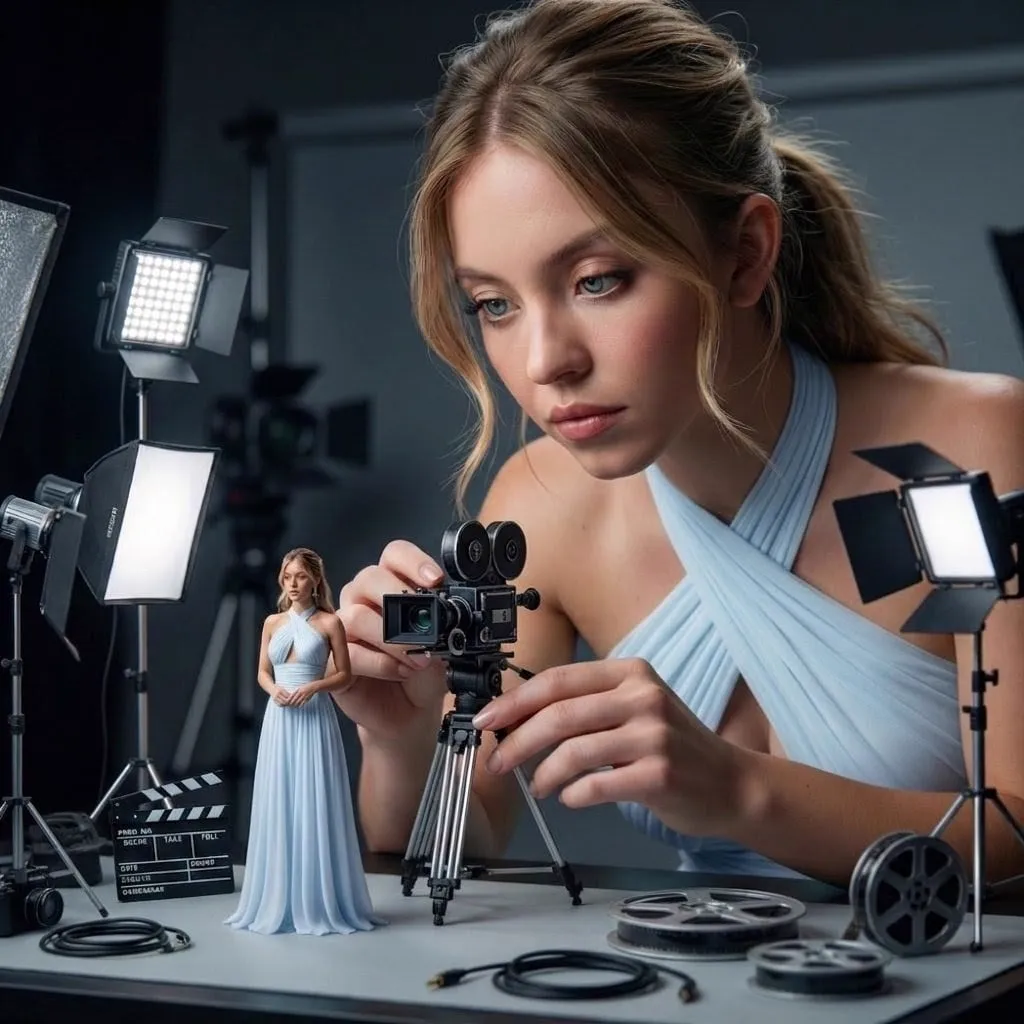

Writer's block has haunted creators long before the first screenplay or script. The blank page, the blinking cursor, the pressure to produce something compelling within tight deadlines — it's a bottleneck that stalls even the most experienced filmmakers, YouTubers, and content marketers. But 2025 has brought a radical shift: generative AI now works alongside creators during the ideation and scripting phases, turning creative stagnation into a structured, scalable workflow.
The key isn't just using AI to write faster. It's learning to engineer prompts that unlock the power of modern video models. When you treat AI as a creative partner rather than a magic text generator, you can build scripts, scene outlines, and visual directions that are both emotionally resonant and technically precise. This approach has made the once-feared blank page a thing of the past for countless creators who now lean on AI-driven tools from the first spark of an idea to the final export.
Why Prompt Engineering Matters in 2025
AI video generation has matured rapidly. Models today can render photorealistic scenes, complex camera moves, and consistent character identities from a few lines of text. But that text has to be carefully structured. A vague prompt like "make a cinematic video" produces uneven, generic results. A well-engineered prompt with layered context—theme, character, setting, pacing, and visual style—produces footage that actually matches your vision.
Creators who master prompt engineering report significant gains in both output and quality. Instead of spending hours drafting dialogue and scene descriptions only to hit a wall, they now build detailed prompt blueprints that directly feed into AI video generators. This shift from manual drafting to machine-assisted storytelling has turned scriptwriters into prompt architects. The reward is creative control and content velocity that were impossible a few years ago.
Building a Narrative Blueprint with Prompt Layering
One of the most effective ways to defeat writer's block is to break your story down into smaller, more manageable layers. This technique, called prompt layering, moves away from a single, overwhelming request. Instead, you feed the AI a series of focused prompts, building a rich narrative blueprint step by step.
Start with Theme and Emotional Targets
The first layer defines your story's core. What is this video really about? What emotional response do you want from the audience? Provide the AI with keywords, themes, and stylistic targets. For example, if you're creating a corporate brand film, you might feed it words like "ambition, innovation, breakthrough, cinematic lighting, 16:9 aspect ratio." This sets the narrative North Star and prevents the story from drifting during later iterations.
Define Characters and Context
The second layer focuses on who appears in the story and where it takes place. This is crucial when you need visual consistency across multiple shots or even an entire series. Describe each character's appearance, motivation, voice, and relationship to the scene. If you're using a platform like Domer's AI video generator, you can also explore character reference workflows that keep the same face and style across every frame.
Map Scene Progression Like a Director
The third layer outlines the sequence of events. Instead of asking for a complete script in one go, ask the AI to build a scene-by-scene progression. Each scene gets its own mini-prompt: location, action, camera angle, emotional tone, and key dialogue. This structure reduces the complexity of the creative task and gives you checkpoints to refine along the way. It also ensures that the final video doesn't suffer from narrative drift or jarring transitions.
Creating Visual Consistency Across Shots
A major frustration for creators using AI video tools is maintaining character identity. Faces change, outfits shift, and settings morph between shots. The fix lies in how you construct your prompts.
Advanced AI workflows now support multi-image fusion and keyframe anchoring. By uploading reference images or defining consistent visual anchors, you can keep a protagonist's face stable from the opening shot to the climax. Tools like Domer's GPT Image 2 are excellent for generating consistent character keyframes, which can then be used as visual guidelines in your video prompts.
When you combine stable references with detailed scene prompts, the AI understands that your protagonist is the same person in every location. This level of control used to require live actors, makeup departments, and continuity directors. Now it's accessible to a solo creator working from a laptop.
Practical Prompt Templates for Video Scripts
Here are a few templates you can adapt immediately to get past creative blocks.
Template 1: The Product Launch Film
Theme: breakthrough, precision, human-centric
Character: A confident engineer in a modern lab, wearing a dark jacket
Scene 1: Extreme close-up of a prototype device powering on, blue LED glow
Scene 2: Engineer walks through an empty hallway, determined expression
Scene 3: Final reveal shot, camera orbits around the device on a pedestal
Style: cinematic, shallow depth of field, teal and orange grade
Aspect ratio: 16:9
Template 2: The Short Narrative
Theme: regret, second chance, quiet hope
Character: A woman in her 30s, simple coat, holding a letter
Scene 1: Rainy city street, neon reflections on pavement, she stops mid-step
Scene 2: Flashback to a warm kitchen, same woman smiling, a letter on the table
Scene 3: Return to present, she folds the letter and puts it in her pocket
Style: moody, realistic, 35mm film grain, 2.39:1 widescreen
Copy these templates into a text editor, fill in your own details, and feed each scene as a separate prompt into an AI video tool. You'll find that the blank page disappears because you now have a structured creative route to follow.
From Script to Screen with AI Video Tools
The ultimate goal of overcoming writer's block is to get your story in front of an audience. That requires translating your script into moving images. Modern AI video platforms allow you to generate full shots, sequences, and even multi-scene videos from your prompts.
For example, using a tool like Domer's Seedance 2.0, you can feed in a well-structured scene prompt and receive a high-quality video clip that matches your narrative intention. The more detailed your prompt, the fewer edits you'll need later. This means you can spend your energy on story and style instead of troubleshooting bad AI outputs.
Another advantage is the ability to iterate. If the first render doesn't match your vision, you don't need to start over. You can tweak a single line in a scene prompt and re-generate that shot. This modular editing process is far less anxiety-inducing than a traditional writer's block stall. Every iteration brings you closer to a polished final cut, and the AI never judges your first draft.
The New Role of the Creator: Prompt Architect
The most successful creators in the AIGC era are those who embrace the role of director and prompt architect. They don't wait for inspiration to strike; they build a system that reliably produces compelling material. By combining prompt layering, character consistency, and iterative refinement, they've turned creative output into a repeatable process.
If you're ready to remove the friction from your video workflow, start by exploring Domer's AI image generator to build visual references for your scenes. Then move into AI video generation with the structure and prompts from this guide. You'll discover that the only limit to your storytelling is the clarity of your vision — and AI is here to help you realize it.
Writer's block isn't a permanent condition. It's a signal that your approach needs better scaffolding. Armed with prompt engineering techniques and modern AI tools, you can move from concept to script to screen without ever staring at an empty page again.
