How to use a reference photo with text-based generation
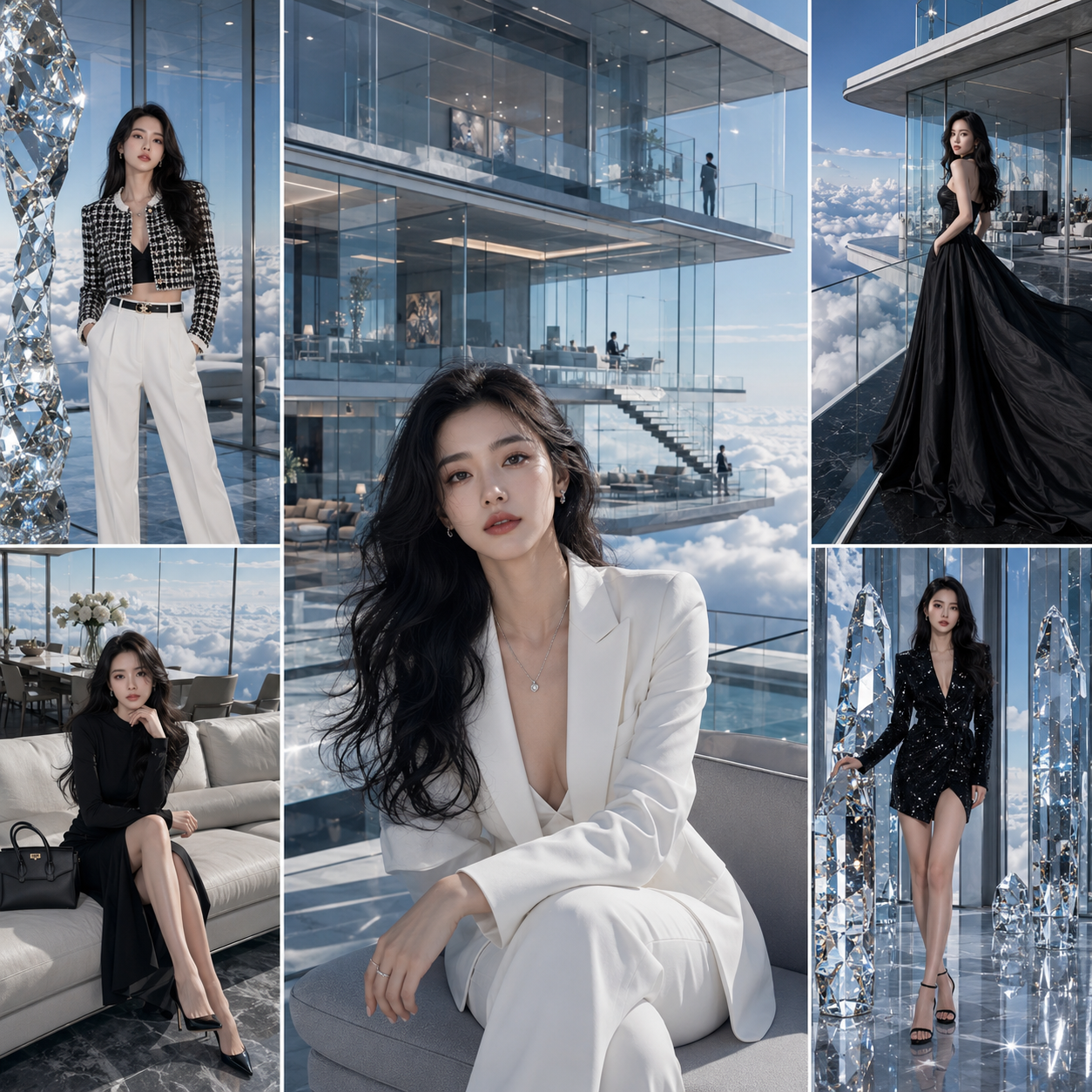
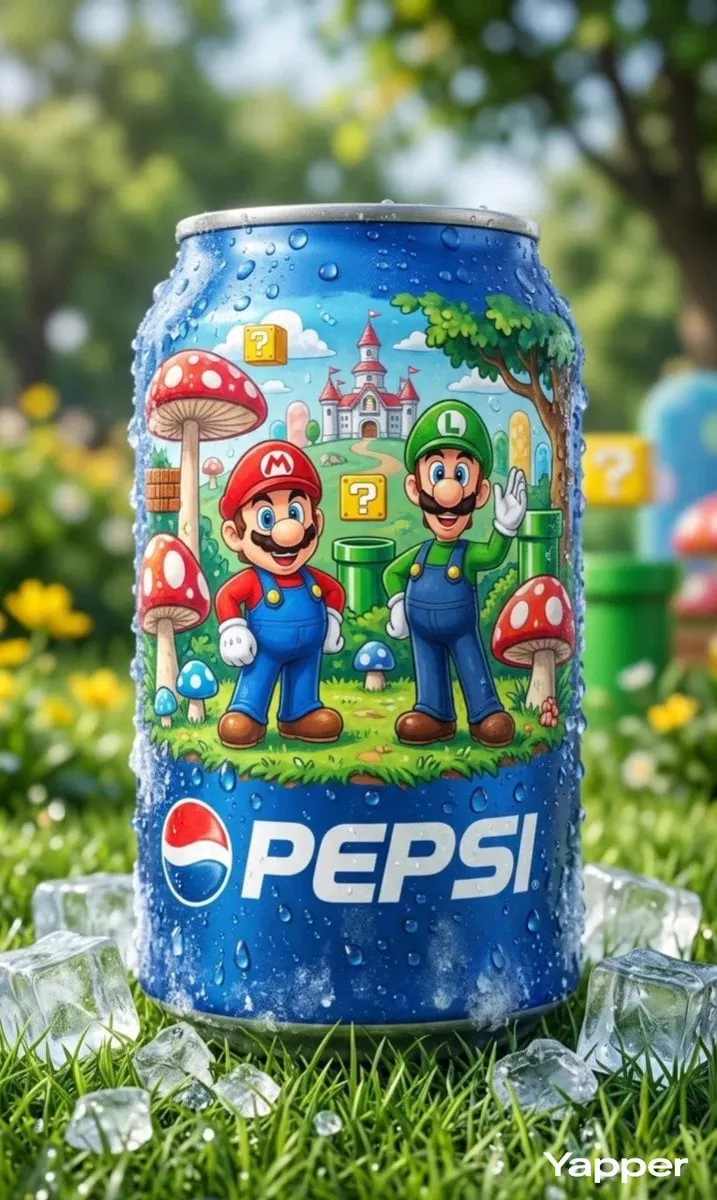
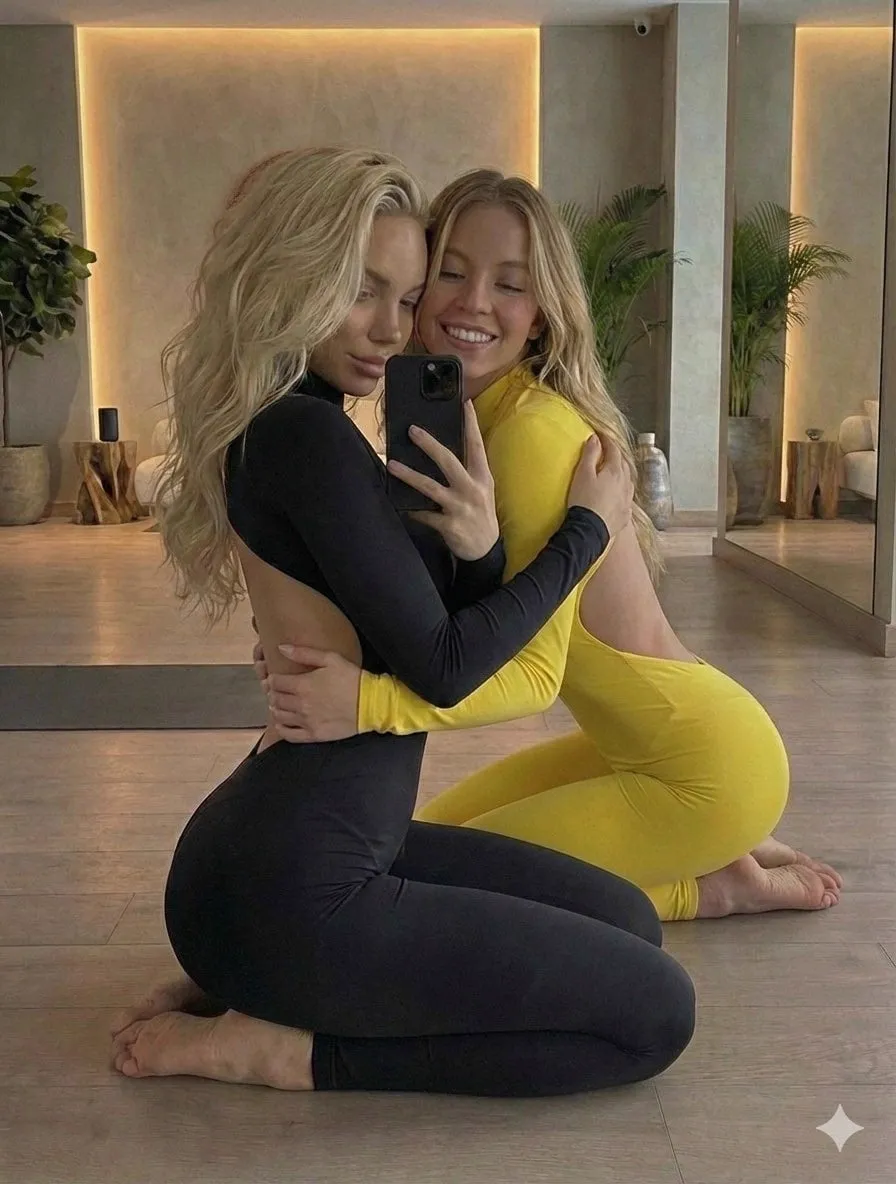
This tool generates images from text descriptions. You do not upload a photo directly; instead, you describe the visual elements of a reference photo—such as lighting angle, color palette, composition structure, or mood—and the generator uses your written description to produce a new image inspired by those qualities.
AI Image Generator With Reference Photo
Matching a colour palette
Input
A mountain scene in the same colour palette as a vintage postcard, faded teal sky, warm cream mountains, muted orange accents
Expected output
A landscape with a retro colour treatment, reduced saturation, and warm-toned highlights
Recreating a lighting style
Input
A portrait with rim lighting like a classic film photo, warm key light from the left, deep shadows on the right side
Expected output
A portrait with dramatic side lighting, defined shadow areas, and warm film-like colour cast
Describing a composition structure
Input
A street scene framed by an archway in the foreground, leading the eye to a busy market street in the distance, like a classic travel photograph
Expected output
A scene with a foreground frame, middle-depth activity, and a deep perspective leading into the image
Describe the visual elements of a reference photo in text to guide image generation toward a similar style or composition.
Visual reference through words
Translate the look of an existing photo into prompt terms that guide the generation toward a similar aesthetic.
Style consistency
Identify and reuse descriptive terms from a reference to maintain a consistent look across multiple generations.
Reduced guesswork
Analysing a reference photo gives you specific terms to describe lighting, colour, and mood.
How It Works
1
Describe the desired image.
Describe the desired image.
2
Choose the available generation settings.
Choose the available generation settings.
3
Generate, review, and download a suitable result.
Generate, review, and download a suitable result.
Tips for reference-based prompting
Turning photo observations into effective prompts.
Input Constraints
Use your own original prompt text rather than copying from other sources.
Avoid describing real people or trademarked characters without permission.
Review each result before using it in any project.
Practical Tips
Study the reference photo for specific colours, lighting angle, and texture details to describe.
Note the composition structure such as rule of thirds, framing, or leading lines.
Describe the mood the reference photo conveys and include emotional terms in your prompt.
Privacy
Do not upload personal or sensitive material unless you have permission to use it.
Usage Rights
Confirm that you have the rights needed for the inputs and intended use of the result.
Prompt recipes
Copy a structure, then adjust the subject, lighting, camera, and output details for your own result.
Vintage color grading from a film reference
A cafe interior with customers at tables, faded warm colors like a 1970s film still, low contrast, soft grain
Describes era, color treatment, contrast level, and texture to replicate a nostalgic film aesthetic.
Golden-hour portrait lighting from a reference
A woman in a field, backlit by low sun, warm orange glow around her hair, soft shadows on her face, natural film style
Specifies light source position, color temperature, shadow quality, and style to recreate a classic golden-hour portrait.
High-contrast studio lighting from a fashion reference
A model in a black outfit against a white backdrop, hard key light from above right, deep shadows on left, editorial fashion style
Details lighting direction, contrast level, background, and editorial intent to match a professional fashion look.
Architectural framing from a travel photo reference
A narrow alley in an old town, framed by stone archways on both sides, leading to a bright plaza in the distance, depth and perspective emphasis
Describes foreground framing elements, depth layers, and perspective to replicate a classic travel composition.
Minimalist product shot from a catalog reference
A glass bottle on a white surface, soft diffused overhead light, faint shadow beneath, clean white background, catalog product style
Defines subject, surface, lighting type, shadow quality, and clean aesthetic to match a professional product catalog.
Best use cases
Match the workflow to the input you have and the result you need before opening the generator.
Use case
Best input
Expected result
Tool
Recreate a visual style for a campaign
Detailed description of lighting, color, and composition from a reference photo
A new image that echoes the style of the reference without copying it
Text to Image
Maintain brand aesthetic across visuals
Breakdown of brand reference photo elements like color palette and mood
A new image with consistent brand look and feel
Text to Image
Generate concept art inspired by a photo
Description of reference photo's composition, lighting, and atmosphere
A concept illustration with similar visual qualities to the reference
Text to Image
Create product visuals matching a catalog style
Analysis of reference product photo's lighting, background, and shadow treatment
A product image with the same professional look as the catalog reference
Text to Image
Recreate a visual style for a campaign
Input: Detailed description of lighting, color, and composition from a reference photo
Result: A new image that echoes the style of the reference without copying it
Tool: Text to Image
Maintain brand aesthetic across visuals
Input: Breakdown of brand reference photo elements like color palette and mood
Result: A new image with consistent brand look and feel
Tool: Text to Image
Generate concept art inspired by a photo
Input: Description of reference photo's composition, lighting, and atmosphere
Result: A concept illustration with similar visual qualities to the reference
Tool: Text to Image
Create product visuals matching a catalog style
Input: Analysis of reference product photo's lighting, background, and shadow treatment
Result: A product image with the same professional look as the catalog reference
Tool: Text to Image
Limitations to know before generating
Results are inspired by your description of the reference, not exact copies.
Translating visual details into words requires careful observation and may need iteration.
Complex reference photos with many elements can be difficult to describe fully.
Generated images should be reviewed to ensure they meet your intent and quality standards.
You cannot upload a reference photo directly; you must describe it in text.
Creative Suite: AI Video Generator & AI Image Generator Tools
Power up your creative workflow with our AI-driven tools. Generate stunning videos, create images, and apply custom adjustments - our AI Video Generator and AI Image Generator offer a complete solution for all your creative needs.