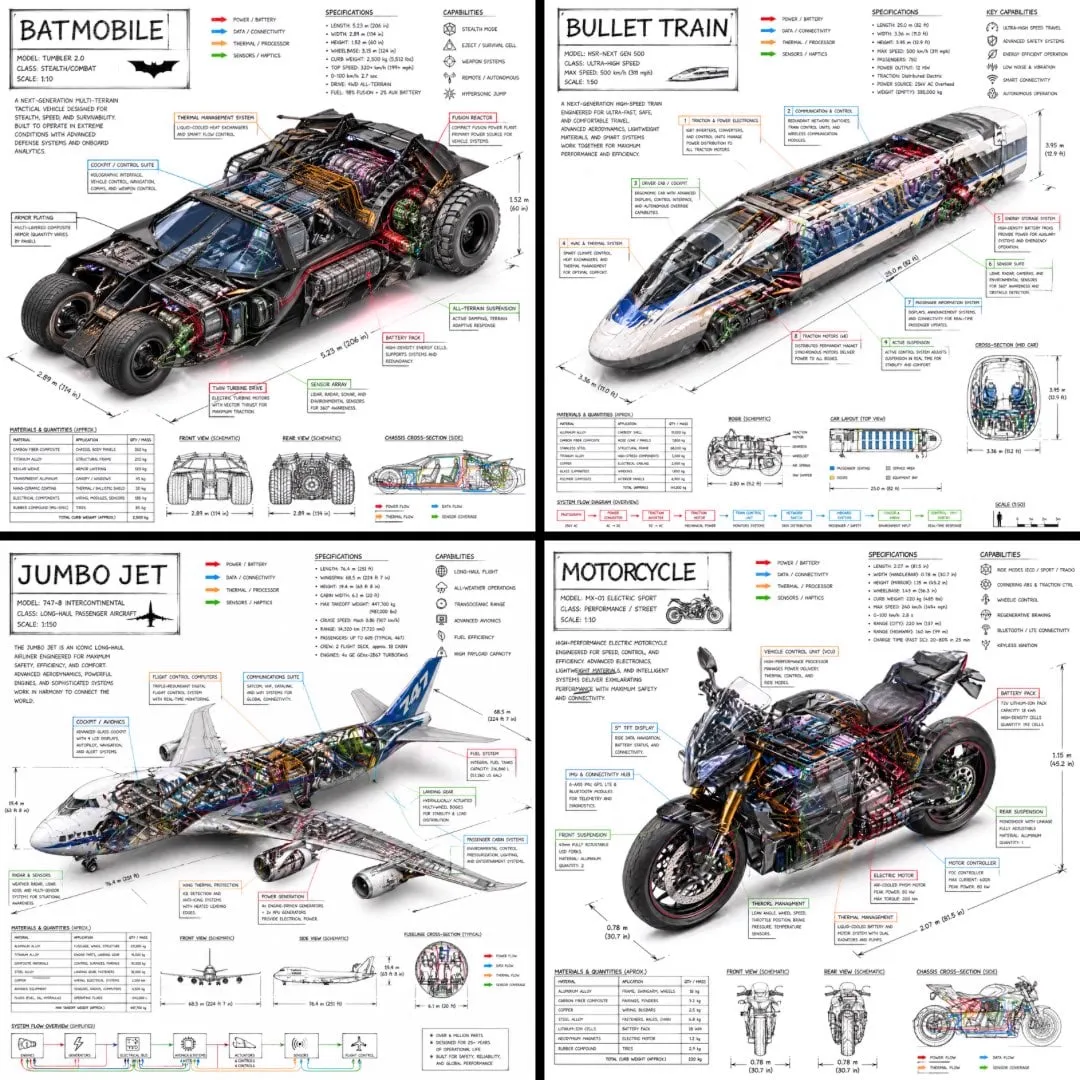
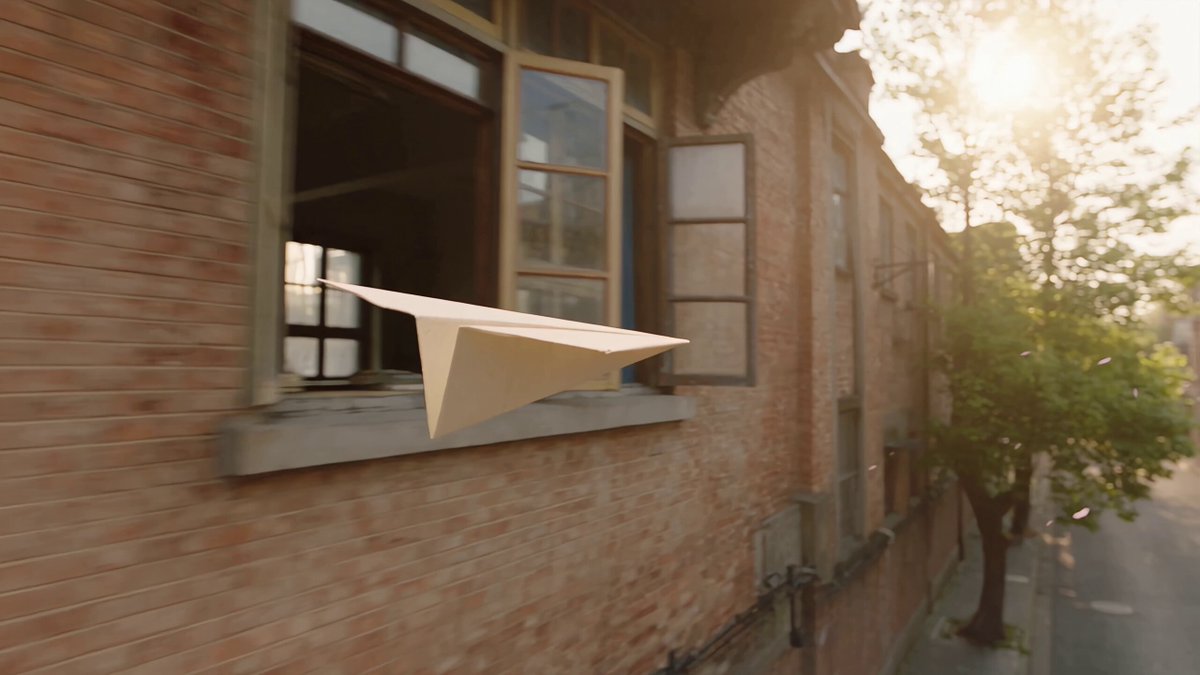
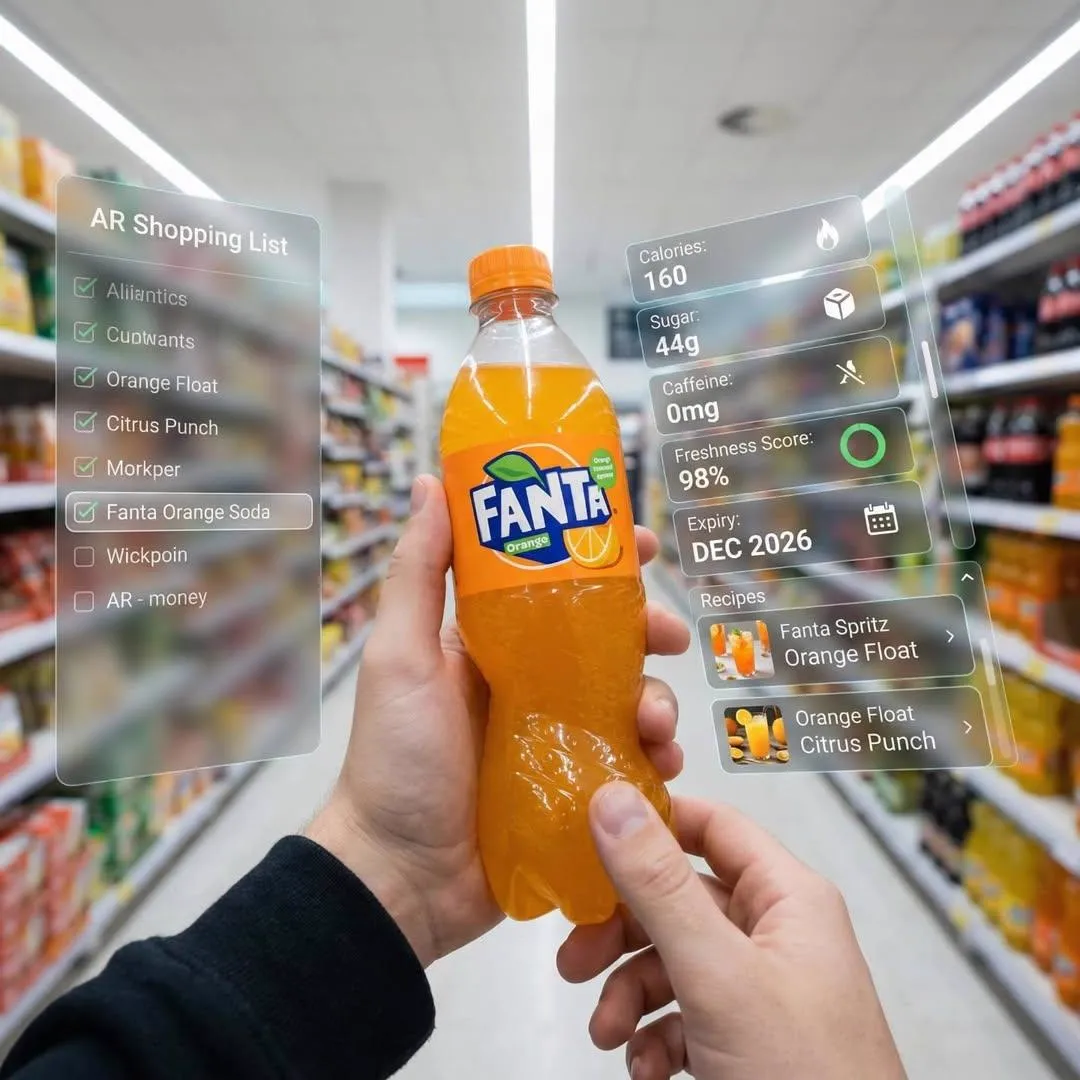
An AI product image generator creates professional product photography concepts from text descriptions. You provide a product brief—including the item type, material, lighting, and intended use—and the tool generates polished visuals suitable for ecommerce catalogs, lifestyle content, or paid campaigns. The output is a reviewable concept, not a guaranteed final asset; you review accuracy and refine direction before using the concept in marketing or production planning.
AI product image generator
Clean catalog concept
Input
Studio product photo of a matte reusable water bottle, centered on a soft off-white background, natural shadow, premium ecommerce lighting, no text or logos.
Expected output
A restrained catalog-style product concept with clear shape, material, and background separation.
Lifestyle scene concept
Input
A reusable water bottle on a sunlit desk beside a notebook and plant, editorial lifestyle product photography, natural morning light, realistic proportions, no text.
Expected output
A lifestyle product concept that shows context without obscuring the product.
Campaign detail concept
Input
Close product detail of a reusable water bottle with condensation, crisp rim light, clean dark-green background, premium advertising photography, no text.
Expected output
A focused campaign concept suitable for creative review and iteration.
Create polished product visuals from a product brief.
Brief-led direction
Start with the product, audience, setting, and visual goal instead of an unstructured prompt.
Faster creative review
Generate several concept directions before committing to a shoot, retouch, or campaign layout.
Reusable prompt structure
Keep successful product, lighting, composition, and background instructions for later variants.
How It Works
1
Describe the product
State the product type, key material, color, angle, and details that must remain recognizable.
2
Set the image job
Choose a catalog, lifestyle, campaign, or listing goal and include the intended audience or placement.
3
Review and refine
Check composition, legibility, and product accuracy, then adjust one creative variable at a time.
Product image prompt guidance
Specific product attributes and a single visual objective usually produce a more useful first concept than a long list of styles.
Input Constraints
Use only product references and brand assets you are authorized to use.
Do not rely on generated images for regulated claims, pricing, or product specifications.
Avoid asking for third-party logos, copyrighted characters, or misleading before-and-after visuals.
Practical Tips
Name the product first, then add material, camera angle, lighting, setting, and exclusions.
Create catalog and lifestyle variants separately so each prompt has one clear purpose.
Keep a human review step before publishing any marketplace or paid-ad creative.
Privacy
Do not upload confidential launch details, customer data, or product assets you are not permitted to share.
Usage Rights
You are responsible for rights in the inputs and for checking that the final use of an output is appropriate for your brand and market.
Prompt recipes
Copy a structure, then adjust the subject, lighting, camera, and output details for your own result.
Studio lighting, neutral background
Studio lighting, neutral background, product centered and clearly visible. Example: matte black headphone, centered studio setup, even lighting, minimal shadow, ecommerce style.
Use for catalog photography when you need restraint and clarity.
Lifestyle context with activity and environment
Lifestyle context with activity and environment. Example: person working at a wooden desk with a coffee mug, natural afternoon light through a window, realistic proportions, no text.
Use to show the product in a real use case without staged appearance.
Dramatic detail with rim or accent lighting
Dramatic detail with rim or accent lighting. Example: close view of a luxury pen nib, crisp side lighting, dark background, premium advertising photography, no text.
Use for campaign ads and hero images where a single feature drives attention.
Product variant or color comparison
Product variant or color comparison. Example: same studio setup as previous, but now in navy blue instead of black.
Use to generate multiple SKU concepts from one successful prompt without re-engineering the entire direction.
Before-and-after or split-context
Before-and-after or split-context. Example: split view—left side is clean minimalist background, right side is rustic wooden table with accessories.
Use to test whether the product reads well in different settings and to show versatility.
Best use cases
Match the workflow to the input you have and the result you need before opening the generator.
Use case
Best input
Expected result
Tool
Ecommerce catalog planning
You have product specs but no photos yet
Generate a catalog concept to see proportions and material before a shoot.
Text to Image
Campaign creative direction testing
You have a shot but want to explore styling directions
Generate lifestyle variants with different backgrounds, lighting, and contexts.
Text to Image
Multi-channel asset planning
You have a product ready but need multiple marketing angles
Generate catalog, lifestyle, and detail versions in one session.
Text to Image
Product variant visualization
You want to test a new material or color variant
Reuse your best prompt but swap the color or material description.
Text to Image
Stakeholder review and approval
You need approval concepts before committing budget
Generate several directions with different lighting and backgrounds.
Text to Image
Ecommerce catalog planning
Input: You have product specs but no photos yet
Result: Generate a catalog concept to see proportions and material before a shoot.
Tool: Text to Image
Campaign creative direction testing
Input: You have a shot but want to explore styling directions
Result: Generate lifestyle variants with different backgrounds, lighting, and contexts.
Tool: Text to Image
Multi-channel asset planning
Input: You have a product ready but need multiple marketing angles
Result: Generate catalog, lifestyle, and detail versions in one session.
Tool: Text to Image
Product variant visualization
Input: You want to test a new material or color variant
Result: Reuse your best prompt but swap the color or material description.
Tool: Text to Image
Stakeholder review and approval
Input: You need approval concepts before committing budget
Result: Generate several directions with different lighting and backgrounds.
Tool: Text to Image
Limitations to know before generating
Generated product proportions, colors, and details may drift from your brief. Always review the concept against the original product or specification before using it in production or marketing.
Generated images do not guarantee commercial rights or suitability for all markets. Test output licensing and regional restrictions before publishing to paid channels.
Highly detailed or technical products (precision instruments, complex electronics) often require simpler, more focused prompts to maintain accuracy.
Creative Suite: AI Video Generator & AI Image Generator Tools
Power up your creative workflow with our AI-driven tools. Generate stunning videos, create images, and apply custom adjustments - our AI Video Generator and AI Image Generator offer a complete solution for all your creative needs.