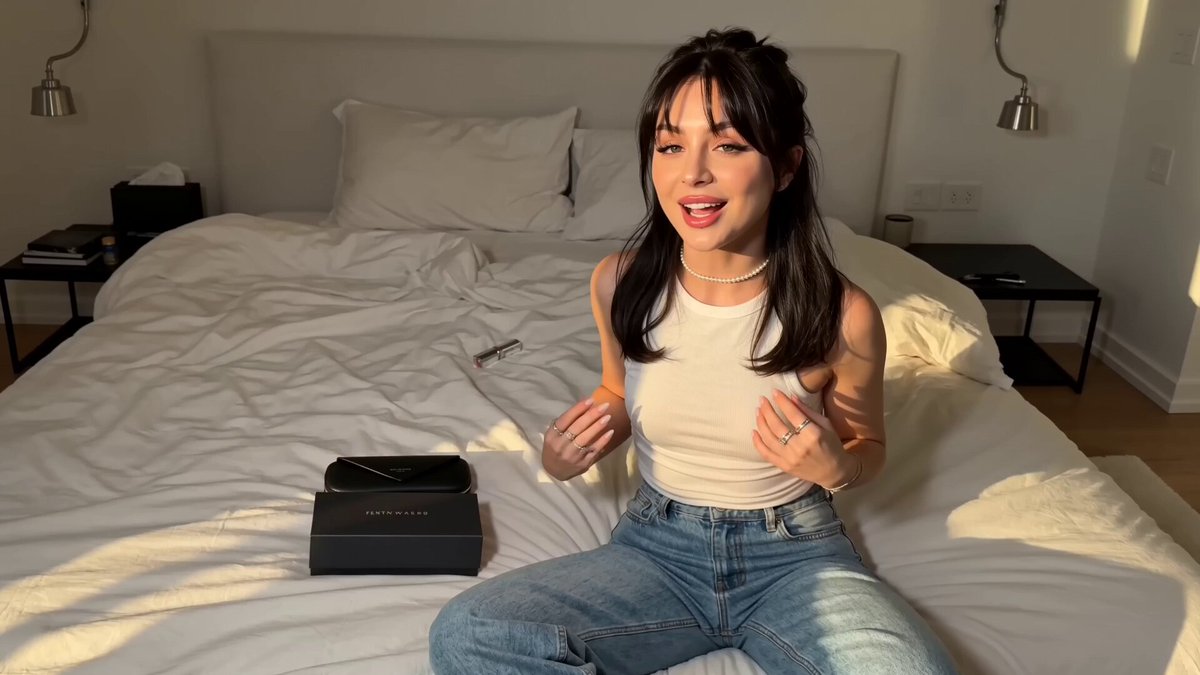
Use positional language in your prompt to describe where elements appear in the scene. Specify foreground, midground, and background layers, and use directional terms like left, right, center, top, and bottom to guide composition. The tool interprets spatial descriptions and generates images with structured layouts based on your text.
ControlNet AI Image Generator
Structured composition
Input
A landscape split into three horizontal bands: foreground grass with flowers, middle section with a calm river, distant mountains under a cloudy sky
Expected output
A layered landscape composition with clear horizontal divisions, distinct foreground, midground, and background elements
Positional scene
Input
A large tree on the left side of the frame, a small cottage on the right, a winding path connecting them, birds in the upper right sky
Expected output
A balanced composition with specified subject placement, left-right visual flow, and sky details in the upper zone
Spatial relationship scene
Input
A coffee cup in the foreground centre, a laptop behind it to the right, a window with city view in the background, morning light
Expected output
A layered scene with clear foreground, midground, and background elements arranged by depth and position
Generate AI images by describing composition, subject placement, and spatial relationships in text prompts.
Descriptive positional control
Specify subject placement and spatial relationships through descriptive language in your prompt.
Generate coherent scenes
Describe how elements relate to each other in the frame to produce well-structured compositions.
Iterate through prompt refinement
Adjust positional or structural descriptions between generations to fine-tune the composition.
How It Works
1
Describe composition
Describe the desired image.
2
Choose settings
Choose the available generation settings.
3
Generate and review
Generate, review, and download a suitable result.
Tips for better results
Follow these guidelines to get the most out of the image generation tool.
Input Constraints
Describe the subject, setting, and mood clearly.
Use specific visual details rather than vague terms.
Keep prompts focused on one main scene or concept.
Practical Tips
Start with a simple prompt and add details gradually.
Adjust one generation setting at a time to see its effect.
Review each result and note what you would change.
Use descriptive colours, lighting, and texture terms.
Try different style keywords to explore visual directions.
Privacy
Do not upload personal or sensitive material unless you have permission to use it.
Usage Rights
Confirm that you have the rights needed for the inputs and intended use of the result.
Prompt recipes
Copy a structure, then adjust the subject, lighting, camera, and output details for your own result.
Layered landscape
A mountain landscape with three clear layers: wildflowers and rocks in the foreground, a pine forest in the middle ground, snow-capped peaks in the far background, golden hour lighting
Explicitly names three depth layers and uses familiar spatial language to create a structured scene with clear foreground-to-background separation.
Balanced two-subject scene
A medieval knight on the left third of the frame facing right, a dragon on the right third facing left, a narrow stone bridge between them in the center, dramatic sky above
Places two subjects using left-right positional terms and connects them with a central element, creating a balanced confrontation composition.
Architectural interior depth
A long hallway with a door in the far background, a table with a vase in the middle distance, a chair in the near foreground on the right, warm light from windows on the left wall
Uses near, middle, and far depth cues combined with left-right placement to guide the viewer's eye through an interior space.
Overhead composition
A flat lay view from directly above: a notebook in the top left, a coffee cup in the center, a smartphone in the bottom right, scattered pens around the edges, wooden table surface
Uses overhead perspective and clear positional terms for each object to create a controlled top-down composition.
Diagonal flow scene
A stone path entering from the bottom left corner and winding toward the upper right, a small house at the end of the path, trees flanking both sides, afternoon light from the upper left
Describes a diagonal compositional flow using corner references and directional language to create visual movement.
Best use cases
Match the workflow to the input you have and the result you need before opening the generator.
Use case
Best input
Expected result
Tool
Product photography layout
Foreground-midground-background placement with specific left, right, center positioning for each object
A structured product scene with clear depth and spatial relationships
Text to Image with detailed positional language and realistic style
Illustrated scene composition
Layer-by-layer description using foreground, midground, background terms and directional placement
An illustration with clear spatial structure and balanced element placement
Text to Image with illustrative style and compositional keywords
Architectural or environment concept
Spatial descriptions using perspective cues, depth layers, and specific element positioning
A scene with architectural depth and intentional composition
Text to Image with architectural or environment keywords
Product photography layout
Input: Foreground-midground-background placement with specific left, right, center positioning for each object
Result: A structured product scene with clear depth and spatial relationships
Tool: Text to Image with detailed positional language and realistic style
Illustrated scene composition
Input: Layer-by-layer description using foreground, midground, background terms and directional placement
Result: An illustration with clear spatial structure and balanced element placement
Tool: Text to Image with illustrative style and compositional keywords
Architectural or environment concept
Input: Spatial descriptions using perspective cues, depth layers, and specific element positioning
Result: A scene with architectural depth and intentional composition
Tool: Text to Image with architectural or environment keywords
Limitations to know before generating
The tool interprets spatial descriptions but does not guarantee pixel-perfect placement.
Complex compositions with many positioned elements may not render exactly as described.
Positional control is achieved through text prompts, not through direct layout tools or grids.
The tool works best with clear, simple spatial relationships; highly detailed layouts may not be accurate.
Generated images may require iteration and prompt refinement to achieve the desired composition.
Creative Suite: AI Video Generator & AI Image Generator Tools
Power up your creative workflow with our AI-driven tools. Generate stunning videos, create images, and apply custom adjustments - our AI Video Generator and AI Image Generator offer a complete solution for all your creative needs.