

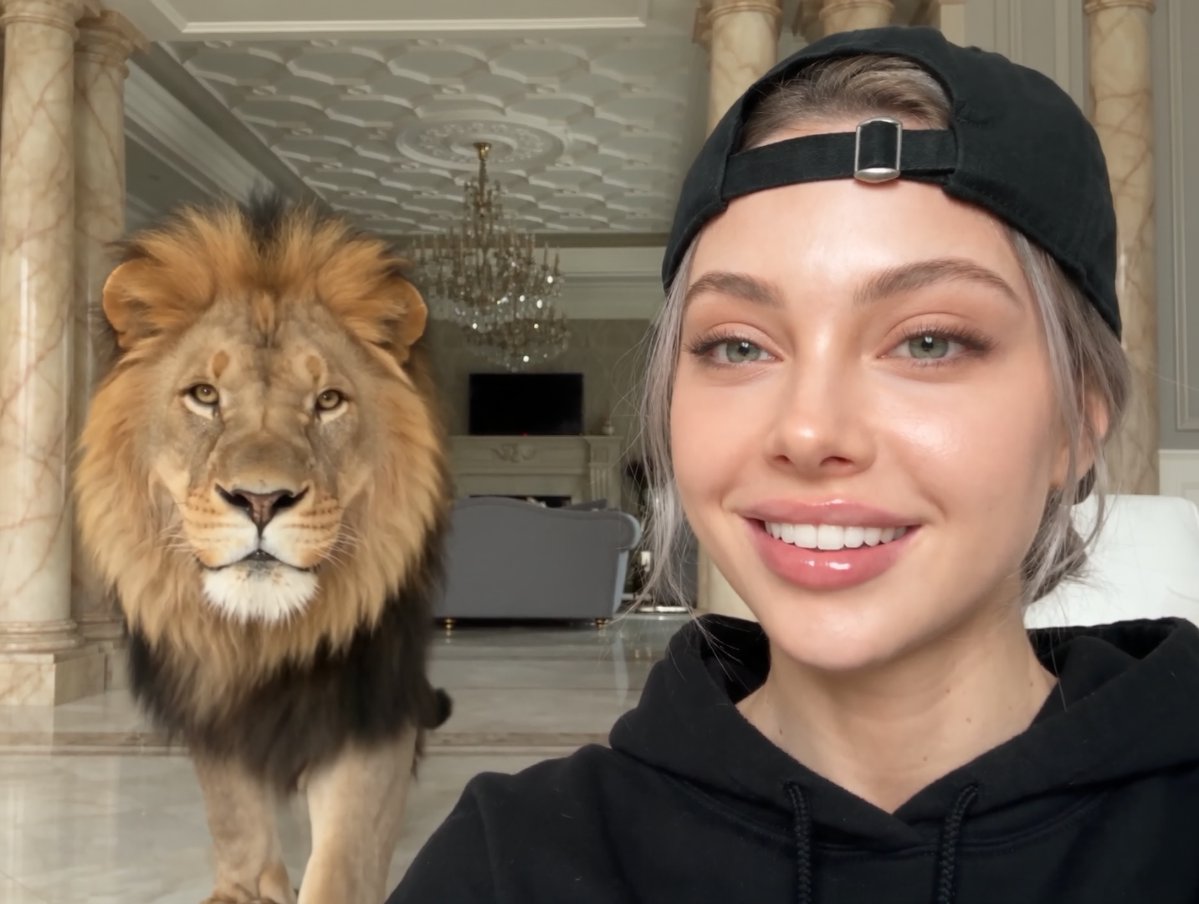

Fifteen seconds is not a lot of time. It is barely enough to read a headline, let alone tell a story. And yet, on TikTok, Instagram Reels, and YouTube Shorts, a 15-second video can outperform a minute-long production if it is built correctly. Short attention spans are not a problem to fight; they are a constraint to design for.
This playbook explains how to create 15-second videos that promote products and services effectively. It covers the three-part structure, hook writing, value delivery, calls to action, and the AI tools that make production fast enough to keep up with the content cycle.
Why 15 Seconds Is the Sweet Spot
The algorithms of short-video platforms are built around completion and replay rates. A video that viewers finish and rewatch gets pushed to more people. Longer videos have a harder time achieving high completion rates, while very short videos rarely deliver enough value to feel satisfying. Fifteen seconds sits in the sweet spot: long enough to make a point, short enough to hold attention.
There is a business reason too. Ad platforms reward creative volume: the more variations you test, the more data you collect, and the better your campaigns perform. At 15 seconds per video, a team can produce dozens of variations in a week, something impossible with longer formats.
The practical implication is that 15 seconds is not a limitation. It is a format with its own rules, and the rules can be learned.
The Three-Act Structure of a 15-Second Video
Every effective short video follows the same skeleton, whether the creator planned it or not.
Act one: the hook, roughly 3 seconds. This is the frame that stops the scroll. It can be a surprising image, a bold claim, a question, or a visual problem. If the hook fails, the rest of the video does not matter.
Act two: the value, roughly 7 seconds. This is where the product or service appears and the core benefit is shown. The viewer should understand what it is and why it matters, without any unnecessary detail.
Act three: the call to action, roughly 5 seconds. The viewer is told what to do next: follow, click, buy, comment, or share. The CTA must be specific and easy to act on.
The structure works because it mirrors how people decide: stop, understand, act. Do not fight the format; design for it.
Writing Hooks That Stop the Scroll
The hook is the highest-leverage element in the video. Spend more time on the first three seconds than on any other part.
Effective hooks share common patterns.
The problem statement. Open with the pain: "Your ads get skipped in the first second" or "Nobody reads your product descriptions." The viewer recognizes the problem and stays to see the solution.
The surprising visual. Show the product in an unexpected context, or reveal a transformation. Visual surprise works even with the sound off.
The bold promise. "This video took five minutes to make" or "This trick tripled our click rate." The promise must be credible and delivered on quickly.
The direct question. Ask something the target audience cares about. Questions create a mental response, and viewers stay to see if their guess is correct.
Write three hook options for every video and test them. The difference between a 30% and a 5% completion rate is often just the first three seconds.
Proving Value in the Middle
Once the viewer is hooked, the middle of the video must prove that the product or service solves the problem. This is where specificity beats polish.
Show the product doing its job. If it is software, show the interface and the result. If it is a physical product, show it in use. If it is a service, show the outcome or a testimonial. The more concrete the demonstration, the more believable the claim.
Avoid technical detail in the middle. The goal is not to explain everything; it is to create enough conviction for the viewer to take the next step. One clear benefit, demonstrated visually, is worth more than five benefits listed in a voiceover.
A useful pattern is the before-and-after. Show the problem state, then the state after the product. The contrast is immediate, visual, and works in almost every category.
Calls to Action That Get Clicks
The CTA is the part most creators get wrong, usually by making it vague. "Follow for more" and "Check the link" do not tell the viewer why they should act.
Strong CTAs are specific, urgent, and low-effort. "Comment 'how' and I will send you the template" is a specific action with a clear reward. "Link in bio to get the discount" connects the action to a benefit. "Save this video for later" gives the viewer a reason to keep the content.
Match the CTA to the platform and the goal. For awareness, ask for a save or share. For conversion, drive to the link. For community, ask for a comment. One CTA per video is enough; multiple CTAs dilute the action.
Producing With AI Tools
The production bottleneck used to limit how many short videos a team could make. AI tools remove most of that bottleneck.
Scripting. Language models can draft hooks, scripts, and CTA variations in seconds. Feed them your product details and audience, and generate ten hook options.
Visuals. Text-to-video and image-to-video tools can produce product shots, backgrounds, and effects without a camera. Reference images keep the product and brand consistent.
Editing. Auto-captions, background removal, and template-based editing turn raw clips into finished videos quickly. Captions are essential because most viewers watch with sound off.
Voiceover. Text-to-speech voices are good enough for many product videos, and they allow fast re-recording when the script changes.
The workflow that works: generate assets in batch, edit in templates, and review on the phone. Speed is the point, and the tools exist to support it.
Sound and Music
Sound design decides whether a short video feels complete. A video with no audio track reads as unfinished, even when the visuals are strong.
For product videos, a music bed sets the energy, and sound effects punctuate key moments: the product reveal, the transformation, the CTA. Keep the music volume below the voiceover, or use a music-only approach with captions carrying the message.
Trending audio is a distribution factor on TikTok. Using a popular sound can increase reach, but only if it fits the video's mood. Forcing a viral sound onto the wrong content hurts more than it helps.
Test the video with sound on and off. If it works both ways, it will work for most of the audience.
Formatting for TikTok, Reels, and Shorts
Each platform has slight preferences, and the same video can be adapted rather than recreated.
TikTok. Vertical, fast-paced, trending audio matters. Hooks need to land instantly because the scroll is aggressive.
Instagram Reels. Similar to TikTok, but polish and aesthetics matter more. The audience skews toward lifestyle and aspirational content.
YouTube Shorts. Searchability matters. Titles and descriptions help discovery, and the audience tolerates slightly longer, more informative short videos.
Export in vertical 9:16, keep captions within the safe margins, and avoid placing critical elements near the edges. Test the same video with platform-specific tweaks: different first frames, different caption styles, different CTAs.
Testing and Iterating
The advantage of short video is that iteration is cheap. Treat every video as an experiment.
Track completion rate, replay rate, and the CTA action. Compare videos within the same campaign to find what works. A video that fails is not a failure; it is data about the audience.
Create variations deliberately: change the hook, change the CTA, change the music, change the first frame. Run them side by side and scale the winner. Over time, you will build a library of proven patterns that make future videos faster and more predictable.
Batching Content Production
Short video rewards volume, and volume is only sustainable when production is batched. Instead of making one video at a time, plan a week or a month of content in a single session.
Start with a content calendar: one column for the goal of each video, one for the hook angle, one for the product or service featured, and one for the CTA. Fill the calendar with ideas before you open any tool. The planning session is creative work; the production session is execution.
Then batch by stage. Write all the scripts in one sitting, using a consistent structure. Generate all the visuals in one sitting, reusing the same references and style tokens. Edit all the videos in one sitting, using the same template and captions style. Batching minimizes context switching, which is the real time killer in content production.
Batching also improves quality. When every video follows the same template and references, the series develops a consistent look, and consistency is what makes a brand recognizable in a crowded feed.
Working With Influencers and UGC
Not every short video has to be produced from scratch. User-generated content and influencer collaborations extend your production capacity without a new pipeline.
The key is a clear brief. Give collaborators a one-page document: the product, the message, the hook examples, the duration, the platform, and the CTA. The more specific the brief, the more usable the content. Then repurpose the best UGC into ads, with permission, adding captions and a branded intro.
AI tools can also transform UGC: remove backgrounds, improve audio, add captions, and resize for other platforms. A single piece of authentic content can become five different assets, and authenticity plus polish is a strong combination.
Measuring What Matters
Short video without measurement is guesswork. Define the metrics before you publish, and review them after each batch.
The core metrics are completion rate, replay rate, and the action rate for your CTA. Completion rate tells you if the hook and pacing work. Replay rate tells you if the video is worth watching again, which is the strongest signal for short-form algorithms. Action rate tells you if the video actually moves the business.
Compare videos within the same campaign rather than across campaigns, because audience and product differ. A 30% completion rate on a product demo may be excellent, while the same rate on a brand awareness clip may be weak. The baseline comes from your own history, not from industry averages.
Build a simple dashboard in a spreadsheet: date, platform, product, hook type, CTA, completion rate, replay rate, action rate. After a few weeks, patterns emerge. You will see which hook types work for which audiences, and the next batch of content will start from a stronger position.
Building a Repeatable Playbook
The end goal of short video production is not individual hits; it is a playbook that makes every new video faster and better.
A playbook captures the patterns that work: the hook templates, the script structures, the reference images, the caption styles, and the CTA formats. Write it down in a shared document that anyone on the team can follow. Include examples of winning videos and the reasons they won.
Update the playbook after every batch. When a new hook pattern beats the old favorite, replace it. When a platform changes its algorithm and a format stops working, note it. The playbook is a living document, and its value grows with every update.
The practical payoff is speed. A team with a documented playbook can produce a new video from a product briefing in under an hour, because most decisions are already made. That speed is the competitive advantage in a format where volume and consistency decide reach.
FAQ
Can a 15-second video really sell a product? Yes, when it targets one clear benefit and one clear action. It will not replace a full brand film, but it converts for ads and social distribution.
How many videos should I publish per week? Consistency beats volume, but volume helps in the short-form format. Start with three to five per week, measure, and scale what works.
Do I need a professional editor? For basic product videos, no. Template editing and AI tools cover most needs. A professional editor adds value for complex campaigns.
What is the biggest mistake in short video? A weak hook. If the first three seconds do not stop the scroll, nothing else matters.
How do I keep the brand consistent across many videos? Use the same references, colors, captions style, and voice across videos. Document the style so any producer can replicate it.
Conclusion
Fifteen seconds is not a constraint; it is a canvas with rules. Hook in three seconds, prove value in seven, ask for action in five, and use AI tools to keep the production fast and consistent. The format rewards creators who iterate, measure, and refine. Start with one product, build three hook variations, and test. The data will tell you what to do next.
