
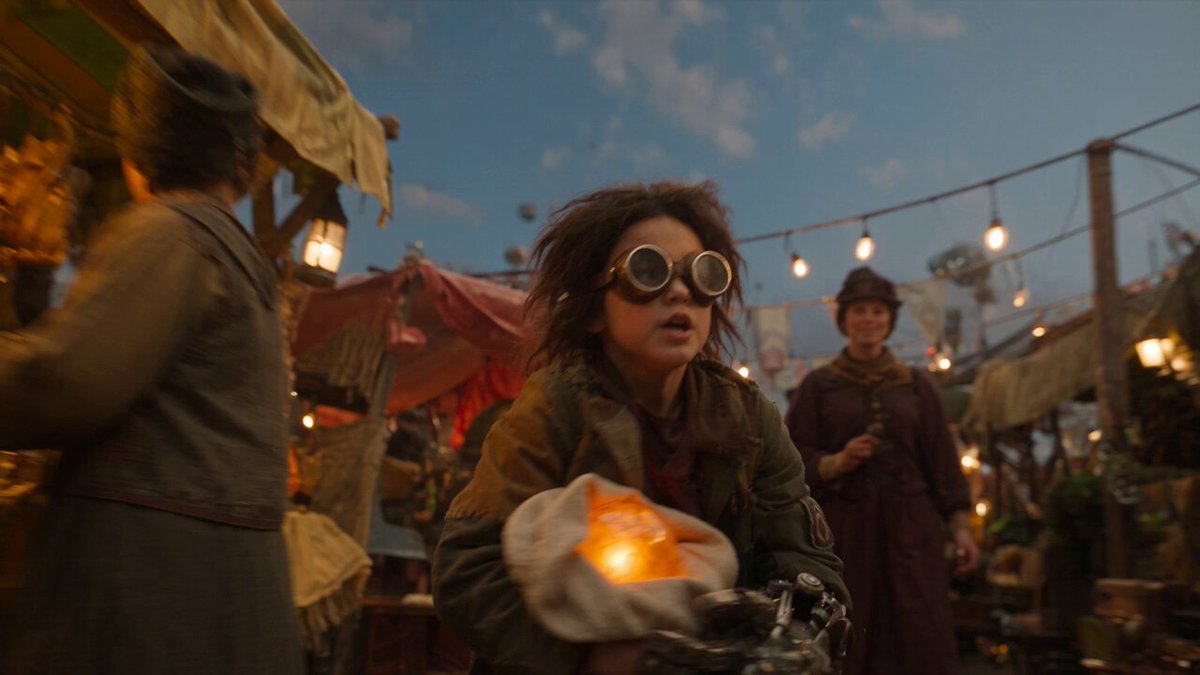
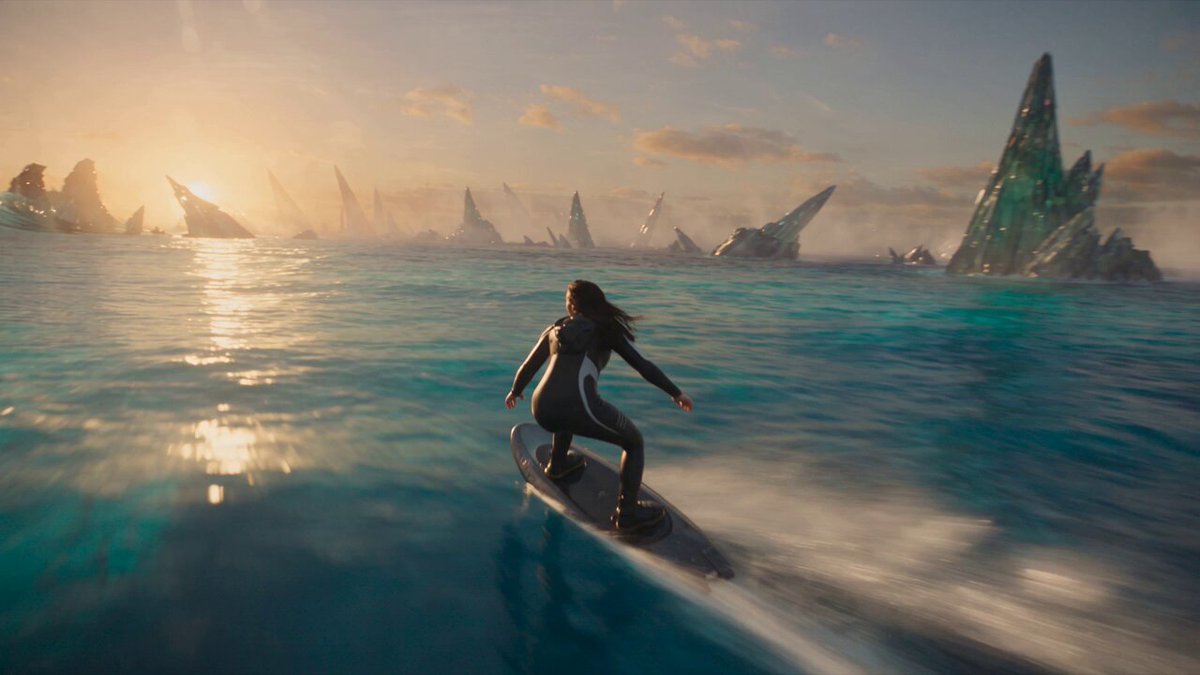
Why AI Video Fits Modern Ad Production
Not long ago, producing a batch of ad variations meant booking a studio, hiring talent, and hoping the edit room could stretch one shoot day into five deliverables. AI video generation breaks that constraint. A single concept can be rendered in multiple looks, lengths, and angles without a second call sheet, and the cost of a failed experiment drops from hours of crew time to a few minutes of waiting.
That does not make traditional production obsolete. Live-action still wins for genuine human emotion, real product handling, and brand films where craft is the message. What AI changes is the middle of the funnel: the endless stream of hook variations, product-in-context shots, explainer sequences, and localized versions that keep paid social campaigns alive. These assets are consumed in seconds and rotated constantly, so the ability to produce them quickly matters more than cinematic perfection.
The practical shift is organizational. Instead of asking what the team can afford to shoot, marketers ask how many hypotheses they can test this week. Creative strategy, prompt craft, and editing judgment replace grip trucks and location permits as the scarce resources. Teams that build a repeatable pipeline — brief, script, generate, assemble, test, iterate — consistently outperform teams that treat generation as a one-off trick.
The End-to-End Workflow at a Glance
A reliable pipeline has five stages, and skipping any one of them shows up later as wasted generation time.
Stage 1: Lock the offer, audience, and placement
Write one sentence that names who you are talking to and what changes for them. Every decision downstream — tone, pace, aspect ratio, casting — depends on that sentence. If it is vague, the prompts built from it will be vague too.
Stage 2: Script and shot list
Turn the sentence into a 15- or 30-second script with six to twelve shots. Each shot should carry exactly one visual idea. Number the shots so you can reference them in prompts, in review notes, and in the edit timeline.
Stage 3: Generate in batches
Generate three to five takes per shot, not one. Models are probabilistic, and the first output is rarely the best. Collect selects in folders named by shot number, and note which prompt and settings produced each keeper so the result is reproducible.
Stage 4: Assemble, sound, and caption
Cut on motion and music beats, add voiceover, music, and captions, then mix audio. This stage is where most perceived quality is won or lost. An average clip with tight sound and pacing beats a beautiful clip with sloppy audio almost every time.
Stage 5: Review, version, and launch
Export platform-specific versions, run a brand and compliance check, and publish. Keep a changelog so you always know which creative variant went live, where, and on which date.
Briefs and Scripts That Survive Generation
AI models are literal. A script that says the software makes teams feel calmer gives the model nothing to render. A script that says a manager closes twelve browser tabs, leans back, and smiles at a clean dashboard gives it everything.
Three rules help. First, write visual verbs rather than adjectives: pours, swipes, clicks, unboxes instead of innovative or seamless. Second, keep each shot under five seconds of screen time unless you plan to slow it down in the edit. Third, design shots that fail gracefully. A close-up of hands on a product can survive minor artifacts, while a wide shot of a crowd rarely does.
For text and numbers, plan to add them in post. Generation models still struggle with legible typography, so let the clip carry the scene and let your editor carry the message. The same applies to logos: generate clean empty space, then composite the real brand asset on top.
Finally, write a must-haves list per shot: product angle, brand color, wardrobe, location, and mood. When a prompt drifts off-brief, you can trace exactly which constraint was missing.
Prompting for Ad-Grade Footage
Use a fixed prompt skeleton
A prompt that works looks like this: subject, action, environment, camera, lighting, lens, mood, duration, aspect ratio. For example: a barista pours oat milk into a ceramic cup, warm cafe interior, slow push-in, soft window light, 50mm lens, calm morning mood, five seconds, vertical. Every slot you leave empty is a decision you hand over to the model.
Protect character and product consistency
Consistency comes from references, not from words. Generate a hero still of your character or product, then use image-to-video or reference-image features for every subsequent shot. Reuse the same descriptive phrase, the same seed when the tool supports it, and the same color grading preset. Small drifts in hair, clothing, or packaging compound quickly across a sequence and become obvious once the clips sit side by side in a timeline.
Write negatives deliberately
Negative prompts deserve as much care as positive ones. Useful entries include text, watermark, logo, extra fingers, distorted hands, warped perspective, jump cut, oversaturated colors, and cartoon style when realism is the goal. Keep the list short and specific, because a long negative list can flatten an image into something bland.
Iterate one variable at a time
Change the camera move, then the lighting, then the wardrobe — never all three at once. When something finally looks right, save the entire prompt and its settings as a reusable template. That template becomes the most valuable asset in your production library.
Choosing the Right Tool for Each Shot
No single generator wins every category. Match the tool to the shot instead of standardizing on one model out of habit.
| Shot type | Best-fit tool category | Practical note |
|---|---|---|
| Product hero shot | Image-to-video from a real photo | Protects packaging accuracy |
| Character-driven scene | Text-to-video with reference images | Short clips render more reliably |
| Talking head or spokesperson | Avatar and lipsync platforms | Script pacing beats lip realism |
| B-roll and atmosphere | Text-to-video | Fast and cheap, easy to over-generate |
| Explainer with interface | Screen capture plus motion graphics | Do not ask a model to render UI |
| Voiceover | Dedicated speech synthesis | Test brand name pronunciation first |
Decision criteria to weigh before committing: maximum clip length, native resolution and upscaling options, reference image support, consistency across a sequence, licensing terms for commercial use, watermark policy on paid plans, and how quickly the tool ships improvements. Runway, Pika, Kling, Luma Dream Machine, Veo, and Sora each have moments where they lead; HeyGen and Synthesia handle avatar work; ElevenLabs covers voice; Descript and CapCut speed up assembly; Topaz handles cleanup and upscaling.
Run a small bake-off before you commit a campaign to a tool. Give three generators the same prompt and the same reference image, then compare stability, motion quality, and how many takes it takes to get one usable clip. Cost per usable second is the number that matters, not the sticker price of the plan.
Hooks, Pacing, and Retention
The first three seconds decide whether the rest of the ad exists. Assume the viewer is scrolling with sound off and a thumb already in motion.
Hook patterns that survive AI production well:
- A visual disruption: something spills, snaps, or moves toward the camera.
- A problem rendered visually: an overflowing inbox, a cluttered desk, a stalled line.
- A result-first reveal: show the finished outcome, then explain how it happens.
- A tight close-up with a single line of on-screen text.
Avoid opening with a logo animation, a slow drone shot, or a title card. Those are broadcast habits that cost you the scroll.
Pacing matters as much as the hook. In a 15-second ad, aim for a cut every 1.5 to 2.5 seconds, aligned to the music where possible. In a 30-second spot, allow two or three slower moments for the product and the proof, but never let the energy fall in the middle. A simple structure holds up across categories: hook in the first three seconds, problem from three to seven, product in action from seven to twelve, proof or benefit from twelve to twenty, call to action in the final few seconds.
Because AI makes hook variants cheap, treat the opening as its own creative project. Generate five different first seconds, keep the body identical, and let performance tell you which one earns the rest of the watch.
Aspect Ratios, Captions, and Platform Fit
Produce for the placement, not for the file. Vertical 9:16 remains the default for short-form feeds, square 1:1 still works in some carousel and display contexts, and 16:9 suits pre-roll and website hero sections. Generating natively in the target ratio usually beats cropping later, because models compose within the frame they are given.
Safe zones matter more than ratios. Keep captions and key visuals away from the bottom quarter and the top edge where platform interfaces cover content, and leave breathing room on the right for interaction buttons. When you must reuse a horizontal clip vertically, reframe with intent: track the subject, scale in for detail shots, and never simply letterbox the original.
Captions are not optional. Most feed viewing happens muted, and well-styled burned-in captions consistently outperform auto-generated ones for clarity. Use a high-contrast style with a subtle outline, keep lines to three or four words, and animate them on the beat. Keep brand fonts and caption placement consistent across variants so a viewer who sees three of your ads recognizes them as one campaign.
Voice, Music, and Sound Design
Audio is half of perceived production value. A perfect clip with thin, mismatched sound reads as amateur; a modest clip with a confident mix reads as professional.
Voiceover choices come down to volume and tone. Synthetic voices are ideal for rapid variant testing and localization, while human talent still wins for emotionally complex or comedic scripts. When working with synthetic voices, write for the ear: short sentences, natural contractions, no nested clauses. Test pronunciation of brand and product names before you commit to a full run, and ask for a slightly slower read than feels natural — you can always tighten it in the edit.
Music selection should follow the edit rhythm rather than the genre of your brand. A 120 BPM track gives you a cut point every half second when you need one. Duck music under voiceover by roughly 6 to 10 dB, and mix to about -14 LUFS integrated for social platforms so your ad does not sound quiet next to everything else in the feed.
Sound effects add polish at almost no cost: a riser into the product reveal, a soft click on text animation, a whoosh on a transition. Keep them subtle. A stack of loud effects reads as noise, not as production value.
Testing, Iteration, and Measurement
Treat creative as a system of variables. The ones worth testing are hook type, opening frame, voice style, captions versus no captions, total length, and call-to-action phrasing.
Change one primary variable at a time with everything else held constant, or use a structured matrix when you need volume. Measure the metrics that map to the funnel: three-second view rate for the hook, hold rate or average watch time for retention, click-through rate for interest, and cost per acquisition or return on ad spend for business impact. A high click-through rate with weak watch time usually means the ad over-promises. Strong watch time with weak clicks usually means the call to action is buried or unclear.
Give each variant enough impressions to escape statistical noise before you judge it. Then follow a simple loop: promote winners into the next round, retire clear losers, and remix the strongest hook with the strongest body. Refresh creative on a schedule tied to performance decay rather than a fixed calendar, and maintain a library of winning angles, prompts, and reference images so nothing has to be rediscovered later.
Quality Control, Common Fixes, and FAQ
Every AI pipeline produces flawed takes. What separates professional output is catching the flaws before the client or the audience does.
Common artifacts and how to fix them
- Warped hands or faces: shorten the clip, reduce motion intensity, or switch to image-to-video using a clean reference frame.
- Unreadable text: remove text from the prompt entirely and add it as a graphic in the edit.
- Flicker or texture crawl: upscale, apply light temporal smoothing, or regenerate with fewer style words in the prompt.
- Broken physics: avoid complex interactions such as pouring, splashing, or stacking unless the model handles them reliably; use a cutaway instead.
- Morphing between frames: lock the camera move and keep the subject centered in frame.
- Lip sync drift: shorten the spoken line, slow the read slightly, or run a dedicated lipsync pass over the finished cut.
FAQ
How long should an AI-generated ad be? Fifteen seconds is the workhorse length for paid social, with six-second cutdowns for reach campaigns and thirty seconds for retargeting audiences who already know the product.
Do I need to disclose that a video was AI-generated? Requirements vary by market and platform, and rules around synthetic media and likeness continue to evolve. Check the current policies that apply to your campaign, and treat disclosure as a trust-building choice whenever real people or endorsements are implied.
Can AI replace a full production shoot? Not for brand films, testimonials, or anything requiring genuine human performance. It replaces the high-volume, quick-turnaround work that used to consume most of a production budget.
How many variants should I test? Start with three to five per concept, then scale the winners. Testing more variants than you can meaningfully analyze simply creates reporting noise.
How do I keep a series visually consistent? Lock a reference image, a color palette, a lens description, a wardrobe list, and a caption style, then reuse them as a template for every new shot in the campaign.
What is the biggest mistake teams make? Generating first and strategizing later. A clear offer, a tight script, and a defined success metric save more time than any model setting ever will.
