
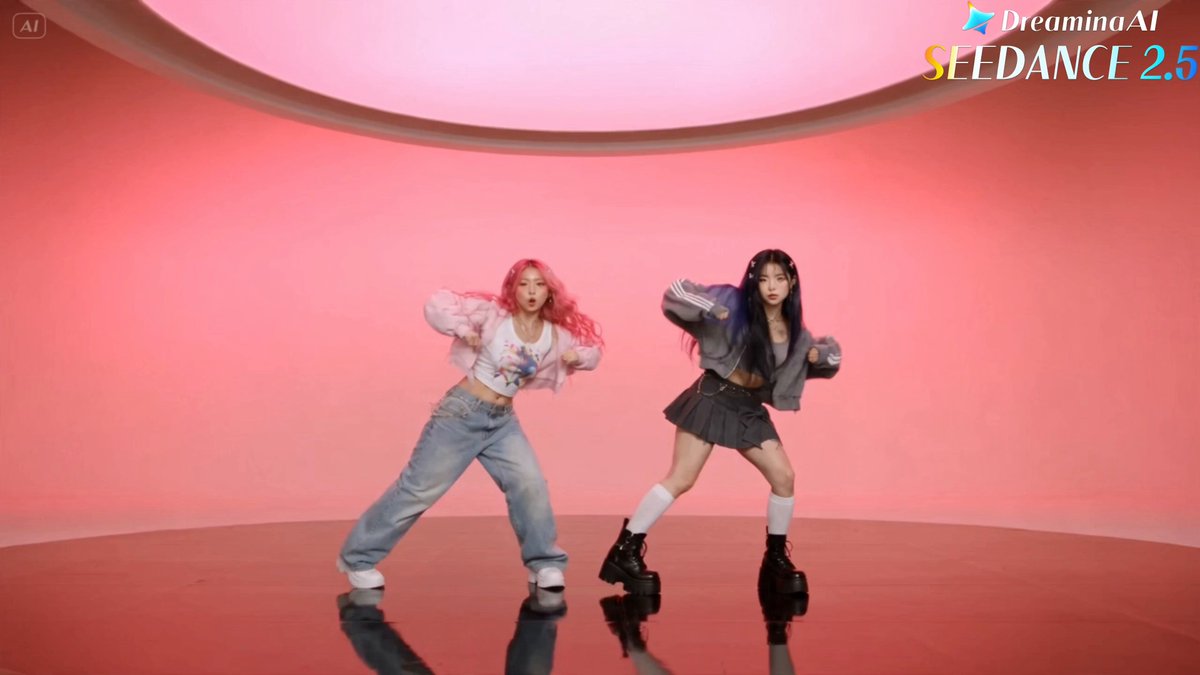

Every AI animator hits the same wall eventually. The first shot of the character looks great. The second shot looks like a distant cousin. By the third scene, the protagonist has changed hairstyle, eye color, and sometimes species. Visual inconsistency is the classic failure mode of AI-generated animation, and it is the difference between a tech demo and a story that audiences can follow. The good news is that the problem has a practical solution: multi-image reference workflows that lock character identity across scenes by feeding the model stable reference images. This guide explains why characters drift, how reference-based techniques fix it, and how to build a production workflow that keeps characters consistent from first frame to last.
Why Characters Drift Between Scenes
When a model generates an image from a text prompt, it builds the result from a probabilistic understanding of the words. The words "a young woman with a red jacket" describe a category, not a specific person. Every generation draws a new member of that category, which is why the character changes appearance from scene to scene.
The problem is not cosmetic. In narrative content, viewers track characters through visual identity. When that identity shifts, they lose trust in the story, even if they cannot articulate why. For branded content, inconsistent characters erode the brand. For series and long-form projects, drift makes the whole production unusable.
The technical source of drift is the way diffusion models and transformers are trained. They learn from massive, weakly annotated datasets, and each generation treats the prompt as a fresh start. Fine details, and even global identity traits, are reconstructed from noise every time. Without an anchor, the model has no reason to reproduce the same face, costume, or proportions.
The Role of Multi-Image References
Multi-image reference is not just a bundle of pictures. It is a strategic tool for prompt engineering and model control. By providing several images of the same character, you give the model concrete visual anchors: the shape of the face, the color of the jacket, the style of the hair. The model uses those anchors to keep the identity stable across generations.
This technique is the modern replacement for the older method of describing a character in endless text. Text descriptions are useful, but they are open to interpretation. Reference images are not. When a model can see the character, it reproduces the character.
The practical effect is dramatic. With a good reference set, the same protagonist can appear in wide shots, close-ups, action scenes, and emotional beats without drifting. The character sheet becomes the single source of truth for the entire production.
Building a Character Sheet That Works
The quality of your reference set determines the quality of your consistency. A poorly made sheet produces poor results no matter how advanced the model is.
Start with multiple angles. Generate the character from the front, the side, and the back, plus a close-up of the face. If possible, add a full-body shot with a neutral pose. More angles give the model more information about the character's structure.
Keep lighting consistent across the reference images. If one reference is shot in harsh sunlight and another in soft indoor light, the model will try to reproduce both looks and create odd lighting in every scene. Aim for even, neutral lighting in the reference set.
Choose distinctive features. Models lock onto clear visual markers: a specific jacket color, an unusual hairstyle, a signature prop. Distinctive features survive the generation process better than subtle differences like slight changes in nose shape.
Keep the set small and coherent. Five to eight high-quality images beat twenty inconsistent ones. And never mix references from different art styles; if one image is photorealistic and another is a stylized illustration, the model will oscillate between them.
Keyframe Control and Video Fusion
For animation specifically, keyframe control is the companion technique to multi-image reference. Instead of letting the model invent every frame, you specify the important frames of a shot: the first frame, the last frame, and sometimes key moments in between. The model then interpolates the motion between those anchors.
This approach gives you control over composition, camera movement, and timing. If a scene calls for a slow push-in on the character, you can set the starting wide frame and the ending close-up, and the model fills in the movement. If a product needs to rotate in a specific way, keyframes make that possible.
Video fusion goes a step further by blending information across frames. Rather than treating each frame as an independent generation, fusion algorithms use the temporal relationship between frames to keep the character stable as they move. This is what turns a collection of consistent stills into a believable performance.
Together, multi-image references, keyframes, and fusion form the technical core of character consistency in modern AI animation.
Managing Consistency Across Different Models
Creators rarely use a single model for an entire project. Different scenes call for different strengths: one model for realistic environments, another for stylized characters, a third for fast motion. But every time you switch models, you introduce a new interpretation of the character, and consistency can break.
The solution is to treat your reference set as the contract between models. If every model receives the same character sheet, the output stays aligned even when the renderers differ. Test your reference set on each model you plan to use before committing to a production schedule.
It also helps to standardize the prompt fragments that describe the character. Keep the same wording for appearance, costume, and style in every scene, and only vary the action and camera instructions. The combination of identical references and identical descriptive phrases gives the model the strongest possible signal.
Finally, be aware that some models are better at consistency than others. Models with strong multi-reference support are the right choice for character-driven projects. Models with weaker support are fine for atmospheric shots where a specific character does not appear.
Fixing Common Artifacts
Even with a good workflow, artifacts happen. The most common ones are identity drift on fast motion, lighting changes between shots, and extra limbs or distorted hands in complex poses.
Fast motion is the hardest case because the model has fewer stable frames to work with. Mitigate it by using keyframes at the motion boundaries, slowing the movement slightly, or cutting around the most unstable frames in the edit.
Lighting changes usually come from inconsistent references or scene descriptions. Keep the lighting language in your prompts consistent, and correct the final look in post-production. A quick color pass across all clips goes a long way toward visual unity.
Limb and hand distortion is a known weakness of many models. Reduce it by avoiding extreme poses in the prompt, using negative prompts for common failure modes, and generating extra takes of the shots that matter most. Accept that some shots will need to be regenerated; selection is part of the process.
Consistency for Serial and Long-Form Content
The techniques above matter even more for serialized content, where the same characters appear across multiple episodes or a long running time. The audience's memory of the character spans days or weeks, so a drift that is invisible in a short clip becomes obvious in a series.
Build a production bible. Store the character sheet, the style references, the prompt fragments, and the camera conventions in one place that every future generation can use. When a new episode needs the protagonist, you pull from the bible instead of re-describing the character from scratch.
Reuse the same reference set across the entire series, and resist the urge to "improve" the character's appearance mid-production. Any change to the reference images changes the identity. If a change is truly needed, regenerate the affected scenes from the new set so the whole episode stays internally consistent.
For long-form projects, plan the reference set before production starts. Spend the extra hour up front; it will save many hours of regeneration later.
Consistency Beyond Characters: Scenes and Objects
Character consistency gets most of the attention, but the same techniques apply to the world around the character. A story set in one location should show that location consistently across every scene, and a product video should show the same product from every angle. Audiences notice inconsistent environments almost as quickly as inconsistent faces.
Scene consistency works exactly like character consistency. Generate a few keyframes of the location in different light and weather conditions, then reuse them as references whenever the scene appears. If the story moves between rooms, give each room its own reference set so the model does not blend them into one generic interior.
Object consistency matters most for commercial work. A product shown in a hero shot should look identical in the close-up and the lifestyle scene: same shape, same color, same details. Create one hero image of the product and reference it throughout the animation. Add descriptions that specify the product's distinctive traits, so the model has both a visual anchor and a verbal one.
There is also the question of style consistency. If your project mixes photorealistic and stylized elements, keep the boundaries deliberate. Decide in advance which parts of the world are realistic and which are stylized, and hold that decision across every scene. Mixed styles are not a mistake when they are intentional; they are a mistake when they happen by accident.
The discipline is the same in every case: define the visual identity once, encode it in references, and reuse those references until the project is done.
A Production Workflow That Keeps Everything Aligned
Consistency techniques only help if they are built into a repeatable workflow. The best animators do not improvise from scene to scene; they follow a sequence that guarantees the same references, the same prompts, and the same quality checks every time.
Start with a pre-production phase. Write the one-sentence concept, break the project into a shot list, and build the reference set before generating anything. The shot list should describe each shot's action, camera, and purpose, so that the generation phase has clear direction. This is the stage where consistency is designed, not fixed later.
During production, generate shot by shot and check each result against the character sheet. Do not wait until the end to review; a drift caught early can be regenerated in minutes, while a drift caught after ten scenes may require redoing several. Keep the descriptive prompt fragments for the character identical across every shot, and only vary the action and camera parts.
Finish with an assembly pass. Bring all accepted clips into the editor, check the transitions for visual continuity, and correct lighting and color differences in post. A final review with the character sheet next to the footage catches the small inconsistencies that individual shots hide.
A practical tool for this process is a simple production log: one line per shot recording the model used, the prompt, the reference set, and the verdict. After a few projects, this log becomes a personal playbook that makes each new production faster and more reliable than the last.
Frequently Asked Questions
Why does my character still drift even with references? Check the quality of your reference set: consistent lighting, distinctive features, and multiple angles all matter. Also make sure every scene uses the same reference images and the same descriptive phrases. If drift persists, try a model with stronger multi-reference support.
How many reference images do I need? Five to eight well-made images are enough for most characters: front, side, back, face close-up, and a full-body neutral pose. More images are only useful if they are consistent.
Can I use references for scenes too, not just characters? Yes. The same technique works for locations and objects. Generate keyframes of the environment or the product and reuse them as references to keep scenes visually stable across shots.
Do I need to regenerate the whole scene if one clip is inconsistent? Not always. Often you can regenerate only the unstable clip using the same references. Keep the prompt fragments identical and only change the action or camera instructions.
Is consistency more important than visual quality? For narrative work, yes. Viewers forgive slightly weaker visuals before they forgive an inconsistent protagonist. The best projects achieve both, but consistency is the non-negotiable foundation.
The animators who succeed with AI are not the ones with the most impressive prompts. They are the ones with a system: a character sheet that anchors identity, keyframes that control motion, and a production bible that keeps every scene aligned. Build that system, and the characters you create today will still be the same characters in the final frame.
